Plastic Free Parenting Mistakes That Backfire on Toddlers
I once spent forty dollars on a “natural” toddler feeding set because the packaging showed a wheat stalk and the word bamboo in a nice serif font. Three weeks later the bowl had a hairline crack running through it, and when I looked closer at the fine print, I found the words melamine resin binder. It wasn’t plastic-free. It was ground-up bamboo fibre held together with the same stuff that makes actual plastic plastic. My toddler had been gnawing on it daily.
That mistake is more common than most parents realize, and it’s usually not because anyone is being careless. It’s because toddler gear is marketed to exhausted people who are trying to do the right thing quickly. Plastic-free parenting sounds simple until you’re standing in an aisle at 7pm with a screaming two-year-old, grabbing whatever has the greenest-looking label. So here’s what actually tends to go wrong, and what tends to work better, based on the mistakes that keep showing up.
1. Chasing “Eco” Labels Without Checking What’s Actually Inside The Product
This is the big one. Words like eco-friendly, natural, and green are not regulated the way people assume they are. A company can slap “eco” on a product that’s 70% plastic resin and technically not be lying, because there’s no legal definition forcing them to disclose the ratio.
The fix isn’t complicated, it’s just slower than most parents want it to be. Flip the product over. Look for the actual material breakdown, not the front-of-box branding. If a toddler cup says “bamboo fibre” and doesn’t list a binder, that’s often a red flag rather than reassurance, since pure bamboo fibre alone usually can’t hold a cup shape without something binding it. If you want a deeper breakdown of which “bamboo” products actually hold up under scrutiny, we’ve gone through that exact question here, because it comes up constantly in the comments on this site.
2. Trying To Swap Everything At Once
I get why this happens. You watch one documentary, or you have one moment standing in the kitchen looking at a drawer full of sippy cups and stacking cubes, and you decide tonight is the night everything changes. And then three days later you’re overwhelmed, the swaps are half-finished, and the actual plastic stuff quietly creeps back in because it’s easier.
Toddlers don’t need a full overhaul in a weekend. They need one category done properly. Pick mealtime, or pick bath time, and finish that before moving to the next thing. Parents who try to convert the whole house in one go tend to burn out around week two, which is a pattern we’ve written about in more detail over on our piece about the mistakes people make in their first month. It applies just as much to toddler routines as it does to adult ones.
A short side note here, because it matters more than it sounds like it should: toddlers resist change in general, not just plastic-related change. If you swap their cup, their spoon, and their favorite bowl all in the same week, you’re not just making an environmental change, you’re disrupting a routine a small person relies on for a sense of control. Slower is genuinely kinder to them too.
3. Buying Premium Glass Or Silicone Before Testing If It Survives A Toddler
Toddlers throw things. They bite things. They drop things from high chairs onto tile floors, repeatedly, sometimes on purpose, sometimes just to see what happens. A beautiful glass bowl with a silicone sleeve might be the right long-term choice, but if you buy the expensive version first and it shatters within a week, you’ve spent money you can’t easily spend again, and the frustration pushes some parents right back toward plastic because plastic feels safer for chaotic hands.
Buy cheap and testable first. See what your specific kid actually does with their dishes before committing to the pricier plastic-free version. This matters even more if money is tight, and it usually is when you’re also buying diapers, clothes that don’t fit for more than four months, and whatever snack they’ve decided is the only acceptable snack this week. If budget is a real concern, this breakdown on going plastic-free without spending a lot is worth reading before you buy anything premium.
4. Ignoring Where Plastic Actually Enters Through Other People
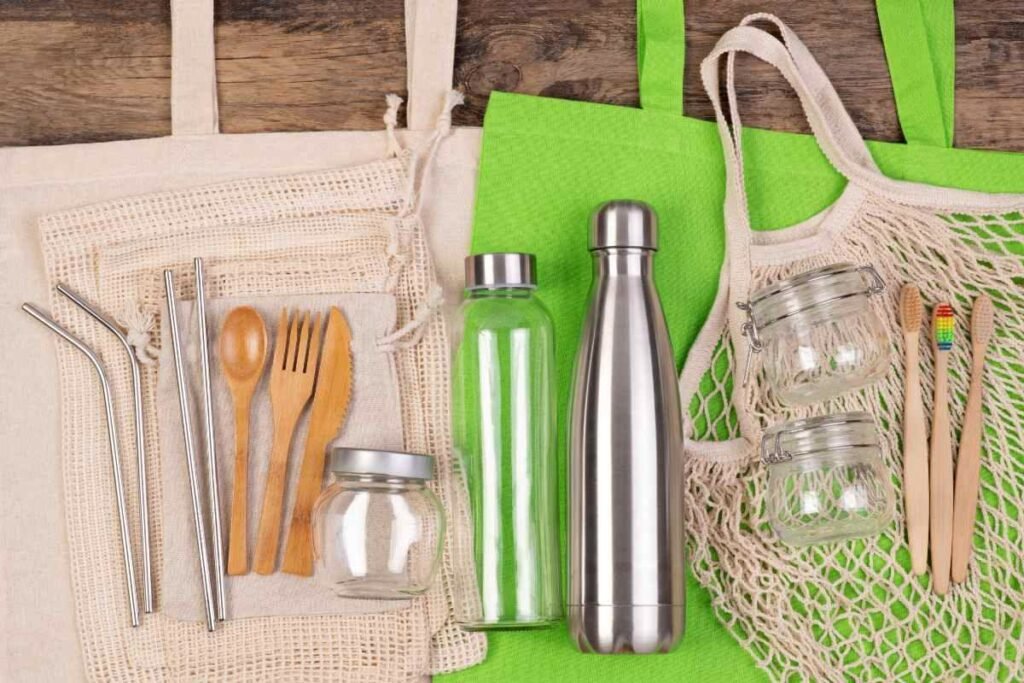
You can do everything right in your own kitchen and still end up with a house full of plastic toys, because grandparents, daycare centers, and well-meaning friends don’t know, or don’t prioritize, what you’re trying to do. This is where a lot of plastic-free parenting quietly falls apart, not because the parent gave up, but because nobody accounted for the other adults involved in the child’s life.
The honest fix here isn’t guilt-tripping relatives. It’s being specific instead of vague. “We’re trying to avoid plastic” is easy to ignore. “For his birthday, wooden blocks or books would mean a lot more to us than a plastic toy right now” gives people something concrete to act on. Most people want to help, they just need direction.
Here’s a quick comparison of where this tends to go wrong versus what actually works.
| Common Mistake | What Tends To Work Better |
|---|---|
| Vague requests to family (“try to avoid plastic”) | Specific requests (“wooden toys, books, or experiences instead”) |
| Buying the pricier plastic-free item first | Testing a cheap version, then upgrading once you know it survives |
| Full-house overhaul in one weekend | One category at a time, finished properly |
| Trusting front-of-package “eco” labels | Checking the material list on the back |
| Assuming daycare will match your choices | Sending your own dishware or cup with clear labeling |
That last row matters more than people expect. Daycares operate at scale, and scale usually means whatever’s cheapest and dishwasher-safe, which is almost always plastic. If it bothers you, sending your child’s own cup or bowl in their bag is a small workaround that avoids an argument you probably won’t win with an entire facility.
5. Assuming A Swap Made Once Is Permanent
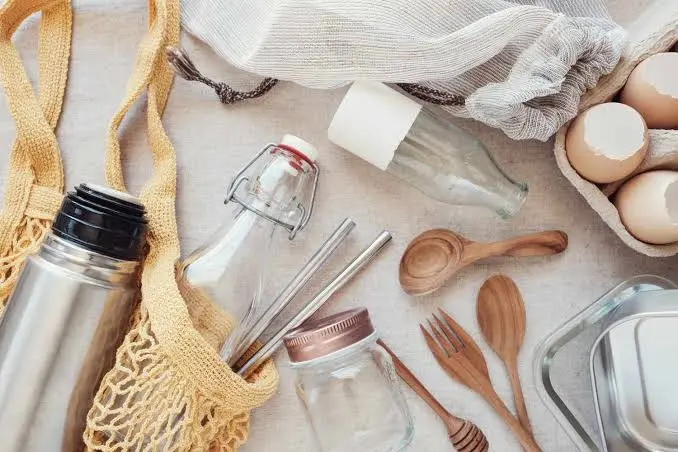
Toddlers grow out of gear fast, sometimes within months, and every regrowth is another decision point where plastic can sneak back in because it’s cheaper and available immediately. The parents who stick with plastic-free choices longest tend to treat it as an ongoing habit rather than a one-time project they finished in March. That mindset shift alone changes more outcomes than any specific product choice does.
If you’re early in this and still working out where to even begin, the starting point guide on this site lays out a sequence that holds up better than trying to figure it out product by product as problems come up.
None of this means the occasional plastic sippy cup at a birthday party is a failure. It isn’t. A toddler who ends up with a plastic toy from an aunt who didn’t get the memo is not evidence that the whole effort was pointless. The goal was never zero plastic in a toddler’s entire existence. It was fewer defaults, made a little more carefully, most of the time. That’s a realistic bar, and it’s the one worth aiming for.
Frequently Asked Questions
Is silicone actually plastic-free, or is that another marketing trick? Food-grade silicone is not plastic in the traditional sense, it’s a different polymer made largely from silica, and it doesn’t break down into microplastics the same way. It’s not “natural” in the way some branding implies, but it’s generally considered a safer, more durable alternative for toddler dishware than PVC or polypropylene plastics.
What’s the first swap I should actually make for a toddler? Start with whatever touches their mouth the most, usually the daily cup or feeding spoon, since that’s the highest-contact item and the easiest to replace without disrupting their whole routine.
Are secondhand plastic toys worse than buying new plastic-free ones? Not necessarily. A secondhand plastic toy that already exists and would otherwise go to landfill often has a smaller overall footprint than a brand-new plastic-free item shipped from far away. The goal is reducing new plastic production and waste, not treating every existing plastic object as automatically bad.
How do I handle a daycare that uses plastic dishware and won’t change? Most centers will let you send your own labeled cup, bowl, or utensils if you ask directly rather than making a general request. It’s a smaller battle than trying to change the whole facility’s supply chain.
Is bamboo tableware actually safe for toddlers to chew on? It depends entirely on the binder used to hold the bamboo fibre together. Some use melamine resin, which isn’t ideal for a teething toddler putting constant pressure and saliva on it. Checking the material listing before buying matters more than the word bamboo on the front of the packaging.
If you’re rebuilding your approach to toddler routines from scratch, the homepage at plasticfreeliving.online has the full set of guides organized by where people usually get stuck first.