Can You Go Plastic Free on a Tight Budget?
A reader once messaged us with a simple complaint: every “plastic free starter kit” she found online cost more than her weekly grocery bill. Stainless steel this, glass jars that, a $40 bamboo toothbrush set that somehow needed replacing every few months. She wasn’t wrong to be annoyed. A lot of plastic free content is written by people who can absorb the upfront cost of switching everything at once, and that’s just not how most households work.
So here’s the actual answer: yes, you can go plastic free on a tight budget, but not by buying your way there. The cheapest path to less plastic is almost always about buying less, not buying different.
1. Start With What You Already Have
The most expensive mistake people make when they get excited about plastic free living is throwing out perfectly usable plastic items to replace them with “eco” versions. That glass jar collection you need? You already own it, it’s just currently full of pasta sauce or pickles. Wash it, peel the label off, and it’s a storage container. Old t-shirts become cleaning rags instead of bought paper towels. A margarine tub is still a container, plastic or not, and using it until it cracks keeps it out of landfill longer than replacing it early ever would.
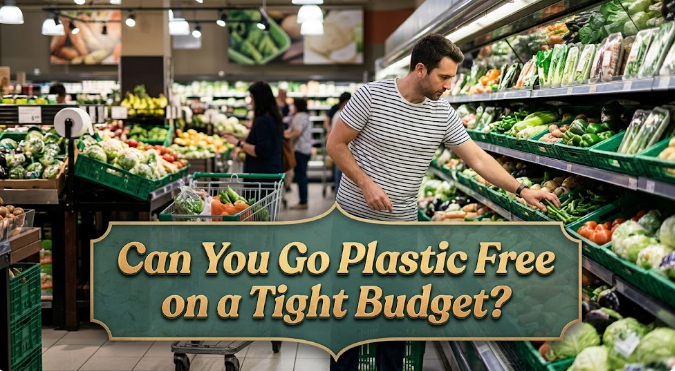
Plastic free living, done cheaply, is less about the materials in your kitchen and more about slowing down how fast things move through your house. If you’ve read our piece on plastic-free living where to start, you’ll know the first swaps aren’t purchases at all. They’re habits: bringing your own bag, saying no to the straw before it lands on your table, buying loose produce instead of the pre-bagged version.
2. Know the Difference Between Zero Waste and Plastic Free
This trips up a lot of beginners, and it matters more on a budget than people realize. Zero waste asks you to eliminate all landfill waste, plastic or not, which can push you toward buying specific bulk-bin systems, compost setups, and sometimes pricier package-free stores. Plastic free is narrower. It only asks you to cut plastic, which means a paper bag of flour or a cardboard box of pasta counts as a win even if it’s not zero waste. That distinction alone can save you money, because it opens up regular supermarket aisles instead of limiting you to specialty stores. We go into this more in plastic free vs zero waste, what beginners confuse most, but the short version is: don’t let zero waste perfectionism talk you into overspending on a plastic free goal.
3. The Swaps Worth Paying For (And the Ones That Aren’t)
Not every swap needs a new purchase, but a few genuinely earn their cost because they replace something you’d keep buying anyway.
| Swap | Worth Buying? | Why |
|---|---|---|
| Reusable water bottle | Yes | Pays for itself within weeks if you currently buy bottled water |
| Bar soap over bottled body wash | Yes | Usually cheaper per wash, no plastic bottle at all |
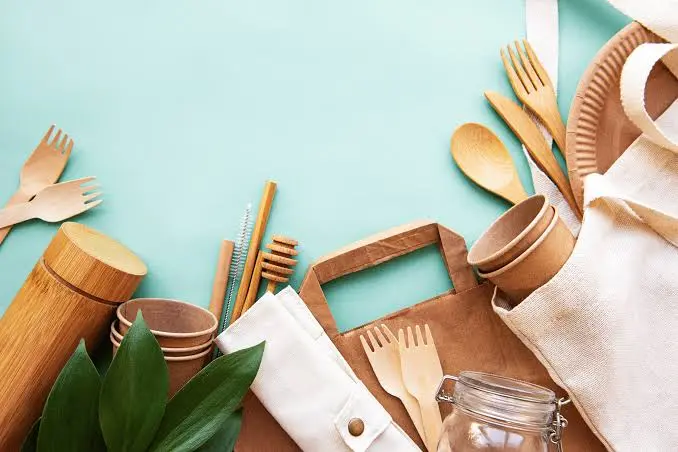
| Bamboo cutlery set for takeout | No | A fork from your kitchen drawer does the same job for free |
| Beeswax wrap | Only if you cook a lot | A plate over a bowl works fine for most households |
| Stainless steel straws | No | Skip the straw, or use one you already have |
| Cloth produce bags | Only if you shop bulk bins regularly | Otherwise a basket or your bare hands at the checkout works |
The pattern here is that a swap is worth the money when it replaces a recurring plastic purchase. It’s not worth the money when it replaces a single-use plastic item you could just decline instead. This is one of the mistakes most beginners make in month one: treating every plastic object as something that needs an eco-friendly replacement, rather than asking whether you need the object at all.
4. Where People Usually Go Wrong
The biggest budget trap in plastic free living isn’t plastic itself, it’s marketing dressed up as sustainability. A basket of “eco” products at triple the price of the regular version, wrapped in earthy colors and kraft paper, isn’t automatically better for your wallet or the planet. Sometimes the plastic free version is genuinely worth it. Often it’s the same convenience purchase with a nicer label. Before buying anything branded as a plastic free solution, ask what it’s actually replacing and whether the thing you already own could do the job first.
Another common one: buying in bulk from expensive specialty stores because it feels more “on brand” for plastic free living, when the regular supermarket sells the same staple in a paper or cardboard package for less. Plastic free doesn’t require a particular kind of store. It requires paying attention to packaging, which you can do anywhere.
5. Cheap, Practical Swaps That Actually Move the Needle
A few genuinely low-cost habits do more for your plastic footprint than most purchased kits:
- Buying loose fruit and vegetables instead of pre-packaged, which is frequently cheaper per kilo anyway
- Making your own cleaning spray from vinegar and water in a bottle you already have
- Choosing the cardboard box of laundry powder over the plastic jug
- Asking your butcher or deli counter to use your own container, which some will do without hesitation
- Buying secondhand for anything durable, from containers to kitchenware, before buying new
None of these require a special trip or a new purchase. If you’re looking for a slightly longer list to work through, our guide to plastic free swaps every beginner should try first breaks these down by room.
6. A Word on “Eco” Materials That Aren’t Actually Cheaper or Better
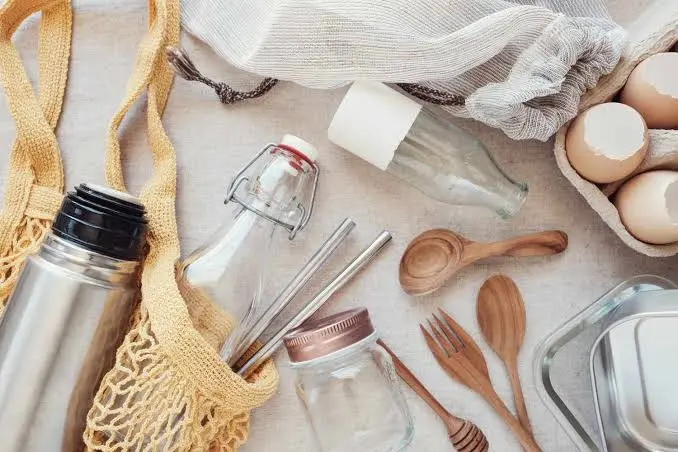
Bamboo gets marketed as the automatic answer to plastic, and sometimes it is a solid choice. But bamboo toothbrushes, bamboo cutlery, and bamboo food containers are often processed with glues and coatings that complicate the “it’s natural” pitch, and they’re rarely cheaper than the plastic version they’re replacing. We’ve written more on this in is bamboo really plastic free, and the short answer is: check what’s actually in the product before assuming the wood-colored version is automatically the responsible, budget-friendly choice.
Frequently Asked Questions
Do I need to replace all my plastic containers right away? No. Replacing usable plastic early creates more waste than it solves. Use what you have until it wears out, then choose glass, metal, or another container if you’re buying a replacement anyway.
Is it cheaper to shop at bulk stores or regular supermarkets for plastic free groceries? It depends on the item. Staples like flour, rice, and pasta are often cheaper in cardboard packaging at a regular supermarket than at a specialty bulk store. Bulk bins tend to win on things like spices, nuts, and small quantities you’d otherwise overpay for in packaged form.
What’s the single cheapest plastic free swap to start with? Bringing your own bags and containers costs nothing and immediately cuts down on plastic bags, produce bags, and takeout containers, which are some of the most common plastic items in a household.
Can plastic free living actually save me money overall? Often, yes, because a lot of it comes down to buying less rather than buying different. Skipping bottled water, making your own cleaning products, and buying loose produce all tend to cost less than their packaged, disposable equivalents.
Are reusable products always more eco-friendly than disposable ones? Not automatically. A reusable item only pays off, environmentally and financially, if you actually use it enough times to offset the resources it took to make. A bamboo item bought and abandoned after a week is worse than a plastic one used until it breaks.
Going plastic free on a budget mostly comes down to patience and a bit of skepticism toward anything marketed as an instant fix. The households that keep it up long-term usually aren’t the ones with the fanciest kit. They’re the ones who slowed down their buying habits and started asking, before every purchase, whether they actually needed a new thing at all. For more on building those habits without overspending, plasticfreeliving.online has a growing set of guides working through exactly this.