Plastic Free Week One: Why It Feels Harder Than Expected By the Plastic Free Living editorial team
Most people quit somewhere between day three and day six, and it’s rarely because they ran out of motivation.
That surprised me the first time I noticed the pattern. You’d expect people to burn out slowly, losing steam over weeks. Instead, week one is where the wheels come off, right when someone is at their most determined. They’ve bought the bamboo toothbrush. They’ve watched the documentaries. And then Tuesday happens: a work lunch with no container in sight, a kid’s birthday party with plastic cups stacked twelve high, a grocery run where every single herb comes wrapped in film. Nobody warned them week one would feel like this.
If that’s where you are right now, a little frustrated and wondering if you’re doing something wrong, you’re not. The first week is genuinely the hardest part of going plastic free, and almost nobody tells you why.
1. Why the First Week Hits Different
Plastic isn’t hiding in one place in your life. It’s threaded through almost every system you interact with daily, packaging, transport, storage, convenience food, cleaning supplies, even the receipt the cashier hands you. When you decide to cut it out, you’re not making one change. You’re making dozens of small changes simultaneously, and your brain hasn’t built the automatic habits yet.
By week three or four, a lot of this becomes muscle memory. You grab your produce bags on the way out the door without thinking. You know which shop sells loose vegetables and which one wraps everything in cling film. But in week one, every single decision requires conscious effort, and conscious effort is exhausting. This is the same reason new diets or new exercise routines feel brutal in the early days. The willpower tank empties fast when nothing is automatic yet.
If you’re just starting out, it helps to read through where to actually start with plastic free living before you try to change everything at once. Trying to fix your whole kitchen, bathroom, and shopping habits in the same seven days is where most of the friction comes from.
2. Where the Friction Actually Shows Up
It’s rarely the big, obvious plastic that trips people up in week one. Most beginners expect the fight to be about grocery bags and water bottles, and those are easy enough to swap early. The real friction hides in smaller, weirder places.
Bathroom products are one. Shampoo bars sound simple until you realize your favorite conditioner doesn’t have a plastic-free equivalent yet, or the one you bought online arrived wrapped in three layers of packaging anyway. Takeout is another. You mean to bring your own container, and then you’re starving after a long day and the container’s sitting on your kitchen counter at home. And then there’s the office. Break rooms are basically plastic minefields, from the coffee pods to the plastic cutlery nobody thinks twice about.
None of this means you’re failing. It means the systems around you weren’t built with plastic free habits in mind, and you’re rebuilding them from scratch while still living your actual life.
3. The Packaging You Didn’t Think About
Here’s where people usually go wrong in week one. They focus on obvious plastic and completely miss the packaging hiding in plain sight. Tea bags, for instance. A lot of major tea brands still seal their bags with a thin layer of polypropylene, which means they don’t fully break down and they’re technically not plastic free at all. Same with some “eco friendly” wet wipes that are marketed as biodegradable but still contain plastic fibers.
Then there’s the stuff labeled compostable that actually needs an industrial composting facility to break down, not your backyard bin. It sits in landfill just like regular plastic would. This one catches almost everyone off guard the first time they learn it, and honestly, it caught me off guard too when I first started paying attention to packaging claims instead of just packaging colors.
If you want a clearer picture of which of these distinctions actually matter, plastic free versus zero waste is a mix-up worth untangling early, because the two goals overlap but they’re not identical, and confusing them in week one leads to some frustrating dead ends.
4. A Realistic Week One Breakdown
This is roughly what the first seven days tend to look like for most beginners, based on the pattern we see again and again.
| Day | What Usually Trips People Up | What Actually Helps |
|---|---|---|
| 1–2 | Motivation is high, execution is clumsy | Pick one room, not the whole house |
| 3 | First unplanned situation (takeout, party, gift) | Keep one backup kit in your bag or car |
| 4 | Fatigue sets in from constant decision-making | Allow one “imperfect” choice without guilt |
| 5 | Realizing hidden plastic in “eco” products | Check labels, not marketing language |
| 6 | Social friction, other people notice and comment | Have a short, casual explanation ready |
| 7 | Either momentum builds or motivation dips hard | Review what worked, drop what didn’t |
Copy this into a notes app if it helps. Most people who make it past day seven with this kind of honest tracking tend to stick with it long term.
5. Common Mistakes People Make in Week One
The biggest one, by far, is trying to replace everything at once. New reusable bags, new containers, new bathroom products, new cleaning supplies, all bought in the same weekend. It’s expensive, it’s overwhelming, and it sets an unrealistic pace that’s hard to sustain past the first flush of enthusiasm.
The second mistake is treating any slip as a failure. You forgot your container and grabbed the plastic one instead. Fine. That’s one decision on one day, not a verdict on the whole project. And honestly, the people who stick with this longest are usually the ones who shrugged off the early slip-ups instead of spiraling over them.
The third, and this one’s sneakier, is not checking what you already own before buying “plastic free” replacements. A lot of beginners toss out perfectly good plastic containers to replace them with glass ones, which actually creates more waste in the short term, not less. Use what you have until it wears out. Then replace it with something better. For a longer list of these early missteps, the most common mistakes beginners make in month one is worth a read once week one settles down.
6. What Actually Helps During the First Week
Start small, and start specific. Rather than declaring “I’m going plastic free,” pick one category, like your kitchen, or your bathroom, and get that mostly sorted before touching the next. This isn’t about moving slowly for the sake of it. It’s about giving each new habit enough repetition to become automatic before you add another one on top.
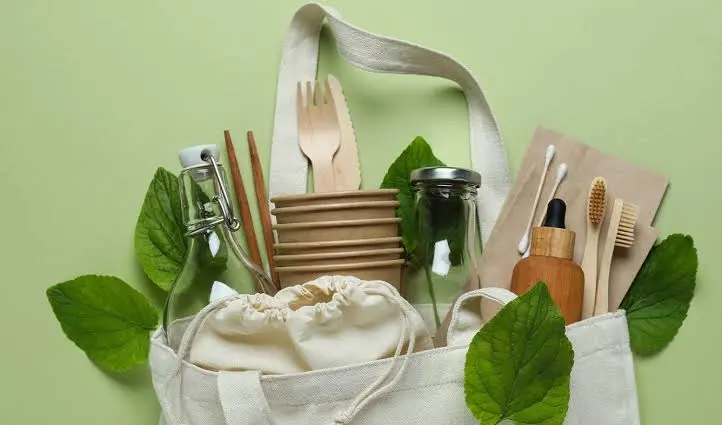
Keep a small kit somewhere accessible, your bag, your car, your desk drawer. A folding container, a set of utensils, a cloth bag. Half the plastic people end up using in week one isn’t because they didn’t care, it’s because they weren’t carrying the alternative when the moment came up.
And be honest about your actual habits instead of your ideal ones. If you know you’ll forget a container nine times out of ten, don’t build a plan around remembering it. Build around a solution that doesn’t rely on memory, like keeping one permanently in your bag so you’re not making the decision fresh every time. A few well-chosen beginner swaps are worth prioritizing first, rather than trying to swap everything simultaneously.
By the time you’re two or three weeks in, a surprising amount of this stops requiring effort. Plastic Free Living exists because that gap between week one and week four is where most people need the most support, and honestly, where most guides gloss over the hardest part.
Frequently Asked Questions
Is it normal to feel overwhelmed in the first week? Yes, and it’s actually the most common feedback we hear. The overload comes from making too many decisions at once rather than from the changes themselves being difficult.
Should I throw away plastic items I already own to replace them with plastic free ones? Generally, no. Use what you already have until it wears out or needs replacing anyway. Throwing away usable items to buy new ones creates waste in the short term, which works against the goal.
What’s the single easiest swap to make in week one? Reusable shopping bags and a water bottle tend to be the easiest because they require the least behavior change. Bathroom and kitchen swaps usually take longer to settle into.
How do I handle plastic free living when other people around me don’t care? Have a short, low-pressure explanation ready rather than a long justification. Something brief and honest usually lands better than an in-depth case for why it matters, especially with people who aren’t asking for one.
Is “compostable” packaging actually plastic free? Not always. A lot of compostable packaging needs an industrial facility to break down properly and won’t decompose the same way in a regular backyard compost bin or landfill. Check the label for specifics rather than assuming the word compostable means plastic free.