Plastic Free Living Picks the Bulk Stores Worth the Drive
There’s a specific kind of disappointment that comes from driving twenty minutes to a “bulk store” and finding four bins of trail mix sitting next to a wall of shrink-wrapped granola bars. It happens more than it should. Somewhere along the way, “bulk” became a marketing word instead of a description, and a lot of shoppers end up wasting gas on a store that isn’t actually built for refilling anything.
This isn’t a list of specific addresses, because what’s worth the drive changes depending on where you live, and a store that’s excellent in one region might be a single sad bin in another. What matters more is knowing exactly what separates a real bulk system from a bulk section, so you can walk into any store, size it up in about ninety seconds, and decide whether it earned your trip.
1. What Actually Makes a Bulk Store Worth Driving For
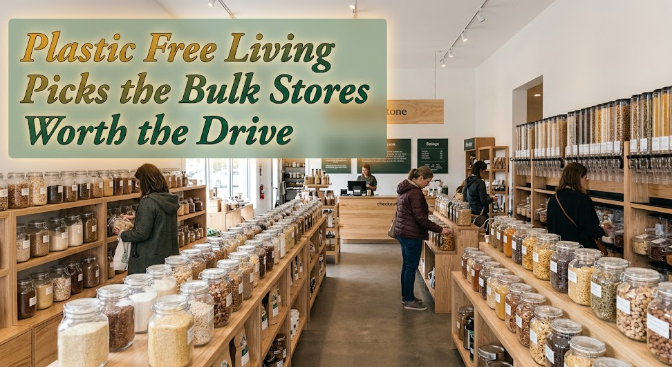
A store is worth the drive when the bulk section is a system, not a display. That means scoopable bins with tare weight already printed or easy to find, a working scale near the exit or at the register, and staff who don’t look confused when you bring your own containers. If you have to ask permission to use your own jar, that’s a sign the store tolerates bulk shopping rather than building around it.
Range matters too, but not in the way people assume. A store with forty bins of dry goods and nothing else isn’t necessarily better than one with fifteen bins that include oils, vinegar, dish soap, and laundry detergent. Liquids are where most stores fall short, and they’re also where the plastic savings add up fastest, since liquid containers are usually heavier and harder to recycle than a bag of rice ever was.
2. The Difference Between a Real Bulk Aisle and a Marketing Gimmick
Here’s where people usually go wrong: they see open bins and assume the store is set up for zero waste shopping. Open bins with pre-packaged scoops, disposable paper liners under every bin, or a “bulk” section that only restocks from big plastic sacks behind the counter isn’t really solving anything. It’s just moving the packaging one step back in the supply chain instead of removing it.
The real test is simple. Ask an employee how the bins get refilled. If the answer involves a reusable dispensing system or large drums that get reused, you’re in a genuine bulk store. If the answer is “we just dump in a new bag,” you’re in a store that photographs well but doesn’t function much differently from the regular aisles.
3. Container Rules Most Stores Don’t Tell You Upfront
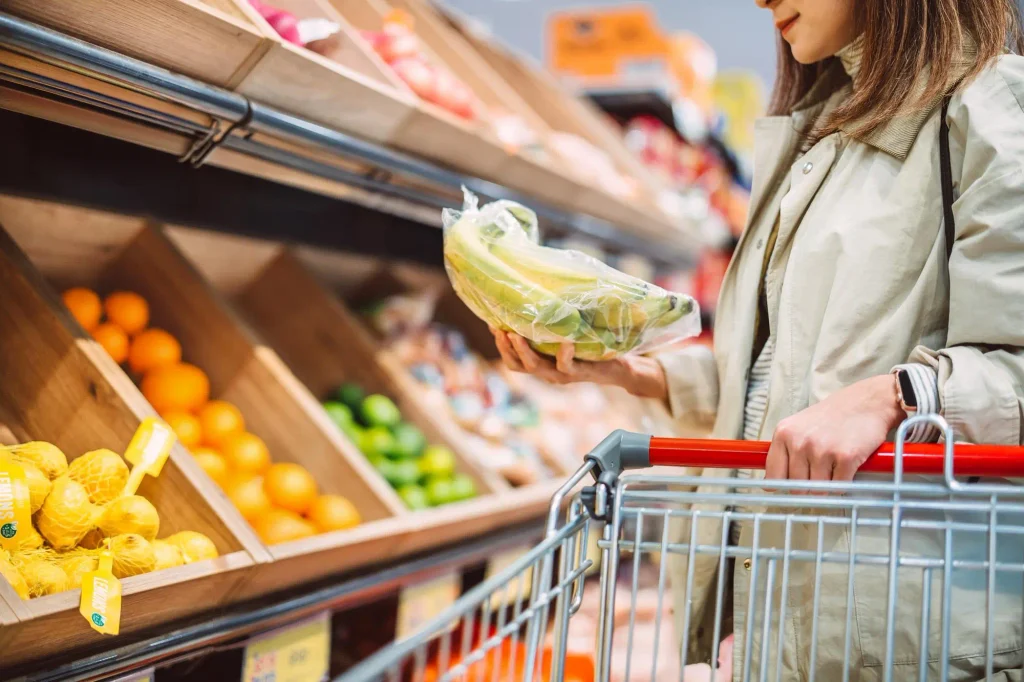
Every store has slightly different rules about bring-your-own containers, and this is the part that trips up first-timers. Some require containers to be weighed and tagged before you shop. Some don’t care at all. A few, mostly larger chains, still won’t let you use your own jars for liquids due to old health code interpretations, even in states where the law has changed.
It’s worth calling ahead once, just to ask two questions: do they tare containers at the front, and do they allow personal containers for oils and liquids specifically. That second question filters out a surprising number of stores that look great online but restrict liquids to their own bottles only.
We’ve noticed that glass containers with wide mouths get weighed faster and cause fewer scale errors than narrow-neck bottles, which matters more than it sounds like when there’s a line behind you. If you’re deciding what to actually bring, our piece on glass versus stainless steel storage goes into which material holds up better for this kind of regular use.
4. Where to Look Beyond the Obvious Health Food Chains
The stores people default to first, the big natural food chains, are often fine but rarely the best option. They tend to have decent dry bulk and weak liquid bulk, and prices run high enough that shopping there regularly isn’t realistic for most households.
Worker-owned co-ops are frequently the strongest bulk shopping in a given region, precisely because the bulk program isn’t a department, it’s closer to the store’s whole identity. Ethnic grocers, especially South Asian, Middle Eastern, and East Asian markets, often have enormous bulk sections for rice, lentils, spices, and dried goods at a fraction of the price, even if they don’t market themselves as “zero waste” at all. And refill-specific shops, the newer stores built entirely around dispensing cleaning products, personal care items, and pantry staples, tend to have the best liquid selection by far, though they’re usually smaller and pricier per item.
A quick-reference comparison, based on general patterns rather than any one store:
| Store Type | Dry Bulk Range | Liquid Bulk Range | Typical Pricing | Container Rules |
|---|---|---|---|---|
| Large natural food chain | Good | Limited | High | Usually flexible |
| Worker-owned co-op | Excellent | Good to excellent | Moderate | Very flexible |
| Ethnic grocer | Excellent for staples | Rare | Low | Case by case, call first |
| Dedicated refill shop | Moderate | Excellent | High | Built for it |
| Big box bulk bin | Fair | Almost none | Low to moderate | Often restrictive |
None of these categories is automatically the winner. A refill shop twenty-five minutes away might genuinely beat a mediocre co-op ten minutes away, and the only way to know is to check the liquid selection and the container policy before making the trip a habit.
5. When the Drive Isn’t Worth It
Not every bulk store deserves a repeat visit, and there’s no shame in deciding a place isn’t for you. If the bulk section is smaller than a single aisle end-cap, if every liquid still comes pre-bottled, or if the staff treat your own containers as an inconvenience rather than a normal request, that’s useful information, not a failure on your part. Plastic free living, the actual daily practice of it, works better when you stop trying to make an inconvenient store work and just find a different one.
And if bulk shopping in general still feels overwhelming this early on, it’s worth backing up first. Our guide to the first swaps worth trying covers easier starting points before you build a whole shopping routine around bulk bins. Budget is the other common sticking point, and it’s a fair one. Bulk isn’t automatically cheaper, especially at the chains that market it hardest. We’ve broken that down separately in going plastic free on a tight budget, which is a more honest starting point than assuming bulk always saves money.
There’s also a storage side to this that people underestimate until their first big haul of bulk oats goes stale in a paper bag. Whatever you bring home needs somewhere to actually live, and that’s covered in our piece on storage containers that hold up over years, not just weeks.
Some weeks the good bulk store is worth the drive. Some weeks it’s genuinely easier to buy the pasta in a box and not think about it. Both of those can be true in the same month without undoing the progress you’re making.
Frequently Asked Questions
Do bulk stores actually save money, or is that a myth? It depends heavily on the item and the store. Staples like rice, oats, and dried beans are usually cheaper in bulk, sometimes significantly. Specialty items, spices, and anything at a boutique refill shop can cost more per ounce than the packaged version, so it’s worth price-checking a handful of your regular purchases before assuming bulk wins across the board.
Is it sanitary to use containers other shoppers might have touched? Reputable bulk stores tare and weigh your container before you fill it, and the bins themselves are handled with scoops, not hands. The hygiene concerns that circulated a few years ago were mostly overstated, and most health departments that reviewed the practice found no meaningful increase in risk compared to standard grocery shopping.
What if the store doesn’t have a scale for customers to use? Ask at the register. Many stores keep the scale behind the counter and simply don’t advertise it, especially smaller shops where customer-facing scales create liability questions. If there’s genuinely no way to weigh your own container anywhere in the store, that’s a sign the bulk section is more decorative than functional.
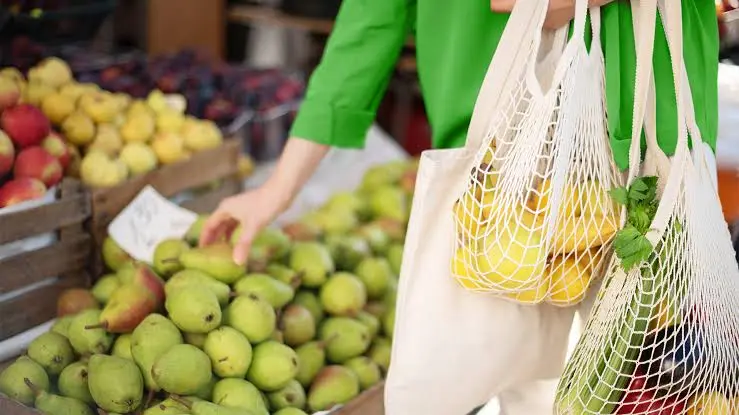
Can I bring my own bags instead of jars for dry goods? Yes, in most stores. Lightweight cotton or mesh produce bags work fine for dry bulk and are easier to carry than a bag full of jars. Just be aware some stores want fabric bags weighed empty ahead of time the same way they’d tare a jar.
How do I know if a “zero waste” store is legitimate or just using the label? Look past the signage and check three things: whether liquids are actually available in bulk, whether the container policy is genuinely flexible, and whether staff can explain how the bins get restocked. A store that passes all three is doing the real work. One that only passes the first is mostly doing marketing.
If you find a bulk store worth the drive in your own area, it’s usually worth telling your local Plastic Free Living community about it, since these places tend to survive on word of mouth more than advertising.