Rayon and Bamboo Fabric: Are They Really Plastic Free?
There’s a specific moment that trips up almost everyone trying to cut plastic out of their closet. You pick up a soft t-shirt labeled “bamboo,” feel genuinely good about it, then flip it over and see “rayon” or “viscose” listed as the actual fiber content. That’s where the confusion starts, and it’s the single most common mix-up in this corner of plastic-free living: not understanding that “bamboo fabric” is, almost always, a marketing name for something else entirely.
So here’s the actual answer, without the vague reassurance you’ll find on most product pages: rayon and bamboo-derived rayon are not plastic in the petroleum sense, but they’re not the clean, simple, plant-to-shirt story the packaging implies either. There’s a lot sitting in between.
1. What “Bamboo Fabric” Actually Is
Bamboo the plant is genuinely fast-growing, low-pesticide, and about as sustainable a crop as textile fibers get. But bamboo the fabric, the soft stuff on hanger tags at every big box store, is almost never made the way people picture it. You can’t just mechanically process bamboo stalks into a wearable, soft textile the way you can with, say, linen from flax. The fiber is too stiff and short.
To get that silky drape, manufacturers dissolve bamboo pulp using chemicals, most commonly carbon disulfide and sodium hydroxide, then push the resulting solution through spinnerets to form new fibers. This is the viscose process, and it’s the same process used to make rayon from wood pulp, cotton linter, or bamboo. Chemically speaking, once that process is done, bamboo-derived rayon and wood-derived rayon are nearly identical. The bamboo origin barely matters by the time it reaches your skin.
This matters for labeling too. The U.S. Federal Trade Commission has fined multiple retailers over the years for marketing viscose as “bamboo,” specifically because the finished fiber contains none of bamboo’s original structure. If you want to check a label yourself, look for the actual fiber content tag. If it says rayon, viscose, or lyocell rather than bamboo, that’s the honest version.
2. Is Rayon Actually Plastic?
Short answer: no, not in the way polyester or nylon are plastic.
Plastic fibers like polyester and acrylic are made from petroleum, essentially spun-out fossil fuel. Rayon, viscose, modal, and lyocell start from cellulose, a naturally occurring plant polymer found in wood pulp and bamboo. The fiber is regenerated cellulose, not synthetic polymer. That distinction is the reason rayon biodegrades in soil and compost over a matter of months, while polyester can sit in landfill for centuries.
Where people get tripped up is assuming “chemically processed” automatically means “plastic.” It doesn’t. Chemical processing and plastic origin are two separate questions, and conflating them is probably the most common misconception I run into on this topic. A fabric can be heavily processed and still be plant-based at its core.
That said, “not plastic” isn’t the same as “no environmental cost.” The viscose process is genuinely chemical-intensive, and in facilities without proper closed-loop recovery systems, carbon disulfide and other byproducts can be released into waterways and air. This has been a documented issue in parts of the viscose supply chain, particularly in regions with weaker environmental enforcement. So the honest framing is: rayon isn’t plastic, but conventional viscose production isn’t automatically clean either.
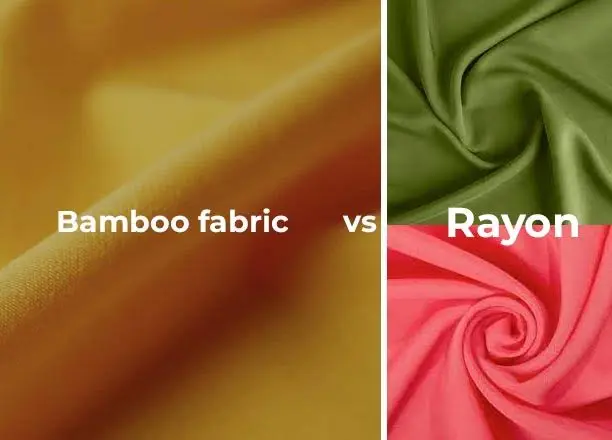
3. Lyocell, Modal, and Rayon Are Not the Same Thing
This is where a lot of “bamboo” shopping goes sideways. People treat every semi-synthetic cellulose fabric as interchangeable, when the production process behind each one is meaningfully different.
| Fiber | Source Material | Process Type | Chemical Recovery | Typical Feel |
|---|---|---|---|---|
| Viscose Rayon | Wood pulp, bamboo, cotton linter | Open-loop chemical dissolving | Low to moderate | Soft, drapey, less durable wet |
| Modal | Beech tree pulp (usually) | Modified viscose process | Moderate | Soft, more durable than rayon |
| Lyocell (e.g. Tencel) | Eucalyptus, sometimes bamboo | Closed-loop solvent process | High, over 99 percent solvent recovery | Soft, strong, breathable |
| Bamboo Linen | Bamboo stalk, mechanically processed | Mechanical, no chemical dissolving | Not applicable | Coarser, more textured, rare to find |
Lyocell is the one worth actually seeking out if bamboo softness is what you’re after. The closed-loop process recovers and reuses the solvent at a rate that’s dramatically better for water systems than standard viscose. Brands using genuine bamboo lyocell will usually say so explicitly, because it costs more to produce and they want credit for it.
Bamboo linen, the truly mechanically processed version, exists but it’s rare and it doesn’t feel like the soft “bamboo” shirts most people are picturing. It’s stiffer, closer to actual linen in hand-feel, and it’s the version that most closely matches what people assume they’re buying when they see “bamboo” on a tag.
4. Where People Usually Go Wrong
The mistake I see constantly, on forums, in comment sections, in my own inbox, is treating “bamboo fabric” as a single reliable category when it’s actually a spectrum ranging from reasonably responsible to genuinely polluting, depending entirely on which process was used and how well the factory managed its chemical recovery.
A related mistake is assuming rayon and viscose are interchangeable with plastic-based synthetics just because the word “chemical” shows up somewhere in the process description. It’s a natural fiber assumption gone the other way. And a third one, smaller but common, is people buying a “bamboo” blend that’s actually mostly spandex or polyester by weight, because a small percentage of stretch fiber got added and the bamboo content became the marketing headline. Always check the full fiber breakdown on the tag, not just the word that’s easiest to sell.
If you’re building out a plastic-free wardrobe from scratch, it helps to work through the basics before chasing specific fiber types. Our guide on plastic-free swaps every beginner should try first covers the order most people find easiest, and it’s a good starting point before you get into fiber-level decisions like this one.
5. What Actually Counts as a Better Choice Here
If plastic-free is your main filter, here’s the honest hierarchy, from strongest to weakest:
- Organic linen or hemp, mechanically processed, minimal chemical input
- Bamboo lyocell or Tencel, closed-loop solvent recovery
- Modal from a certified responsible source
- Standard viscose rayon, including most “bamboo” branded soft fabrics
- Rayon or viscose blended with elastane, spandex, or polyester
That last category deserves its own callout. Once a fabric is blended with a true synthetic, even at 5 or 10 percent, you’ve reintroduced actual plastic into the garment, and it will shed microplastic fibers in the wash just like a polyester shirt would, just less of them. If avoiding plastic fully is the goal, a 95 percent viscose, 5 percent spandex legging is not a plastic-free product. It’s a mostly-plastic-free product, which is a different thing entirely and worth being precise about.
We’ve gone deeper into this exact distinction in is bamboo really plastic free, if you want the fuller breakdown on blended fabrics specifically. And if silicone products have you asking similar questions about what “natural” actually means on a label, is silicone really plastic free or clever marketing walks through a comparable labeling problem in a completely different product category.
6. Reading a Label Without Getting Fooled
A few practical habits make this easier going forward. Check the actual fiber content percentage, not the marketing name at the top of the listing. Look for lyocell or Tencel specifically if softness and lower chemical impact both matter to you. Treat any blend containing spandex, elastane, or polyester as partially synthetic regardless of what the dominant fiber is. And if a brand can’t tell you which process was used to make their “bamboo” fabric, that’s usually because they don’t know either, which tells you something on its own.
None of this means rayon or bamboo-derived fabric is something to avoid entirely. It biodegrades, it isn’t fossil fuel based, and a well-made lyocell piece can outlast a lot of synthetic alternatives. It just isn’t the simple, guilt-free plant fabric the word “bamboo” makes it sound like on a hang tag, and pretending otherwise doesn’t help anyone shopping in good faith.
If you’re still early in figuring out which swaps are worth the effort and which ones are mostly noise, it’s worth reading through plastic free living mistakes most beginners make in month one. Fabric sourcing is one of those areas where people either overcorrect immediately or ignore it completely, and neither extreme tends to stick.
Frequently Asked Questions
Is bamboo fabric better than cotton for the environment? The bamboo plant itself grows faster and needs fewer pesticides than conventional cotton, but once it’s processed into rayon, the manufacturing footprint can offset a lot of that advantage. Organic cotton, mechanically processed, often ends up comparable or better depending on the specific supply chain.
Does rayon shed microplastics in the wash? Pure rayon or viscose sheds cellulose fibers, not microplastic, and those fibers biodegrade in wastewater systems over time. The problem shows up specifically in blends containing spandex, polyester, or elastane, where actual plastic microfibers are present alongside the cellulose ones.
Why does “bamboo” fabric feel so soft if it’s chemically processed? The chemical dissolving process breaks the bamboo pulp down to a molecular level and reforms it into a completely new fiber structure, which is what produces that silky, drapey texture. It’s the same reason rayon from wood pulp feels similarly soft, the original plant structure isn’t really present anymore.
Is Tencel the same thing as bamboo fabric? Not exactly. Tencel is a branded name for lyocell, which is most commonly made from eucalyptus, though bamboo lyocell does exist and uses the same closed-loop process. The key difference from standard bamboo rayon is the chemical recovery rate, which is much higher with lyocell.
Can I compost a rayon or bamboo rayon garment? Yes, assuming it’s undyed or naturally dyed with no synthetic blend content. Rayon is cellulose based and breaks down in home or industrial composting conditions, though most garments include dyes, finishes, or small synthetic blend percentages that complicate this in practice. Check the fiber tag closely before assuming a full garment is compostable.
If you want to keep building out a genuinely plastic-free wardrobe from here, plasticfreeliving.online has a growing archive of fiber breakdowns and swap guides worth working through room by room, starting with whichever category of your closet feels the most synthetic-heavy right now.