
Plastic Free Shopping Costs More Some Weeks, Less Overall
I started tracking my grocery receipts about four months into going plastic free, mostly out of curiosity and a little bit of defensiveness. A friend had joked that I was “paying extra to feel good about garbage,” and I wanted to know if she was right. Some weeks she absolutely was. The bulk bin almonds cost more per pound than the bagged ones on the shelf next to them, the refill store charged a premium for the convenience of not driving to three different stores, and a stainless steel lunch container ate a chunk of that week’s budget in one go.
Then I looked at six months of receipts side by side, not week by week, and the story flipped.
1. Why the Weekly Total Looks Worse First
Plastic free shopping front-loads its costs. A glass jar, a set of beeswax wraps, a decent water bottle, these are one-time purchases that show up as a spike on a single receipt. Packaged, disposable versions of the same items spread their cost out in tiny increments you barely notice, a few cents here for a roll of cling film, a dollar there for a pack of sandwich bags. Your brain remembers the spike and forgets the drip.
This is the part people usually get wrong when they’re two or three weeks into the switch. They compare last Tuesday’s grocery bill to the Tuesday before, see it’s higher, and conclude the whole thing isn’t worth it. But a single week is a terrible unit of measurement for anything you’re buying once and using for a year.
There’s also a real cost difference in some bulk goods that doesn’t disappear no matter how you average it. Small-batch or specialty bulk items, particularly nuts, oils, and anything imported, often do cost more per unit than their mass-produced, heavily packaged competitors. That’s not a myth and I’m not going to pretend otherwise. Where the math changes is in the categories where reusable options replace something you’d otherwise rebuy constantly.
2. Where the Real Savings Show Up
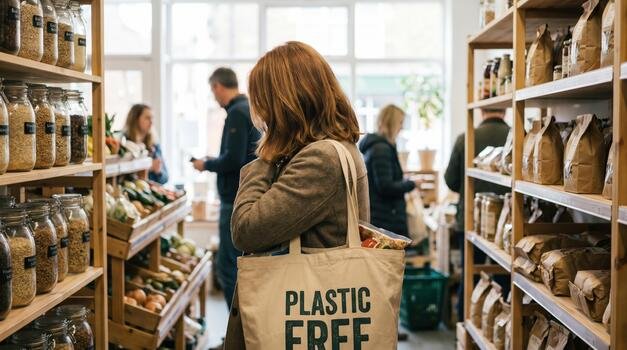
The savings rarely show up in the produce aisle. They show up in the categories you stop buying altogether.
Paper towels, cling film, sandwich bags, disposable razors, single-use coffee pods, bottled water. These are recurring purchases with no natural endpoint. You buy them, you use them up, you buy them again, forever. Swap even three or four of these for durable alternatives and you remove a permanent line item from your monthly spending rather than just changing what fills it.
Here’s a rough breakdown based on what I’ve tracked in my own household and compared against typical retail pricing:
| Category | Disposable Option (annual cost) | Reusable Option (upfront + annual cost) | Break-even point |
|---|---|---|---|
| Paper towels | ~$130/year | $25 for a set of cloths | Under 3 months |
| Bottled water | ~$300/year (case habit) | $30 bottle, filtered tap | Under 1 month |
| Sandwich bags | ~$40/year | $18 beeswax wraps | 5-6 months |
| Coffee pods | ~$450/year | $60 reusable filter setup | Under 2 months |
| Cling film | ~$35/year | $15 silicone lids | 5 months |
These numbers move depending on where you live and how much you were already using, so treat this as a shape of the pattern rather than a promise. The general trend holds though. Anything you were buying weekly or monthly tends to pay for its reusable replacement fast. Anything you were buying occasionally, or where the plastic-free version is simply a pricier ingredient rather than a durable swap, tends to stay more expensive indefinitely.
If you’re just starting out, this is close to the order I’d actually recommend tackling things in, and it lines up with what’s covered in more depth over on plastic free swaps every beginner should try first.
3. The Mistake That Makes This Look More Expensive Than It Is
The most common mistake, and I made this one myself in month one, is switching everything at once. Buying a full set of glass storage containers, a stack of beeswax wraps, stainless steel everything, and a whole new cleaning cabinet in the same week creates a number that looks alarming on a bank statement. It’s not that the individual choices are bad. It’s that stacking every upfront cost into a single pay period makes the transition look financially reckless when spread over a year it usually isn’t.
A second, quieter mistake is buying reusable items before you know whether you’ll actually use them. I own a set of produce bags that sat in a drawer for four months because I kept forgetting to bring them, and a “zero waste starter kit” that included two items I never touched. Money spent on the right swap saves you money. Money spent on the trendy swap just sits there depreciating.
And a smaller thing worth saying plainly: buying quality once is almost always cheaper than buying cheap twice. A container that cracks after eight months isn’t a bargain even if it cost half as much, you’re just paying twice with extra frustration mixed in. This is something worth thinking through before a big switch, and it’s part of why the comparison in glass vs stainless steel storage tends to come up so often in questions I get.
4. A Simple Way to Track It Without Obsessing Over Every Receipt
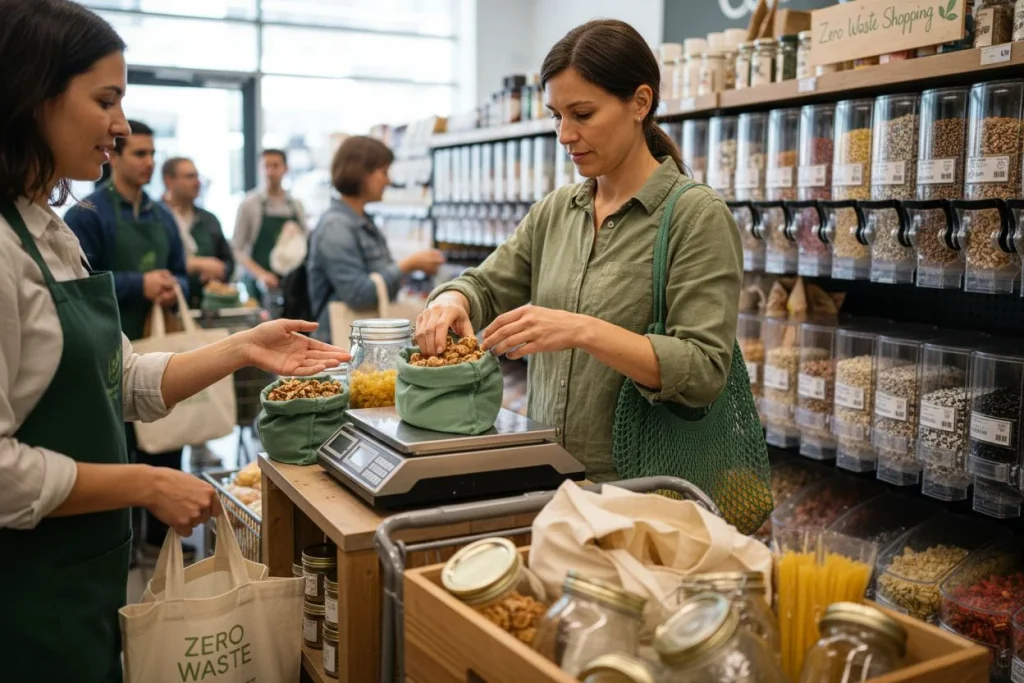
You don’t need a spreadsheet with twelve tabs to see whether this is working for your household. What actually helped me was picking one category a month and just watching it. In January it was cleaning products. In February, coffee. By comparing three months of spending in a single category before and after the swap, the pattern becomes obvious without needing to track everything at once.
A few things worth checking in on every few months:
- Are you rebuying anything you thought was a one-time purchase? If so, it might be the wrong product, not the wrong idea.
- Has your trash volume actually dropped, or just shifted to recycling? Recycling isn’t free either, and a lot of what goes in that bin still isn’t processed the way people assume.
- Are there one or two disposable items you haven’t swapped yet that you buy constantly? Those are usually the highest-leverage next move.
This slower, category-by-category approach is roughly what’s outlined in plastic free for a month, what happens to your trash, and it’s a far more honest way to judge cost than staring at one week’s total and panicking.
If money is genuinely tight, it’s also worth saying that going plastic free doesn’t require buying anything new at all in the first month. Using up what you already own, repurposing jars, and simply skipping the disposable aisle rather than replacing it with a shiny alternative gets you most of the way there for free. There’s more on that specific approach in can you go plastic free on a tight budget, which is worth a read before you buy a single glass jar.
Some weeks this lifestyle will cost more than the version where you just grab whatever’s on the shelf. That’s real, and I’d rather say it plainly than pretend every swap is secretly a bargain. But measured over a year rather than a receipt, plasticfreeliving.online’s own tracking and most households I’ve talked to land in the same place: the recurring purchases you eliminate outweigh the occasional premium you pay for the ones you keep.
FAQs
Is plastic-free grocery shopping actually cheaper in the long run?
For the categories involving recurring disposables, yes, usually within a few months. For specialty bulk ingredients or imported goods, not necessarily, and it’s fine to keep buying those in whatever packaging is cheapest if the alternative doesn’t pencil out.
Why do bulk bin items sometimes cost more per pound than the bagged version?
Smaller suppliers, less packaging automation, and lower volume all push up the per-unit price on bulk goods. It’s a real cost difference, not a pricing trick, and it doesn’t disappear just because there’s less plastic involved.
Do I need to switch everything at once to see savings?
No, and doing so is one of the more common ways people burn out or overspend early. Pick the one or two disposables you buy most often and start there.
Are reusable containers worth it if I eat out a lot?
Usually less so than for someone who cooks at home most nights. If you’re mostly buying takeout, your bigger opportunity is probably in what you buy for the kitchen you do use, not container swaps for meals you’re not making.
What’s the fastest way to tell if it’s actually saving me money?
Pick a single recurring category, track it for three months before your swap and three months after, and compare. A full household audit is unnecessary and usually gets abandoned within a week.
The guide on tight-budget plastic-free living is a good next stop if the upfront costs mentioned here are the main thing holding you back.