Is Silicone Really Plastic Free, or Clever Marketing?
Every time we open a “plastic-free” subscription box, there’s a silicone lid in there somewhere. Or a set of silicone baking cups. Or a collapsible silicone travel cup, sitting right next to the bamboo cutlery and the stainless steel straws like it belongs in the same family. It doesn’t, not exactly, and the more of these boxes we opened over the years, the more that mismatch started to bother us.
So we looked into it properly. Not the marketing copy version. The actual chemistry, the actual end-of-life reality, and the actual reasons silicone keeps getting sold under a banner it only half earns.
1. What Silicone Actually Is
Silicone is made by reacting silica, which is refined from sand, with carbon-based compounds, usually derived from petroleum or natural gas. That last part is the one marketing pages tend to skip past. Silicone is a synthetic polymer. It is not plastic in the strict technical sense, since plastics are typically defined by carbon-carbon backbones and silicone’s backbone is silicon-oxygen, but it comes from the same industrial family tree as the plastics it’s often positioned against.
This matters because “plastic-free” as a phrase implies something closer to natural or non-synthetic. Silicone is neither. It’s manufactured, it’s synthetic, and depending on the grade, it can contain fillers and additives that aren’t disclosed on the packaging. We’ve written before about this exact confusion with bamboo products that aren’t really what they claim to be, and silicone follows a similar pattern. The material sounds wholesome. The manufacturing process tells a different story.
2. Why It Gets Marketed as Plastic Free
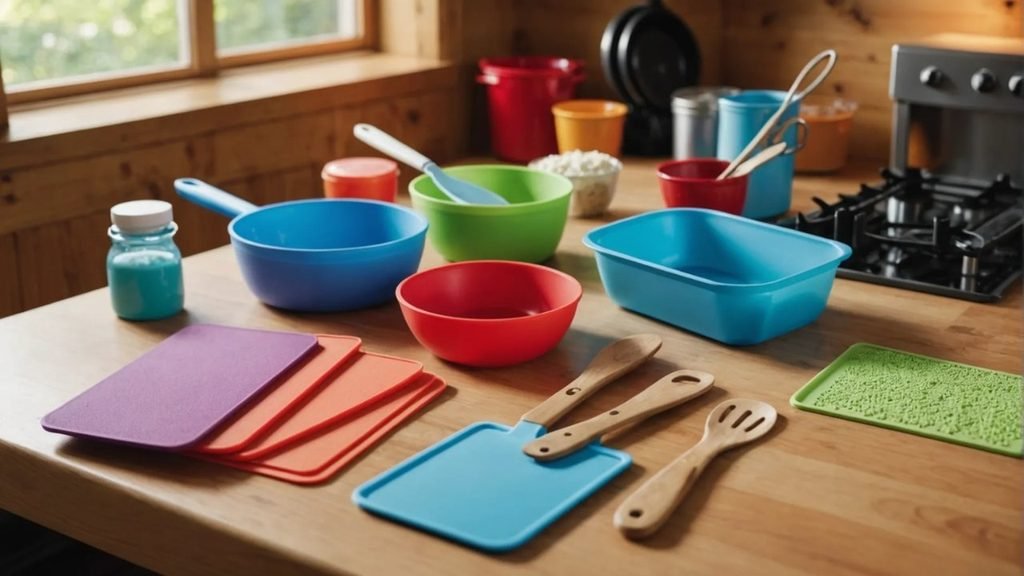
The marketing isn’t entirely dishonest, which is part of why it works so well. Silicone genuinely behaves differently from conventional plastics like PET or polypropylene. It doesn’t leach the same way under heat. It doesn’t break down into visible microplastic flakes the way a cheap plastic container does after a few months in the dishwasher. It can handle an oven at 220°C without warping.
So brands lean into that contrast. They’re not technically lying when they say silicone doesn’t behave like plastic in your kitchen. But “doesn’t behave like plastic” and “plastic free” are two different claims, and the second one gets used far more loosely than the evidence supports. If you’re still working out the difference between genuinely reducing your plastic footprint and just swapping labels, our guide on where beginners confuse plastic-free with zero waste covers a lot of the same ground.
3. Where the Marketing Breaks Down
Here’s where people usually go wrong, and we made this exact mistake ourselves early on. Food-grade silicone, the kind used in baking mats and storage lids, is genuinely stable and doesn’t off-gas or leach under normal kitchen use. But “100% silicone” printed on a label doesn’t guarantee food-grade quality. Cheaper products blend in fillers to cut cost, and those fillers can include actual plastic resins. There’s no easy way to tell from the outside. A simple pinch test, twisting the material and watching whether it turns white at the fold, is one of the only home checks that actually works, and even that isn’t foolproof.
And the end-of-life problem is bigger than most people realize. Silicone does not biodegrade. It doesn’t decompose in a landfill on any human timescale, and it can’t go in your curbside recycling bin. A small number of specialty recyclers accept it, mostly in Europe, but for the vast majority of households, a silicone product that reaches the end of its life goes into general waste and sits there. Practically forever. That’s a very different outcome from what “plastic free” suggests to most shoppers.
We keep seeing this same gap between a product’s marketing and its actual disposal reality across the plastic-free space generally, which is part of why we built out our piece on the swaps that are actually worth trying first instead of just chasing whatever label sounds greenest that week.
4. Silicone vs Other “Plastic Free” Materials
Seeing the comparison laid out side by side makes the gap clearer than any paragraph can.
| Material | Made From | Biodegradable | Curbside Recyclable | Microplastic Risk | Heat Resistant |
|---|---|---|---|---|---|
| Silicone | Silica + synthetic compounds | No | Rarely | Low | Very high |
| Conventional plastic (PP/PET) | Petroleum | No | Sometimes | High | Low to moderate |
| Glass | Sand (natural) | No, but inert | Yes | None | High |
| Stainless steel | Iron ore + alloys | No, but inert | Yes | None | High |
| Bamboo (untreated) | Plant fiber | Yes | No | None | Moderate |
Glass and stainless steel don’t biodegrade either, technically, but they’re chemically inert and infinitely recyclable, which puts them in a genuinely different category from silicone. Silicone sits in an odd middle ground. Better than conventional plastic in daily use, worse than true plastic-free materials at end of life. Neither camp fully claims it, and neither camp is wrong.
5. When Silicone Still Makes Sense
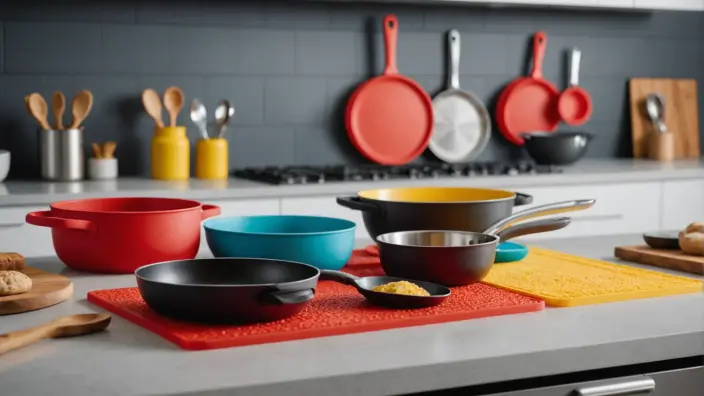
None of this means silicone belongs in the bin of things to avoid entirely. It’s genuinely one of the better swaps for specific jobs. A silicone baking mat replacing a roll of parchment paper saves real waste over years of use, since parchment is usually single-use and often lined with a thin plastic or silicone coating anyway. A good silicone lid replacing cling film does the same thing. The trick is choosing it for durability and reuse, not because the word “silicone” feels virtuous on its own.
Where we’d steer people away is single-use or near-single-use silicone items. A silicone straw you’ll lose within two months isn’t accomplishing much, and a silicone phone case marketed as eco-friendly is mostly marketing, full stop. If a product is going to be used for years, silicone earns its place. If it’s going to be replaced within a season, you’re better off with something that either biodegrades or recycles cleanly, and we go into that trade-off in more detail in our breakdown of why plastic packaging ends up on nearly everything, because the underlying logic is the same one companies use to justify silicone.
We’d rather see one good silicone lid used for a decade than five “eco” silicone gadgets tossed within a year. That’s really the whole test, and it’s less exciting than a label that just says plastic free.
FAQs
Is silicone actually better for the environment than plastic? In terms of daily use and durability, generally yes. It lasts longer, doesn’t leach as readily, and holds up under heat far better than most conventional plastics. At end of life, it’s not better in any meaningful way, since it doesn’t biodegrade and rarely gets recycled.
Can silicone be recycled at home? No. Standard curbside recycling programs don’t accept silicone because it requires a different processing method than plastic or glass. A small number of mail-in or drop-off specialty recyclers exist, and it’s worth checking whether one operates near you before assuming it’s just trash.
How do I know if my silicone product is food-grade? Look for a certification or a stated food-grade rating on the packaging, not just the word “silicone.” The pinch test, where you twist the material at a fold and check whether white streaks appear, can flag cheap fillers, though it isn’t a complete substitute for proper certification.
Is silicone safe to use at high oven temperatures? Food-grade silicone typically handles temperatures up to around 220 to 230°C safely, which covers most home baking. Always check the manufacturer’s stated limit rather than assuming, since quality varies between brands.
Why do so many “plastic-free” boxes include silicone products? Because silicone photographs well, feels premium, and genuinely does outperform plastic in day-to-day kitchen use. It’s a legitimate upgrade in many cases. It’s just not the same thing as plastic free, and most subscription boxes aren’t in a hurry to clarify that distinction.
We’ll keep pulling threads like this apart as we come across them. If something in your kitchen is marketed as an easy eco swap, it’s usually worth five minutes of digging before you trust the label completely.