When I started trying to live without plastic back in 2013, the first thing I did was buy a stainless steel lunchbox, a set of beeswax wraps, three different tote bags and a bamboo cutlery set I never once used. I thought the goal was to replace everything I owned with a “better” version of itself. It took me a good six months of clutter, guilt and unused drawer contents to realize I’d gotten the order backwards. You don’t start by buying your way into a plastic free life. You start by paying attention to what you’re already throwing away, and then you fix that, one habit at a time.
That mistake is so common I see some version of it in nearly every person who messages me asking where to begin. So let’s start there instead, with the part nobody puts on the pretty Instagram graphics.
1. Audit Your Bin Before You Buy Anything
For one week, don’t change a single thing about how you live. Just look. Before you throw something in the bin or the recycling, put it on the counter instead. At the end of the week you’ll have a small, slightly embarrassing pile, and that pile is more useful than any starter kit you could purchase.
Most people find the same culprits show up again and again: produce bags, yoghurt tubs, the plastic film on bread, sauce sachets, the wrapper inside a wrapper on things like muesli bars. These are your actual targets. Not some abstract idea of “plastic,” but the five or six specific items you personally throw away every single week.
This is the step people skip, and it’s the one that actually works. Once you know what you’re dealing with, the next choices make themselves.
2. Fix the Five Places Plastic Hides in Ordinary Life
Plastic doesn’t sit in one obvious spot. It hides in places you’ve stopped noticing because you see them every day.
The kitchen is usually the biggest offender, mostly through packaged food and cling film. The bathroom runs a close second, between shampoo bottles, disposable razors and cotton buds. The laundry hides synthetic fibres shedding into waterways every wash, which almost nobody thinks about until they hear it explained once and can’t unhear it. The letterbox brings plastic mailers and window envelopes you didn’t ask for. And kids’ stuff, if you have children, is its own category entirely, toys, packed lunches, party bags, the lot.
Here’s a rough map of where to look and what tends to work as a first swap:
| Area of the home | Common plastic culprit | Realistic first swap | Difficulty to start |
|---|---|---|---|
| Kitchen | Cling film, produce bags | Reusable beeswax or silicone wraps, mesh produce bags | Easy |
| Bathroom | Bottled shampoo/conditioner | Bar shampoo or refill stations | Easy |
| Laundry | Synthetic fibre shedding | A microfibre filter bag or laundry ball | Moderate |
| Mail/deliveries | Plastic satchels, bubble wrap | Opt into “no plastic packaging” where sellers offer it | Moderate |
| Kids | Party bags, packaged snacks | Bulk snack containers, secondhand party favours | Moderate to hard |
You don’t need to fix every row this month. Pick the one causing you the most bin volume and start there. I still haven’t fully solved the laundry fibre problem in my own house, and I’ve been doing this work for over a decade, so don’t let a messy category stop you from acting on an easy one.
If you want a longer breakdown room by room, the Plastic Free Home section here goes deeper into each of these.
3. Where Almost Everyone Goes Wrong at the Start
The single biggest mistake isn’t buying the wrong product. It’s treating this as an all-or-nothing switch that has to happen overnight.
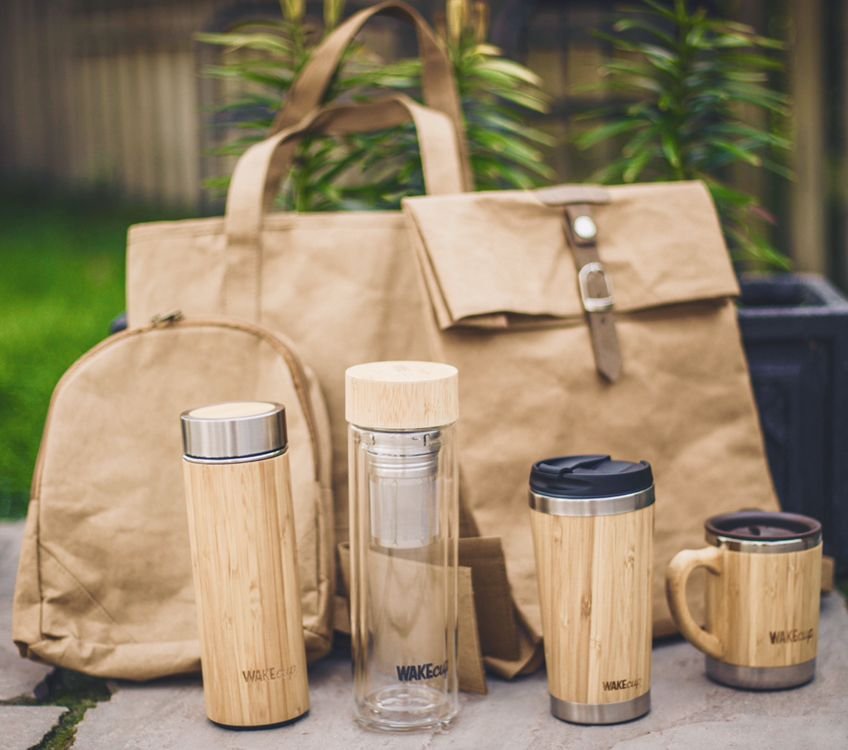
People decide on a Sunday that Monday they’re plastic free, throw out perfectly usable plastic containers to replace them with glass ones, and burn out within three weeks because the standard they set was never sustainable to begin with. Using up what you already own, even if it’s plastic, and replacing it only when it wears out is not cheating. It’s the actual sustainable approach, and it’s the one I’d argue matters more than the swap itself.
The second mistake, and I made this one too, is assuming “eco-friendly” packaging automatically means better. A lot of greenwashed products swap plastic for something that looks natural but still can’t be recycled or composted where you live. Read the fine print, not the front label.
And the third one, which nobody wants to hear, is going it completely alone. Plastic reduction that happens in isolation, without at least one other person or one local group involved, tends to fade out within a few months. This is exactly the pattern I saw when a small group of us started what became Plastic Bag Free Victoria. None of us could have shifted state policy on our own, but a handful of committed people showing up consistently changed what felt possible.
4. Build the Habit Before You Build the Kit
Once you know your targets and you’ve picked a starting area, the actual habit-building is fairly mechanical. Here’s roughly how I’d sequence it for someone starting from nothing:
- Pick one plastic item from your audit pile, the one you throw away most often.
- Find the plastic free version you’ll actually use, not the one that photographs well.
- Put the old plastic version somewhere inconvenient, don’t throw it out, just make it harder to default to.
- Give it two weeks before judging whether the swap stuck.
- Move to the next item only once the first one feels automatic.
Two weeks feels slow when you’re motivated and want to overhaul everything at once. But habits built at that pace tend to survive a bad week, a holiday, or a busy month at work, and habits built in one enthusiastic weekend usually don’t.
For families specifically, this sequencing matters even more, because you’re not just building your own habit, you’re negotiating it with people who didn’t necessarily sign up for the project. The Family Plastic Free Living section covers a lot of the specific friction points that come up with kids and partners who aren’t as invested as you are.
5. Know the Difference Between Your Habits and the Bigger System
I want to be honest about something that took me longer to accept than it should have. Your personal habits matter, genuinely, but they are not going to solve plastic pollution on their own. The bigger wins, the plastic bag bans, the packaging regulations, the supermarket policy changes, those come from collective pressure, not individual purity.
That’s not a reason to give up on your own habits. It’s a reason to see them as the entry point rather than the finish line. The person who starts by fixing their kitchen bin often ends up, a year or two later, emailing a local council or joining a community clean-up group, because the personal changes make the systemic ones feel possible instead of abstract. I’ve watched this happen more times than I can count, including in my own life.
If you’re only going to do one thing after reading this, make it the bin audit from section one. Everything else follows from actually knowing what you’re working with, and that’s true whether you’re just getting started or you’ve been at this for years and want to check whether old habits still fit. The Beginner Plastic Free Living section has more first-step guides if you want to keep going from here, and the Zero Plastic Waste category is where things get more advanced once the basics feel automatic.
Start small, start specific, and give yourself longer than a fortnight to actually change a habit that took years to form.
Frequently Asked Questions
Do I need to buy new “eco-friendly” products before I start? No, and this is probably the most common trap. Use up what you already own first. Buying a full set of new sustainable products before you’ve changed any habits usually just adds clutter and cost without solving the underlying pattern.
What’s actually the difference between “zero waste” and “plastic free”? Plastic free is specifically about avoiding plastic, while zero waste is about avoiding all landfill waste, including things like food scraps or paper. You can be plastic free without being zero waste, and plastic free is usually the easier, more achievable starting point for most households.
How long does it realistically take to build one new habit? Most people I’ve worked with need somewhere between two and six weeks per habit, depending on how disruptive the swap is to their routine. A reusable coffee cup might click in two weeks. Cutting synthetic fibres from your laundry can take much longer because the fix itself is less obvious.
Is living plastic free more expensive? It depends heavily on which swaps you make and how you make them. Bulk buying dry goods and using what you already have is often cheaper long term, while buying a full range of premium “eco” branded products upfront usually isn’t. Secondhand shopping for durable swaps, like glass containers, keeps costs down considerably.
What do I do with the plastic items I already own? Keep using them until they wear out. Throwing away functional plastic items to replace them with new sustainable ones creates more waste, not less, and defeats the purpose. The exception is anything that’s actively degrading or leaching, which is worth replacing sooner regardless of material.
If you want more of a room-by-room starting point after this, the beginner guides on Plastic Free Living are a reasonable next stop, and I’d genuinely start with whatever section matches the room causing you the most grief this week.