Zero Plastic Waste: The Real Reason Recycling Alone Fails
There’s a belief that shows up in almost every conversation about plastic, and it’s wrong in a way that quietly wastes years of good intentions. The belief is this: if you sort your recycling properly, the plastic problem is basically handled. Rinse the yogurt tub, flatten the box, drop it in the right bin, and the system takes it from there.
It doesn’t work like that. Not because people are sorting badly, but because the system underneath the bin was never built to handle what we’re putting into it.
1. Recycling Was Never Designed for This Volume
Plastic recycling infrastructure was built decades ago, mostly around a small handful of resin types that are genuinely easy to process: PET (soda bottles) and HDPE (milk jugs, detergent bottles) being the main two. Everything else, the clamshell containers, the film wrap, the multi-layer pouches that hold chips or coffee, was added to collection programs later, often for public relations reasons rather than because facilities could actually do much with it.
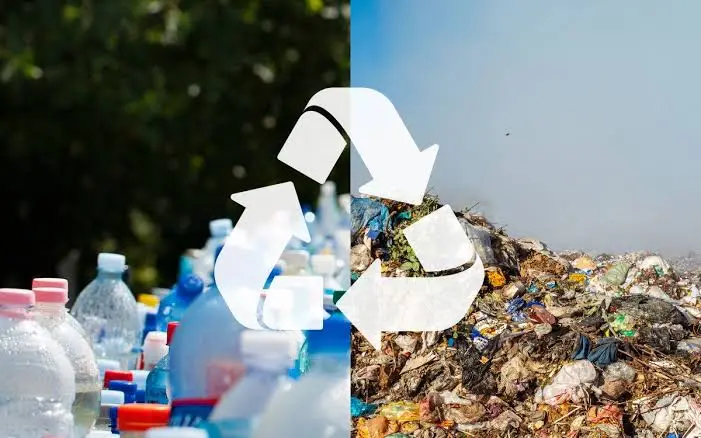
The result is a huge gap between what goes into the blue bin and what actually gets turned back into something useful. A lot of it gets sorted out at the material recovery facility and sent to landfill or incineration anyway, just one extra step removed from where it would have ended up regardless. That’s not a conspiracy. It’s a mismatch between the materials companies chose to package things in and the technology that exists to reprocess them.
2. Plastic Degrades Every Time It’s Recycled
Here’s something that rarely makes it into public messaging: plastic isn’t infinitely recyclable the way glass or aluminum is. Every time plastic is melted down and reformed, the polymer chains get shorter. The material gets weaker, more brittle, less useful. Most plastic can only go through this process once or twice before it’s no longer suitable for food-grade packaging and gets “downcycled” into something like carpet fiber or plastic lumber, which itself usually isn’t recyclable again.
So even in the best-case scenario, where a bottle actually makes it through the whole recycling chain successfully, you’re not looking at a closed loop. You’re looking at one extra life cycle before that material is done for good. Meanwhile, virgin plastic keeps getting produced because it’s cheaper and higher quality than the recycled version, which keeps demand for recycled content artificially low no matter how diligently households sort their trash.
3. Where People Usually Go Wrong
This is the part that trips up almost everyone starting out, and it’s not really their fault. The mistake is treating recycling as the finish line instead of the last resort.
The actual hierarchy, the one used by waste management professionals, goes refuse, reduce, reuse, and only then recycle. Recycling sits near the bottom because it’s the most resource-intensive option that still keeps something out of landfill, not because it’s the goal to aim for. When someone’s whole plastic-reduction strategy is “buy what I want, then recycle the packaging,” they’ve skipped the four steps that would have actually reduced waste and gone straight to the one that barely dents it.
If you’re just starting to untangle where your household plastic actually comes from, this rundown of where to begin is a more useful starting point than any recycling guide.
4. Reduce and Reuse Do the Work Recycling Can’t
Reducing intake means not bringing the plastic into the house in the first place, whether that’s buying in bulk, choosing a bar of soap over a bottled one, or picking the produce that isn’t shrink-wrapped. Reuse means getting more life out of what you already have, refilling containers, repairing instead of replacing, choosing durable goods over disposable ones.
Neither of these requires a facility, a truck, or a market for recycled material to exist. They just require a shift in what gets purchased and how it’s treated once it’s home. That’s also why people confuse “plastic-free” with “zero waste” so often, when really they’re solving overlapping but slightly different problems. It’s worth untangling that distinction properly if the terms have been blurring together for you.
Here’s a rough comparison of where each strategy actually sits in terms of impact and effort:
| Strategy | Reduces plastic entering the waste stream | Requires infrastructure | Effort to start |
|---|---|---|---|
| Refuse (say no to unnecessary plastic) | Highest | None | Low |
| Reduce (buy less, buy bulk) | High | None | Low to medium |
| Reuse (refill, repair, repurpose) | High | Minimal | Medium |
| Recycle | Low to moderate, depends on material | Significant | Low (but low impact) |
5. Why So Much Plastic Isn’t Even Recyclable to Begin With
Part of the reason recycling underperforms is baked in before the product ever reaches a shelf. Manufacturers choose materials based on cost, shelf life, and marketing, not recyclability. That’s why a single snack bag might be made of three or four bonded layers of different plastic types, which is nearly impossible to separate and reprocess with current technology. It’s also why so much packaging exists that arguably didn’t need to in the first place. There’s a reason plastic shows up on nearly everything at the grocery store, and it’s rarely because the product needed it to survive the trip home.
This is the piece that tends to frustrate people the most once they understand it, because it puts a lot of the responsibility back on production decisions rather than consumer sorting habits. Household behavior still matters. It’s just not the whole equation, and treating it as the whole equation lets the upstream choices off the hook.
6. What Actually Moves the Needle at Home
None of this means recycling is pointless, and it’s worth being clear about that. Recycling the plastic that genuinely can be recycled, cleanly, correctly, without wishcycling items that don’t belong, still matters. It just can’t carry the weight of an entire waste strategy on its own.
A few things that make a bigger dent than better sorting habits:
- Switching high-use items to durable alternatives, like swapping plastic storage containers for glass or stainless steel, since the material choice affects how long things actually last
- Buying fewer single-use versions of things you already own reusable versions of
- Choosing stores or brands with refill or bulk options, even if it means a slightly longer shopping trip
- Reading packaging with a skeptical eye instead of trusting a recycling symbol at face value, since the little triangle doesn’t guarantee your local facility can actually process it
None of these are dramatic changes. They’re just further up the chain than the recycling bin, which is exactly why they work better.
At plasticfreeliving.online, most of what gets covered sits in that upstream space on purpose, because that’s where the actual leverage is. Recycling is the safety net, not the strategy.
Plastic waste didn’t happen because people forgot to rinse their containers. It happened because an entire packaging system was built around a material that’s cheap to produce and expensive, in every sense, to deal with afterward. Fixing that from a household level means paying more attention to what comes in the door than to what happens to it once it’s already there.
That shift in focus, more than any bin, is where the actual progress tends to show up.
FAQs
Does it even matter if I recycle at all, given everything above? Yes, for the materials your local facility can actually process well, mainly rigid PET and HDPE. Just don’t treat it as the main lever for reducing your plastic footprint.
Why do recycling symbols show up on things that aren’t actually recyclable? The numbered triangle indicates resin type, not recyclability. Many municipalities can’t process resins 3 through 7 at all, even though the symbol appears on the packaging.
Is “wishcycling” (putting something in the bin hoping it’s recyclable) actually harmful? It can be. Non-recyclable items mixed into a batch can contaminate an otherwise recyclable load, sometimes causing the whole batch to be landfilled instead of just the one item.
What’s the single biggest change a household can make if recycling isn’t the answer? Cutting single-use plastic purchases at the source, particularly packaged food and personal care items, tends to have a bigger effect than any sorting habit.
How do I know if a plastic product will actually get recycled where I live? Check your municipality’s specific accepted materials list rather than relying on the symbol on the item itself. Acceptance varies significantly by city and by the contract each facility has with processors.
If you want a fuller picture of where to start untangling all of this in your own home, the plastic-free living beginner hub is a reasonable next stop.