Plastic Free Shopping: Where First Timers Go Wrong at Bulk Bins
The most common bulk bin mistake has nothing to do with which container you bring. It happens before that, at the scale, when someone weighs their empty jar wrong or skips the step entirely and gets charged for the glass along with the lentils. It is a small thing. It also happens to almost everyone in their first two or three visits, and it is usually the moment that makes people decide bulk shopping is “too complicated” and quietly go back to the shrink-wrapped version at the regular grocery store.
That is a shame, because once the actual mechanics click, bulk bins are one of the easiest plastic-free habits to keep long term. The problem is that nobody explains the mechanics. Stores assume you already know how tare weight works. Zero-waste guides tend to focus on which container to buy rather than what happens once you’re standing at the bin with a scoop in your hand and a line forming behind you.
1. The Tare Weight Step Nobody Explains Properly
Every bulk bin store weighs your empty container first, records that weight (the “tare”), then subtracts it at checkout so you’re only charged for what’s inside. Skip this step and you pay for the weight of your jar as if it were rice or oats, which at some stores can add several dollars to a single purchase.
Most stores handle this one of three ways: a scale near the bins where you weigh and label the container yourself, a staff member who does it at a dedicated counter when you walk in, or a sticker system where the tare is printed and stuck to the jar before you start shopping. None of these are hard once you know which one your store uses. The trouble is that first-timers often don’t ask, assume it works like a regular grocery store, and only find out at checkout when the total looks off. If you’re newer to this and haven’t sorted out the basics yet, plastic-free living where to start covers the groundwork that makes everything after this step easier.
A quick and slightly embarrassing side note: I’ve watched someone weigh a container with the lid still on, then take the lid off to fill it, then put it back on at checkout, wondering why the math didn’t add up. It happens. Ask a staff member the first time. They’ve seen worse.
2. Bringing Containers That Work Against You, Not With You
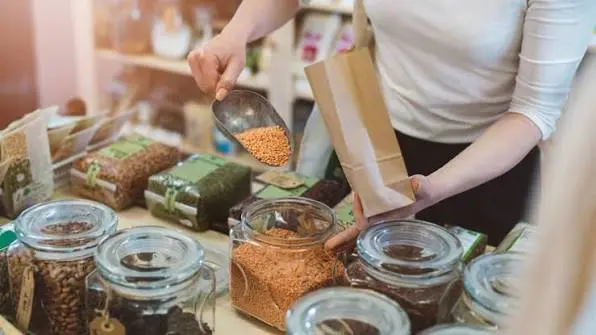
The jar itself matters more than people expect. A container that’s perfect for pantry storage at home can be genuinely bad for the bulk bin trip itself.
| Container type | Good for bulk bins? | Where it usually goes wrong |
|---|---|---|
| Wide-mouth glass jar | Yes | Heavy to carry in bulk, breakable if dropped near the bins |
| Narrow-mouth glass jar | Not for scoop items | Flour and rice go in fine, but a scoop won’t fit for chunkier items like pasta or beans |
| Cloth produce bags | Yes, for dry goods | Useless for liquids like oil or shampoo refills |
| Stainless steel containers | Yes | Some stores can’t get an accurate tare on metal scales calibrated for glass, worth checking first |
| Thin plastic containers reused from home | Works but defeats some of the point | Fine functionally, just not the point if you’re trying to reduce plastic overall |
The general rule that tends to hold up: bring wide-mouth jars for anything you’ll be scooping, cloth bags for anything light and dry, and a dedicated container with a secure lid for liquids. If you’re still building your kit, plastic-free swaps every beginner should try first has a more complete rundown of what’s actually worth buying versus what you probably already own.
3. Overbuying Because the Bins Feel Endless
This one surprised me the first time someone pointed it out, and now I see it constantly. Bulk bins remove the built-in portion control of packaged food. A bag of rice tells you exactly how much you’re getting. A bin doesn’t, and it’s genuinely easy to scoop until the jar looks “full enough” and end up with three times what you’d normally buy, especially with spices, which are usually priced per unit weight and can get expensive fast in a large jar.
Here’s where people usually go wrong: they treat bulk bins like a one-time stock-up trip instead of a refill habit. The better approach, and the one that actually saves money over time, is buying smaller amounts more often. It keeps food fresher, keeps the bill predictable, and avoids the slightly deflating moment of finding six-month-old bulk cumin at the back of the cupboard. If cost is the main hesitation, can you go plastic free on a tight budget walks through where bulk shopping actually saves money and where it doesn’t.
4. Ignoring Bin Turnover and Cross-Contamination
Not every bulk bin gets refilled at the same rate. High-traffic items like oats or rice move fast and stay fresh. Slower-moving specialty items can sit for weeks, and scoops sometimes end up in the wrong bin when a previous shopper wasn’t careful, which matters a lot if you’re avoiding a specific allergen.
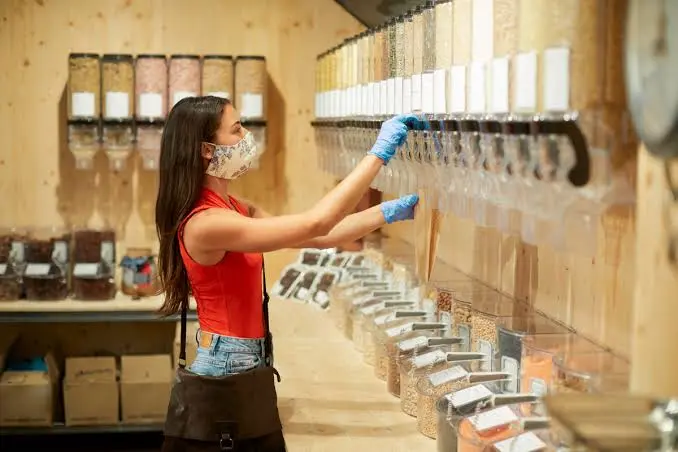
A few practical habits fix most of this. Check that the scoop in the bin actually matches the label above it before you use it. Give the bin a quick look for clumping or discoloration, which usually signals moisture got in. And if a store’s bulk section looks consistently picked-over or poorly maintained, that’s a fair reason to shop elsewhere rather than push through it. plasticfreeliving.online gets messages fairly often from readers who assumed a rough-looking bulk section was just how it’s supposed to be. It isn’t. A well-run bulk section should look about as clean as the rest of the store.
5. Treating the First Trip Like It Should Go Smoothly
It probably won’t, and that’s fine. First trips usually involve forgetting at least one container, misjudging a quantity, or standing at the tare scale for a beat too long trying to figure out the system. None of that means bulk shopping isn’t for you. It means you’re doing something with an actual learning curve, the same as anything else worth picking up. The second and third trips are almost always faster and less awkward, mostly because you’ll already know your store’s specific setup by then.
If the whole shift still feels like a lot to take on at once, it’s worth reading plastic-free living mistakes most beginners make in month one, since bulk bins are usually just one part of a bigger adjustment period, not the whole thing.
I’ll be honest, I still occasionally get the tare wrong on containers with unusual lids. It’s not a system you master once and never think about again. It’s more of a habit you build, one slightly clumsy trip at a time, until it isn’t clumsy anymore.
Frequently Asked Questions
Do I need to wash my containers before bringing them to the store?
Yes, they should be clean and completely dry, especially for dry goods, since any moisture can affect food quality inside the bin if it transfers during filling.
What happens if a store won’t let me use my own container?
Some stores have policies against outside containers for food safety or insurance reasons. Call ahead if you’re unsure, since it saves a wasted trip, and most stores that do allow it will have signage or staff who can walk you through their specific process.
Is bulk buying actually cheaper than packaged food?
Often, but not always. Staples like rice, oats, beans, and spices are usually cheaper in bulk. Specialty items, like exotic spice blends or imported goods, can sometimes cost more per unit than a packaged version on sale.
How do I know if a bulk bin item has gone stale?
Smell is the fastest test for most dry goods, followed by checking for clumping, which usually means moisture got in. If something smells off or looks noticeably different from a fresh batch, skip it and mention it to staff.
Can I bring my own containers for bulk liquids like oil or soap?
Yes at most stores that offer bulk liquids, though you’ll want a container with a secure, leak-proof lid, and it’s worth double-checking the tare process for liquids specifically since some stores handle it differently than dry goods.
Bulk bins get easier fast once the tare scale stops being a mystery and you’ve got two or three containers that actually fit the job. For a broader look at where the rest of the beginner learning curve tends to show up, the plastic-free living beginner hub is a reasonable next stop.