
Plastic Free Shopping List: 8 Things to Pack First
The first time I tried a fully plastic-free grocery run, I walked out with a canvas tote full of produce and nothing to put my oats in. I stood in the bulk aisle for a solid five minutes holding a scoop, no jar, no bag, just me and a bin of rolled oats having a small standoff. That trip taught me more than any checklist could have: the swaps that matter aren’t the ones that look good on a shelf, they’re the ones already in your bag before you leave the house.
This list isn’t about buying everything at once. It’s about the eight items that actually change what happens at checkout, ranked by how often they get used, not how nice they photograph.
1. Produce Bags You Already Own
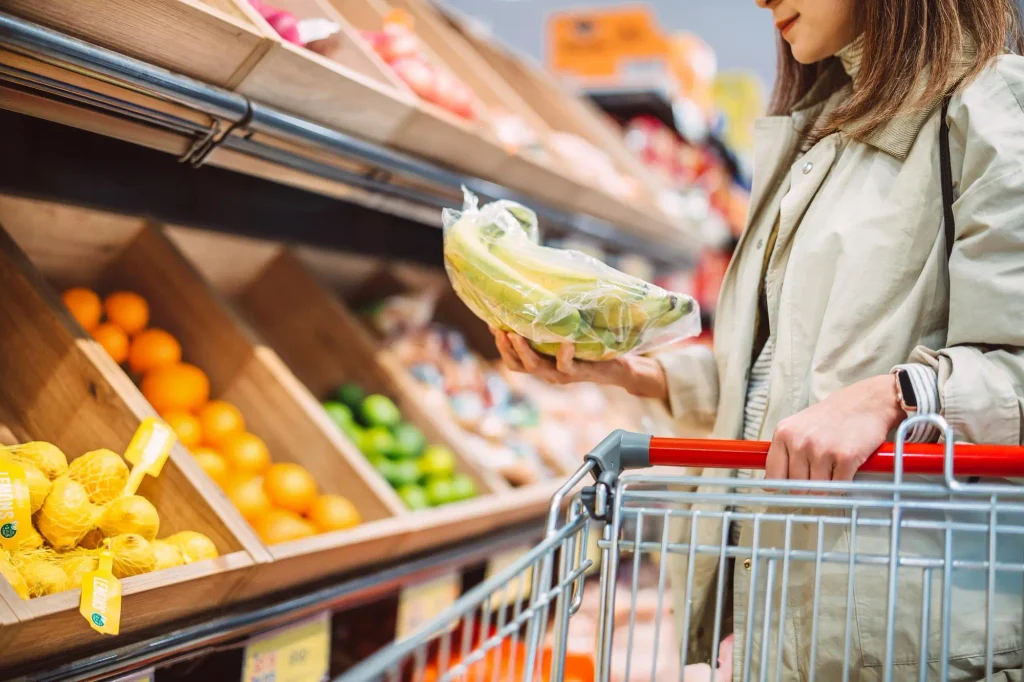
Skip the store’s plastic roll entirely. Mesh or cotton produce bags work for everything from apples to green beans, and most cashiers weigh them without a second thought, since the tare weight is usually negligible or your store has a system for it already. If you’re new to this, a five-pack of mesh bags costs less than a single bag of prewashed spinach in plastic clamshell packaging.
The trick is keeping them where your keys are. Not in a drawer, not in the trunk. If they’re not within arm’s reach of the front door, you’ll forget them, and that’s not a character flaw, it’s just how habits work.
2. A Jar That Isn’t Precious
This is the one people overthink. You don’t need a matching set of glass containers with bamboo lids. You need one wide-mouth jar you don’t mind scratching, for bulk bins, deli counters, or the bakery. A former pickle jar does this job exactly as well as a $40 stainless one.
Where people usually go wrong here is showing up with a container that’s too small or has a narrow neck, which makes bulk staff hesitate or refuse it outright. Wide mouth, sturdy base, and know its empty weight if your store requires that on the label.
3. One Real Water Bottle
Not three. One, that you actually like using, because the bottle you leave at home doesn’t count. Stainless steel holds up better than glass for daily carry, though glass has the edge if you’re sensitive to any metallic aftertaste. Either way, this single swap eliminates more single-use plastic per year than almost anything else on this list, simply because of how often it gets used.
If you’ve read our piece on plastic-free swaps every beginner should try first, you’ll know this one usually tops the list for a reason. It’s boring. Boring is what makes it stick.
4. Bread Bag or Beeswax Wrap
Bakery bread almost always comes in a thin paper sleeve, which is fine, but if you want to skip even that, a reusable bread bag made of cotton or linen does the job. For smaller items, cheese, half an onion, the end of a cucumber, beeswax wrap is genuinely useful, though it does have a learning curve. It stiffens in cold weather and loses grip after a few months of heavy use.
That’s not a defect, it’s just the material. Rewarm it slightly between your hands before wrapping something and it’ll mold better.
5. A Second Tote, Specifically for Bulk
Your everyday tote gets used for everything, and that’s exactly why it shouldn’t also be your bulk-bin bag. Keep a separate one, ideally one with a flat bottom so jars don’t roll around and crack against each other. I learned this after a jar of tahini met a jar of honey at the bottom of my bag on a bumpy bus ride home. Not a fun cleanup.
6. A Small Set of Cloth Napkins or Bags for Deli Items
Deli counters are one of the trickiest spots for plastic-free shopping because staff are trained to reach for their own wrapping by default. Bringing a labeled cloth bag or wax paper you can hand over directly, before they start wrapping, makes the interaction smoother. Ask first, not after they’ve already reached for the plastic.
7. A Coffee or Tea Container, If That’s Your Routine
This one only matters if it applies to you, and if it does, it matters a lot. Loose-leaf tea and bulk coffee beans are two of the easiest plastic-heavy habits to fix, mostly because the packaging they usually come in is genuinely unnecessary. A single tin, refilled weekly, replaces dozens of bags or pods a year.
8. A Written List, On Paper or Your Phone, of What You’re Trying to Avoid
This sounds almost too simple to include, but it’s the one people skip and then wonder why their plastic-free shopping trip didn’t go as planned. Decision fatigue is real. Standing in an aisle trying to remember whether the tofu comes in a recyclable tub or not, while also holding a toddler’s hand and a half-full basket, isn’t the moment to be improvising. Write it down. Keep it short. Update it as you learn what your specific store actually stocks package-free, because that varies wildly even between two branches of the same chain.
Quick Reference: What to Pack and Why
| Item | Where It’s Used Most | Common Mistake |
|---|---|---|
| Mesh/cotton produce bags | Fruit and veg aisle | Leaving them in the car |
| Wide-mouth jar | Bulk bins, deli counter | Bringing a narrow-neck container |
| Reusable water bottle | All day, every day | Owning too many, using none consistently |
| Bread bag or beeswax wrap | Bakery, cheese counter | Expecting wrap to work in cold weather without warming it |
| Bulk-specific tote | Grocery trip | Mixing it with your everyday bag |
| Cloth deli bag | Deli, butcher counter | Asking after they’ve already reached for plastic |
| Coffee/tea tin | Weekly refills | Buying a new tin instead of reusing what you have |
| Written list | Every trip | Skipping it and improvising in the aisle |
And if this feels like a lot to remember on your first attempt, it is. Most people don’t get all eight right away, and honestly, they don’t need to. If you’re only just starting out, our guide on where to start with plastic-free living breaks the first month down into something more manageable than a full pantry overhaul.
A Note on Cost, Because It Comes Up Every Time
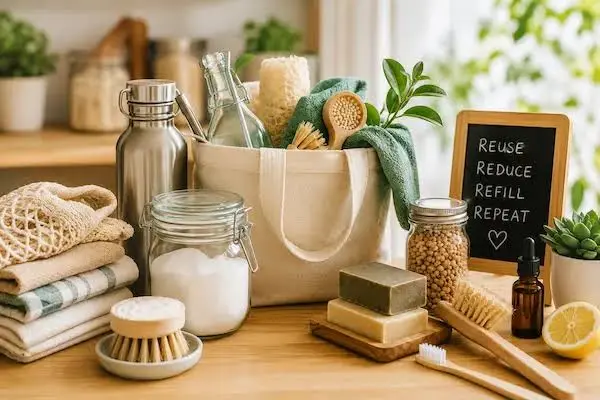
People assume plastic-free shopping is expensive, and sometimes it is, if you buy everything new and matching in one weekend. It doesn’t have to be. Most of what’s on this list can come from what’s already in your kitchen. An old jar, a tea towel repurposed as a bread bag, a water bottle you already own. If budget is genuinely the sticking point, we’ve written more specifically about going plastic-free on a tight budget, and the short version is: buy less, reuse more, and don’t feel pressure to look the part before you’ve built the habit.
I’ll admit, my own kitchen still has a mismatched drawer of containers that don’t stack neatly and never will. It’s not aesthetic. It works, and that’s the actual goal here, not the version of plastic-free living that photographs well.
Once the shopping side feels manageable, the next place most people get stuck is the kitchen itself, especially food storage. That’s a slightly different problem, and one we’ve covered separately in our kitchen swaps that actually stick.
Common Mistakes Worth Naming Directly
Buying too much reusable gear before testing what your actual store supports. Some stores don’t allow outside containers at the deli counter for food safety reasons, and it’s worth calling ahead rather than finding out mid-shop. Another common one: assuming bulk bins are automatically plastic-free just because the product is loose. Check the bin liner. Some are refilled from plastic bags anyway, which doesn’t defeat the purpose entirely but is worth knowing.
And a smaller one. People buy beautiful matching produce bags, use them twice, and then default back to the store’s plastic because the reusable ones are packed away somewhere inconvenient. Storage location matters more than the product itself.
Where This Actually Lands
None of this needs to be perfect on the first trip, or the tenth. Pack the essentials, keep them visible, and let the rest build slowly. plasticfreeliving.online exists mostly to say that out loud, because most of the plastic-free advice online skips straight to the aspirational version and leaves out the part where you forget your bags in the car three weeks running before it finally sticks.
FAQs
Do I need to buy all eight items before my first plastic-free shopping trip? No. Start with produce bags and a water bottle since those get used the most, then add the rest as specific needs come up.
What if my grocery store doesn’t allow outside containers at the deli? Some stores restrict this for food safety reasons. Call ahead or ask at customer service, since policies vary even within the same chain.
Is beeswax wrap actually worth it, or is it more trouble than it’s worth? It’s genuinely useful for cheese, half-cut vegetables, and covering bowls, but it stiffens in cold weather and needs warming between your hands before use. It’s not a replacement for everything plastic wrap does.
How much does it cost to switch to a plastic-free shopping kit? Very little if you reuse what you already own. A jar, an old tea towel, and a water bottle cover most of it. New gear is optional, not required.
What’s the single most useful item on this list for a beginner? The reusable water bottle, purely because of how often it gets used compared to everything else on the list.
For more on building this out room by room rather than just at the shopping cart, our beginner hub is a reasonable next stop.