
Plastic Free Storage Containers That Actually Last Years
A friend messaged me last month asking if the stainless steel containers she’d bought were “a scam.” One lid had warped after three trips through the dishwasher, and she’d assumed plastic-free automatically meant indestructible. It doesn’t. Going plastic-free means the material won’t leach chemicals or shed microplastics into your food. Whether it survives five years or fifty depends almost entirely on which material you picked and how you treat it day to day.
That distinction matters more than most articles let on, so let’s actually get into it.
1. The Myth That “Plastic-Free” Equals “Fragile”
There’s a strange assumption floating around that ditching plastic means accepting flimsier, more breakable kitchenware. I’ve heard this from people who’ve never owned a single glass jar with a proper seal. It usually comes from one bad experience: a cheap glass container cracked in a hot oven, or a “bamboo” lid started smelling like mildew after a month.
Neither of those is a materials problem. They’re buying problems. A borosilicate glass container is engineered to handle rapid temperature swings that would shatter regular soda-lime glass. A 304-grade stainless steel container will outlast most kitchens’ entire lifespan of appliances. The plastic-free label doesn’t tell you anything about durability on its own, it just tells you what’s not in the material. On plasticfreeliving.online, we’ve tested enough of these over the years to know the failures almost always trace back to either a cheap manufacturing batch or the wrong container for the wrong job.
2. Glass vs Stainless Steel vs Ceramic, Side by Side
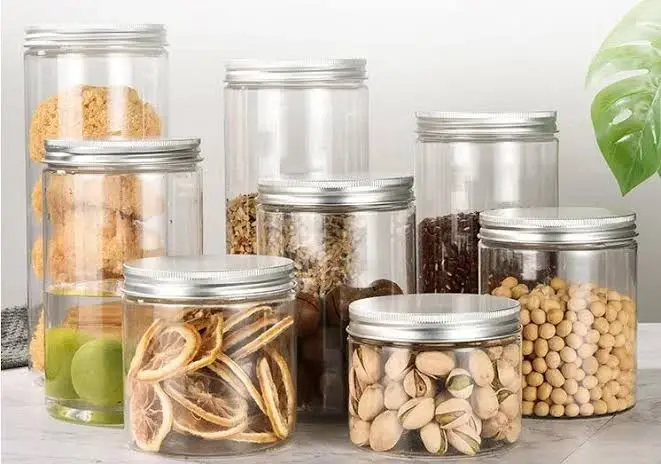
If you’re deciding what to actually buy, here’s how the three most common plastic-free materials stack up in real, everyday use, not in a marketing brochure.
| Material | Best For | Weak Point | Realistic Lifespan |
|---|---|---|---|
| Borosilicate glass | Fridge and pantry storage, reheating | Lids (often have silicone or rubber seals) | 10+ years if not dropped on tile |
| Stainless steel (18/8 or 304) | Lunches, freezer, acidic foods | Dents from drops, occasional lid warping if flimsy plastic clips are used | 15+ years |
| Unglazed or glazed ceramic | Pantry staples, baking dishes | Chips and cracks from sudden temperature change | 10 to 20 years, shorter if thermal-shocked |
Glass wins on visibility and reheating. Stainless wins on toughness and weight for travel. Ceramic wins on looks and is genuinely wonderful for flour, rice, and sugar, but I wouldn’t take it camping. None of these are “better” in some absolute sense. They’re better for specific jobs, and knowing that before you buy saves you from returning half your kitchen within a year. If you’re just starting to build out a plastic-free kitchen from scratch, our guide on plastic-free swaps every beginner should try first covers which pieces to prioritize buying first.
3. Where People Actually Go Wrong (It’s Rarely the Material)
Here’s where people usually go wrong, and it has almost nothing to do with the container itself. It’s the lid, the seal, and the habits around both.
Rubber and silicone gaskets on glass containers degrade with heat exposure over time. Run them through a hot dishwasher cycle for two years straight and they’ll eventually lose their seal, even though the glass body is fine. Most people throw out the whole container instead of just replacing the $3 gasket. And stainless steel lids with plastic clips, the cheap kind sold at big box stores, crack under repeated flexing within a year or two. That’s a design flaw, not a stainless steel flaw.
The other habit that shortens lifespan: stacking heavy items directly on glass lids in the freezer, or pouring boiling liquid straight into a cold glass container. Sudden temperature shifts are what crack glass and ceramic, not age. I made this exact mistake early on with a ceramic dish, poured hot soup into it straight from the fridge, and watched a hairline crack spread across the bottom within seconds. Lesson learned the expensive way. If this kind of early misstep sounds familiar, our piece on plastic-free living mistakes most beginners make in month one walks through a handful of others.
4. Matching the Container to What You’re Actually Storing
This is the part that actually determines how long your containers last, and it gets skipped constantly.
- Freezer storage: stainless steel or freezer-safe glass only. Skip ceramic entirely unless it’s specifically rated for freezer use.
- Reheating leftovers: glass, hands down. You can watch it, and there’s no risk of warping under heat like some cheaper metal lids.
- Acidic foods (tomato sauce, citrus, vinegar-based dressings): stainless steel or glass. Avoid anything with a reactive metal coating.
- Dry pantry goods: glass or ceramic, whichever fits your shelf space and how often you want to peek at contents without opening a lid.
- Packed lunches and travel: stainless steel wins on weight and impact resistance, every time.
Buying one container type and expecting it to handle every job in your kitchen is the single most common reason people feel like their plastic-free setup “didn’t work out.” It’s not that the materials failed. It’s that a glass container that’s brilliant in the fridge was never going to survive being tossed in a backpack five days a week.
5. When to Replace and When to Repair
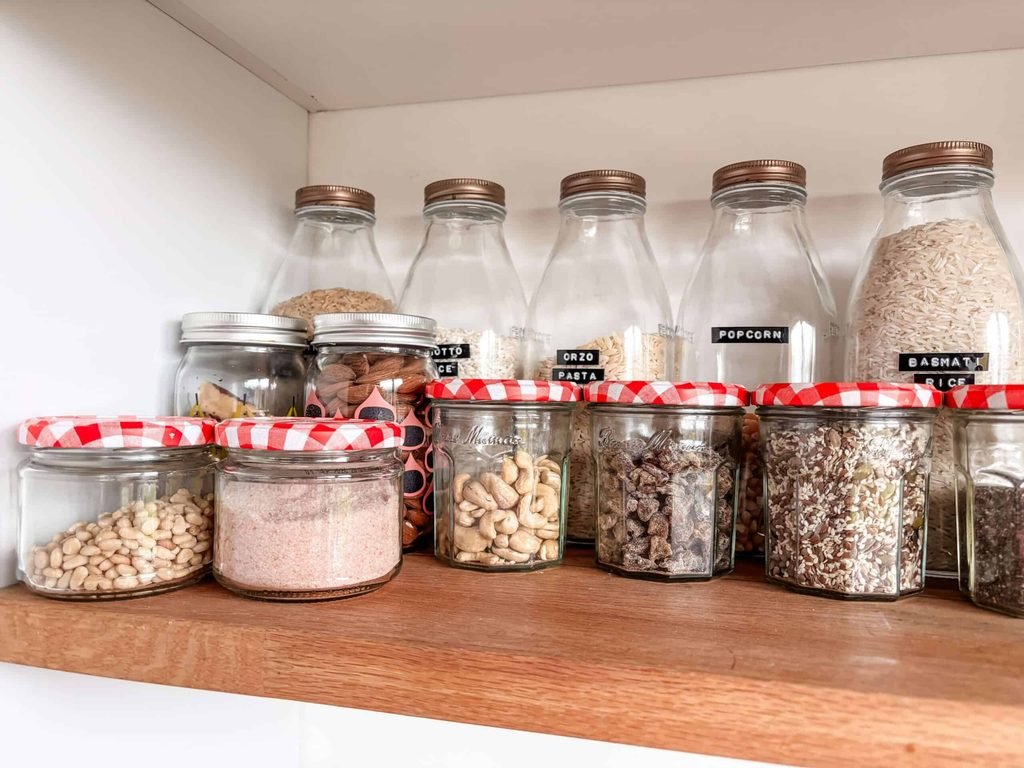
Before you throw out a container, check whether it’s actually the seal, the lid clip, or a loose hinge that’s failed, not the main body. Replacement gaskets for most major glass container brands cost a few dollars and are usually a five-minute fix. Stainless steel dents can often be ignored entirely unless they’re affecting the seal.
Genuine replacement time looks like: a crack running through glass or ceramic, rust developing on stainless steel (rare, but it happens with lower-grade steel), or a lid that no longer closes flush no matter what you try. Everything else is usually fixable, and fixing it is cheaper than replacing it. If budget is a real factor in how you’re building this out, our article on going plastic-free on a tight budget has some practical angles on stretching what you already own further before buying new.
Plastic-free storage that lasts isn’t about finding one perfect container. It’s about buying a few good ones for the jobs you actually do most, treating the seals with a bit of care, and not expecting a $6 glass jar to survive being dropped from the counter. Most of what ends up in landfill from a “failed” plastic-free kitchen was never really a materials failure to begin with.
Frequently Asked Questions
Are silicone containers actually plastic-free? Food-grade silicone is a separate material from plastic and doesn’t break down into microplastics the way conventional plastics do, so most plastic-free advocates count it as an acceptable option. It’s not glass or metal, but it holds up well to heat and freezing, which makes it a reasonable middle ground for lids and bakeware.
Can glass containers go in the freezer without cracking? Yes, as long as they’re labeled freezer-safe and you leave room for expansion, since liquids expand when frozen and can crack even freezer-rated glass if filled to the brim. Letting food cool to room temperature before freezing also helps avoid the temperature shock that causes cracks.
How do I get smells out of stainless steel containers? A soak in warm water with a spoonful of baking soda for 20 to 30 minutes usually clears lingering odors like garlic or curry. Leaving the lid off to air dry fully afterward matters more than people expect, since trapped moisture is what tends to hold onto smell.
Is bamboo really a good plastic-free lid material? It depends heavily on the manufacturing quality, and this comes up often enough that we wrote a full breakdown on it. If you’re considering bamboo lids specifically, is bamboo really plastic-free covers the details worth knowing before you buy.
Is it worth paying more for glass containers with metal or silicone-only lids over plastic clip lids? In most cases, yes. Plastic clip mechanisms are usually the first part to fail on an otherwise sturdy glass container, so paying a bit more upfront for a metal clasp or silicone-sealed lid tends to save money over a few years of regular use.
For anyone still figuring out where to even begin with a plastic-free kitchen, our plastic-free living starting guide is a reasonable next stop.