Plastic Free Living’s Beginner Hub, Explained
A reader emailed us last month asking a simple question: “Where do I actually start?” She’d read a dozen blog posts, saved a hundred Pinterest pins, and still felt like she was standing in her kitchen holding a plastic yogurt tub, unsure what to do next. That question is the reason this hub exists.
Most guides to plastic-free living throw everything at you at once. Bamboo toothbrushes, beeswax wraps, reusable straws, zero-waste grocery hauls, all in one scroll. It’s overwhelming, and it usually leads to one of two outcomes: people buy a stack of eco products they don’t need, or they get discouraged and quit within a month. Neither helps the planet or the person trying.
This page is meant to work differently. It’s a map, not a checklist. Below, we’ll walk through what plastic-free living actually means, where beginners tend to trip up, and how to build habits that last longer than a New Year’s resolution.
1. What Plastic Free Living Actually Means
Here’s where people usually go wrong right out of the gate: they assume plastic-free living means removing all plastic from their life immediately. That’s not realistic for almost anyone, and chasing it is a fast route to burnout.
Plastic-free living, in practice, means reducing your reliance on single-use and disposable plastic, starting with the items you throw away the most often. It’s not about the plastic keyboard you’re reading this on or the frame of your glasses. It’s about the coffee cup lid you toss after fifteen minutes of use, the produce bag you use for one trip home, the toothbrush that gets replaced every three months and never breaks down.
If you’re newer to the topic, it helps to understand how this differs from a related but distinct idea. We go deeper into that comparison in plastic-free vs zero-waste, the mix-up most beginners make, but the short version is this: zero-waste is about total waste reduction across every material, while plastic-free living has a narrower, more specific target. You can be plastic-free without being fully zero-waste, and that’s a perfectly good place to live for a long time.
2. Where to Actually Begin
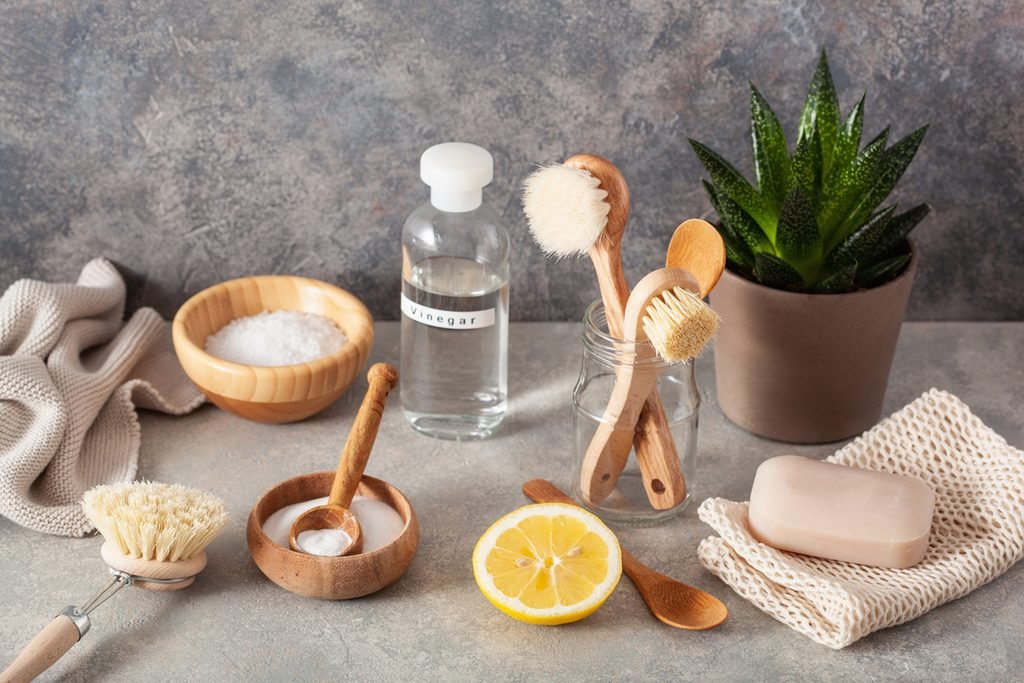
Start with your trash, not your shopping cart. Before buying a single reusable product, spend a week just noticing what plastic leaves your house. Write it down if that helps. Most people are surprised by how repetitive the list is. It’s usually food packaging, personal care items, and takeout containers, showing up again and again.
Once you have that list, pick the single most frequent item and replace it first. Not five things. One. If it’s produce bags, switch to mesh or cloth ones. If it’s bottled water, get one solid reusable bottle and actually carry it. This sounds almost too simple to matter, but the habit you build from one small, repeated win carries you further than a drawer full of unused eco gadgets ever will.
We’ve laid out a more detailed starting sequence in where to start with plastic-free living, including a rough order that tends to work for most households. It’s worth reading once you’ve done your own trash audit, because it’ll make a lot more sense with real numbers behind it.
3. The Swaps Worth Making First
Not all swaps carry equal weight, and treating them as equal is another place beginners lose momentum. Some replacements save a huge amount of plastic for very little effort. Others cost more, require more upkeep, and save comparatively little. It helps to know the difference before you spend money.
| Swap | Effort Level | Plastic Saved Over Time | Worth It Early On? |
|---|---|---|---|
| Reusable water bottle | Low | High | Yes |
| Cloth produce bags | Low | Medium-High | Yes |
| Bar soap over bottled | Low | Medium | Yes |
| Beeswax wraps | Medium | Low-Medium | Later |
| Full pantry glass-jar overhaul | High | Medium | Later |
| Compostable phone case | Low | Very Low | Skip |
Notice that the highest-effort item on that list, the full pantry overhaul, doesn’t actually save the most plastic. That’s a common misconception. People picture plastic-free living as an aesthetic, glass jars lined up on open shelving, and they chase the look before they’ve built the underlying habit. The habit matters more than the jars.
If you want a longer breakdown of specific products and where to find them, our full list of first swaps covers that in more detail than we have room for here.
4. Mistakes That Show Up in Month One
We hear from a lot of beginners around the four-to-six week mark, usually with some version of the same frustration: they did everything right and still feel like they’re failing. A few patterns explain most of that.
The first is buying too much too fast. Someone gets motivated, orders a full “zero waste starter kit,” and now has bamboo cutlery, a stainless steel lunch box, silicone bags, and three kinds of produce bags arriving in a single cardboard box wrapped in, ironically, plastic tape and bubble wrap. The materials matter less than the pace. Slower is genuinely better here.
The second mistake is treating every purchase as a moral test. If you forget your reusable bag and end up with a plastic one, that’s not a failure of character. It’s Tuesday. The people who stick with this longest are the ones who treat slip-ups as information, not evidence they’re bad at this.
And a third one worth naming directly: assuming a material is automatically better because it’s marketed as natural. We wrote a longer piece specifically on this, because it comes up constantly, looking at whether bamboo is really as plastic-free as it’s sold to be. Short answer, a lot of bamboo products are glued, coated, or blended with plastic resin you’d never guess from the packaging. Read the piece before you restock your kitchen.
We’ve also put together a broader rundown of the most common early missteps in plastic-free living mistakes most beginners make in month one, if you want the fuller list.
5. Building Habits That Actually Hold
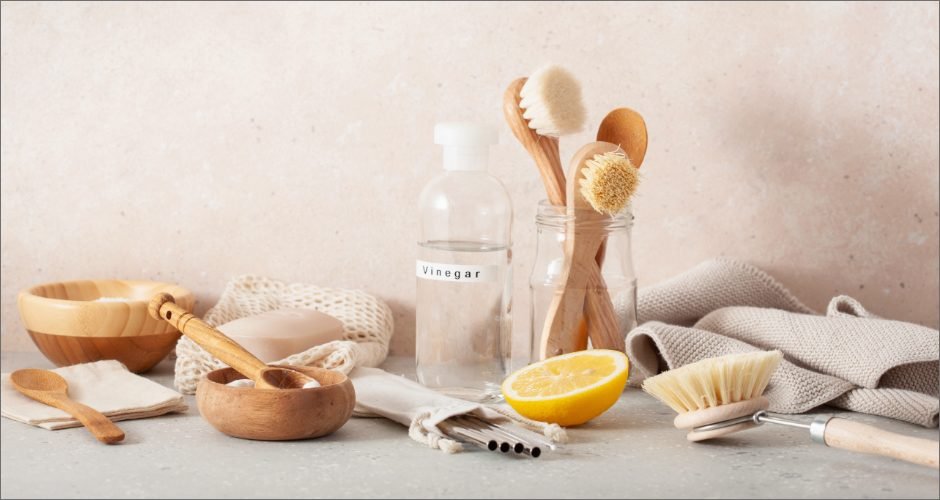
The households that keep this up for years, not months, tend to share a few things in common. They pick a handful of swaps and let those become automatic before adding more. They accept that some plastic will still show up in their lives, especially around medication, certain food safety needs, or accessibility requirements, and they don’t treat that as a contradiction. And they stop optimizing for a perfect Instagram pantry and start optimizing for what they’ll actually keep doing on a rushed Wednesday morning.
That last part is the real hinge point. Plastic-free living isn’t a personality. It’s a set of small, repeated decisions that get easier the less you have to think about them. Give yourself six months before judging whether a habit “worked.” Most people quit right around the point where it was about to become automatic.
If there’s one thing Plastic Free Living hopes you take from this hub, it’s that you don’t need to get everything right immediately. You need to get one thing right, then let that be boring enough that you barely notice you’re doing it anymore. That’s the whole trick.
Frequently Asked Questions
Is it even possible to live completely plastic-free? Realistically, no, not entirely. Plastic is embedded in medical equipment, many electronics, and countless supply chains most people never see. The goal for almost everyone is significant reduction, not total elimination, and that’s still a meaningful outcome.
How long does it usually take to feel like you’ve made real progress? Most people notice a real shift in their household trash within two to three months of consistent effort. Full habit formation, where the new choices stop requiring willpower, tends to take closer to six months.
Do I need to replace everything plastic in my house right away? No. Using up what you already own is almost always better than throwing away functional plastic items to replace them with “greener” versions. Replace things as they wear out, not on a fixed schedule.
What’s the single best first swap for someone on a tight budget? A reusable water bottle you already own, paired with cloth or mesh bags for produce. Both are low-cost or free if you repurpose what’s already in your home, and both target genuinely high-frequency plastic use.
Is buying “eco-friendly” products the same as living plastic-free? Not automatically. Some products marketed as sustainable still contain plastic components, plastic-based glues, or plastic-lined packaging. Checking materials directly matters more than trusting a green label on its own.