9 Simple Shopping Plastic Free Living Ideas That Work Fast
There was a time when I didn’t notice plastic. It blended into the background of everyday life—wrapped around vegetables, tucked into delivery bags, lining shelves in quiet abundance. It wasn’t something I questioned. Like many people, I assumed convenience was harmless, or at least unavoidable.
But change rarely begins with a grand moment. It usually starts with a small discomfort. For me, it was the realization that nearly everything I brought home had something I couldn’t reuse, couldn’t compost, and couldn’t truly get rid of. Plastic didn’t disappear—it just moved somewhere else.
That awareness didn’t turn me into a perfect zero-waste shopper overnight. Instead, it led me to small experiments—simple swaps, imperfect habits, and a lot of trial and error. What surprised me most was how quickly some of these changes worked. They didn’t require a complete lifestyle overhaul. They just needed intention.
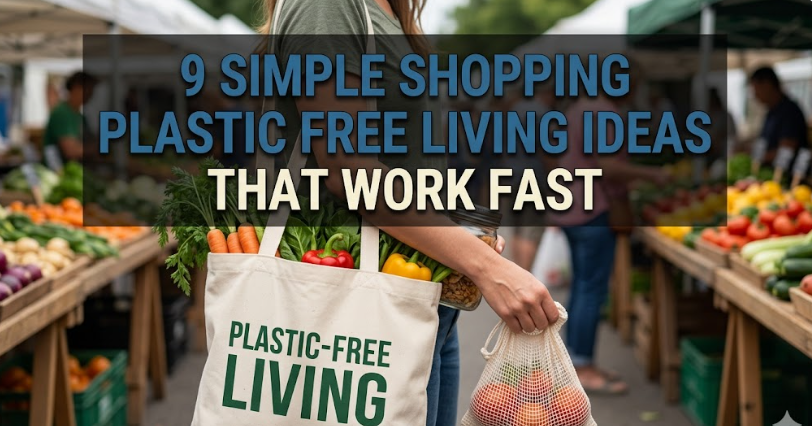
Here are nine simple plastic-free shopping ideas that work fast—not because they’re trendy or extreme, but because they fit into real, everyday life.
- Start with the one-bag rule
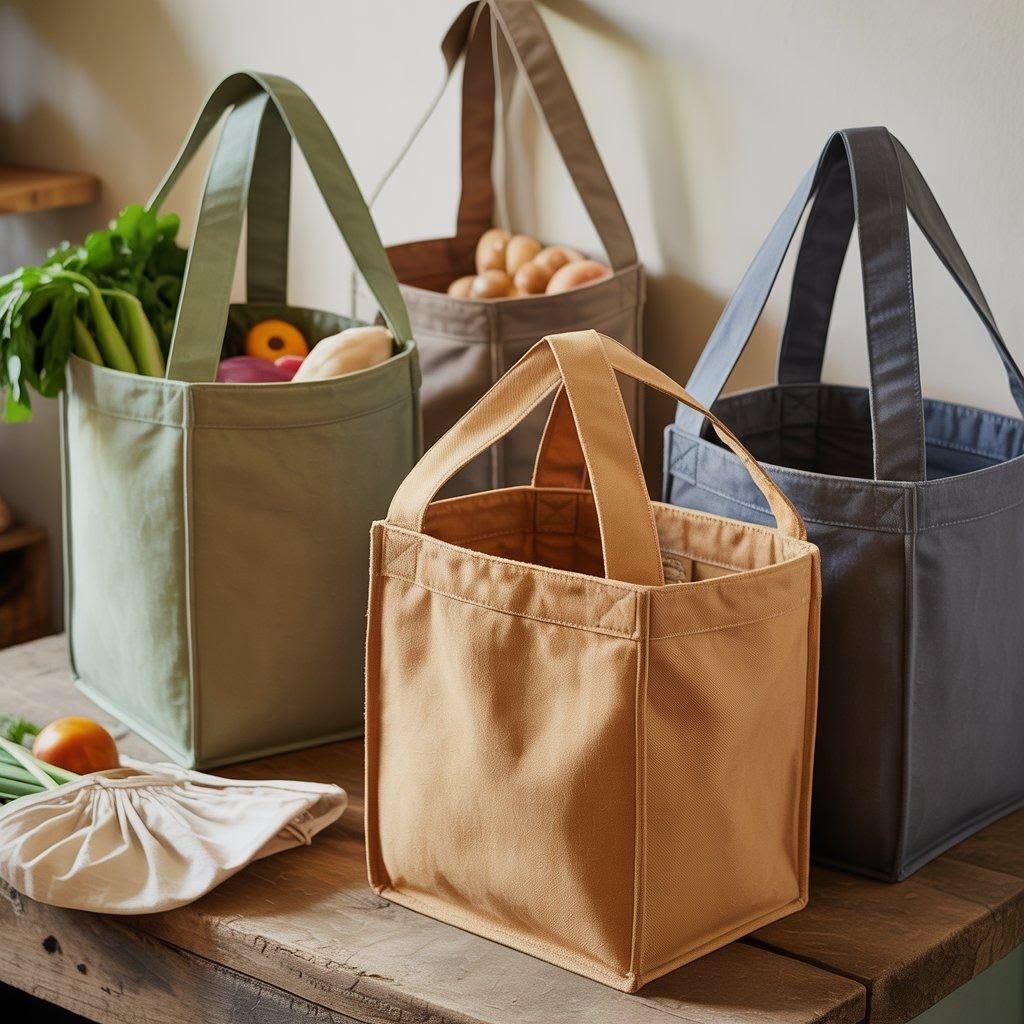
The easiest shift begins before you even step into a store. Bring your own bag. Not five. Not a perfect matching set. Just one.
When I first started, I kept forgetting reusable bags. So I created a rule: never leave the house without one. It stayed folded in my backpack, sometimes crumpled at the bottom, but always there.
What made the difference wasn’t the bag itself—it was the mindset. That single habit quietly disrupted the automatic “yes” to plastic bags at checkout.
Over time, one bag turned into two, then into a system. But the key wasn’t perfection. It was consistency. Even replacing one plastic bag a day adds up faster than you think.
- Shop produce without the extra layer
Most fruits and vegetables don’t need plastic. Bananas come with their own packaging. Oranges don’t ask for wrapping. Yet somehow, we’ve normalized placing them into thin plastic bags before placing them into another bag.
Try skipping that step.
At first, it feels slightly uncomfortable, like breaking an unspoken rule. But nothing actually changes. The cashier still weighs your items. You still bring them home. The difference is invisible—but meaningful.
If you prefer some structure, lightweight cloth produce bags are helpful. But even without them, simply placing items loose into your basket works just fine.
This is one of the fastest ways to reduce plastic without changing what you buy—only how you buy it.
- Choose unpackaged over perfectly packaged
There’s a quiet temptation in modern shopping: everything looks better when it’s wrapped neatly. Shiny plastic creates a sense of cleanliness, order, even quality.
But often, the unpackaged option is just as good—or better.
Loose carrots instead of pre-bagged ones. Bread from a bakery shelf instead of sealed in plastic. Bulk nuts instead of portioned packs.
The trick here is not to chase perfection. You don’t need to eliminate all packaged items immediately. Instead, look for easy wins—places where an unpackaged option is already available.
Once you start noticing these choices, they appear everywhere. And with each small decision, plastic loses its default place in your routine.
- Build a “repeat list” of plastic-free staples
Decision fatigue is real. If every shopping trip requires new thinking, it becomes exhausting. That’s why building a simple list of go-to plastic-free items can make a big difference.
Think of it as your baseline.
Rice from a bulk bin. Eggs in cardboard cartons. Milk in glass bottles if available. Soap bars instead of liquid bottles. Spices from refill stations.
Once you identify items that consistently come without plastic—or with minimal packaging—you reduce the need to constantly evaluate options.
Shopping becomes faster, not harder.
And perhaps more importantly, it becomes automatic. You don’t feel like you’re making a “sacrifice.” You’re just following a familiar path.
- Say no to “just in case” plastic
One of the most overlooked sources of plastic waste is the “just in case” mentality.
The extra bag at checkout. The plastic spoon with takeaway. The straw you didn’t ask for but accepted anyway.
These small items seem insignificant in isolation. But they accumulate quickly.
Learning to say “no, thank you” is a surprisingly powerful habit. It doesn’t require preparation or special tools. It only requires awareness in the moment.
And here’s the interesting part: most people around you won’t even notice. The cashier moves on. The server shrugs. Life continues.
But you leave with one less piece of unnecessary plastic—and a growing sense of control over your choices.
- Shift from convenience to rhythm
Plastic thrives on urgency. It promises speed, ease, and disposability. So one of the most effective ways to reduce it is to slow down—not drastically, but just enough.
Instead of last-minute shopping, try planning a little ahead. Keep a short list of essentials. Refill items before they run out completely.
This creates a rhythm.
When shopping becomes part of a steady routine rather than a rushed task, you naturally make more thoughtful choices. You’re less likely to grab heavily packaged items simply because they’re quick.
It’s not about removing convenience entirely. It’s about redefining it. Over time, your new habits become just as convenient—without the waste.
- Reuse what you already have
Plastic-free living doesn’t mean throwing away all plastic immediately. In fact, that can create more waste.
Instead, start by reusing what’s already in your home.
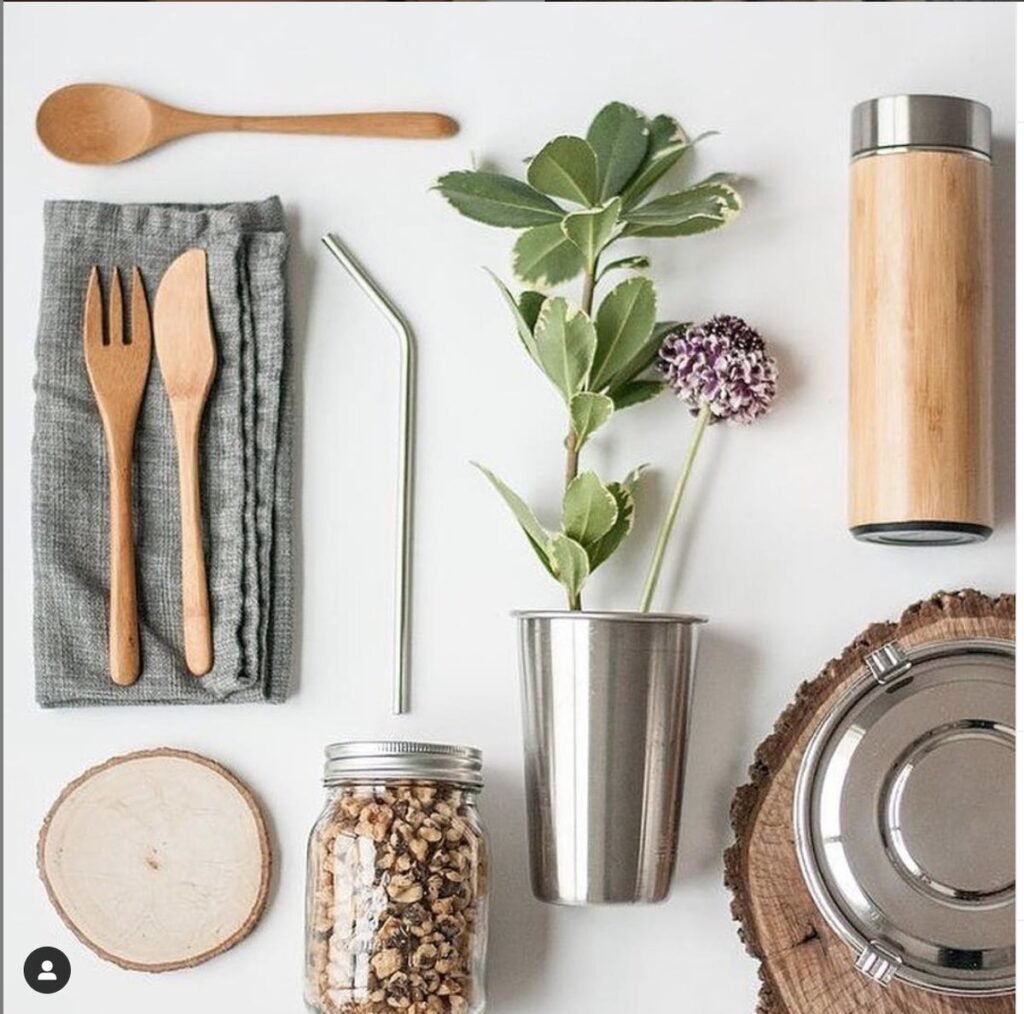
Old plastic containers can store bulk items. Empty jars can replace new storage purchases. Even plastic bags can be reused multiple times before being discarded.
This approach removes pressure. You don’t need to buy a full set of eco-friendly products right away. You simply extend the life of what you already own.
And as those items naturally wear out, you can replace them with better alternatives—gradually, and without unnecessary expense.
- Support stores that make it easier
Not all shopping environments are the same. Some stores make plastic-free choices easier than others.
Look for places that offer bulk sections, minimal packaging, or refill options. Local markets often provide more flexibility than large chain stores.
Supporting these businesses isn’t just about convenience. It also sends a signal. When more people choose plastic-conscious options, stores are more likely to expand them.
Even if you can’t do all your shopping this way, incorporating it where possible can make a noticeable difference.
- Accept imperfection and keep going
Perhaps the most important idea isn’t about what you buy—but how you think about the process.
You will forget your reusable bag sometimes. You will buy something wrapped in plastic because there’s no alternative. You will make choices that don’t align perfectly with your goals.
That’s okay.
Plastic-free living isn’t about achieving zero overnight. It’s about reducing where you can, learning as you go, and staying consistent over time.
Ironically, letting go of perfection often leads to better results. When you remove the pressure to “do everything right,” you’re more likely to keep going.
And consistency, not perfection, is what creates real change.
A small reflection exercise
Before your next shopping trip, try this simple exercise:
Pause for a moment and ask yourself three questions:
What do I actually need?
What can I avoid taking if it’s offered automatically?
What small change can I try this time?
You don’t need long answers. Just a moment of awareness.
Over time, these small pauses reshape your habits in ways that feel natural rather than forced.
A practical weekly checklist
Here’s a simple checklist you can use to build consistency:
- Bring at least one reusable bag
- Skip produce plastic bags
- Choose one unpackaged item over a packaged one
- Say no to one unnecessary plastic item
- Reuse one container from home
- Try one plastic-free alternative
You don’t have to do all of these every time. Even doing two or three consistently can lead to noticeable change within weeks.
FAQs
- Is plastic-free shopping expensive?
Not necessarily. In many cases, buying unpackaged or bulk items can actually be cheaper. You also save money by reusing containers and avoiding single-use products. While some eco-friendly alternatives have a higher upfront cost, they often last longer, making them more economical over time.
- What if I don’t have access to bulk stores?
You can still reduce plastic by choosing items with minimal packaging, buying larger sizes to reduce overall waste, and reusing what you already have. Even small changes—like skipping plastic bags—make a difference regardless of where you shop.
- How do I remember to bring reusable bags?
Keep one in places you always access—your backpack, car, or near your door. Some people tie it to their keys or set reminders on their phone. Over time, it becomes a habit you don’t need to think about.
- Is it okay to still use plastic sometimes?
Yes. The goal isn’t perfection. It’s reduction. There will be situations where plastic is unavoidable, and that’s okay. Focus on the changes you can make consistently rather than stressing over every single item.
- How long does it take to see results?
You’ll likely notice changes immediately—less plastic coming into your home after just a few shopping trips. Within a few weeks, these habits can feel natural, and the reduction becomes more noticeable.
- Can one person really make a difference?
Individually, the impact may seem small. But habits spread. When others see your choices, it can influence them. And collectively, these small actions add up to meaningful change.
Closing thoughts
Plastic-free shopping isn’t a destination you reach—it’s a direction you choose.
It’s found in small moments: the decision to carry a bag, to decline an extra item, to choose something slightly less convenient but more intentional.
These choices don’t need to be dramatic to matter. In fact, the simpler they are, the more likely they are to last.
And that’s where real change happens—not in perfect systems, but in everyday actions repeated over time.