5 Powerful Shopping Plastic Free Living Lessons I Learned
I didn’t wake up one morning and decide to eliminate plastic from my life. It wasn’t a bold declaration or a trendy challenge I picked up after scrolling through social media. It started quietly, almost inconveniently, with a torn grocery bag and a moment of hesitation at a checkout counter. That small moment turned into a question, and the question turned into a lifestyle shift that reshaped the way I shop, consume, and even think.
Plastic-free living, especially when it comes to shopping, is often painted as either impossibly strict or effortlessly aesthetic. The truth sits somewhere in between. It is messy, imperfect, and deeply personal. Over time, I gathered lessons—not from guides or rules—but from experience, mistakes, and the gradual rewiring of habits.
What follows are five powerful lessons I learned while trying to shop with less plastic. These are not commandments. They are lived experiences, shaped by trial and error, and hopefully, they offer something more than just advice—they offer perspective.
lesson one: perfection is the fastest way to fail
The first mistake I made was trying to do everything at once.
I walked into a store determined to buy nothing wrapped in plastic. Within minutes, I realized how unrealistic that expectation was. Bread was wrapped. Rice was sealed. Even vegetables, which I thought would be safe, were sometimes pre-packaged. I left frustrated, empty-handed, and oddly defeated.
That day taught me something essential: aiming for perfection in a system built on convenience is a recipe for burnout.
Instead of asking, “How can I eliminate all plastic?” I began asking, “Where can I reduce it today?”
This subtle shift changed everything. It gave me room to breathe, to experiment, and to fail without quitting. I started with small wins—bringing my own shopping bag, choosing loose produce over packaged ones, skipping unnecessary items.
There were days I forgot my reusable bag. Days I gave in and bought plastic-wrapped snacks. But instead of seeing these as failures, I began to see them as part of the process.
Plastic-free shopping isn’t about being flawless. It’s about being conscious more often than not. It’s about choosing better when you can and forgiving yourself when you can’t.
lesson two: preparation is more important than motivation
Motivation is a wonderful thing—until it disappears.
In the early days, I relied heavily on motivation. I would feel inspired, make a plan, and head out determined to shop responsibly. But motivation is unpredictable. Some days it shows up, other days it vanishes without explanation.
What stayed consistent, however, was preparation.
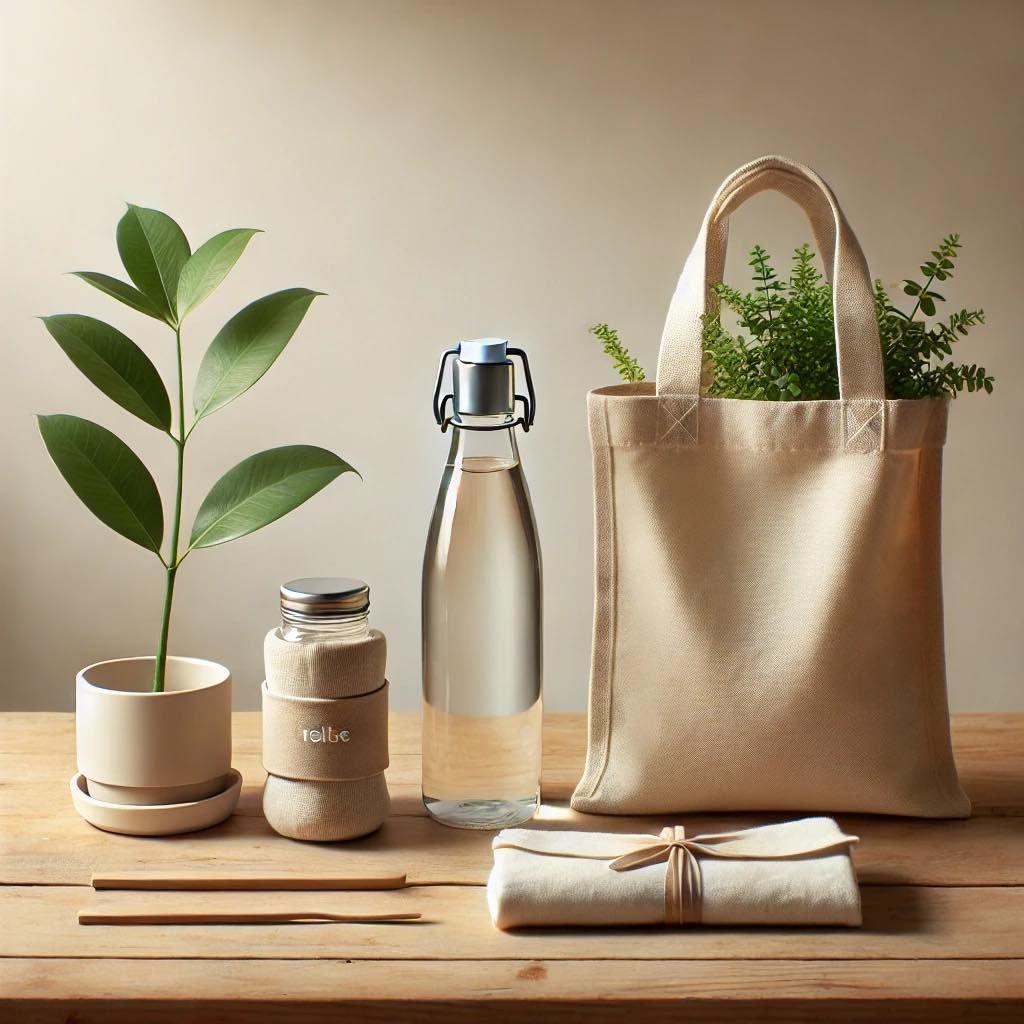
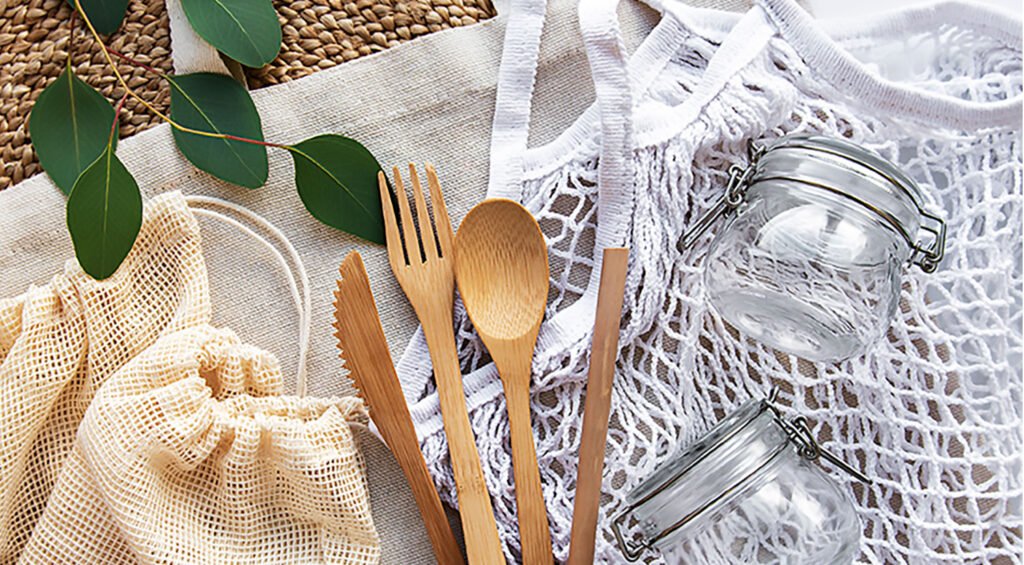
I began to create small systems that made plastic-free shopping easier. A set of cloth bags stayed near the door. A few reusable produce bags lived inside my backpack. I kept a mental list of stores that offered bulk options or unpackaged goods.
These weren’t grand changes. They were simple adjustments that removed friction.
Over time, I noticed something interesting. The less I had to rely on willpower, the more consistent I became. Preparation turned intention into habit.
Even something as small as carrying a reusable container made a difference. It opened up possibilities—buying loose snacks, avoiding takeout packaging, or even asking a shopkeeper to use my container instead of plastic.
Preparation isn’t about being rigid. It’s about making the better choice the easier choice.
lesson three: plastic-free living is as much social as it is personal
I used to think this journey was entirely individual. My choices, my habits, my responsibility.
Then I tried saying “no” to plastic in front of other people.
At first, it felt awkward. Declining a plastic bag at a busy store. Asking for something without packaging. Bringing my own container when everyone else didn’t. It drew attention, sometimes curiosity, sometimes confusion.
But it also opened conversations.
People would ask questions. Some out of genuine interest, others out of skepticism. I learned to respond without preaching, to share without judging. And slowly, I noticed something shift.
A friend started carrying a reusable bottle. A family member began avoiding single-use bags. A shopkeeper remembered my preference and offered alternatives.
Plastic-free living, I realized, isn’t just about reducing waste—it’s about influencing culture, even in small ways.
At the same time, I also had to learn acceptance. Not everyone will understand or participate. And that’s okay.
The goal isn’t to convince everyone. The goal is to stay consistent enough that your actions speak louder than your explanations.
lesson four: convenience has a hidden cost
Modern shopping is built on convenience. Everything is designed to be quick, easy, and disposable. Plastic plays a central role in this system—it’s light, cheap, and incredibly versatile.
But convenience often hides its true cost.
Every time I chose a plastic-wrapped item because it was easier, I began to ask myself a simple question: easier for whom?
Easier for me, in that moment, perhaps. But not easier for the environment. Not easier for future generations. Not easier for the systems that have to deal with the waste.
This realization didn’t lead me to reject convenience entirely. Instead, it made me more selective.
I started distinguishing between necessary convenience and unnecessary convenience.
Buying packaged medicine? Necessary.
Buying individually wrapped fruits? Probably not.
This awareness helped me make more intentional choices without feeling overwhelmed. It also made me more willing to invest a little extra time—visiting a different store, bringing my own containers, or preparing items at home.
Convenience isn’t the enemy. But unconscious convenience is.
lesson five: progress creates momentum
One of the most surprising lessons I learned was how small changes can lead to bigger ones.
At first, my efforts felt insignificant. Refusing a plastic bag didn’t seem like it would make a real difference. Bringing my own bottle felt like a drop in the ocean.
But something interesting happened.
Each small action reinforced the next. Saying no once made it easier to say no again. Choosing a plastic-free option in one category made me more aware in others.
Progress created momentum.
I began to notice patterns. I became more aware of waste. I started questioning other habits—not just in shopping, but in daily life.
The shift wasn’t just external. It was internal.
Plastic-free shopping became less about rules and more about identity. I wasn’t just someone trying to reduce plastic—I was someone who cared about what I consumed and how it impacted the world.
That identity made consistency easier. It turned effort into instinct.
And perhaps most importantly, it made the journey feel meaningful.
a day in the life: how these lessons show up in practice
To make this more tangible, here’s what a typical shopping day looks like for me now.
Before leaving the house, I do a quick check. Bags? Containers? List? It takes less than a minute, but it sets the tone.
At the store, I move differently than I used to. I spend a little more time in the produce section, choosing loose items. I scan shelves not just for price or brand, but for packaging.
Sometimes I still buy things in plastic. The difference is, now it’s a conscious decision rather than a default.
At checkout, I don’t reach for a bag. If I forgot mine, I improvise—carry items by hand or reuse something I already have.
When I return home, I notice less waste. Fewer wrappers, fewer bags, fewer things to throw away.
It’s not perfect. But it’s intentional.
beyond shopping: the ripple effect
What started as a shopping habit gradually influenced other areas of my life.
I became more mindful of food waste. More aware of what I truly needed versus what I simply wanted. More interested in quality over quantity.
Plastic-free living, in this sense, isn’t just about materials. It’s about mindset.
It encourages you to slow down, to question, to choose deliberately.
And in a world that often pushes speed and excess, that mindset feels quietly radical.
challenges that still exist
It would be misleading to present this journey as smooth or complete.
There are still challenges.
Some products simply don’t have plastic-free alternatives. Some situations—travel, emergencies, social events—make it difficult to stick to these habits.
There are moments of frustration. Moments when convenience wins. Moments when it feels like the system is too big to change.
But those moments don’t erase the progress. They are part of it.
Plastic-free shopping isn’t about reaching an endpoint. It’s about continuing, adapting, and doing what you can with what you have.
closing thoughts
If there’s one thing I’ve learned, it’s this: you don’t need to do everything to make a difference. You just need to start somewhere.
The lessons I’ve shared didn’t come from expertise. They came from experience—from showing up, trying, failing, and trying again.
Plastic-free living isn’t a destination. It’s a direction.
And every small step you take in that direction matters more than you think.
frequently asked questions
- is it expensive to shop plastic-free?
It can be, but it doesn’t have to be. In many cases, buying unpackaged or bulk items can actually save money. The key is to focus on basics—grains, fruits, vegetables—and avoid specialty “eco” products that tend to be overpriced.
- what if plastic-free options are not available in my area?
Do what you can with what’s available. Even small changes, like using reusable bags or avoiding unnecessary packaging, make a difference. The goal is reduction, not perfection.
- how do you handle situations where plastic is unavoidable?
Accept it and move on. Some situations require compromise. The important thing is to stay mindful and continue making better choices where possible.
- can one person really make a difference?
Yes, but not in isolation. Individual actions influence others, and collective change starts with individuals. Your choices can inspire conversations and shifts in behavior around you.
- how do you stay consistent over time?
Focus on habits rather than motivation. Prepare in advance, make things convenient, and allow yourself flexibility. Consistency grows from systems, not willpower.
- what is the easiest first step to start plastic-free shopping?
Start with something simple, like carrying a reusable bag or refusing plastic straws. Small, manageable steps build confidence and create momentum for bigger changes later.