7 Ultimate Zero Waste Plastic Free Living Swaps That Actually Work
There’s a quiet moment that happens when you notice how much plastic surrounds you. It usually isn’t dramatic. It might happen when you open a kitchen drawer and see layers of cling wrap, zip bags, and takeout containers. Or when the trash bin fills up just two days after being emptied. Or when you try to recycle and realize most of what you toss in the bin won’t actually be recycled.
This is the moment many people begin to wonder: Is there a better way to live?
Zero‑waste living often looks intimidating from the outside. People imagine spotless glass jars, perfectly organized pantries, and expensive eco‑stores. But the truth is far simpler and far more human. Real zero‑waste living isn’t about perfection. It’s about replacing what you already use with options that last longer, cost less over time, and feel surprisingly natural once you begin.
This article focuses on seven swaps that truly work in real homes, real kitchens, and real busy lives. These aren’t aspirational Pinterest ideas. They are practical changes that reduce waste dramatically without making life harder.
To make this more useful than a traditional article, you’ll find checklists, comparison tables, realistic scenarios, and habit‑building frameworks throughout the guide.
Let’s begin.
swap 1 — replace paper towels with reusable cloth systems
Paper towels feel harmless because they disappear quickly. One wipe and they’re gone. But that convenience hides the scale of waste they create.
An average household can go through 80–120 rolls of paper towels per year.
That equals:
• hundreds of trees
• thousands of liters of water used in production
• a continuous monthly expense
• non‑recyclable waste heading straight to landfills
The swap is simple: create a reusable cleaning cloth system.
What makes this swap actually work is not just buying cloths. It’s designing a system that makes cloth more convenient than paper.
How to build a reusable cloth system
Step 1 — assemble your cloth types
You don’t need fancy products. Start with:
| Type | Best Use | Quantity to Start |
|---|---|---|
| Old cotton T‑shirts | kitchen spills | 10–15 |
| Microfiber cloths | dusting & glass | 6–8 |
| Small towels | big messes | 6–10 |
| Cloth napkins | meals | 10–20 |
Step 2 — create a “dirty cloth bin”
This step is what makes the swap stick.
Instead of thinking “laundry”, think “cycle”.
Place a small basket under the sink labeled:
USED CLOTHS
This removes the mental friction of “what do I do with this now?”
Step 3 — laundry routine
Add cloths to your regular laundry every 2–3 days. No special process needed.
Cost comparison over 1 year
| Item | Annual Cost |
|---|---|
| Paper towels | $120–$200 |
| Reusable cloth setup | $30–$40 once |
Real life scenario
Before: wiping spills = grab paper towel, throw away
After: wiping spills = grab cloth, toss in bin
No extra steps. Just a different ending.
Why this swap works psychologically
It removes guilt.
It removes recurring purchases.
It removes the habit of disposable cleaning.
And within two weeks, paper towels begin to feel unnecessary.
swap 2 — trade plastic food storage for glass + steel
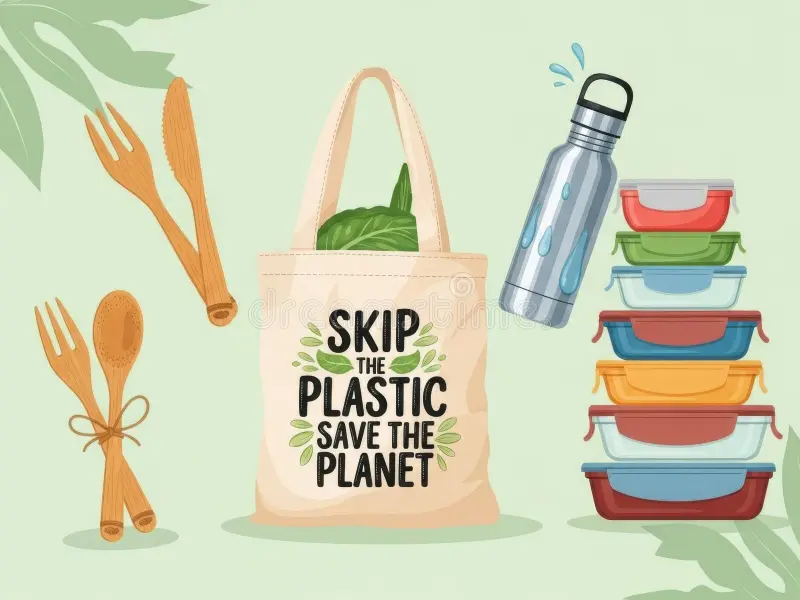
This swap has one of the biggest visual impacts in a kitchen. Plastic containers multiply mysteriously. Lids disappear. Containers stain. They warp. They crack. They pile up.
The zero‑waste alternative is not minimalism. It’s durability.
The winning trio:
• Glass containers
• Stainless steel containers
• Repurposed jars
Why this swap succeeds
Plastic containers fail slowly. Glass and steel rarely fail at all.
Lifetime comparison
| Material | Average lifespan | Replacement frequency |
|---|---|---|
| Plastic containers | 1–3 years | frequent |
| Glass containers | 10+ years | rare |
| Steel containers | lifetime | almost never |
Starter kit blueprint
Instead of replacing everything overnight, build gradually:
Month 1:
• Save jars from pasta sauce, pickles, jam
• Buy 2–3 glass containers
Month 2:
• Replace broken plastic containers with glass
• Add 1 stainless steel lunch container
Month 3:
• Donate remaining plastic containers
Practical benefits people rarely expect
• Glass doesn’t absorb smells
• Food stays fresher longer
• Oven safe + microwave safe
• Visual pantry organization improves eating habits
Hidden financial benefit
Food waste decreases.
When leftovers are visible, they get eaten.
Small habit shift
Place leftovers at eye level in fridge.
Out of sight = out of mind.
Clear containers change this.
swap 3 — ditch bottled soap for refill + bar systems
Bathroom plastic is sneaky. Shampoo, conditioner, hand soap, body wash, face wash, shaving gel. Multiply each by months and years.
The solution isn’t stopping hygiene products. It’s changing their format.
Two powerful replacements:
• Soap bars
• Refill stations or bulk containers
Comparison of product lifespan
| Product | Typical usage | Packaging waste per year |
|---|---|---|
| Liquid body wash | 1 bottle/month | 12 bottles |
| Soap bars | 1 bar/month | paper wrapper only |
Transition strategy that prevents frustration
Phase 1 — start with hand soap
Phase 2 — switch body wash to bar soap
Phase 3 — test shampoo bars
Many people fail by switching everything at once.
Instead, treat it like a gradual experiment.
Bathroom plastic audit checklist
Count how many of these you own:
□ Shampoo bottles
□ Conditioner bottles
□ Body wash bottles
□ Hand soap bottles
□ Face wash tubes
Now imagine eliminating 80% of them.
Minimalism happens naturally.
Travel bonus
Bars are flight‑friendly.
No liquid restrictions.
No leaks.
swap 4 — replace plastic grocery bags with a carry kit
Reusable bags are the most talked‑about swap, yet many people forget them repeatedly.
The problem is not intention. It’s lack of system.
The solution is a carry kit.
Your zero‑waste carry kit
Keep these permanently in your bag or car:
| Item | Purpose |
|---|---|
| Foldable tote bags | groceries |
| Mesh produce bags | fruits & vegetables |
| Small cloth bag | bulk items |
| Foldable box | heavy items |
Why this works
Forgetting happens when items don’t have a permanent home.
Create one location:
• Car trunk
• Backpack
• Handbag
Habit stacking trick
Attach the habit to leaving the house:
Wallet → Phone → Keys → Bags
Within weeks, it becomes automatic.
Unexpected benefits
• Bags hold more than plastic bags
• Stronger handles reduce breakage
• Easier to carry upstairs
• No bag clutter at home
Annual impact estimate
Average household plastic bags avoided:
500–1000 per year
swap 5 — stop buying bottled water forever
This swap feels obvious yet transformative.
The bottled water industry thrives on convenience and perceived purity.
But the reusable bottle + home filter combo eliminates the need completely.
Core setup
• Reusable water bottle
• Water filter (jug or tap filter)
Cost comparison over 5 years
| Item | Approximate cost |
|---|---|
| Bottled water habit | $2000–$5000 |
| Reusable bottle + filter | $150–$300 |
Hydration habit boost
People drink more water when they carry it.
Environmental impact
Plastic bottles take hundreds of years to degrade.
Daily habit redesign
Old habit:
Leave home → buy water
New habit:
Leave home → grab bottle
Small change. Massive long‑term impact.
swap 6 — replace cling wrap with reusable food covers
Cling wrap is one of the most frustrating plastics. It sticks to itself, tears easily, and gets thrown away immediately after use.
Reusable alternatives:
• Beeswax wraps
• Silicone lids
• Cloth bowl covers
Comparison chart
| Feature | Cling wrap | Reusable covers |
|---|---|---|
| Lifespan | single use | 1–2 years |
| Monthly cost | recurring | none |
| Waste produced | high | minimal |
Simple kitchen workflow change
Instead of reaching for a roll, create a wrap drawer.
Wrap drawer contents:
• Beeswax wraps folded flat
• Silicone lids stacked
• Cloth covers rolled
Visibility drives usage.
Daily kitchen scenarios
Covering leftovers
Wrapping sandwiches
Storing cut fruit
Covering dough bowls
These swaps quickly become routine.
swap 7 — swap disposable razors and hygiene tools
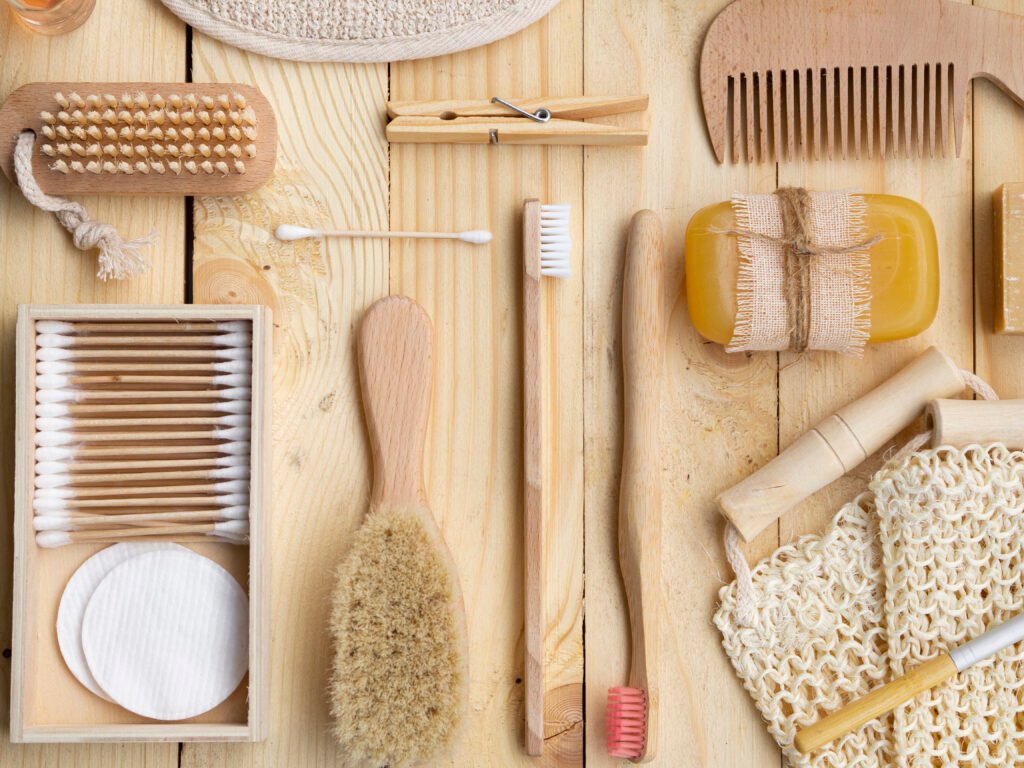
Bathroom disposables extend beyond bottles.
Common hidden waste:
• Disposable razors
• Cotton pads
• Makeup wipes
• Toothbrushes
Long‑term replacements
| Disposable | Replace with |
|---|---|
| Disposable razors | Safety razor |
| Cotton pads | Washable pads |
| Makeup wipes | Reusable cloth rounds |
| Plastic toothbrush | Bamboo toothbrush |
Lifetime cost comparison (razors)
Disposable razors over 10 years: $600–$1200
Safety razor over 10 years: $100–$200
Why this swap sticks
It reduces shopping frequency.
It reduces clutter.
It reduces long‑term cost.
the ripple effect of these seven swaps
When combined, these swaps remove the majority of household plastic waste.
Waste reduction estimate per year
| Category | Waste reduced |
|---|---|
| Paper towels | 100+ rolls |
| Plastic containers | dozens |
| Soap bottles | 30–50 bottles |
| Plastic bags | 500–1000 bags |
| Water bottles | hundreds |
| Cling wrap | dozens of rolls |
| Disposable hygiene | hundreds of items |
This is why these swaps matter.
Not because they’re trendy.
Because they compound.
how to start without overwhelm
The biggest mistake is trying everything at once.
Instead, use the 7‑week method.
| Week | Focus swap |
|---|---|
| 1 | Paper towel system |
| 2 | Grocery carry kit |
| 3 | Water bottle habit |
| 4 | Glass containers |
| 5 | Soap bars |
| 6 | Food covers |
| 7 | Hygiene tools |
One swap per week.
One habit per week.
Slow change becomes permanent change.
a realistic mindset for zero waste living
Zero waste does not mean zero trash.
It means less waste.
Some weeks will be perfect.
Some weeks will not.
Progress beats perfection.
Every reusable item represents thousands of disposables avoided over its lifetime.
Think in years, not days.
quick start checklist
Print or screenshot this:
Kitchen
□ Cloth cleaning cloths
□ Glass containers
□ Reusable food wraps
Bathroom
□ Soap bars
□ Reusable razor
□ Washable cotton pads
On‑the‑go
□ Water bottle
□ Reusable bags
Start here. Everything else follows naturally.
frequently asked questions
Is zero waste living expensive to start?
It can feel that way upfront, but most swaps pay for themselves within months. The key is replacing items gradually as they run out instead of throwing everything away and buying new products at once.
What if I forget my reusable bags or bottle?
Everyone forgets at first. Create a permanent home for your carry kit in your car or daily bag. Habit forms through repetition, not perfection.
Are glass containers safe for kids?
Yes. Many families use tempered glass containers designed for durability. Stainless steel is another excellent option for children’s lunches and snacks.
How long do beeswax wraps last?
Most beeswax wraps last about one year with proper care. They can even be refreshed at home by reapplying wax, extending their lifespan further.
What if my local stores don’t offer bulk or refill options?
You can still reduce waste significantly using bars, reusables, and refillable containers. Bulk shopping is helpful but not essential for a low‑waste lifestyle.
Is it okay to use up plastic items before replacing them?
Absolutely. The most sustainable option is always to use what you already own. Replace items gradually when they wear out or run out.
Zero‑waste living isn’t a finish line. It’s a shift in direction. These seven swaps work because they fit into everyday routines without demanding perfection. Over time, they transform not only your home but your relationship with consumption itself.
And the most surprising part? Once these swaps become normal, the old disposable lifestyle starts to feel like the inconvenient one.