10 smart zero waste plastic free living hacks for beginners
There is a strange moment that happens when you first notice how much plastic surrounds you. It usually begins small. A grocery bag stuffed inside another grocery bag. A drawer that refuses to close because takeaway containers keep multiplying. A trash bin that somehow fills up faster than the week moves. And then one day you realize something uncomfortable: most of what you throw away never truly goes away.
This article is not about perfection. It is about momentum. Zero waste living often sounds intimidating, expensive, and unrealistic, especially for beginners. But the truth is simpler and more hopeful. The journey starts with small, clever shifts that compound over time. What matters is not eliminating every piece of plastic overnight, but building habits that gradually reshape daily life.
Below are ten smart, beginner‑friendly hacks that make plastic‑free living feel approachable, practical, and even enjoyable.
hack 1: build your “leave‑the‑house kit”
Every zero‑waste journey begins outside the home. Most single‑use plastic enters our lives when we are unprepared: spontaneous coffee stops, surprise shopping trips, unexpected hunger. Convenience becomes the gateway to waste.
Instead of trying to resist temptation every time, remove the decision entirely by building a small “leave‑the‑house kit.”
Your kit can live in your backpack, car, or handbag. Think of it as your reusable survival pack.
starter kit checklist
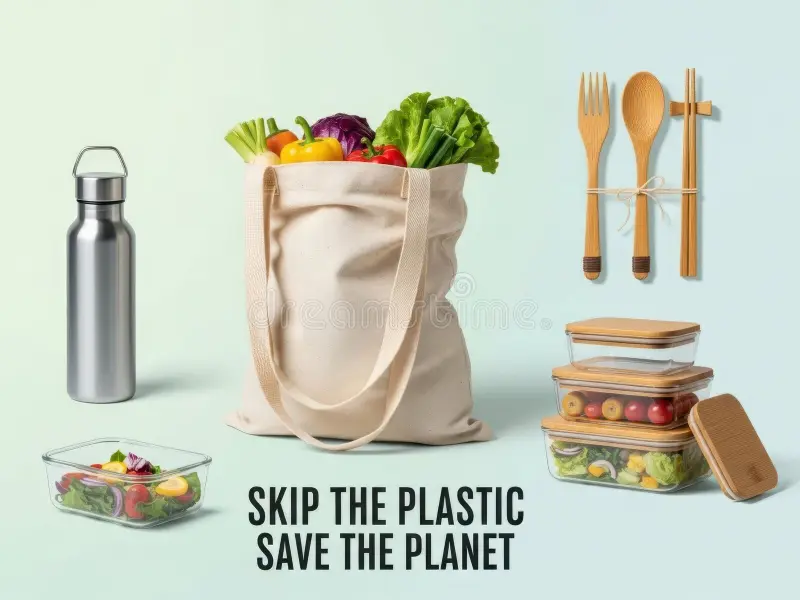
- reusable water bottle
- foldable shopping bag
- metal or bamboo cutlery set
- reusable coffee cup
- cloth napkin or handkerchief
- small food container
This tiny bundle prevents dozens of plastic items from entering your life every week. The real power of this hack is psychological. It shifts you from reactive to proactive living.
mini habit challenge
For the next 7 days, do not leave home without your kit. Track how many plastic items you avoid.
hack 2: switch your mindset from recycling to refusing
Many beginners believe recycling is the ultimate solution. Recycling is helpful, but it is the last line of defense. The real game changer is refusal.
A helpful way to remember the waste hierarchy:
| priority | action | meaning |
|---|---|---|
| 1 | refuse | say no to what you don’t need |
| 2 | reduce | use less overall |
| 3 | reuse | choose durable alternatives |
| 4 | recycle | process materials responsibly |
Refusing plastic straws, extra packaging, and unnecessary freebies feels awkward at first. But it becomes empowering quickly.
Practice scripts for everyday situations
- “No straw please.”
- “I brought my own bag.”
- “I don’t need a receipt.”
- “No plastic cutlery, thanks.”
At first it feels like speaking a new language. Soon it becomes second nature.
hack 3: start with the kitchen (the biggest plastic hotspot)
The kitchen is where most household plastic hides. The good news: it is also where the easiest swaps live.
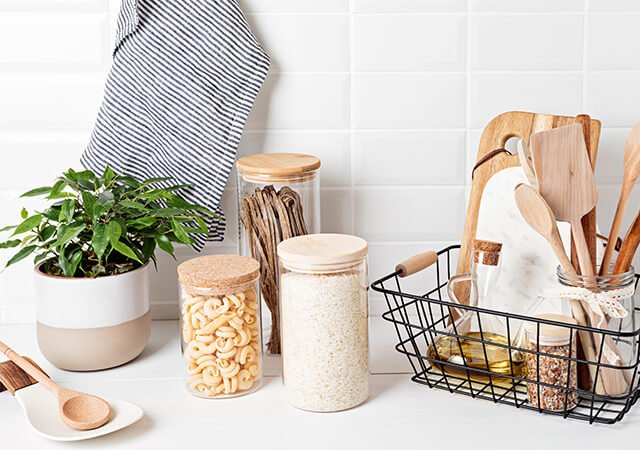
beginner kitchen swaps
Plastic wrap → beeswax wraps or plates as covers
Paper towels → washable cloth towels
Plastic sponges → wooden brushes or loofahs
Plastic containers → glass jars
Dish soap bottles → refill stations or soap bars
A simple beginner project
Spend one evening collecting every plastic item in your kitchen and placing them on the table. Seeing the volume in one place creates awareness that no documentary can match.
hack 4: become a jar collector
Glass jars are the superheroes of zero‑waste living. They replace storage containers, lunch boxes, pantry organizers, and travel bottles.
Ideas for reusing jars
- pantry storage (rice, lentils, spices)
- leftovers and meal prep
- homemade sauces and drinks
- DIY cleaning products
- gift packaging
Small mindset shift: instead of throwing jars away, think of them as free storage solutions.
jar inventory tracker
Create a simple rule: never buy storage containers until you’ve checked your jar collection first.
hack 5: shop like a minimalist
Shopping habits shape waste more than anything else. A beginner‑friendly approach is to slow down purchasing decisions.
Before buying anything, ask the “three question test”
- Do I truly need this?
- Do I already own something similar?
- Can I buy it second‑hand or package‑free?
This pause creates a buffer between desire and consumption.
smart shopping strategies
- buy loose fruits and vegetables
- choose bulk stores when possible
- prioritize durable products
- avoid individually wrapped snacks
Try the 48‑hour rule
Wait two days before buying non‑essential items. Many purchases disappear from your wishlist naturally.
hack 6: create simple DIY cleaning products
Cleaning products often come in heavy plastic bottles. Making your own is surprisingly easy and cost‑effective.
basic all‑purpose cleaner recipe
- 1 cup vinegar
- 1 cup water
- citrus peels (optional)
Shake in a reused spray bottle.
basic scrub recipe
- baking soda
- a few drops of water
These simple formulas replace dozens of plastic containers per year.
cost comparison table
| item | store bought cost per year | DIY cost per year |
|---|---|---|
| all‑purpose cleaner | high | very low |
| glass cleaner | medium | very low |
| bathroom cleaner | high | low |
The bonus: fewer harsh chemicals in your home.
hack 7: rethink personal care routines
Bathrooms are full of hidden plastic waste. Small swaps here create big impact.
easy beginner swaps
- bar soap instead of body wash
- shampoo bars instead of bottles
- bamboo toothbrush
- safety razor instead of disposable razors
- refillable deodorant or DIY options
transition tip
Do not throw away current products. Finish what you own first. Zero waste living is about reducing waste, not creating new waste by discarding usable items.
hack 8: fall in love with second‑hand shopping
Buying second‑hand prevents waste before it even exists. It also saves money and introduces you to unique finds.
great items to buy second‑hand
- clothing
- furniture
- books
- kitchen tools
- décor
mindset shift
Second‑hand shopping transforms consumption into circular living.
Beginner challenge
Try a “no new clothes” month. Notice how creative you become with what you already own.
hack 9: master food planning and leftovers
Food waste and plastic waste are deeply connected. When food spoils, packaging was wasted too.
simple weekly meal planning method
- Check what you already have.
- Plan meals around those ingredients.
- Shop with a focused list.
- Prep ingredients in advance.
leftover transformation ideas
- roasted vegetables → soup
- stale bread → croutons
- fruit → smoothies
- rice → fried rice
This reduces both packaging and food waste dramatically.
hack 10: build community and share resources
Zero waste becomes easier when shared. Borrowing and sharing reduce the need to buy new items.
items perfect for sharing
- tools
- party decorations
- books
- gardening equipment
- kitchen appliances
Conversation starter examples
- “Can I borrow your drill this weekend?”
- “Would you like to swap books?”
- “Let’s share bulk groceries.”
Community transforms zero waste from a solo effort into a collective movement.
a realistic zero waste starter roadmap
week 1
Build your leave‑the‑house kit.
week 2
Replace paper towels and plastic wrap.
week 3
Switch to bar soap and reusable bags.
week 4
Start meal planning and DIY cleaners.
By the end of one month, your lifestyle will already look different.
the emotional side of zero waste living
Beginners often expect instant transformation. Instead, they encounter mistakes, forgotten bags, and occasional frustration. This is normal.
Progress is not linear. Some days you remember your reusable cup. Other days you forget everything and accept a plastic straw.
What matters is returning to the path without guilt.
A helpful mantra
“Imperfect action beats perfect intention.”
a beginner’s plastic audit worksheet
Use this reflection exercise.
My most common plastic items
My easiest swaps this month
My biggest challenge
This simple reflection keeps the journey intentional.
the financial benefits beginners don’t expect
Many people assume zero waste living is expensive. In reality, it often reduces spending.
areas where people save money
- fewer impulse purchases
- reusable items replace disposables
- DIY cleaners and personal care
- second‑hand shopping
- reduced food waste
Over time, sustainability aligns with frugality.
how small habits create massive impact
Imagine replacing just three plastic items daily.
3 items × 365 days = 1,095 items avoided per year.
Multiply that by millions of households, and small changes become global change.
Zero waste is not about one person doing everything perfectly. It is about millions doing something imperfectly.
faqs
- is zero waste living expensive to start?
Not necessarily. Most beginner swaps involve using what you already own, buying second‑hand, or creating simple DIY alternatives. Over time, many people actually spend less. - do i need to throw away all my plastic items immediately?
No. The most sustainable choice is to use what you already have until it wears out. Replace items gradually with reusable alternatives. - what if i forget my reusable items often?
Forgetting is part of the learning process. Keep backup items in your car or bag and focus on building the habit slowly. - can zero waste living really make a difference?
Yes. Individual actions influence markets, businesses, and communities. Collective small changes lead to large‑scale impact. - how do i stay motivated long‑term?
Track your progress, celebrate small wins, and connect with others who share similar goals. - what is the easiest first step for beginners?
Start with a reusable shopping bag and water bottle. These two swaps alone eliminate hundreds of plastic items each year.
Zero waste living begins quietly. A bag remembered. A straw refused. A jar saved. Over time, these small moments weave together into a lifestyle that feels lighter, more intentional, and deeply empowering. The goal is not perfection. The goal is progress — one smart, plastic‑free choice at a time.