
8 Essential Shopping Plastic Free Living Tips for Beginners
There is a quiet moment that happens the first time you notice how much plastic you bring home after a single grocery trip. It is not dramatic. It is not loud. It is simply the rustle of bags, the crinkle of wrappers, the small mountain of packaging sitting on your kitchen counter. For many, that moment becomes the starting point of a different way of living—one that feels lighter, more intentional, and surprisingly satisfying.
Plastic-free living is often misunderstood as something extreme, expensive, or reserved for people with endless time and access to specialty stores. But the truth is simpler and far more encouraging: it begins with small, manageable shifts. Especially when it comes to shopping, a few thoughtful changes can reduce a significant amount of waste almost immediately.
This article is not just a list of tips. It is a lived-in guide, a collection of practical ideas, reflections, and habits that you can weave into your routine without turning your life upside down. If you are just starting, think of this as a gentle roadmap rather than a strict rulebook.
- Start with awareness, not perfection
Before changing anything, observe your current habits. For one week, pay attention to what you buy and how it is packaged. Notice how often plastic shows up—bread bags, snack wrappers, produce packaging, bottled drinks, and even items you did not expect, like spices or frozen foods.
You do not need to judge yourself during this phase. The goal is simply to understand your baseline. Many beginners make the mistake of trying to eliminate all plastic immediately, which often leads to frustration. Awareness gives you clarity, and clarity helps you make realistic changes.
A simple exercise can help: after each shopping trip, take five minutes to separate plastic packaging from everything else. This visual representation is powerful. It tells a story that numbers cannot.
- Build your reusable kit gradually
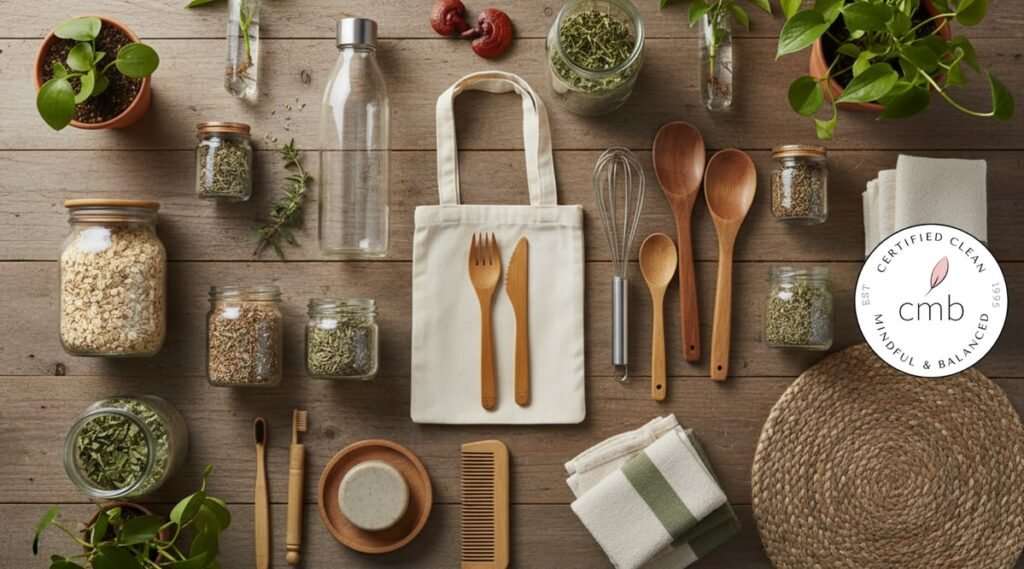
One of the most effective ways to reduce plastic is to carry reusable alternatives. But you do not need to buy everything at once. In fact, rushing to purchase a complete “zero-waste kit” can lead to unnecessary spending and even more waste if items go unused.
Start with the basics:
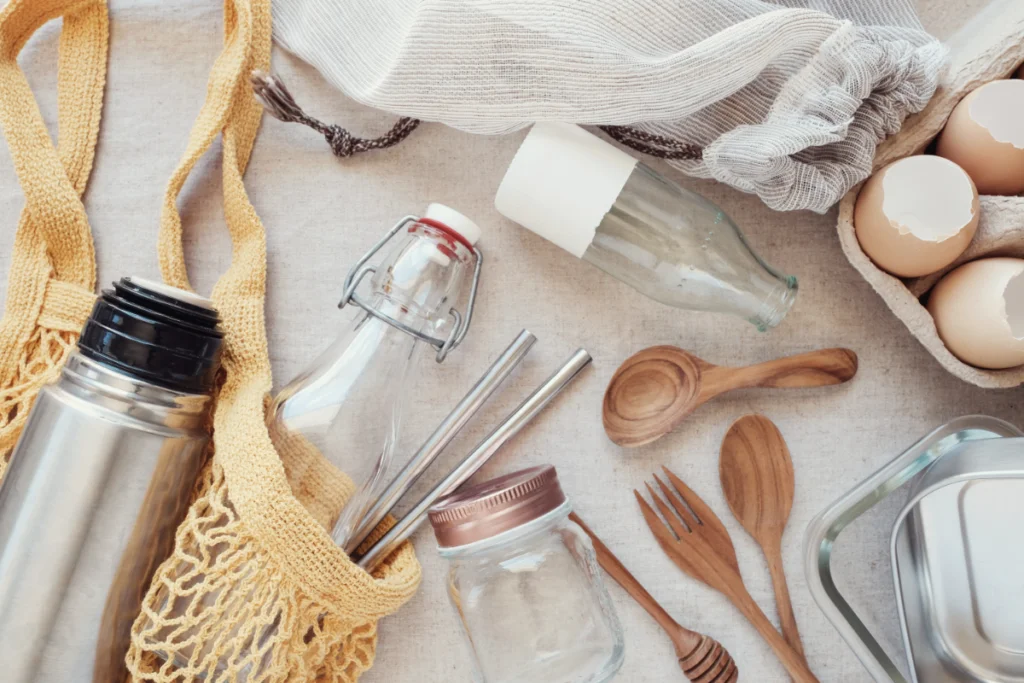
- A sturdy cloth shopping bag
- A couple of produce bags (or reuse old fabric at home)
- A reusable water bottle
- A container for takeaway food
Keep these items somewhere visible—near your door or inside your daily bag—so you remember to take them with you. Over time, you can add more items based on your needs, like a reusable coffee cup or glass jars.
There is something deeply satisfying about reaching for your own bag instead of accepting a plastic one. It feels like a small act of independence.
- Choose loose and unpackaged items whenever possible
Supermarkets are designed for convenience, and plastic packaging is part of that system. But if you look closely, there are often alternatives hiding in plain sight.
Instead of buying pre-packaged fruits and vegetables, choose loose produce. Not only does this reduce plastic, but it also allows you to select exactly the quantity you need, reducing food waste.
Visit local markets when you can. Vendors often use less packaging, and you can hand over your own bags. Even in regular stores, you can skip plastic bags for items like bananas, potatoes, or onions—they do not need them.
This shift may feel small, but it quickly adds up. Imagine removing dozens of plastic bags from your weekly routine.
- Learn the art of saying “no, thank you”
One of the most underrated skills in plastic-free shopping is the ability to politely refuse unnecessary items. Plastic bags, straws, disposable cutlery, and extra packaging are often given automatically.
A simple “no, thank you” can prevent waste before it even enters your home.
At first, it might feel awkward. You may worry about inconveniencing the cashier or standing out. But with practice, it becomes second nature. Most people respond positively, and some may even feel inspired to reconsider their own habits.
This tip is not about confrontation. It is about quiet, consistent choices that align with your values.
- Rethink convenience and plan ahead
Plastic often thrives on last-minute decisions. When you are in a hurry, it is easier to grab pre-packaged food, bottled drinks, or individually wrapped items.
Planning ahead changes everything.
If you know you will be out for a long day, carry snacks in a reusable container. If you expect to buy groceries, bring your bags. If you might get a takeaway meal, keep a container with you.
These small acts of preparation reduce the need for single-use plastic and make your day smoother. You are no longer dependent on what is available—you come prepared.
Over time, this habit creates a sense of calm. You are not reacting to situations; you are anticipating them.
- Support stores and brands that reduce packaging
Your choices as a shopper have power. When you consistently choose products with minimal or no plastic packaging, you send a message to retailers and producers.
Look for:
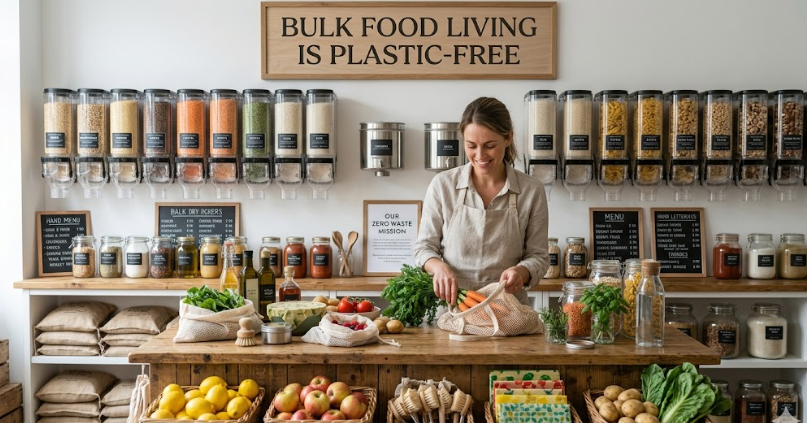
- Bulk stores where you can bring your own containers
- Products packaged in glass, paper, or metal
- Local businesses that prioritize sustainability
Even if these options are not always available, choosing them when you can makes a difference. If a store does not offer plastic-free options, consider giving feedback. Many businesses are more responsive than we assume.
This tip is not about being perfect. It is about shifting demand, one purchase at a time.
- Reuse what you already have
A common misconception about plastic-free living is that you must get rid of all plastic immediately. In reality, the most sustainable approach is to use what you already own for as long as possible.
If you have plastic containers, use them. If you have plastic bags, reuse them until they wear out. Throwing them away prematurely only adds to the problem.
Glass jars from sauces or pickles can become storage containers. Old T-shirts can be turned into produce bags. Creativity plays a big role here.
This mindset shifts your focus from consumption to resourcefulness. It reminds you that sustainability is not about buying new things—it is about making better use of what you have.
- Accept progress over perfection
Perhaps the most important tip of all is this: you will not get it right every time.
There will be days when you forget your reusable bag, buy something wrapped in plastic, or choose convenience over intention. That is okay.
Plastic-free living is not a destination; it is a practice. Every small step counts. Reducing your plastic use by even 30–50% has a meaningful impact.
Celebrate your progress. Notice how your habits evolve. Pay attention to the moments when your choices feel easier than they did before.
Over time, what once felt like effort becomes routine. And that is when real change happens.
A deeper reflection on the journey
Living with less plastic is not just about shopping differently. It is about seeing the world differently. You begin to notice systems—how products are made, packaged, and distributed. You become more aware of waste, not just in your own life but in the wider environment.
There is also a personal shift. Many people find that reducing plastic leads to a simpler lifestyle. You buy less, waste less, and value what you have more. Your home feels less cluttered. Your routines feel more intentional.
This journey can also connect you with others. Whether it is a conversation with a shopkeeper, a shared tip with a friend, or an online community, you realize that you are not alone in this effort.
Practical examples to bring it all together
Imagine a typical shopping day before and after adopting these tips.
Before:
You leave home without a plan, stop by a store, pick up pre-packaged items, accept plastic bags, and return home with multiple layers of packaging.
After:
You carry a cloth bag and a couple of containers. You choose loose produce, skip unnecessary packaging, and politely decline plastic bags. You come home with less waste and a sense of satisfaction.
The difference is not just in the amount of plastic—it is in how you feel about your choices.
Frequently Asked Questions
- Is plastic-free shopping more expensive?
Not necessarily. In many cases, buying loose produce or items in bulk can actually save money. You also reduce impulse purchases when you plan ahead. While some reusable items have an upfront cost, they are usually a one-time investment that pays off over time.
- What if plastic-free options are not available in my area?
Do what you can with what you have. Focus on reducing rather than eliminating plastic. Choose the least packaged option available, reuse items, and gradually incorporate changes. Even small efforts matter.
- How do I remember to bring reusable bags?
Make it part of your routine. Keep bags near your door, in your car, or inside your daily bag. After a few weeks, it becomes a habit. Some people also place reminders on their phone until it sticks.
- Can I still buy packaged items if I need to?
Yes. Plastic-free living is not about strict rules. There will be situations where packaged items are the only option. The goal is to reduce overall usage, not to eliminate it completely at all costs.
- How do I deal with social situations or takeaway food?
Carry a small container or reusable cutlery when possible. If that is not practical, simply do your best in the moment. You can also suggest dining options that use less packaging when planning with others.
- How long does it take to see a difference?
You may notice a reduction in plastic waste within the first week. Over a few months, the changes become more significant as your habits solidify. The key is consistency rather than speed.
Closing thoughts
Plastic-free shopping is not about being perfect or impressing others. It is about making choices that feel aligned with your values, one step at a time.
You do not need to change everything overnight. Start small. Stay curious. Allow yourself to learn and adapt.
In the end, it is not just about reducing plastic. It is about creating a way of living that feels lighter, more mindful, and deeply connected to the world around you.