6 proven shopping plastic free living hacks that actually help
There’s a quiet moment that often starts it all. You’re standing at a checkout counter, watching items slide across the scanner, one after another, each wrapped, bagged, or cushioned in plastic. You didn’t plan to bring home so much of it, yet here it is—accumulating without permission, without pause. That’s where many plastic-free journeys begin—not with perfection, but with awareness.
This article is not about achieving some ideal version of a zero-waste lifestyle overnight. It’s about practical, lived-in strategies that actually work in the messy, real world. These are the kinds of habits that don’t require radical life changes but still make a measurable difference over time.
Let’s walk through six proven shopping hacks that help reduce plastic waste in ways that feel natural, sustainable, and—most importantly—doable.
bringing your own bags is just the beginning, not the end
Most people think going plastic-free starts and ends with reusable shopping bags. While that’s a good first step, it barely scratches the surface. The real shift happens when you rethink how you carry everything—not just groceries.
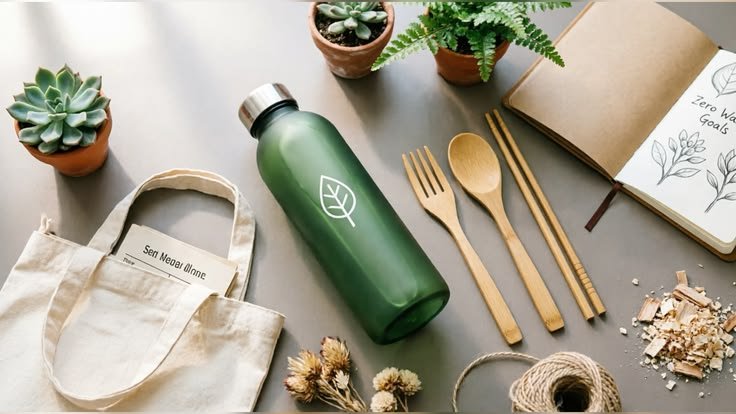
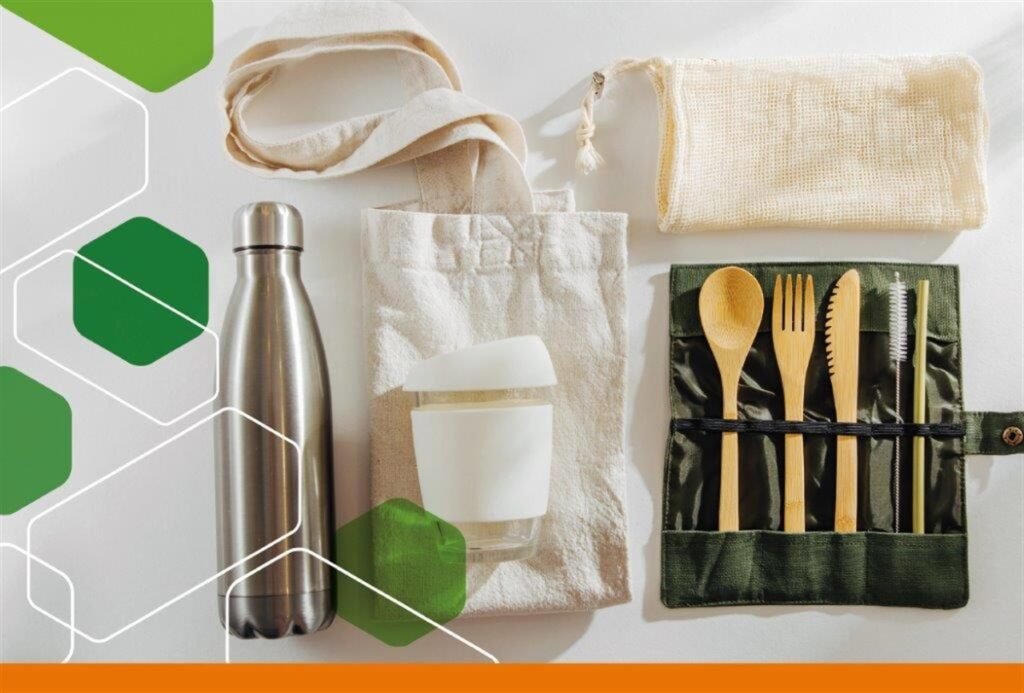
Consider the different types of bags you actually need:
– sturdy cloth bags for general shopping
– mesh or cotton produce bags for fruits and vegetables
– small pouches or jars for bulk items
– a foldable bag that lives permanently in your pocket or car
The trick is to build a system that fits your routine. For example, keep a small “kit” in your car or backpack. Over time, grabbing it becomes automatic—just like picking up your phone or wallet.
There’s also a psychological shift here. When you bring your own containers, you’re no longer a passive consumer. You’re actively participating in how your items are packaged—or not packaged at all.
real-life reflection
At first, you will forget. Everyone does. You’ll stand in line and realize your reusable bags are sitting at home. Instead of feeling guilty, treat it as feedback. Adjust your system. Maybe you need more bags. Maybe they need to live somewhere more visible.
choosing products with less packaging is more powerful than recycling
Recycling feels good. It gives the impression that waste is being handled responsibly. But the truth is, not all plastic gets recycled—and even when it does, the process consumes energy and resources.
The more effective strategy is to avoid unnecessary packaging in the first place.
When you’re shopping, start noticing patterns:
– some brands wrap everything in layers of plastic
– others use paper, glass, or minimal packaging
– some stores offer loose produce instead of pre-packaged options
Your choices send signals. When enough people choose products with less plastic, companies start to respond.
small habit shift exercise
Next time you shop, pick just one category—like snacks or vegetables—and choose the least packaged option available. Don’t worry about everything else yet. Focus on one win at a time.
Over weeks and months, these small decisions compound into a significant reduction in plastic waste.
buying in bulk (even a little) changes everything
Bulk shopping sounds intimidating at first. Images of large bins, scoops, and complicated weighing systems might come to mind. But it doesn’t have to be complicated.
Start small.
Look for items you already use regularly:
– rice
– lentils
– nuts
– spices
Bring your own containers if the store allows it, or reuse packaging you already have. Even if you only buy one or two items in bulk, you’re cutting down on multiple layers of plastic over time.
unexpected benefit
Buying in bulk often helps you become more mindful about how much you actually need. Instead of grabbing a fixed-size package, you choose your quantity. This reduces both waste and overspending.
If bulk stores aren’t accessible in your area, you can still apply the principle by choosing larger packages instead of multiple small ones. It’s not perfect, but it’s progress.
rethinking convenience: the hidden cost of “quick and easy”
Plastic thrives on convenience. Pre-cut vegetables, individually wrapped snacks, ready-to-eat meals—all designed to save time, but at the cost of excessive packaging.
The key isn’t to eliminate convenience entirely. It’s to redefine it.
Try preparing a few basics at home:
– wash and cut vegetables in advance
– portion snacks into reusable containers
– cook simple meals in batches
This creates your own version of convenience—one that doesn’t rely on disposable plastic.
short reflection
Ask yourself: is this product saving me time, or just shifting the effort somewhere else (like dealing with waste later)?
When you start seeing convenience through this lens, your shopping decisions naturally begin to change.
building relationships with local vendors and markets
There’s something different about buying from a person instead of a shelf. Local vendors—whether at markets or small shops—are often more flexible when it comes to packaging.
You can:
– ask for items without plastic wrapping
– bring your own containers
– request specific quantities
Over time, as vendors recognize you, these requests become easier. You’re no longer just a customer; you’re part of a small, informal system built on trust.
human element insight
Plastic-free living isn’t just about materials. It’s about relationships. When you connect with the people who sell your food, you gain more control over how it’s packaged and handled.
Even in urban areas, small changes like choosing a local bakery over a large chain can reduce plastic use significantly.
learning to say “no” without overthinking it
One of the simplest yet most powerful habits is learning to decline unnecessary plastic items:
– plastic bags
– straws
– cutlery
– extra wrapping
It sounds easy, but in practice, it can feel awkward at first—especially in busy environments where everything moves quickly.
The trick is to make it automatic. No explanations. No apologies. Just a simple, polite “no, thank you.”
behavioral insight
Every time you say no, you reinforce your own identity as someone who values less waste. Over time, it becomes part of who you are, not just something you’re trying to do.
You’ll also notice something interesting: people around you start to pay attention. Sometimes they’ll even follow your lead.
bringing it all together: a flexible, not perfect, approach
Plastic-free living is often portrayed as an all-or-nothing lifestyle. In reality, it’s much more flexible. Some days you’ll remember everything—bags, containers, mindful choices. Other days, you won’t.
That’s okay.
What matters is the overall direction, not individual moments.
practical weekly rhythm
Instead of aiming for perfection, try this:
– pick one habit to focus on each week
– reflect on what worked and what didn’t
– adjust your approach
This turns plastic-free living into a process rather than a pressure.
over time, the invisible becomes visible
At first, these changes might feel small. Bringing a bag, choosing a different product, saying no to a straw—none of it seems dramatic.
But over time, something shifts.
You start noticing:
– how much plastic is avoided
– how your habits influence others
– how your awareness extends beyond shopping
Plastic-free living becomes less about effort and more about instinct.
And perhaps the most meaningful change is this: you begin to see yourself not just as a consumer, but as someone who shapes the system—one decision at a time.
frequently asked questions
- is it possible to go completely plastic-free while shopping?
In most cases, going completely plastic-free is extremely challenging, especially depending on where you live. The goal should be reducing plastic as much as possible rather than eliminating it entirely. Progress matters more than perfection. - what should i do if i forget my reusable bags?
If you forget your bags, try to carry items by hand if possible, reuse any packaging you already have, or opt for paper bags. More importantly, adjust your routine so your bags are easier to remember next time. - are paper and glass always better than plastic?
Not always. While paper and glass are often easier to recycle, they also require energy to produce and transport. The best option is usually the one you can reuse multiple times. - how can i reduce plastic when shopping online?
Look for retailers that use minimal or eco-friendly packaging. You can also group orders together to reduce shipping materials and avoid unnecessary returns, which often create additional waste. - is buying in bulk more expensive?
It depends on the product and location, but bulk buying is often cheaper in the long run. It also reduces packaging waste and allows you to buy exactly what you need. - how long does it take to build plastic-free habits?
It varies from person to person, but most habits become easier within a few weeks of consistent practice. The key is to start small and build gradually.
—
In the end, plastic-free shopping isn’t about doing everything right. It’s about doing something consistently. Each small choice adds up, not just in reducing waste, but in reshaping how we interact with the world around us.