Living a plastic-free life at home may sound overwhelming at first, but in reality, it is often simpler, cheaper, and more rewarding than most people expect. The modern world has normalized plastic to such an extent that we rarely question its presence in our kitchens, bathrooms, and daily routines. However, once you begin to notice how much plastic you use—and how easily it can be replaced—you start to see opportunities everywhere.
This article explores nine simple and practical ideas for reducing plastic use at home. These are not extreme lifestyle changes. Instead, they are small, realistic shifts that gradually build a more sustainable and cost-effective way of living. Along the way, you will also discover how these changes can save money, reduce clutter, and even improve your overall quality of life.
Let’s begin with a simple truth: plastic-free living is not about perfection. It is about intention.
- rethink grocery shopping habits
One of the biggest sources of plastic waste in any home is grocery shopping. From packaging to carry bags, plastic sneaks into almost every purchase. The good news is that small changes in how you shop can dramatically reduce this.
Start by switching to reusable cloth or canvas bags. These are durable, washable, and can last for years. Once you build the habit of carrying them, you will no longer need to rely on single-use plastic bags.
Another effective step is buying loose produce instead of pre-packaged items. Fruits and vegetables often come wrapped in plastic trays and films that are completely unnecessary. Choosing loose items not only reduces plastic but also allows you to buy exactly the quantity you need, reducing food waste.
Buying in bulk is another powerful strategy. Items like rice, lentils, flour, spices, and nuts are often available in bulk stores or local markets. Bringing your own containers or bags eliminates packaging waste entirely and often costs less than buying pre-packaged versions.
Over time, these habits become second nature. You spend less, waste less, and become more mindful of what you consume.
- switch to reusable kitchen essentials
The kitchen is another area where plastic dominates. From cling film to disposable wraps, these items are convenient but wasteful.
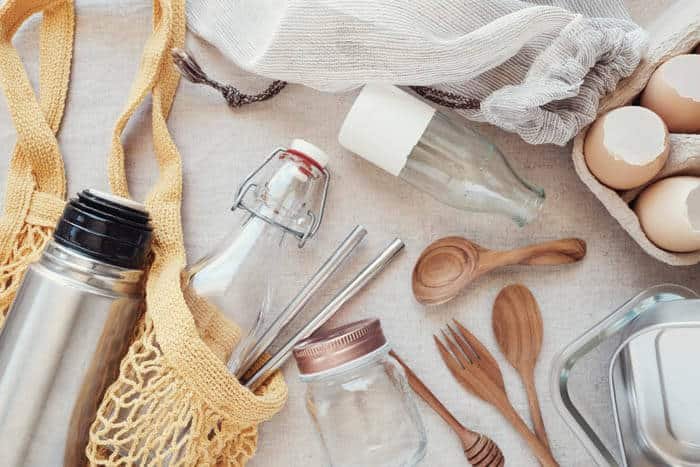
Instead of plastic wrap, consider using reusable alternatives like beeswax wraps or simply covering food with plates or cloth. These options are not only eco-friendly but also long-lasting, saving money in the long run.
Replace plastic storage containers with glass or stainless steel ones. While the initial investment may be higher, these materials are more durable, safer for food storage, and do not degrade over time like plastic does.
Even small changes like switching from plastic dish brushes to wooden ones or using natural fiber scrubbers can make a difference. These alternatives are biodegradable and often more effective.
The key here is to transition gradually. As your plastic items wear out, replace them with sustainable alternatives instead of throwing everything away at once.
- ditch bottled water
Buying bottled water is one of the most common and unnecessary uses of plastic. It is also one of the easiest habits to change.
Invest in a good-quality reusable water bottle made of stainless steel or glass. Pair it with a home water filtration system if needed. This combination ensures you always have access to clean drinking water without relying on single-use bottles.
Financially, the savings are significant. Bottled water costs far more over time compared to tap or filtered water. By making this switch, you reduce both expenses and plastic waste.
Additionally, carrying your own bottle encourages you to stay hydrated throughout the day, which is a small but valuable bonus.
- simplify bathroom products
The bathroom is often overlooked when it comes to plastic reduction, but it is filled with plastic packaging—from shampoo bottles to toothpaste tubes.
Start by switching to solid alternatives. Shampoo bars, soap bars, and conditioner bars eliminate the need for plastic bottles entirely. These products often last longer than their liquid counterparts, making them more economical.
Consider using a bamboo toothbrush instead of a plastic one. It performs the same function but is biodegradable.
Refillable options are also becoming more common. Some stores offer refill stations for liquid soaps and cleaning products, allowing you to reuse the same container multiple times.
Another simple switch is using a safety razor instead of disposable plastic razors. While the upfront cost is higher, replacement blades are inexpensive, and the razor itself can last a lifetime.
- make your own cleaning products
Commercial cleaning products often come in plastic bottles and contain chemicals that are not always necessary. Making your own cleaning solutions is both cost-effective and environmentally friendly.
Basic ingredients like vinegar, baking soda, and lemon can handle most cleaning tasks. For example, a mixture of vinegar and water works well as a general-purpose cleaner, while baking soda can be used for scrubbing.
Store these homemade solutions in reusable glass spray bottles. Not only does this reduce plastic waste, but it also cuts down on the cost of constantly buying new products.
Making your own cleaners also gives you control over what goes into your home environment, which can be especially beneficial for those with sensitivities or allergies.
- choose sustainable laundry practices
Laundry is another area where plastic use can be reduced significantly. Detergent bottles, fabric softener containers, and synthetic materials all contribute to the problem.
Switch to powdered detergent packaged in cardboard or opt for detergent strips that come in minimal packaging. These alternatives are often just as effective and take up less space.
Avoid using fabric softeners and dryer sheets, which often come in plastic packaging and contain chemicals. Instead, use wool dryer balls, which are reusable and help reduce drying time.
Another important consideration is microplastics. Synthetic fabrics like polyester shed tiny plastic fibers during washing. Using a washing bag designed to capture these fibers can help reduce environmental impact.
- embrace second-hand and minimalism
Reducing plastic is not just about replacing items—it is also about consuming less overall. Embracing a minimalist mindset can significantly reduce waste.
Before buying something new, ask yourself if you truly need it. Often, the answer is no. If you do need it, consider buying second-hand. Thrift stores, online marketplaces, and local exchanges are great places to find items without contributing to new production.
This approach saves money and reduces demand for plastic-heavy manufacturing processes. It also encourages a more thoughtful and intentional way of living.
Minimalism does not mean deprivation. It means focusing on what truly adds value to your life and letting go of the rest.
- reduce food waste and compost
Food waste and plastic waste often go hand in hand. When you waste less food, you also reduce the need for packaging and disposal.
Plan your meals carefully and store food properly to extend its shelf life. Use leftovers creatively instead of throwing them away.
Composting is another powerful practice. Organic waste like fruit peels, vegetable scraps, and coffee grounds can be turned into nutrient-rich compost instead of ending up in landfills.
Even if you do not have a garden, small indoor composting systems are available. This reduces the need for plastic garbage bags and contributes to a healthier environment.
- build long-term habits, not quick fixes
The most important aspect of plastic-free living is consistency. Quick changes are helpful, but long-term habits create lasting impact.
Start small and build gradually. Focus on one area at a time rather than trying to change everything overnight. Celebrate progress instead of aiming for perfection.
Involve your family or housemates in the process. When everyone participates, it becomes easier and more enjoyable.
Over time, these habits become part of your routine. What once felt like effort becomes second nature.
You will notice not only a reduction in plastic waste but also improvements in your finances, organization, and overall well-being.
the deeper impact of plastic-free living
Beyond the obvious environmental benefits, reducing plastic use has a deeper impact on your life. It encourages mindfulness, creativity, and resourcefulness.
You become more aware of your consumption patterns and more intentional in your choices. This awareness often extends to other areas of life, leading to healthier and more sustainable habits.
Financially, the savings add up over time. Reusable items, bulk buying, and DIY solutions all contribute to lower expenses.
Emotionally, there is a sense of satisfaction in knowing that your actions align with your values. Even small changes can create a meaningful difference when practiced consistently.
frequently asked questions
- is plastic-free living expensive to start?
It can seem expensive initially because some sustainable items have a higher upfront cost. However, most of these items are reusable and last much longer than their plastic counterparts. Over time, you actually save money by not constantly replacing disposable products.
- do i need to eliminate all plastic at once?
No, and it is not recommended. A gradual approach is more practical and sustainable. Replace plastic items as they wear out rather than throwing everything away immediately. This reduces waste and spreads out costs.
- what are the easiest changes to start with?
Some of the easiest changes include using reusable shopping bags, carrying a refillable water bottle, and switching to bar soap instead of liquid soap. These require minimal effort but have a noticeable impact.
- how do i shop without plastic packaging?
Look for local markets, bulk stores, or shops that allow you to bring your own containers. Choosing loose produce and avoiding heavily packaged items also helps. It may take some time to find the best options in your area.
- are homemade cleaning products effective?
Yes, for most everyday cleaning tasks, homemade solutions using ingredients like vinegar and baking soda are very effective. They are also safer, cheaper, and better for the environment.
- what if i cannot find plastic-free alternatives?
Do the best you can with what is available. Plastic-free living is about reducing, not achieving perfection. Even small changes make a difference, and options are increasing as demand grows.
In the end, plastic-free living is not about strict rules or drastic sacrifices. It is about making thoughtful choices that benefit both your household and the planet. Each step you take—no matter how small—contributes to a larger positive impact.