6 Proven Home Plastic Free Living Tricks That Last Long
There is something quietly revolutionary about refusing plastic in a world built almost entirely around it. It is not loud activism. It does not require slogans or dramatic gestures. It begins at home, in small daily decisions that compound over time into a lifestyle that is not only more sustainable but also more intentional, healthier, and often surprisingly economical.
Plastic-free living is often misunderstood as an extreme or inconvenient pursuit. In reality, it is less about perfection and more about persistence. The goal is not to eliminate plastic overnight, which is nearly impossible, but to reduce dependency on it in ways that are practical and long-lasting. The tricks that actually work are not the trendy ones that fade after a week—they are the ones that integrate seamlessly into your routine and stay with you.
Below are six proven home plastic-free living tricks that stand the test of time. These are not quick hacks. They are habits, systems, and mindset shifts that will continue to serve you for years.
- Build a refill and reuse system instead of relying on replacement
The biggest mistake people make when trying to reduce plastic is thinking in terms of replacing items one by one. They swap plastic toothbrushes for bamboo ones, plastic bottles for glass ones, and plastic containers for metal alternatives. While this is a good start, it is still rooted in a consumption mindset.
A more sustainable approach is to create a refill and reuse system at home.
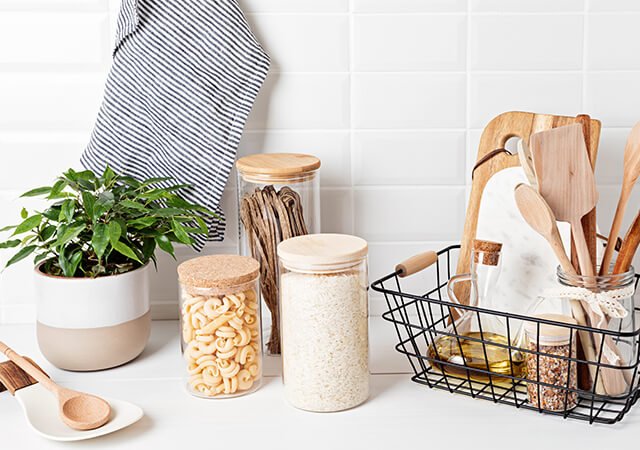
Start by identifying the products you use most frequently—cleaning liquids, cooking oils, grains, spices, soaps. Instead of repeatedly buying packaged versions, find ways to buy these in bulk or refill them. Store them in durable containers such as glass jars, stainless steel tins, or ceramic vessels.
The trick that makes this stick is convenience. If your refill system is complicated, you will abandon it. But if you organize your kitchen or pantry so that refilling becomes second nature, it becomes easier than buying packaged goods.
For example, designate a specific shelf for refill containers. Label them clearly. Keep measuring scoops inside jars. Make it visually appealing. When something runs low, you refill—not replace.
Over time, this reduces not just plastic waste but also the number of shopping trips and impulsive purchases. It creates a closed-loop system that feels stable and reliable.
- Switch to solid alternatives wherever possible
Liquids are one of the biggest contributors to plastic packaging. Think about shampoo bottles, body wash, dish soap, hand wash, and even cleaning sprays. Each of these comes in plastic, often used briefly and discarded.
Solid alternatives offer a long-term solution that is both effective and surprisingly enjoyable.
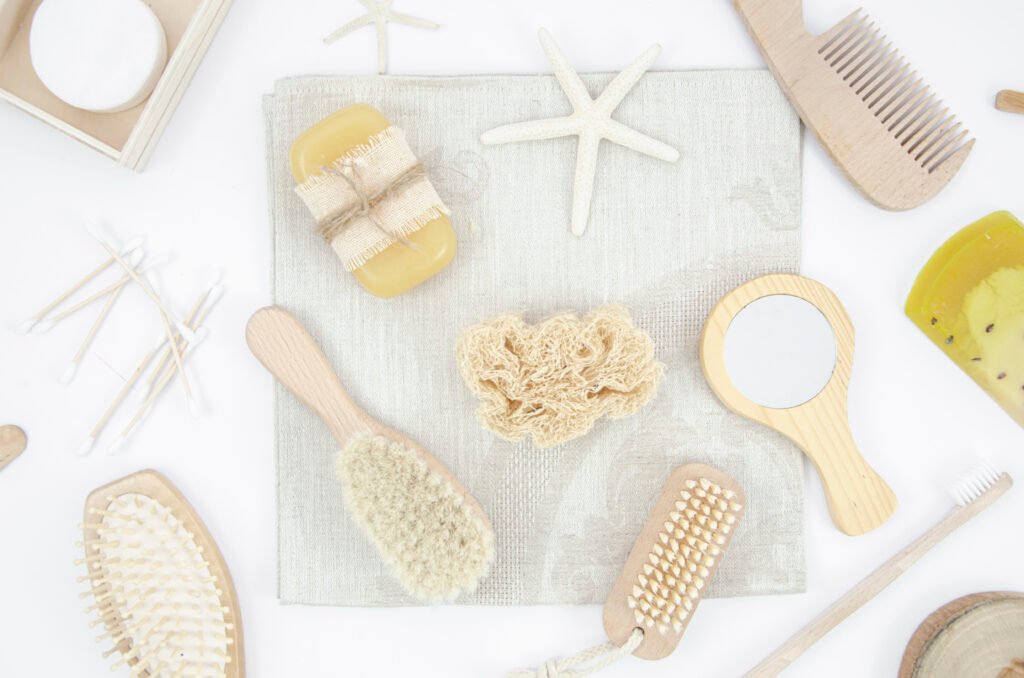
Shampoo bars, soap bars, dishwashing bars, and solid cleaners have come a long way in quality. They last longer than their liquid counterparts, take up less space, and usually come in minimal or compostable packaging.
The key to making this transition last is to choose the right products for your needs. Not every shampoo bar suits every hair type, and not every soap works for every skin. You may need to experiment a little at first. Once you find products that work well, the habit becomes effortless.
Storage matters too. Keep bars dry between uses by using draining soap dishes or racks. This prevents them from dissolving quickly and extends their lifespan.
This single shift can eliminate dozens of plastic bottles from your household every year, and because these products last longer, you will not feel like you are constantly replacing them.
- Redesign your kitchen habits, not just your tools
The kitchen is often the biggest source of household plastic waste. From cling wrap to food packaging, disposable bags, and takeaway containers, plastic finds its way into nearly every cooking and storage process.
Instead of simply replacing plastic items with eco-friendly alternatives, rethink the habits that require them in the first place.
For instance, instead of using plastic wrap, store leftovers in containers with lids or cover bowls with plates. Use cloth wraps or beeswax wraps for items that need flexibility. Replace disposable sandwich bags with reusable cloth pouches or containers.
More importantly, cook more intentionally. Plan meals to reduce reliance on pre-packaged foods. Buy fresh produce in loose form rather than wrapped in plastic. Store ingredients properly to extend their shelf life, reducing food waste along with plastic waste.
Another powerful habit is batch cooking. Preparing meals in larger quantities reduces the frequency of packaging consumption and takeaway orders. It also saves time and energy.
The kitchen becomes a place of mindful preparation rather than convenience-driven consumption. Once this shift happens, plastic reduction becomes a natural byproduct rather than a forced effort.
- Create a “plastic pause” rule before every purchase
One of the most effective long-term tricks is not about what you buy, but how you decide to buy.
The “plastic pause” rule is simple: before purchasing anything, pause and ask yourself three questions.
Do I really need this?
Can I find a version without plastic?
Is there something I already own that can serve the same purpose?
This small moment of reflection interrupts impulsive buying patterns. It creates awareness around packaging and forces you to consider alternatives.
For example, instead of buying bottled water, you might carry a reusable bottle. Instead of packaged snacks, you might prepare something at home. Instead of a new plastic item, you might repurpose something you already have.
The beauty of this rule is that it becomes automatic over time. What starts as a conscious effort becomes an instinct. You begin to notice plastic in places you never did before and naturally gravitate toward better options.
This reduces waste at the source, which is far more effective than managing it after it enters your home.
- Establish a low-waste cleaning routine
Cleaning products are often packaged in plastic and contain chemicals that are not always environmentally friendly. Transitioning to a low-waste cleaning routine not only reduces plastic but also creates a healthier home environment.
Start by simplifying your cleaning supplies. You do not need a different product for every surface. A few basic ingredients can handle most cleaning tasks.
Vinegar, baking soda, lemon, and castile soap can be combined in different ways to create effective cleaners. These ingredients are often available in bulk or in minimal packaging.
Use reusable cloths instead of disposable wipes or paper towels. Old cotton clothes can be cut into cleaning rags, extending their life and reducing waste.
Store homemade cleaners in reusable glass spray bottles. Label them clearly to avoid confusion.
The trick to making this sustainable is consistency. Keep your cleaning supplies easily accessible. Prepare small batches regularly so they are always fresh. Develop a routine that fits your schedule.
Over time, this becomes second nature, and you will find that you no longer rely on store-bought plastic-packaged cleaners.
- Normalize imperfection and focus on longevity
Perhaps the most important trick is a mindset shift. Plastic-free living is not about being perfect. It is about making better choices consistently over time.
There will be situations where avoiding plastic is not possible. There will be moments of convenience, urgency, or limitation. What matters is not those occasional exceptions, but the overall direction of your habits.
Focus on changes that last. It is better to adopt one habit that you can maintain for years than to attempt ten changes that you abandon after a month.
Celebrate small wins. Reusing a container, refusing a plastic bag, choosing a solid product—these actions may seem minor, but they accumulate.
Also, avoid the trap of replacing everything at once. Use what you already have until it wears out. Transition gradually. This reduces waste and makes the process financially sustainable.
Plastic-free living is not a destination. It is an evolving practice. The goal is not to eliminate plastic completely, but to reduce dependence on it in meaningful and lasting ways.
When approached with patience and practicality, it becomes less of a burden and more of a lifestyle that aligns with your values.
A deeper reflection on why these tricks last
What makes these six tricks effective is not just their practicality, but their alignment with human behavior.
They reduce friction. They integrate into daily routines. They offer visible benefits such as cost savings, reduced clutter, and improved health. Most importantly, they shift your relationship with consumption.
Instead of constantly acquiring and discarding, you begin to maintain and reuse. Instead of convenience-driven decisions, you make intentional choices. This creates a sense of control and satisfaction that goes beyond environmental impact.
Over time, these habits influence other areas of life as well. You may find yourself reducing waste in clothing, travel, and personal care. The mindset spreads naturally.
This is why these tricks last. They are not temporary fixes. They are foundational changes.
FAQs
- Is it possible to live completely plastic-free at home?
Completely eliminating plastic is extremely difficult in today’s world because it is embedded in many supply chains and products. However, you can significantly reduce your plastic use by adopting consistent habits like refilling, reusing, and choosing alternatives. The goal should be reduction, not perfection.
- Are plastic-free alternatives expensive?
Some alternatives may have a higher upfront cost, but they often last longer and reduce the need for frequent replacements. Over time, many people find that plastic-free living actually saves money, especially when buying in bulk or reusing items.
- How do I start if I feel overwhelmed?
Start small. Pick one area of your home, such as the kitchen or bathroom, and make gradual changes. Focus on one or two habits at a time rather than trying to change everything at once. Consistency is more important than speed.
- What should I do with the plastic items I already have?
Use them until they wear out. Throwing them away immediately creates more waste. Transition to alternatives only when replacement is necessary. This approach is both practical and environmentally responsible.
- Are homemade cleaning products as effective as store-bought ones?
Yes, for most everyday cleaning tasks, simple ingredients like vinegar and baking soda are highly effective. They can handle common dirt, grease, and odors while being safer for both your home and the environment.
- How can I maintain motivation for plastic-free living long term?
Focus on the benefits you experience, such as reduced clutter, savings, and a sense of purpose. Connect your actions to a larger goal, but keep your daily habits simple and manageable. Over time, these habits become automatic, reducing the need for constant motivation.
In the end, plastic-free living is not about dramatic change. It is about quiet consistency. The small choices you make every day shape the kind of home you live in—and the kind of world you contribute to. When those choices are thoughtful and sustainable, they create a lasting impact that goes far beyond your household.