
8 Essential Home Plastic Free Living Tips for Clean Spaces
The idea of a plastic-free home once sounded like an extreme lifestyle choice, something reserved for environmental activists or minimalists living off-grid. Today, it is steadily becoming a practical and meaningful response to modern living. Plastic has found its way into almost every corner of our homes—kitchens, bathrooms, closets, storage systems, and even the air we breathe in the form of microplastics. While plastic has offered convenience and affordability, it has also created clutter, hidden health concerns, and a growing environmental burden.
Transitioning to a plastic-free home is not about achieving perfection overnight. It is about awareness, intentional choices, and gradual change. A clean space is not just visually pleasing; it reflects a healthier environment, reduced toxins, and a calmer mindset. Removing plastic from daily life can simplify routines, reduce waste, and reconnect us with more natural, durable alternatives.
This article explores eight essential tips that go beyond surface-level advice. Each section not only explains what to do, but also why it matters, how to implement it realistically, and what long-term benefits you can expect.
- Rethink your kitchen habits from the ground up
The kitchen is often the biggest source of plastic waste in any home. From food packaging to storage containers, cleaning tools to cooking utensils, plastic dominates this space in ways we often overlook.
Start by observing your daily routine. Notice how often plastic shows up—grocery bags, cling wrap, takeaway containers, snack packaging, bottled water. Instead of trying to eliminate everything at once, begin with the most frequently used items.
Swap plastic containers for glass or stainless steel. These alternatives are not only more durable but also safer for storing food, especially when reheating. Plastic can release chemicals when exposed to heat, something that is easily avoided with better materials.
Replace cling film with beeswax wraps or simple cloth covers. These options are reusable, breathable, and surprisingly effective. Over time, they reduce both waste and cost.
Buying in bulk is another powerful shift. When you bring your own containers or cloth bags, you eliminate the need for single-use packaging. It also encourages more mindful consumption—you buy what you need rather than what is pre-packaged.
Cleaning tools matter too. Synthetic sponges and scrubbers shed microplastics. Natural alternatives like coconut fiber brushes, wooden scrubbers, and compostable cloths offer the same functionality without the environmental cost.
As your kitchen transitions away from plastic, you will likely notice a subtle transformation. The space feels calmer, less cluttered, and more intentional. Cooking becomes less about convenience and more about connection—with your food and your environment.
- Transform your bathroom into a low-waste sanctuary
Bathrooms are filled with plastic, often hidden in plain sight. Shampoo bottles, toothpaste tubes, razors, toothbrushes, cosmetic packaging—all contribute to daily waste.
A plastic-free bathroom begins with simplifying your routine. Many products we use out of habit can be replaced with minimal, effective alternatives.
Solid shampoo and conditioner bars are an excellent starting point. They eliminate the need for plastic bottles and often last longer than liquid versions. Similarly, bar soaps replace body wash bottles effortlessly.
Toothbrushes made from bamboo instead of plastic are widely available and function just as well. Toothpaste can be found in glass jars or tablet form, reducing tube waste.
Safety razors made from stainless steel may seem old-fashioned, but they are highly efficient and generate far less waste compared to disposable plastic razors. The blades are recyclable, and the handle can last a lifetime.
Storage in the bathroom also deserves attention. Instead of plastic organizers, consider glass jars, ceramic containers, or woven baskets. These not only reduce plastic but also enhance the visual appeal of the space.
Cleaning products are another hidden source of plastic. Switch to refillable options or DIY cleaners using simple ingredients like vinegar, baking soda, and essential oils. Store them in reusable glass spray bottles.
Over time, your bathroom becomes more than just a functional space. It turns into a sanctuary that reflects simplicity, sustainability, and care.
- Make mindful shopping a lifestyle, not a task
One of the most impactful ways to reduce plastic at home begins before you even enter your house—during shopping.
Modern retail systems are heavily dependent on plastic packaging. Breaking free from this requires a shift in mindset rather than just a list of alternatives.
Start by planning your purchases. Impulse buying often leads to unnecessary plastic waste. When you shop with intention, you are more likely to choose sustainable options.
Carry reusable bags at all times. Keep them in your car, backpack, or near your door so they become part of your routine. Expand this habit by carrying small reusable produce bags and containers for bulk items.
Support local markets and vendors where possible. Fresh produce is often available without packaging, and you can directly control how your items are stored and transported.
When packaged goods are unavoidable, choose materials that are easier to recycle or reuse, such as glass, metal, or paper. While not perfect, they are a step forward compared to plastic.
Another powerful habit is asking questions. Request less packaging, decline unnecessary wrapping, and encourage businesses to consider alternatives. Small actions collectively influence larger systems.
Mindful shopping shifts your role from passive consumer to active participant. You begin to see the ripple effects of your choices, both within your home and beyond.
- Declutter with purpose and reduce dependency on plastic storage
Plastic storage solutions often accumulate as a response to clutter. Ironically, they can contribute to the very problem they aim to solve.
A plastic-free home encourages a different approach—owning less and storing smarter.
Begin by decluttering your space. Identify items you no longer use or need. Donate, recycle, or responsibly dispose of them. The less you own, the less you need to store.
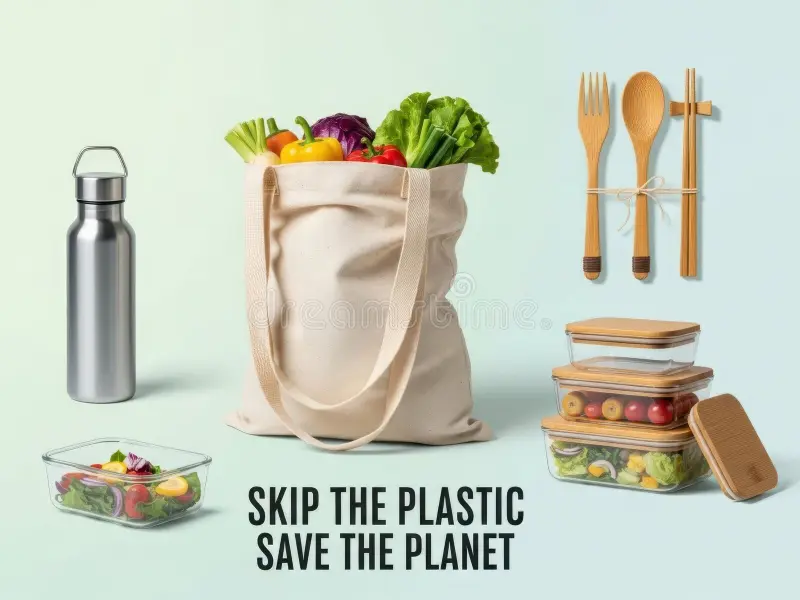
For the items you keep, explore non-plastic storage options. Wooden boxes, metal containers, glass jars, and fabric organizers are not only functional but also aesthetically pleasing.
Open shelving can reduce the need for hidden plastic bins. When items are visible, you are more mindful of what you own and how you use it.
Closets are another area where plastic dominates—hangers, storage bins, garment covers. Replace plastic hangers with wooden or metal ones. Use cloth garment bags instead of plastic covers.
Labeling can also be done without plastic. Chalkboard labels, paper tags, or reusable markers work effectively.
The goal is not just to remove plastic but to create a system that supports clarity and ease. A well-organized space reduces stress, saves time, and enhances daily living.
- Rethink cleaning routines for a healthier home
Cleaning products and tools are often overlooked sources of plastic and chemicals. Many conventional products come in single-use plastic bottles and contain ingredients that can impact both health and the environment.
A plastic-free cleaning routine focuses on simplicity and effectiveness.
Start with basic ingredients. Vinegar, baking soda, lemon, and essential oils can handle most cleaning tasks. These ingredients are versatile, affordable, and free from unnecessary additives.
Store your cleaning solutions in reusable glass bottles. Label them clearly to avoid confusion.
Replace disposable wipes with washable cloths. Old cotton t-shirts or towels can be repurposed into cleaning rags, reducing waste and saving money.
For floors, consider traditional mops with replaceable cloth heads instead of disposable pads. For dusting, use natural fiber dusters or damp cloths.
Air fresheners are another hidden source of plastic and chemicals. Instead, open windows for ventilation, use indoor plants, or simmer natural ingredients like citrus and herbs.
A simplified cleaning routine not only reduces plastic but also minimizes exposure to synthetic chemicals. Your home becomes a healthier space in every sense.
- Shift your mindset from convenience to sustainability
Plastic thrives on convenience. Single-use items save time and effort in the short term but create long-term challenges.
A plastic-free lifestyle requires a shift in mindset—valuing durability, reusability, and long-term impact over immediate ease.
This does not mean making life harder. It means being more intentional.
For example, carrying a reusable water bottle may require planning, but it quickly becomes second nature. The same applies to reusable coffee cups, food containers, and utensils.
Repairing items instead of replacing them is another powerful habit. When something breaks, consider whether it can be fixed. This reduces waste and fosters a deeper connection with your belongings.
Borrowing or sharing items within your community can also reduce the need for ownership. Tools, equipment, and occasional-use items do not always need to be bought.
Over time, these choices become habits rather than burdens. Convenience is redefined—not as quick disposal, but as thoughtful living.
- Involve your household in the transition
A plastic-free home is easier to maintain when everyone participates. Whether you live with family, roommates, or children, involving others creates a shared sense of responsibility.
Start by having open conversations. Explain why reducing plastic matters—not just for the environment, but for health and well-being.
Make the transition collaborative. Allow everyone to contribute ideas and solutions. This fosters ownership and reduces resistance.
For children, turn it into a learning experience. Encourage them to identify plastic items and suggest alternatives. Small activities like sorting waste or using reusable items can build awareness from an early age.
Set realistic expectations. Not everyone will adapt at the same pace, and that is okay. Progress is more important than perfection.
Celebrate small wins. Every step forward—no matter how small—contributes to a larger impact.
When a household works together, the transition becomes smoother, more sustainable, and even enjoyable.
- Embrace gradual change and long-term thinking
One of the biggest challenges in going plastic-free is the pressure to do everything at once. This often leads to frustration or burnout.
A more effective approach is gradual change.
Start with one area of your home. Once you feel comfortable, move to the next. This allows you to build habits and find solutions that work for your lifestyle.
Avoid discarding all plastic items immediately. Use what you already have until it wears out, then replace it with sustainable alternatives. This prevents unnecessary waste and aligns with the principles of mindful consumption.
Track your progress. Notice how your habits change over time. You may find that you produce less waste, spend more thoughtfully, and feel more connected to your environment.
Long-term thinking also involves recognizing that perfection is not the goal. There will be situations where plastic is unavoidable. The key is to make better choices whenever possible.
A plastic-free home is not a destination but a journey—one that evolves with your needs and circumstances.
Frequently Asked Questions (FAQs)
- Is it expensive to switch to a plastic-free home?
Initially, some items like glass containers or stainless steel products may seem more expensive. However, they are durable and long-lasting, which often makes them more cost-effective over time. Additionally, reducing disposable products can lead to significant savings.
- Can I go completely plastic-free?
Achieving a completely plastic-free lifestyle is extremely challenging in today’s world. The goal should be to reduce plastic use as much as possible rather than eliminate it entirely. Even small changes make a meaningful difference.
- What should I do with the plastic items I already own?
Use them until they are no longer functional. Throwing them away immediately creates unnecessary waste. When they reach the end of their life, replace them with sustainable alternatives.
- How do I avoid plastic when buying groceries?
Bring reusable bags, choose unpackaged produce, buy in bulk, and support local markets. Over time, you will develop habits that naturally reduce plastic consumption.
- Are plastic-free products always better for the environment?
Not always. It is important to consider the full lifecycle of a product. Durable, reusable items made from natural or recyclable materials are generally better, but mindful consumption is key.
- How long does it take to transition to a plastic-free home?
There is no fixed timeline. It depends on your lifestyle, resources, and commitment. Some changes can happen quickly, while others take months or even years. The important thing is consistency and progress.
A plastic-free home is not just about reducing waste—it is about creating a space that supports health, clarity, and intentional living. As you gradually replace plastic with more sustainable choices, you may find that your home feels lighter, cleaner, and more aligned with your values. The journey is ongoing, but every step contributes to a better environment—both inside your home and beyond.