11 fast home plastic free living fixes you can do today
There’s a quiet moment that tends to trigger change. It might happen when you throw away a plastic wrapper that you used for less than five minutes, or when you notice how quickly your trash bin fills up with things that didn’t exist in your grandparents’ homes. Living plastic-free can sound overwhelming at first, like something that requires a complete lifestyle overhaul, expensive products, or extreme discipline. But the truth is far simpler and far more encouraging: meaningful change often begins with small, immediate actions.
You don’t need to wait for a new year, a new paycheck, or a perfect plan. You can begin today, inside your own home, with choices that are practical, realistic, and surprisingly impactful. These eleven fixes are not theoretical ideals. They are things you can do right now, without stress or perfection, to reduce plastic in your daily life.
This is not about guilt. It’s about awareness, intention, and replacing habits that no longer serve you with ones that do.
- replace single-use plastic bags with reusable ones you already have
Most homes already contain something that can replace plastic bags: old cloth bags, tote bags, backpacks, or even pillowcases. Instead of buying new “eco-friendly” bags, start by gathering what you already own.
Keep a few near your door, in your car, or wherever you tend to leave the house. The key is convenience. If reusable options are easier to grab than plastic ones, you’ll naturally shift your behavior.
For produce, you don’t need fancy mesh bags right away. You can reuse paper bags, bring small containers, or simply place fruits and vegetables loose in your cart.
The goal here isn’t aesthetic perfection. It’s breaking the automatic habit of accepting plastic bags.
- switch from plastic water bottles to a refill system
If you regularly buy bottled water, this single change can eliminate a huge portion of your plastic waste.
Start by choosing a bottle you enjoy using. It could be stainless steel, glass, or even a durable reusable plastic one you already own. The important thing is that you’ll actually use it.
Set up a simple refill routine at home. Keep a jug of filtered water in the fridge or use a basic filter if your tap water needs improvement. Make refilling your bottle part of your daily rhythm, like brushing your teeth.
This isn’t just about waste reduction. It’s also about reclaiming control over something as basic as water, instead of relying on constant consumption.
- use bar soap instead of liquid soap in plastic dispensers
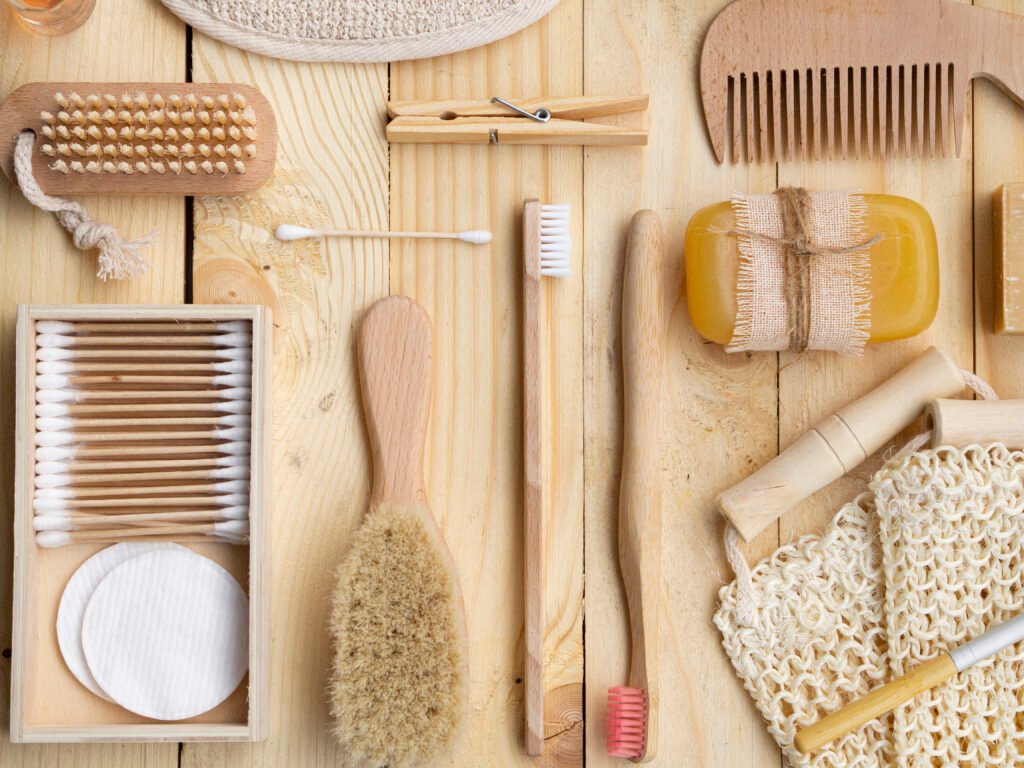
Liquid soap often comes in plastic bottles that are used briefly and discarded quickly. Bar soap, on the other hand, is usually packaged in paper or cardboard and lasts longer.
Switching to bar soap in the bathroom and kitchen is one of the simplest changes you can make. You don’t need anything fancy. Even a basic bar from your local store will reduce plastic usage.
If you want to go a step further, you can use a soap dish to keep it dry between uses, making it last even longer.
This small shift quietly removes dozens of plastic bottles from your yearly consumption.
- replace plastic food storage with what you already have
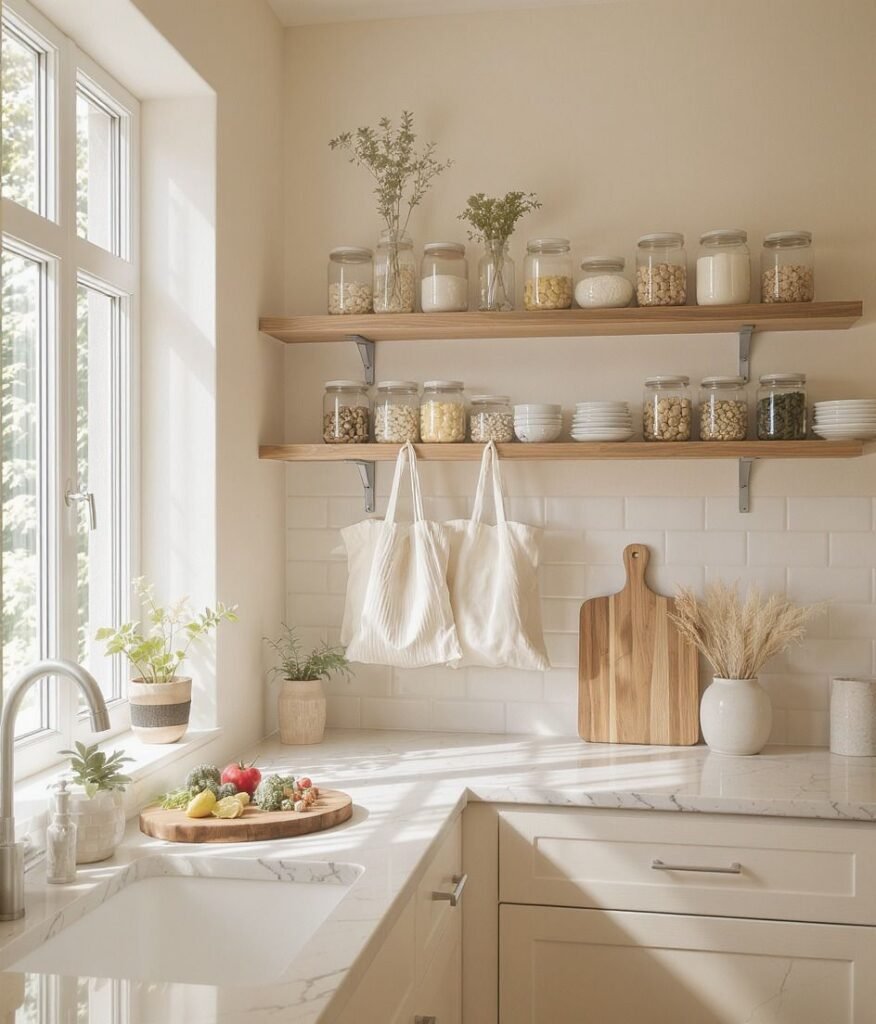
Before buying glass containers or stainless steel boxes, look around your kitchen. Many people already have jars, bowls, and containers that can be repurposed.
Glass jars from sauces, pickles, or jams are especially useful. They can store leftovers, dry goods, or even liquids.
Instead of plastic wrap, use plates to cover bowls, or wrap food in cloth. If you already own plastic containers, keep using them. The goal is not to throw things away, but to stop adding more plastic into your home.
A plastic-free lifestyle is not about replacing everything overnight. It’s about thoughtful transitions.
- stop using plastic straws and stirrers
This is one of the easiest changes because it often requires doing less, not more.
At home, simply stop using straws unless absolutely necessary. For stirring drinks, use a spoon you already have.
If you enjoy using straws, consider alternatives like metal, bamboo, or glass. But again, don’t rush to buy new items unless you truly need them.
Sometimes the most sustainable option is simply to change the habit, not the tool.
- choose loose produce instead of pre-packaged items
When shopping for food, notice how many items are wrapped in plastic by default. Apples in plastic trays, cucumbers wrapped individually, herbs in plastic boxes.
Whenever possible, choose loose produce. Not only does this reduce plastic waste, but it also gives you more control over quantity and freshness.
This habit becomes easier with time. At first, it might require a bit of attention, but soon it becomes second nature.
You start seeing packaging differently, not as something invisible, but as something optional.
- switch to cloth cleaning tools
Paper towels and synthetic sponges often contain plastic or come wrapped in it. A simple alternative is using cloth.
Old t-shirts, towels, or fabric scraps can be cut into cleaning cloths. They can be washed and reused many times.
For scrubbing, natural fiber brushes or loofahs are good options, but even here, you can begin by just using what you already have.
This shift reduces both waste and cost, while adding a sense of practicality to your routine.
- avoid plastic-heavy takeaway habits
Takeaway food is convenient, but it often comes with a lot of plastic: containers, cutlery, bags, and wrapping.
You don’t need to eliminate takeaway completely. Instead, start by reducing frequency or making small adjustments.
If possible, request no cutlery or extra packaging. Use your own containers when picking up food. Even cooking one extra meal at home each week can significantly reduce plastic waste over time.
This is not about restriction. It’s about awareness and balance.
- switch to a plastic-free dishwashing routine
Many dishwashing liquids come in plastic bottles, and sponges often contain synthetic materials.
You can start small by using a dish soap bar or looking for refill options in your area. Pair it with a wooden brush or natural scrubber.
If that feels like too much at once, simply begin by extending the life of what you already have. Use less product. Replace items less frequently.
Sustainability often begins with slowing down consumption.
- use bulk buying where possible
Buying in bulk reduces packaging significantly. Items like rice, lentils, spices, and grains are often available in bulk stores or markets.
Bring your own containers or bags if possible. If not, even choosing larger packages instead of multiple smaller ones can reduce overall plastic use.
Bulk buying also encourages mindful consumption. You become more aware of what you use and how much you actually need.
It turns shopping into a more intentional act.
- rethink how you throw things away
The final fix is less about replacing items and more about changing perspective.
Before throwing something away, pause. Ask yourself if it can be reused, repurposed, or avoided next time.
This simple habit builds awareness over time. You begin to see patterns in your consumption and identify areas where change is possible.
Plastic-free living is not a destination. It’s an ongoing process of noticing, adjusting, and improving.
a closing reflection
These eleven fixes are not meant to be completed perfectly or all at once. You might start with one or two, and that’s enough. What matters is momentum.
A plastic-free home is not built through perfection. It’s built through small, consistent decisions that gradually reshape your environment and your habits.
You don’t need to wait for ideal conditions. You can begin where you are, with what you have, today.
Over time, these small changes add up. They reduce waste, save money, and create a living space that feels more intentional and less cluttered by disposables.
And perhaps most importantly, they remind you that change is always within reach.
frequently asked questions
- do i need to throw away all my plastic items to live plastic-free
No. In fact, doing so would create more waste. The best approach is to use what you already have and gradually replace items with plastic-free alternatives as they wear out. - is plastic-free living expensive
It doesn’t have to be. Many changes, like reusing jars or switching to cloth cleaning tools, actually save money. Avoiding unnecessary purchases is a key part of this lifestyle. - what is the easiest change to start with
Switching to a reusable water bottle and refusing plastic bags are often the simplest starting points. They require minimal effort and have a big impact. - how do i stay consistent with these habits
Make changes convenient. Keep reusable items where you can easily access them. Build routines so that these choices become automatic over time. - can i still order takeaway food
Yes, but try to reduce frequency or request less packaging. You can also use your own containers when possible. Small adjustments still make a difference. - what if i don’t have access to bulk stores or eco products
Focus on reducing and reusing what you already have. Plastic-free living is not dependent on special stores. It’s about mindful consumption and practical choices within your environment.
If you want, I can also rewrite this in a more storytelling style, add real-life examples, or make it SEO-optimized for blogging.