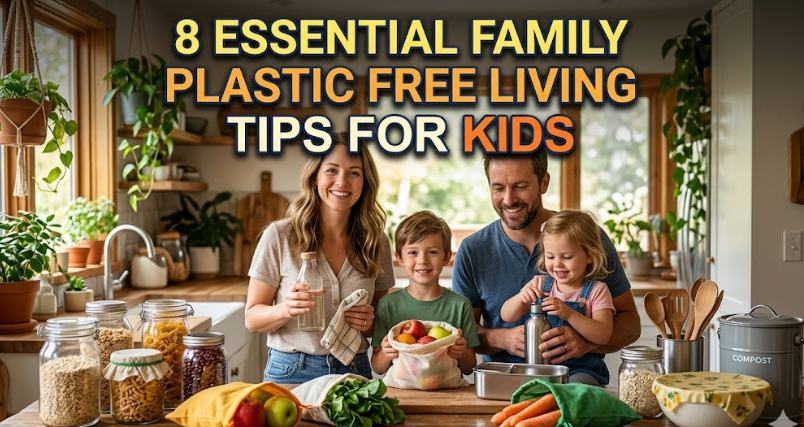
8 essential family plastic free living tips for kids
There is a moment most parents recognize—the quiet realization that the small, everyday choices we make at home quietly shape the habits our children will carry for life. It might happen while unpacking groceries wrapped in layers of plastic, or when tossing yet another cracked toy into the bin. That moment often brings a simple question: is there a better way to live, especially for the sake of our children?
Plastic-free living is not about perfection. It is not about throwing everything out overnight or creating stress in already busy family routines. It is about small, thoughtful changes that gently reshape the environment our children grow up in. When kids grow up seeing alternatives, they don’t feel like they’re giving something up—they feel like they’re simply living.
What follows is not a rigid checklist, but a lived-in guide. These are eight essential ways families can move toward a plastic-free lifestyle with children—practical, flexible, and rooted in real life.
- turning everyday routines into teachable moments
Children learn less from lectures and more from observation. The way a parent shops, cooks, cleans, and organizes the home quietly becomes the child’s understanding of “normal.”
Instead of framing plastic-free living as a rule, treat it as part of daily life. Let your child watch as you choose loose fruits instead of pre-packaged ones. Invite them to carry reusable bags. Let them help unpack groceries and talk casually about why some items were chosen over others.
A simple conversation might sound like this:
“See this? We picked these carrots without plastic so we can throw the peels into compost later.”
It’s not a lesson—it’s a story. Kids remember stories.
Activity idea:
Create a “home detective” game where your child finds plastic items around the house and suggests alternatives. This builds awareness without pressure.
Reflection prompt for kids:
“What do you think happens to plastic after we throw it away?”
- making the kitchen the heart of change
The kitchen is where most household plastic enters—and where the biggest impact can be made.
For families, the goal isn’t to eliminate everything overnight. It’s to swap gradually in ways that children can see and participate in.
Start with visible changes:
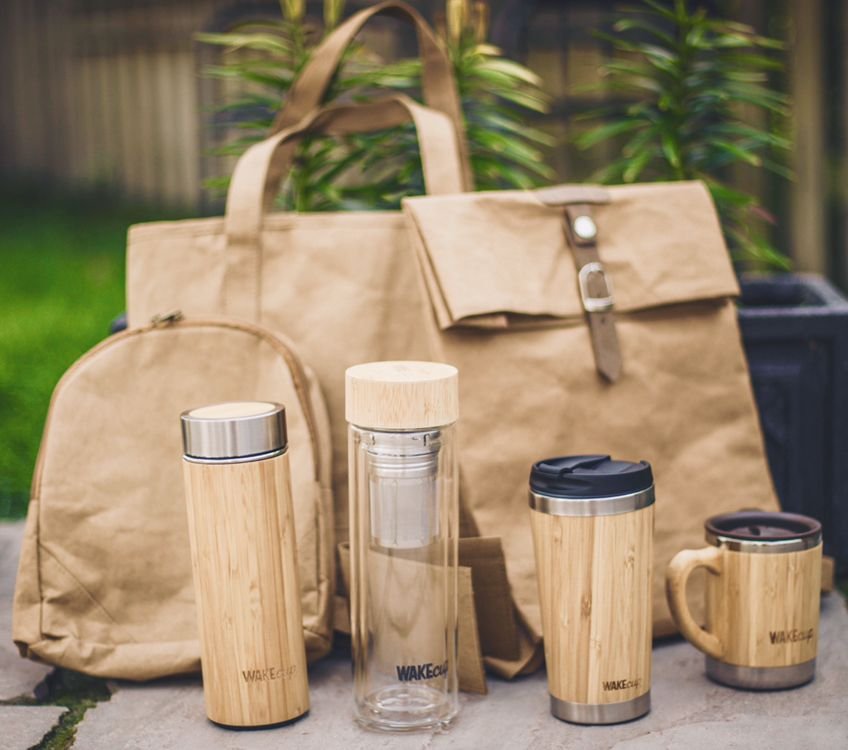
Replace plastic water bottles with stainless steel or glass bottles.
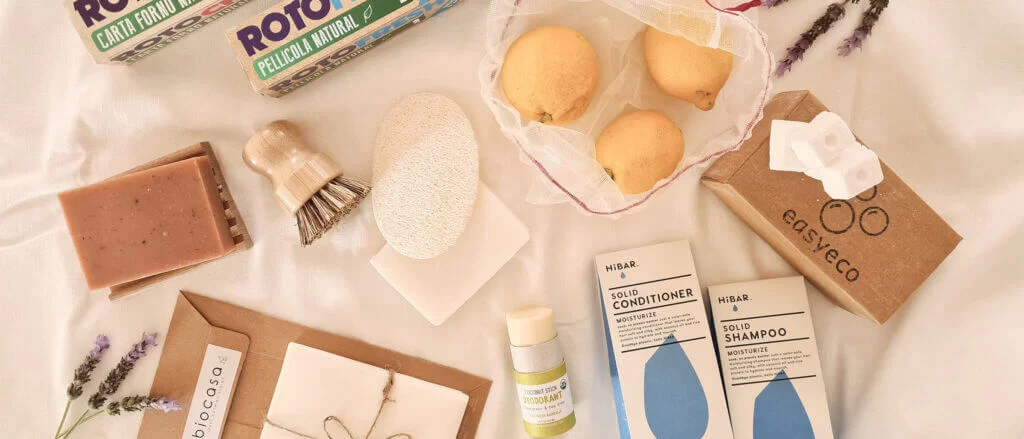
Use cloth napkins instead of paper.
Store leftovers in glass containers.
Children often enjoy ownership. Give them their own reusable lunch kit. Let them pack it themselves, choosing foods that don’t rely on plastic wrappers.
A small shift like homemade snacks can have a surprising impact. Instead of individually wrapped biscuits or chips, try baking together once a week. The experience itself becomes more valuable than the packaging convenience.
Mini routine:
Sunday afternoon “family prep time”
– Bake one snack together
– Wash and prep fruits
– Fill reusable containers
This creates a rhythm kids can depend on.
- rethinking toys and playtime
Walk into any toy store, and plastic dominates the shelves. Bright, noisy, often short-lived toys that break easily and get replaced just as quickly.
But children don’t actually need more toys—they need better experiences.
Introduce alternatives gradually:
Wooden toys
Fabric dolls
Second-hand toys
Open-ended play materials (blocks, puzzles, art supplies)
What matters most is how toys are used, not how many there are.
Try this shift:
Instead of buying a new toy, create a “toy rotation system.” Store some toys away and rotate them every few weeks. Kids feel like they’re getting something new without adding more plastic into the home.
Creative play idea:
Build a “recycled craft box” using cardboard, paper scraps, and safe household materials. Encourage kids to invent their own toys.
Conversation starter:
“Can we build something instead of buying it?”
- making school life more sustainable
School routines are often filled with single-use plastic—lunch wrappers, disposable bottles, plastic stationery.
This is one area where children can take pride in making a difference.
Start with the basics:
Reusable lunchbox
Cloth snack bags
Refillable water bottle
Minimal plastic stationery where possible
Let your child personalize these items. Stickers, drawings, or name tags make them feel special and encourage consistent use.
Peer influence matters. When children feel confident about their choices, they often inspire others.
Role-play activity:
Practice how your child might respond if someone asks, “Why don’t you use plastic bottles?”
Help them answer simply:
“I like using this one because I can reuse it.”
It builds confidence without confrontation.
- creating mindful shopping habits together
Shopping is one of the most powerful teaching moments.
Instead of leaving children at home or rushing through stores, involve them.
Give them small responsibilities:
Holding the reusable bag
Choosing unpackaged produce
Comparing options (“Which one has less plastic?”)
Turn it into a challenge:
“Let’s see if we can shop today without bringing home any plastic.”
You won’t always succeed—and that’s okay. The goal is awareness, not perfection.
Family challenge idea:
Keep a weekly “plastic tally.” Count how many plastic items come into the house and try to reduce the number over time.
This turns progress into something visible and measurable for kids.
- teaching the value of reuse and repair
Children today often grow up in a culture of quick replacement. Something breaks—it’s thrown away. Something is old—it’s replaced.
Plastic-free living invites a different mindset: care, repair, and reuse.
Start small:
Fix a broken toy together instead of discarding it.
Turn old clothes into cleaning cloths.
Reuse jars for storage or crafts.
Let your child be part of the process. Even simple involvement builds a sense of responsibility.
Hands-on activity:
Create a “fix-it day” once a month where the family repairs or repurposes items.
Discussion prompt:
“Do you think we can give this a second life?”
This mindset extends beyond plastic—it shapes how children view resources in general.
- connecting with nature to build understanding
Children protect what they understand and love. If plastic-free living is only explained at home, it may feel abstract. But when children connect with nature, the impact becomes real.
Spend time outdoors:
Visit parks
Go on nature walks
Observe rivers, trees, animals
During these outings, gently point out the presence (or absence) of waste.
You don’t need to lecture. A simple observation is enough:
“Look how clean this place is. Imagine if it was full of plastic.”
Or:
“See that wrapper? That shouldn’t be here.”
Optional family activity:
Organize a small clean-up day. Even collecting a few pieces of litter can be a powerful experience for a child.
Reflection question:
“How did it feel to clean this place?”
- building a family culture, not a set of rules
Perhaps the most important tip is this: plastic-free living should feel like a shared family identity, not a list of restrictions.
Avoid framing things as “we can’t use this.” Instead, frame them as “this is how we do things.”
Children respond better to belonging than to limitation.
Create small family traditions:
Reusable picnic days
Homemade snack nights
Monthly decluttering and donation
Celebrate progress, no matter how small.
Instead of saying:
“We still use too much plastic.”
Say:
“Look how much we’ve changed already.”
Children carry emotional memories more than logical arguments. If plastic-free living feels positive, collaborative, and empowering, they are far more likely to continue it into adulthood.
a quiet shift that lasts a lifetime
Raising children in a plastic-aware home doesn’t require perfection, money, or extreme lifestyle changes. It requires intention, patience, and consistency.
Some days will be messy. There will be plastic that sneaks in, moments of convenience, forgotten bags, and quick decisions. That’s part of real life.
What matters is the overall direction.
When children grow up seeing thoughtful choices, participating in small changes, and understanding the “why” behind them, they don’t just learn about plastic-free living—they live it.
And one day, without even realizing it, they’ll carry those habits into their own homes.
frequently asked questions
- how do i start plastic-free living with kids without overwhelming them?
Start with one or two small changes that fit naturally into your routine, such as switching to reusable water bottles or cloth bags. Involve your kids in the process and keep it light and positive. Gradual changes are more sustainable than trying to do everything at once.
- are plastic-free alternatives expensive for families?
Some items may have a higher upfront cost, but they often last longer and save money over time. You can also reduce costs by reusing what you already have, buying second-hand items, and making simple DIY swaps at home.
- how can i encourage my child if they resist these changes?
Focus on involvement rather than enforcement. Let them choose their own reusable items, participate in activities, and understand the reasons behind the changes. Turning it into a game or challenge often helps reduce resistance.
- what are the easiest plastic items to replace at home?
Common starting points include water bottles, shopping bags, food containers, and lunch packaging. These are used daily, so replacing them has an immediate impact and is easy for children to adapt to.
- how do i handle situations where plastic is unavoidable?
Accept that not everything can be avoided. The goal is to reduce, not eliminate completely. Use those moments as learning opportunities rather than failures, and focus on what you can control.
- can young children really understand plastic-free living?
Yes, when explained in simple, relatable ways. Children may not grasp the full environmental impact, but they understand concepts like taking care of the planet, reducing waste, and making thoughtful choices—especially when they see it modeled at home.
—
In the end, plastic-free living with kids is less about removing things and more about adding meaning—to choices, to routines, and to the everyday life of a family.