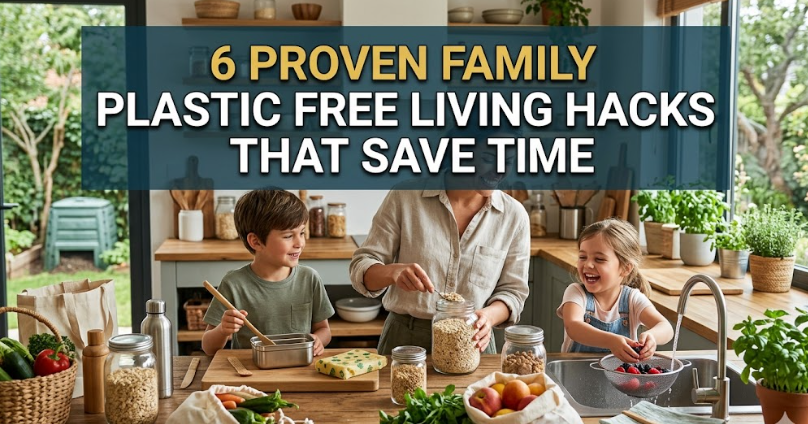
6 proven family plastic free living hacks that save time
There’s a common misconception that living with less plastic automatically means more effort, more planning, and more time. Many families hesitate before making the shift because their days are already full—school runs, work deadlines, cooking, cleaning, and everything in between. The idea of adding another “responsibility” can feel overwhelming.
But here’s the truth that often gets overlooked: when done right, reducing plastic can actually simplify your life.
This isn’t about perfection. It’s about building small systems that remove friction from your daily routine. Over time, these systems quietly save you time, money, and mental energy. What begins as a sustainability effort becomes a lifestyle upgrade.
Below are six proven, practical hacks families are using to cut plastic waste while making their lives easier—not harder.
—
hack 1: create a “grab-and-go” zero-waste station near your door
The biggest reason families rely on plastic bags, bottles, and packaging isn’t convenience—it’s forgetfulness.
You leave the house in a rush and suddenly realize:
You forgot reusable bags.
You didn’t bring a water bottle.
You need to buy something quickly, so you accept plastic without thinking.
A simple solution is to create a dedicated “grab-and-go” station right by your front door.
This doesn’t need to be fancy. A small basket, shelf, or even a hook system works perfectly. The key is visibility and accessibility.
What to include:
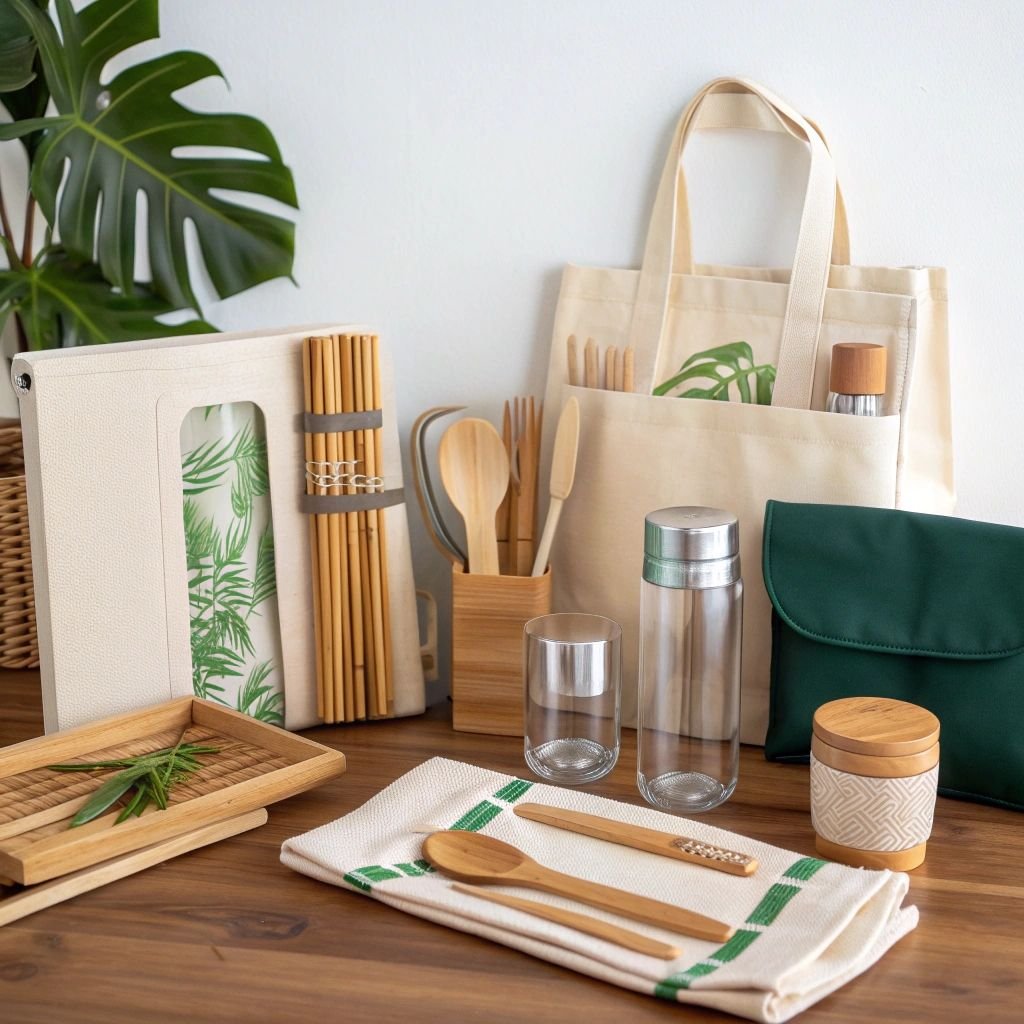
Reusable shopping bags (folded neatly)
Cloth produce bags
Stainless steel or glass water bottles
A small container for snacks
Reusable cutlery or straws if your family eats out often
Why it saves time:
You eliminate last-minute searching.
You avoid extra stops for bottled water or bags.
You reduce decision fatigue because everything is already prepared.
A real-life example: one parent noticed that before setting up a station, they would stop at a store three to four times a week just to grab drinks or snacks in plastic packaging. After setting up a simple basket near the door, those stops dropped dramatically.
It’s not just about reducing plastic—it’s about reducing interruptions.
Make it a habit:
Each evening, do a quick 2-minute reset. Refill bottles, restock bags, and place everything back. This small routine prevents bigger disruptions the next day.
—
hack 2: switch to bulk buying with a weekly refill routine
Shopping frequently is one of the biggest hidden time drains for families. Add plastic packaging to the mix, and it becomes both wasteful and inefficient.
Bulk buying solves both problems at once.
Instead of buying small packaged items multiple times a week, shift to purchasing larger quantities of essentials and refilling them at home.
Start with high-use items:
Rice, flour, lentils
Snacks like nuts or dried fruit
Cleaning supplies
Cooking oils
Set a weekly refill routine:
Choose one day—perhaps Sunday afternoon or Monday evening—and spend 20–30 minutes refilling jars, containers, and storage bins.
Why it saves time:
Fewer shopping trips
Less unpacking and waste disposal
Faster meal prep because ingredients are ready and visible
There’s also a psychological benefit. When ingredients are stored in clear containers, you spend less time wondering what you have and more time cooking.
A small tip that makes a big difference:
Label everything. It sounds obvious, but when multiple family members are involved, labels prevent confusion and repeated questions like “Where is the sugar?” or “Is this salt or flour?”
Bulk buying isn’t about hoarding. It’s about creating a predictable, efficient system that works for your household.
—
hack 3: simplify meals with plastic-free “core recipes”
Meal planning often becomes complicated because families try to cook too many different dishes throughout the week. This leads to more shopping, more packaging, and more stress.
Instead, build a set of “core recipes”—simple, repeatable meals that rely on plastic-free ingredients.
Think of 5–7 meals your family enjoys and rotate them.
Examples:
Vegetable stir-fry with rice
Lentil curry with homemade flatbread
Pasta with fresh tomato sauce
Omelets with seasonal vegetables
Bean salads or wraps
Once you have your core recipes, everything becomes easier:
Shopping lists become predictable
Ingredients overlap, reducing waste
Cooking time decreases because you’re familiar with the process
Why it saves time:
You eliminate daily decision-making
You reduce last-minute grocery runs
You streamline cooking and cleanup
A useful trick:
Prep ingredients in batches. Chop vegetables or cook grains in advance and store them in reusable containers. This turns weeknight cooking into a quick assembly task rather than a full process.
Families often discover that by simplifying meals, they not only reduce plastic but also gain back hours each week.
—
hack 4: replace disposables with “wash-and-repeat” systems
Many plastic items are used once and thrown away—not because they’re necessary, but because they’ve become habitual.
Common examples include:
Plastic wrap
Paper towels
Disposable plates or cups
Ziplock bags
Replacing these with reusable alternatives might seem like extra work, but when done correctly, it actually saves time.
The key is creating an efficient wash-and-repeat system.
What works well:
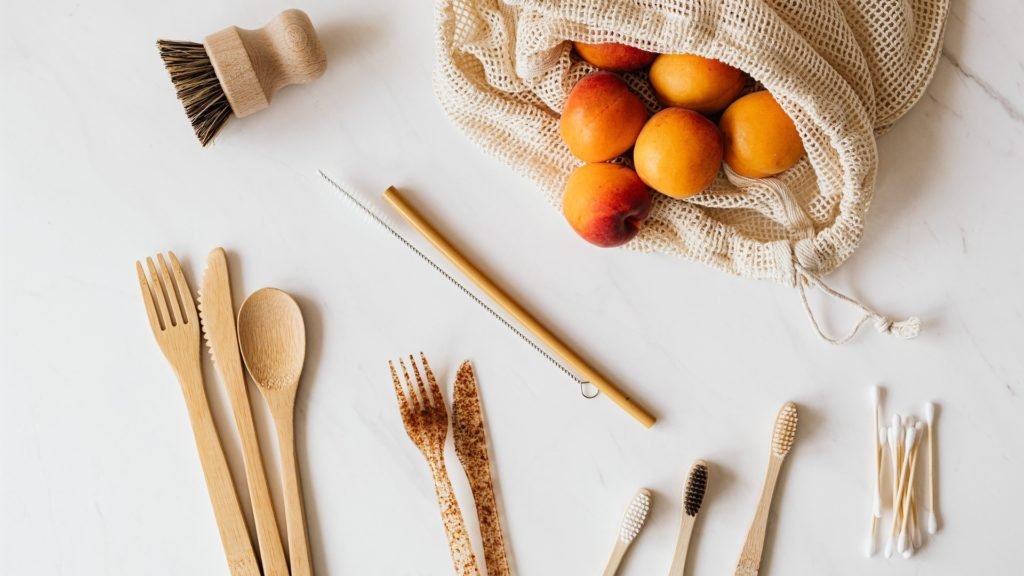
Cloth towels instead of paper towels
Reusable containers instead of plastic bags
Glass jars for storage
Cloth napkins for meals
Set up a simple system:
Keep a small bin or basket for used cloths
Wash them together in one load every few days
Store clean items in an easily accessible place
Why it saves time:
You stop running out of disposables and making emergency purchases
You reduce trips to the store
You create a consistent routine instead of reacting to shortages
An insight many families share: once they stop relying on disposable items, their cleaning habits become more structured. Instead of constant small cleanups, they shift to more efficient, scheduled cleaning.
It’s less chaos, more rhythm.
—
hack 5: involve kids through simple responsibility loops
One of the biggest time challenges for parents is doing everything themselves. Plastic-free living becomes much easier—and faster—when it’s a shared effort.
The goal isn’t to assign chores randomly but to create simple responsibility loops.
For example:
A child refills water bottles each evening
Another organizes the reusable bag station
Someone helps sort and refill pantry containers
These tasks don’t need to be large. Even 5-minute responsibilities make a difference.
Why it saves time:
Tasks are distributed instead of concentrated
Children become more independent
You reduce the need for constant supervision and reminders
There’s also a long-term benefit. Kids who grow up with these habits don’t see them as chores—they see them as normal life.
Make it engaging:
Turn tasks into small routines or challenges. For younger children, use visual cues like charts or simple checklists.
A parent once described how their child took ownership of refilling snack containers. Not only did it save time, but it also reduced food waste because the child became more aware of portion sizes.
Plastic-free living becomes easier when it’s not a solo effort.
—
hack 6: adopt a “use what you have” mindset before buying
Many plastic purchases happen because of impulse or lack of awareness. You think you need something new, but often you already have a suitable alternative at home.
Before buying anything, pause and ask:
Can I reuse something I already own?
Can I repair or repurpose an item?
Do I actually need this right now?
This mindset shift reduces clutter, saves money, and most importantly—saves time.
Why it saves time:
Fewer shopping trips
Less time spent organizing new items
Reduced decision fatigue
A practical example:
Instead of buying new storage containers, reuse glass jars from previous purchases. Instead of buying lunch boxes, repurpose containers you already have.
Over time, this approach simplifies your home environment. Fewer items mean less to clean, less to organize, and less to manage.
It’s not about deprivation—it’s about intentionality.
—
bringing it all together
Each of these hacks works on its own, but their real power comes from combining them into a system.
A typical day in a plastic-free, time-saving household might look like this:
In the morning, you grab pre-filled water bottles and bags from your door station.
Meals are prepared quickly using familiar recipes and prepped ingredients.
Kids contribute by handling small tasks like refilling containers or organizing items.
Reusable items are collected and cleaned as part of a simple routine.
Shopping is minimal because most essentials are already stocked.
There’s less rushing, less searching, and fewer last-minute decisions.
The goal isn’t to eliminate plastic overnight. It’s to gradually replace inefficient habits with smarter ones.
—
common challenges and how to handle them
Even with the best systems, there will be moments when things don’t go as planned.
You forget your reusable bags.
You run out of prepped food.
You accept plastic because it’s the easiest option at the moment.
That’s normal.
Instead of aiming for perfection, focus on consistency. Each small action adds up over time.
If something doesn’t work, adjust it. Maybe your grab-and-go station needs to be more visible. Maybe your refill routine needs a different time slot.
Flexibility is part of the process.
—
faqs
- does plastic-free living always require more time?
Not necessarily. In the beginning, there may be a small adjustment period. But once systems are in place—like bulk buying or reusable routines—most families find they actually save time.
- what’s the easiest hack to start with?
Setting up a grab-and-go station is one of the simplest and most effective starting points. It requires minimal effort and immediately reduces reliance on single-use plastics.
- how do I stay consistent with these habits?
Focus on routines rather than motivation. Choose specific times for tasks like refilling containers or washing reusable items. Consistency builds naturally when actions are tied to a schedule.
- is bulk buying expensive?
It can require a slightly higher upfront cost, but it usually saves money in the long run. You also reduce the frequency of shopping trips, which saves both time and fuel.
- how can I get my kids involved without resistance?
Start small and make tasks simple. Give them ownership over specific responsibilities and keep expectations realistic. Positive reinforcement helps build long-term habits.
- what if I can’t avoid plastic completely?
That’s completely fine. The goal is reduction, not perfection. Even small changes—like using reusable bags or containers—make a meaningful difference over time.
—
In the end, plastic-free living isn’t about adding more to your life. It’s about removing what doesn’t serve you—extra waste, unnecessary purchases, and inefficient routines.
When approached thoughtfully, it becomes less about effort and more about ease. And for busy families, that shift makes all the difference.