11 Fun Family Plastic Free Living Activities Everyone Will Love
There is something quietly powerful about a family deciding to change how they live—not in a dramatic, overnight way, but through small, intentional choices that slowly reshape everyday habits. Plastic-free living often sounds like a strict lifestyle, full of restrictions and rules. But in reality, it can be playful, creative, and surprisingly fun—especially when the whole family gets involved.
Children don’t naturally think in terms of “waste reduction” or “sustainability goals.” They respond to experiences, to games, to stories. And adults, even when motivated, need something that feels rewarding rather than burdensome. That’s where family activities come in. When plastic-free living becomes something you do together—laughing, experimenting, sometimes failing—it stops feeling like a chore and starts becoming a shared journey.
Below are eleven engaging, meaningful activities that help families reduce plastic use while building memories that last far longer than any disposable item ever could.
- The “Plastic Audit” Treasure Hunt
Start by turning awareness into a game. Choose a weekend afternoon and challenge everyone in the house to find plastic items hidden in plain sight. Give each family member a basket or bag and set a timer for 20 minutes.
Kids will rush around excitedly, spotting things adults overlook: snack wrappers under cushions, shampoo bottles in the bathroom, forgotten packaging in drawers. Once the timer ends, gather everything together and sort it into categories—single-use plastic, reusable plastic, and items that could be replaced.
The magic of this activity isn’t just in finding things; it’s in the conversation that follows. Ask questions like:
“Do we really need this?”
“What could we use instead?”
“Which item would be easiest to replace this week?”
This turns a potentially overwhelming topic into something interactive and eye-opening. Instead of lecturing, you’re discovering together.
- DIY Reusable Snack Kit Workshop
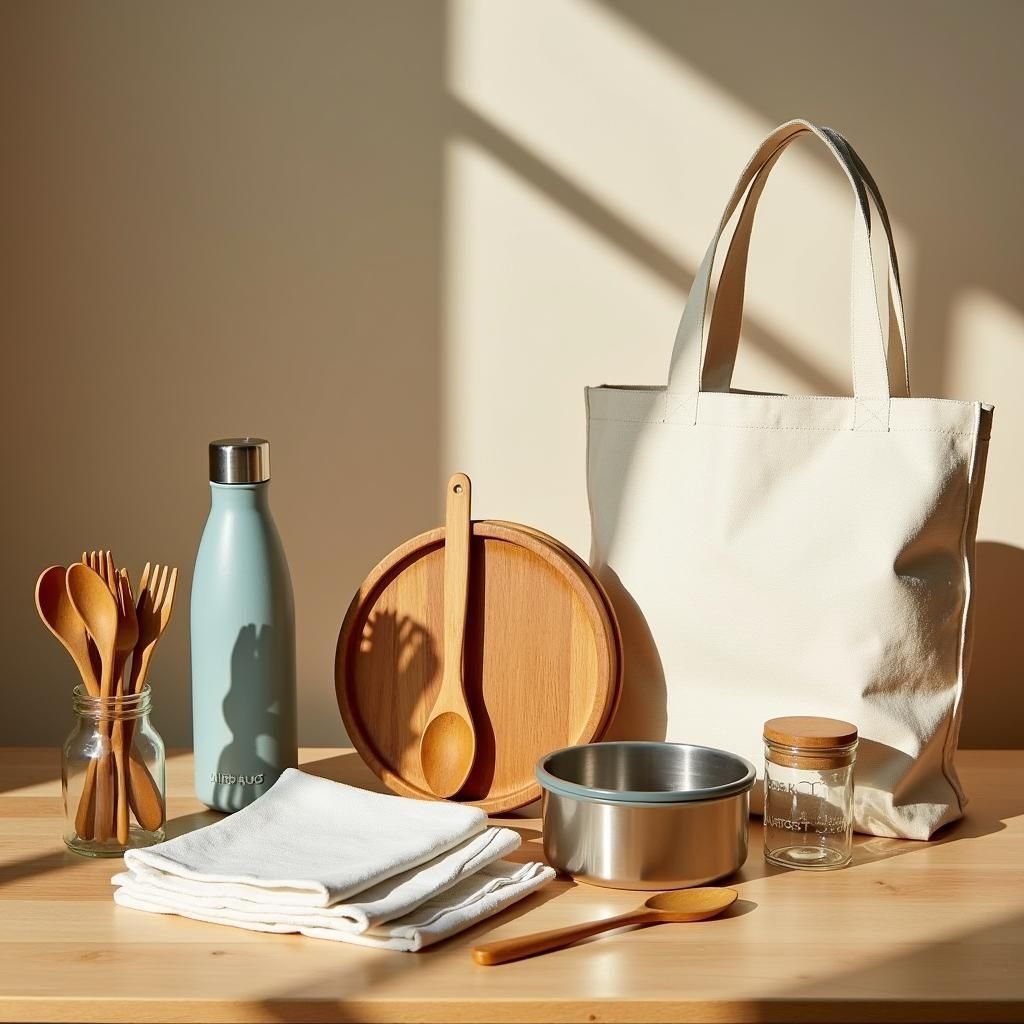
Snacks are one of the biggest sources of daily plastic waste, especially for families with school-going children. Instead of buying pre-packaged items, spend an afternoon creating your own reusable snack kits.
Lay out materials like cloth scraps, glass jars, stainless steel containers, and rubber bands. Let each child design their own snack kit—decorate jars with paint, stitch simple cloth pouches, or label containers.
Then, fill them together with homemade treats: roasted chickpeas, popcorn, nuts, or cut fruit.
The fun comes from ownership. When children help create something, they’re far more likely to use it. Suddenly, packing snacks becomes a point of pride rather than routine.
- Plastic-Free Picnic Challenge
Plan a family picnic with one rule: no plastic allowed.
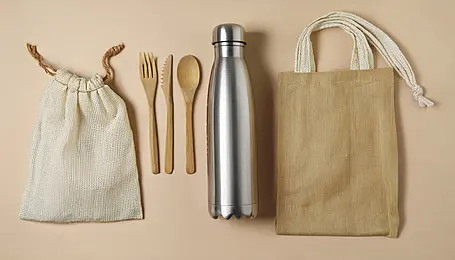
At first, it may seem difficult. But that’s where the creativity begins. Instead of plastic wrap, use cloth covers. Replace disposable cutlery with metal utensils. Carry drinks in reusable bottles.
Let each family member take responsibility for one part of the picnic—food, drinks, seating, or cleanup. Children can even act as “plastic inspectors,” making sure nothing sneaks in.
The activity doesn’t just reduce waste; it changes how you think about convenience. It shows that with a bit of planning, you can enjoy the same experiences without relying on disposable items.
- Upcycling Craft Day
Children love creating things with their hands, and upcycling taps directly into that energy.
Gather items that would normally be thrown away—old tins, cardboard boxes, glass jars, fabric scraps—and turn them into something new. You might create pencil holders, planters, bird feeders, or even simple toys.
Make it a challenge:
“Who can create the most useful item?”
“Who can make the most creative design?”
This activity teaches an important lesson without saying it out loud: waste is often just a resource in the wrong form.
It also reduces the urge to buy new plastic toys or storage items, replacing consumption with creativity.
- Zero-Waste Cooking Night
Choose one evening a week where the goal is to cook a meal with as little waste as possible.
Use fresh, unpackaged ingredients when you can. Compost vegetable scraps. Reuse leftovers creatively—turn yesterday’s rice into fried rice, or stale bread into croutons.
Let children take part in planning the meal. Ask them:
“How can we avoid packaging?”
“What can we do with leftovers?”
Cooking becomes more than just preparing food—it becomes a lesson in resourcefulness.
And perhaps most importantly, it builds appreciation. When children see the effort behind food preparation, they’re less likely to waste it.
- Nature Cleanup Adventure
Turn a simple cleanup activity into an outdoor adventure.
Visit a local park, beach, or roadside area and bring gloves and reusable bags. Set a goal—collect a certain number of items or fill a bag within a time limit.
Children often find this surprisingly exciting. There’s a sense of purpose, almost like a mission.
Afterward, sit together and reflect. Talk about where the plastic might have come from and how it affects animals and the environment.
This activity connects actions to consequences in a way that feels real, not abstract.
- Build Your Own Refill Station at Home
Create a small refill station in your house for everyday items—water bottles, soap dispensers, snack jars.
Label everything clearly and make it easily accessible for children. Encourage them to refill instead of reaching for something new.
You can even turn it into a routine:
“Refill Sunday” or “Midweek Reset.”
This activity builds habits. Over time, refilling becomes second nature, reducing reliance on single-use packaging.
- Plastic-Free Gift Challenge
When birthdays or celebrations come around, involve the whole family in creating gifts that don’t rely on plastic.
Think handmade cards, baked goods, potted plants, or experience-based gifts like a family outing.
Ask children to brainstorm ideas. They often come up with surprisingly thoughtful alternatives.
This shifts the focus from buying to giving—an important mindset change that extends far beyond plastic use.
- Garden Together (Even a Small One)
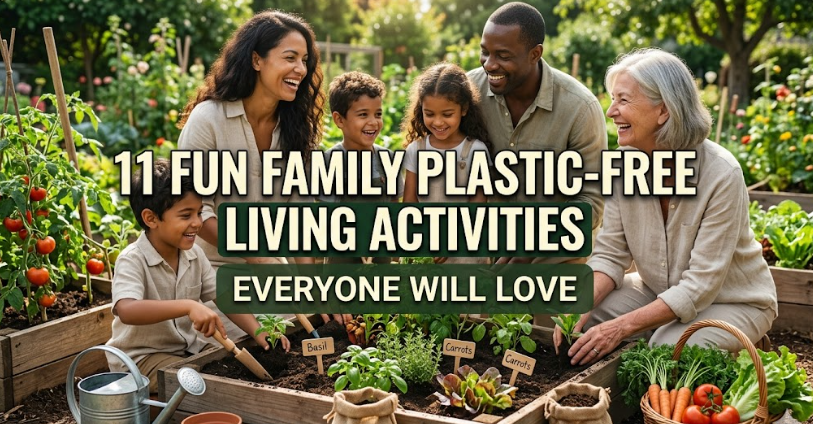
Growing your own food, even on a small scale, reduces dependence on packaged produce.
You don’t need a large garden. A few pots on a balcony or windowsill can be enough.
Let each family member choose something to grow—herbs, tomatoes, or leafy greens.
Children love watching something grow from seed to plant. It teaches patience and responsibility, while also connecting them to the source of their food.
And when you harvest something you’ve grown yourself, it feels different. More meaningful.
- “No-Plastic Day” Family Challenge
Choose one day each week where the goal is to avoid plastic entirely.
At first, it may seem impossible. But that’s part of the learning process.
Keep it lighthearted. If someone slips up, don’t criticize—just note it and move on.
At the end of the day, sit together and discuss:
“What was hardest?”
“What worked well?”
“What can we improve next time?”
This activity builds awareness and encourages problem-solving as a team.
- Storytelling and Reflection Night
End the week with a simple but powerful activity: storytelling.
Sit together and share experiences from your plastic-free journey. What did you find difficult? What made you proud? What surprised you?
Encourage children to express their thoughts freely. You might even turn it into a creative exercise—drawing pictures, writing short stories, or acting out scenes.
Reflection helps turn actions into lasting habits. It reinforces the idea that what you’re doing matters.
Why these activities work
The common thread across all these activities is involvement. Plastic-free living becomes sustainable—not just environmentally, but personally—when it feels meaningful and enjoyable.
Instead of imposing rules, you’re creating experiences. Instead of focusing on what you can’t do, you’re exploring what you can.
And perhaps most importantly, you’re doing it together.
Children who grow up in this environment don’t see plastic-free living as a sacrifice. They see it as normal. As creative. As something worth continuing.
FAQs
- How do I start plastic-free living with my family without overwhelming everyone?
Start small. Choose one activity, like a plastic audit or reusable snack kits, and build from there. Focus on progress, not perfection. The goal is to create awareness and habits gradually.
- What if my children resist these changes?
Make it fun rather than forced. Turn activities into games or challenges. When children feel involved and excited, they’re much more likely to participate willingly.
- Is plastic-free living expensive?
It can actually save money over time. Many activities involve reusing what you already have or making things yourself. Initial investments, like reusable containers, pay off in the long run.
- How do we handle situations outside the home, like school or travel?
Plan ahead where possible. Pack reusable items and snacks. Accept that you won’t always be perfect—focus on reducing rather than eliminating plastic use.
- Can small actions really make a difference?
Yes, especially when multiplied over time and across families. Small, consistent changes reduce waste significantly and influence others to do the same.
- How do we stay motivated as a family?
Keep the experience positive. Celebrate small wins, reflect regularly, and try new activities to keep things interesting. Motivation grows when the journey feels rewarding.