9 Simple Family Plastic Free Living Ideas for Busy Parents
There is a quiet moment that often slips by unnoticed in busy households. It happens somewhere between packing school lunches, answering emails, and reminding a child (for the third time) to put their shoes on. It’s the moment when you reach for something convenient—plastic wrap, a disposable bottle, a quick packaged snack—and you pause, just briefly, wondering if there’s another way.
For many parents, that pause is where change begins. Not with perfection. Not with a dramatic lifestyle overhaul. Just a small shift in awareness.
Plastic-free living, especially for families, can sound overwhelming. The idea of eliminating plastic from every corner of life while managing work, school schedules, and family responsibilities feels unrealistic. But the truth is, it doesn’t have to be all or nothing. It can be gradual, imperfect, and deeply personal.
This is not a guide for doing everything right. It’s a collection of simple, realistic ideas—ones that fit into already full days, not disrupt them. These are habits that can quietly reshape a home over time, without adding stress or guilt.
Let’s walk through nine simple ways busy parents can begin.
- Reimagine the family shopping routine
Grocery shopping is one of the biggest sources of household plastic. But instead of trying to change everything at once, it helps to focus on patterns.
Think about what your family buys most often. Milk, bread, fruits, snacks, cleaning supplies. Now imagine adjusting just one category at a time.
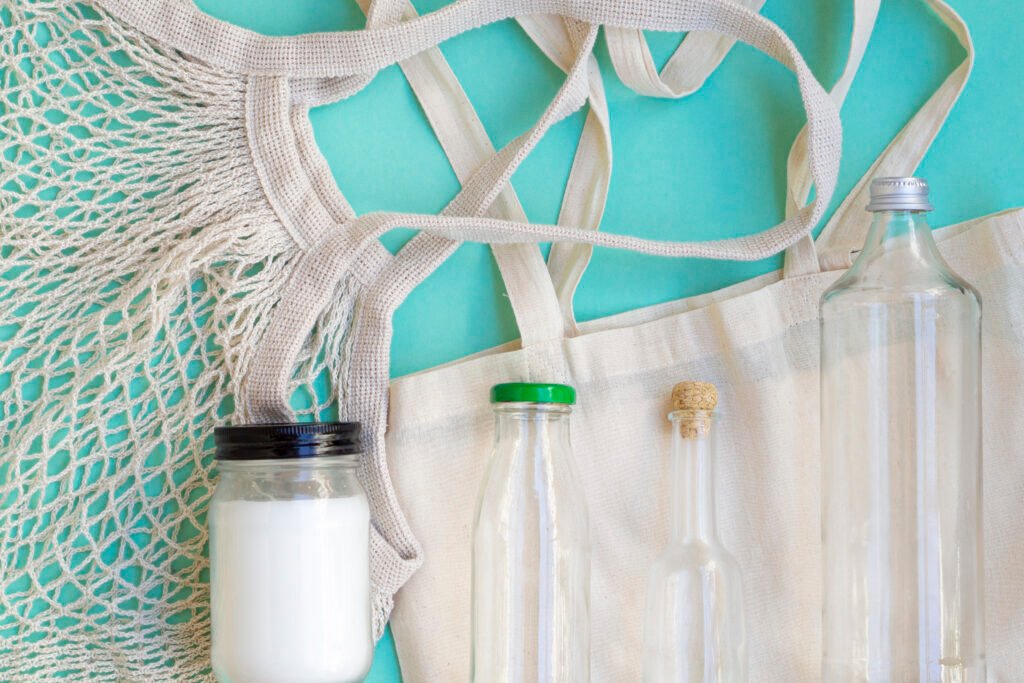
For example, instead of buying pre-packaged vegetables, try choosing loose produce and placing them in reusable cloth bags. If your local store allows it, bring your own containers for items like lentils, rice, or spices.
For busy parents, the key is preparation. Keep reusable bags in the car. Store them near the door. Make them as easy to grab as your keys.
Over time, this becomes less of a conscious effort and more of a habit. Children notice, too. They begin to associate shopping with thoughtful choices, not just convenience.
A small shift in routine can quietly eliminate dozens of plastic bags each month.
- Rethink lunch packing without adding stress
School lunches are often packed in a rush. Early mornings rarely leave room for careful decisions. This is where simple swaps can make a meaningful difference.
Instead of plastic wrap or disposable bags, reusable containers can become the default. Stainless steel or durable glass options work well, but even repurposed jars can be effective.
Cloth napkins can replace paper ones. Refillable water bottles can take the place of single-use drinks.
The trick is to create a system. Keep lunch items in one place. Stack containers neatly so they’re easy to grab. Involve children in packing their own lunches when possible.
It doesn’t need to be perfect every day. Even replacing a few plastic items each week adds up over time.
And sometimes, the biggest win is simply remembering to try again tomorrow.
- Simplify the kitchen instead of complicating it
The kitchen is often seen as the hardest place to reduce plastic. But it can also be the most rewarding.
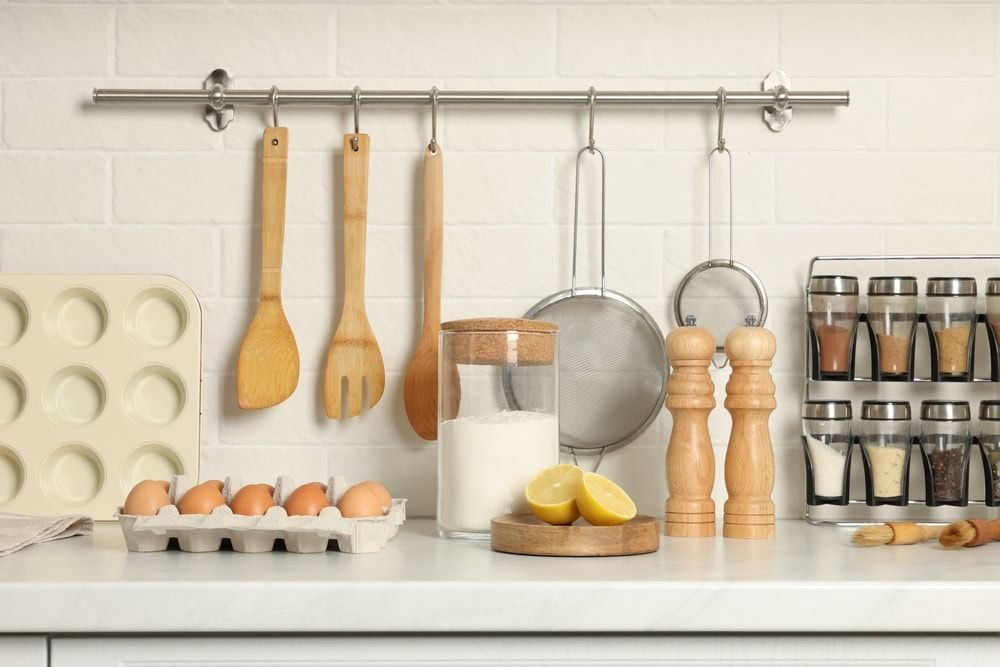
Instead of buying specialized “eco-friendly” products, start by using what you already have. Old glass jars can store leftovers. A plate can cover a bowl instead of plastic wrap. A damp cloth can replace disposable wipes.
Cooking more at home—even simple meals—reduces reliance on packaged foods. It doesn’t mean elaborate recipes. It can be as straightforward as preparing rice, vegetables, and lentils in a way that suits your family.
Busy parents don’t need more complexity. They need fewer decisions.
A simplified kitchen, where reusable items are within reach and unnecessary extras are minimized, naturally reduces waste without requiring constant effort.
- Create a family “reuse first” mindset
Children are naturally curious. They learn not just from instructions but from observation.
Instead of framing plastic-free living as a set of rules, turn it into a shared mindset. Before throwing something away, pause and ask: Can this be reused?
A jar might become a pencil holder. A cardboard box could turn into a toy castle. An old t-shirt might become cleaning cloths.
These small acts teach children creativity, resourcefulness, and respect for materials.
It’s not about saving every single item. It’s about shifting the default response from “throw away” to “consider first.”
Over time, this mindset becomes part of the family culture.
- Choose fewer, better toys and household items
Plastic often enters the home through toys, decorations, and impulse purchases. While it’s impossible to avoid it entirely, being more selective can reduce both clutter and waste.
Instead of buying many inexpensive plastic toys, consider choosing fewer items that last longer. Wooden toys, books, art supplies, or open-ended play materials often hold children’s attention longer and generate less waste.
The same idea applies to household items. Instead of frequently replacing low-quality products, invest in things that can be repaired or reused.
This approach not only reduces plastic but also simplifies life. Fewer items mean less cleaning, less organizing, and less stress.
For busy parents, simplicity is often the most sustainable choice.
- Build small routines around refilling and reusing
One of the most practical ways to reduce plastic is through refilling. But for this to work in a busy household, it needs to be integrated into existing routines.
For example, designate a specific day each week to refill water bottles, restock snacks in reusable containers, or prepare bulk items for the week ahead.
Keep refillable soap dispensers near sinks. Store cleaning solutions in reusable bottles.
These actions don’t need to take much time. The key is consistency, not perfection.
By attaching these tasks to routines you already follow, they become automatic rather than burdensome.
- Make cleaning habits plastic-free, one step at a time
Cleaning products often come in plastic packaging, and many households rely on disposable wipes and synthetic materials.
Instead of replacing everything at once, try switching one item at a time.
Cloth rags can replace paper towels. Simple homemade cleaning solutions—like vinegar and water—can reduce the need for multiple bottled products.
Even small changes, like using a refillable spray bottle, can make a difference.
What matters most is finding what works for your family. If a particular swap feels too complicated, it’s okay to pause and revisit it later.
Sustainability should support your life, not complicate it.
- Normalize imperfection and flexibility
Perhaps the most important idea is this: plastic-free living does not require perfection.
There will be days when convenience wins. Days when you forget your reusable bag. Days when packaged food feels like the only option.
That’s not failure. That’s real life.
What matters is the overall direction, not every individual choice.
Children learn resilience and balance when they see parents trying, adjusting, and continuing without guilt.
A flexible approach makes this lifestyle sustainable in the long term.
- Turn everyday moments into quiet teaching opportunities
Plastic-free living is not just about reducing waste. It’s about shaping values.
When you choose a reusable item, explain why. When you reuse something, share the thought process. When you make a mistake, talk about it openly.
These conversations don’t need to be formal. They can happen naturally—while cooking, cleaning, or getting ready for school.
Over time, children begin to understand not just what to do, but why it matters.
They carry these lessons beyond the home, influencing their own choices in subtle ways.
And perhaps that is the most meaningful impact of all.
A closing reflection
There is no perfect version of a plastic-free family. Every household is different, shaped by its own routines, challenges, and priorities.
What matters is not how quickly you change, but how gently you begin.
Busy parents already carry a great deal of responsibility. Adding sustainability to that list should feel empowering, not overwhelming.
Small, consistent steps—repeated over time—can quietly transform a home. Not into a flawless example of zero waste, but into a place where thoughtful choices become second nature.
And in the midst of packed schedules and endless to-do lists, that quiet shift is more than enough.
Frequently Asked Questions
- Is it realistic for busy families to go completely plastic-free?
For most families, going completely plastic-free is not realistic, and it doesn’t need to be the goal. A more practical approach is to reduce plastic gradually by making small, consistent changes that fit into your routine.
- What is the easiest first step to reduce plastic at home?
One of the easiest starting points is switching to reusable shopping bags and remembering to bring them regularly. It’s simple, requires minimal effort, and quickly reduces a large amount of plastic waste.
- How can I involve my children in plastic-free living?
Children can be involved by helping with small tasks like packing lunches in reusable containers, reusing items creatively, or choosing products thoughtfully. Making it a shared activity helps them learn naturally.
- Are plastic-free alternatives expensive?
Some alternatives can have a higher upfront cost, but many save money over time because they are reusable. Additionally, using what you already have—like jars and cloths—can reduce the need to buy anything new.
- What should I do if I forget to follow plastic-free habits?
Forgetting is normal, especially in a busy life. Instead of feeling guilty, simply continue with your efforts the next time. Consistency over time matters more than getting it right every day.
- Can small changes really make a difference?
Yes, small changes add up. When practiced regularly, even simple habits like using reusable bags or containers can significantly reduce plastic waste over weeks and months.