8 Essential Beginner Plastic Free Living Tips for Daily Life
There’s a moment—quiet, almost unremarkable—when you realize how much plastic exists in your daily life. It might happen while opening a snack, unwrapping a delivery, or tossing something into the bin and noticing how light yet stubborn it feels. That realization doesn’t demand perfection. It simply invites awareness.
This article isn’t about sudden, dramatic overhauls. It’s about the gentle, practical shift from unconscious habits to intentional living. Plastic-free living, especially for beginners, works best when it becomes a rhythm rather than a rulebook. The tips below are grounded in real-life transitions—messy, imperfect, and surprisingly rewarding.
- start with a personal audit, not a purge
Before replacing anything, pause. Look around your home and observe. The goal isn’t to throw everything away—ironically, that would create more waste. Instead, notice patterns.
Open your kitchen cabinet. What’s wrapped in plastic? Peek into your bathroom shelf. Count how many items come in single-use containers. Even your workspace may reveal hidden layers of plastic dependency—pens, packaging, cables, and more.
Try this simple exercise:
- Keep a “plastic log” for 3 days
- Write down items you throw away or use once
- Highlight what appears repeatedly
You might find that plastic water bottles, snack wrappers, and grocery bags dominate your list. That’s your starting point—not a random internet checklist, but your own lifestyle map.
There’s a subtle psychological shift here. When you see your habits written down, they stop being invisible. And when something is visible, it becomes changeable.
- replace gradually, not instantly
The biggest mistake beginners make is trying to go completely plastic-free overnight. It’s overwhelming, expensive, and often unsustainable.
Instead, adopt a replacement mindset:
Use what you already have. When it wears out, replace it with a plastic-free alternative.
For example:
- Finish your current shampoo bottle → switch to a shampoo bar next time
- Use your plastic toothbrush → replace it with a bamboo one when needed
- Keep using plastic containers → transition to glass or steel over time
This approach does two important things:
It reduces waste AND prevents burnout.
There’s a quiet satisfaction in finishing something fully before moving on. It makes the transition feel respectful, not wasteful.
- master the art of carrying your own essentials
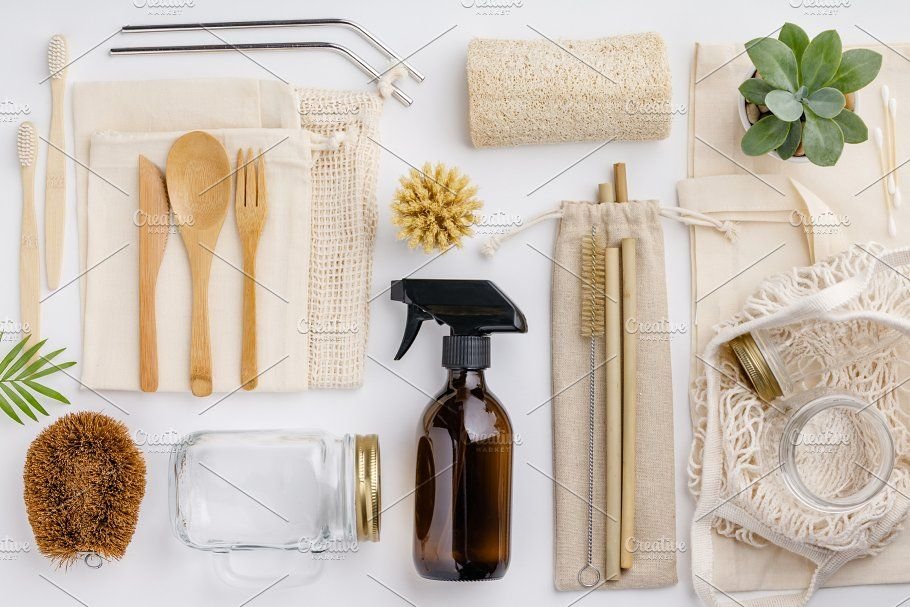
One of the simplest yet most transformative habits is carrying a few reusable items with you. It’s not about carrying your entire kitchen—it’s about having just enough to avoid common plastic situations.
Start small:
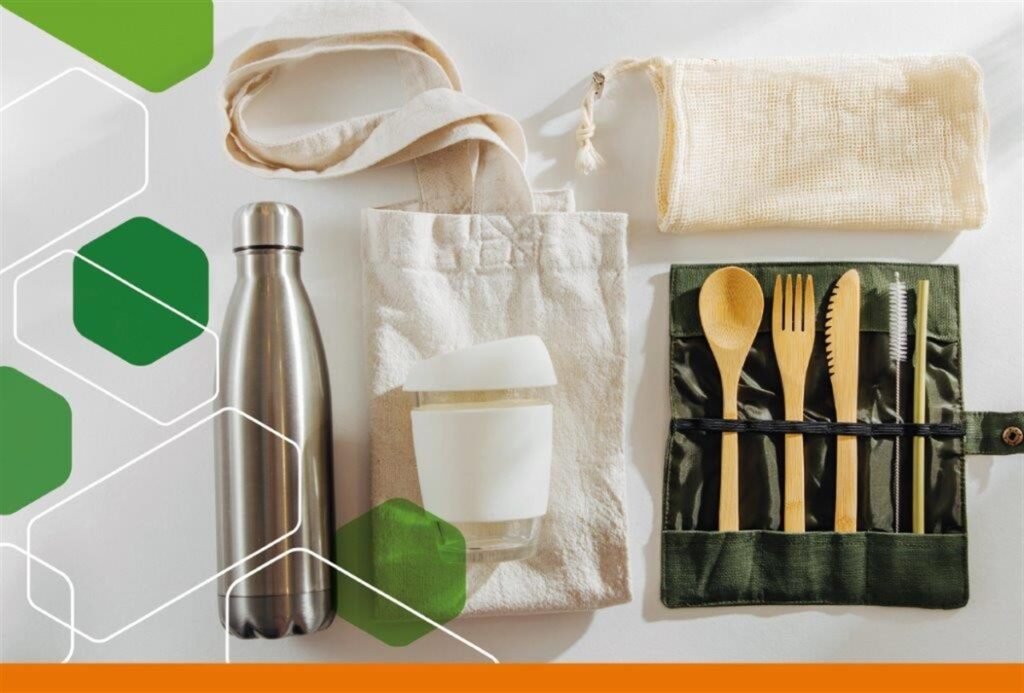
- A reusable shopping bag
- A steel or glass water bottle
- A reusable cup for tea or coffee
- A compact cutlery set
At first, you’ll forget. Everyone does. You’ll stand at a store counter realizing your reusable bag is still at home. Don’t let that discourage you.
Habits form through repetition, not intention alone.
A useful trick:
Keep duplicates in different places—one bag in your car, one near your door, one in your backpack. Make it easier to succeed than to forget.
Over time, these items stop feeling like “extras” and start feeling like extensions of your daily routine.
- rethink your grocery shopping habits
Grocery shopping is one of the biggest sources of plastic waste—and also one of the easiest places to make meaningful changes.
Instead of focusing on what to avoid, focus on how to shop differently.
Try these shifts:
Buy loose produce
Skip pre-packaged fruits and vegetables when possible. Many stores offer loose options—you just need to look for them.
Choose bulk sections
Grains, nuts, spices, and lentils are often available in bulk. Bring your own containers or reusable bags.
Support local vendors
Farmers’ markets or small shops often use less plastic and are more flexible about packaging.
Plan your meals
Impulse buying often leads to unnecessary packaging. A simple meal plan reduces both waste and stress.
There’s something grounding about shopping this way. It slows you down. It reconnects you with food—not as a product, but as something grown, handled, and chosen with care.
- simplify your kitchen routines
The kitchen is often where plastic accumulates the fastest—cling wrap, storage bags, packaged foods, disposable items. But it’s also where small changes can create big impact.
Instead of trying to eliminate everything at once, focus on substitutions:
Swap plastic wrap for:
- Beeswax wraps
- Cloth covers
- Plates over bowls
Replace disposable items with:
- Cloth napkins instead of paper
- Reusable sponges or brushes
- Glass jars for storage
Cook more at home
Pre-packaged meals often come with layers of plastic. Cooking even a few extra meals per week can significantly reduce waste.
And here’s something people don’t talk about enough:
Your kitchen doesn’t have to look “perfectly eco-friendly.”
It can be a mix—old plastic containers alongside new glass jars, reused bottles next to steel utensils. Progress doesn’t require aesthetic consistency.
- be mindful of bathroom products
Bathrooms are full of hidden plastic—from shampoo bottles to toothpaste tubes. But this space offers some of the most satisfying swaps.
Start with easy wins:
- Soap bars instead of liquid soap
- Shampoo bars instead of bottled shampoo
- Safety razors instead of disposable ones
For toothbrushes, switching to bamboo is a common first step. For toothpaste, options like tablets or powder may feel unusual at first—but many people grow to prefer them.
However, not every swap will work for you—and that’s okay.
Some people try shampoo bars and switch back. Others experiment with DIY products and decide they prefer store-bought alternatives. The goal isn’t to force a lifestyle—it’s to find a version that fits you.
A helpful mindset:
Experiment, don’t commit immediately.
Give yourself permission to try, adjust, and refine.
- learn to say “no” politely
Plastic often enters our lives through convenience—and through social situations.
A free plastic bag at checkout
A disposable cup at an event
A packaged gift from a friend
Learning to say “no” doesn’t have to be confrontational. It can be simple, calm, and respectful.
Examples:
“No bag, thank you—I have my own.”
“I’ll skip the straw.”
“I brought my bottle, thanks.”
Most people won’t question it. Some may even feel inspired.
And when you can’t avoid plastic—because of circumstances, travel, or lack of options—don’t be harsh on yourself. This isn’t about perfection. It’s about awareness and intention.
- embrace imperfection and stay consistent
This might be the most important tip of all.
Plastic-free living isn’t a straight path. It’s a series of small decisions, occasional setbacks, and gradual improvements.
You will forget your reusable bag.
You will buy something wrapped in plastic.
You will feel like you’re not doing “enough.”
That’s normal.
What matters is consistency over time.
Think of it like this:
Every plastic item you avoid is one less piece entering the waste stream. Every habit you change is a quiet vote for a different kind of world.
And perhaps most importantly, your journey influences others—often without you realizing it.
A friend notices your reusable bottle.
A family member asks about your shopping habits.
A colleague becomes curious about your choices.
Change spreads quietly, person by person.
bringing it all together
If you step back and look at these tips as a whole, a pattern emerges. Plastic-free living isn’t about eliminating plastic entirely—it’s about redefining your relationship with it.
It’s about:
- noticing instead of ignoring
- replacing instead of discarding
- carrying instead of depending
- choosing instead of defaulting
There’s a certain calmness that comes with this approach. Life becomes a little more intentional, a little less rushed.
And over time, what once felt like effort becomes second nature.
You don’t have to be perfect. You just have to begin.
frequently asked questions
- do i need to go completely plastic-free to make a difference?
No. Even small changes have a meaningful impact. Reducing your plastic use—even by 20–30%—is already a significant step. The goal is progress, not perfection.
- are plastic-free alternatives expensive?
Some are initially more expensive, but they often last longer. For example, a reusable water bottle or safety razor can save money over time. Starting gradually also helps manage costs.
- what should i do with the plastic items i already own?
Use them until they wear out. Throwing them away immediately creates more waste. Transition to alternatives only when replacements are needed.
- how do i stay consistent with new habits?
Make it easy. Keep reusable items where you’ll remember them. Start with one or two changes at a time, and build from there. Consistency comes from simplicity.
- is it okay to use plastic when there’s no alternative?
Yes. Sometimes plastic is the only practical option. The goal isn’t to eliminate it entirely but to reduce unnecessary use whenever possible.
- how long does it take to adjust to a plastic-free lifestyle?
It varies. Some habits change within weeks, while others take months. The key is patience—allow your lifestyle to evolve naturally rather than forcing rapid change.
—
There’s something quietly powerful about choosing differently in a world built on convenience. It doesn’t require grand gestures. Just small, steady shifts—repeated daily—until they become part of who you are.