6 Proven Beginner Plastic Free Living Hacks That Actually Work
It usually begins with something small. A grocery bag tearing at the worst possible moment, a kitchen drawer overflowing with crinkly wrappers, or that quiet realization that nearly everything you touch in a day is wrapped in plastic. For many people, plastic-free living doesn’t start as a grand environmental mission. It starts as discomfort — subtle, persistent, and hard to ignore once you notice it.
If you’re just starting out, the idea of eliminating plastic can feel overwhelming. You imagine glass jars replacing everything, expensive eco-stores, and a lifestyle that demands time you don’t have. But here’s the truth: you don’t need to overhaul your entire life to make meaningful changes. What works are small, practical hacks — the kind that fit into your routine without demanding perfection.
This is not about being flawless. It’s about being consistent.
Below are six beginner-friendly plastic-free living hacks that actually work in real life — not just in theory. Each one is grounded in everyday situations, designed for busy people, and proven to stick when approached with the right mindset.
hack one: start with what you already use daily
The biggest mistake beginners make is trying to replace everything at once. The most effective approach is far simpler: look at what you already use every single day and start there.
Think about your morning routine. You brush your teeth, maybe drink tea or coffee, prepare breakfast, and head out. Each of those moments involves items you repeat daily — and those are your best opportunities for change.
Instead of buying a dozen eco-friendly alternatives, pick just one category. For example:
– Replace plastic water bottles with a reusable one
– Switch from disposable shopping bags to cloth totes
– Use a steel or glass lunch container instead of plastic wrap
What makes this hack powerful is repetition. When you replace something you use every day, the new habit forms naturally. You don’t have to remember it — it becomes part of your rhythm.
A small shift repeated 365 times a year has more impact than a dramatic change you abandon after a week.
Try this simple exercise:
Open your kitchen drawer or bathroom shelf and ask yourself, “Which plastic item do I use the most?” Start there. Not ten items. Just one.
hack two: delay purchases instead of rushing to “eco” replacements
Ironically, one of the least sustainable things you can do is throw away perfectly usable items just to replace them with eco-friendly versions.
Plastic-free living is not about replacing — it’s about reducing.
A common beginner trap is buying bamboo toothbrushes, metal straws, glass containers, and reusable everything all at once. It feels productive, but often leads to clutter and waste.
Instead, adopt a “use it up first” mindset.
If you already have plastic containers, keep using them until they wear out. If you have a drawer full of plastic bags, reuse them instead of discarding them. The goal is to extend the life of what you own.
This approach does two important things:
- It reduces waste immediately
- It slows down unnecessary consumption
When something finally needs replacing, that’s your moment to choose a plastic-free alternative.
There’s a quiet discipline in waiting. It forces you to be intentional instead of reactive.
Over time, your home transitions naturally — without waste, without pressure, and without spending money on things you didn’t truly need.
hack three: create a “grab-and-go” essentials kit
One of the biggest reasons people fall back into plastic use is convenience. You forget your reusable bag, end up buying bottled water, or accept plastic cutlery because it’s easier.
This is where preparation changes everything.
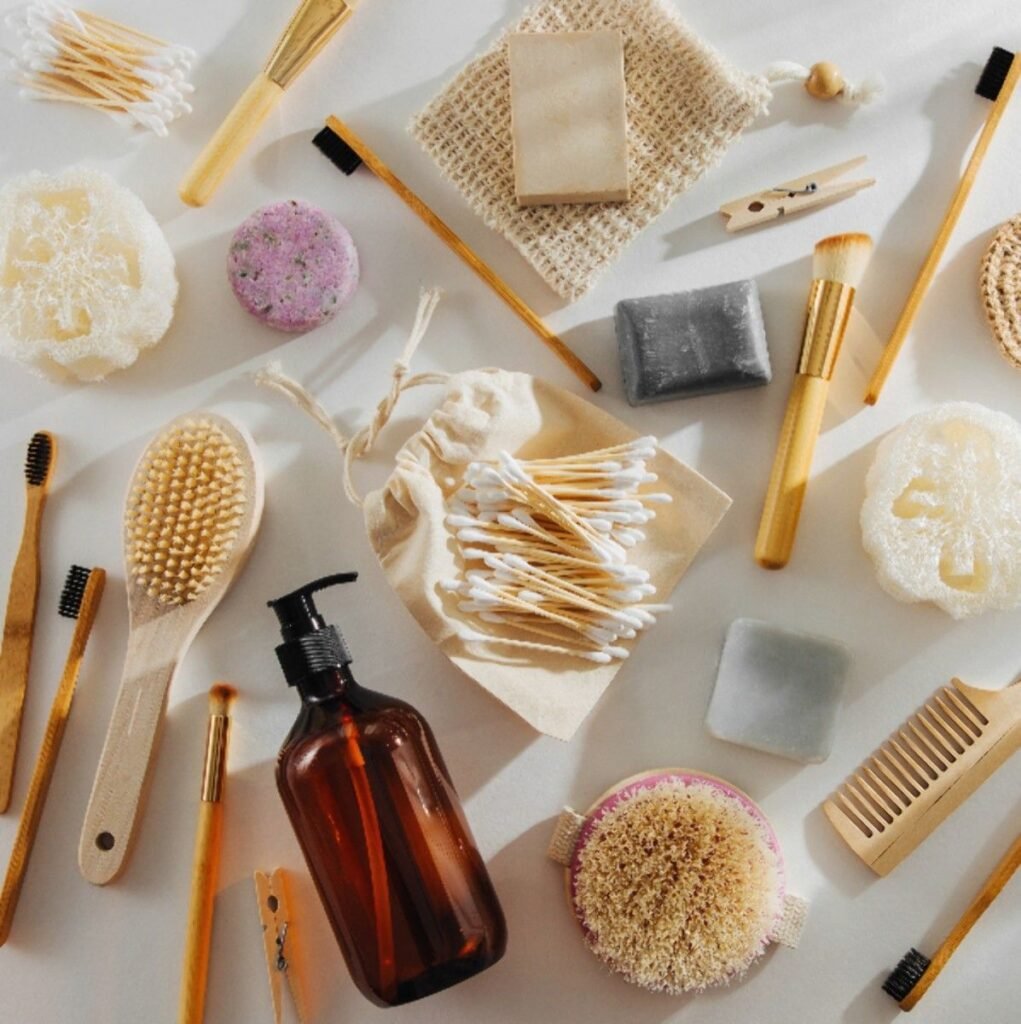
Create a small, portable kit that you can grab whenever you leave the house. It doesn’t need to be complicated. In fact, the simpler it is, the more likely you are to use it.
A basic kit might include:
– A foldable cloth shopping bag
– A reusable water bottle
– A small container for takeaway food
– A set of reusable cutlery
– A handkerchief or cloth napkin
Keep this kit in your bag, car, or near your front door. The goal is to remove friction. When the alternative is already with you, you’re far less likely to rely on plastic.
This hack works because it shifts the default. Instead of reacting to situations, you’re prepared for them.
Over time, you’ll notice something interesting: you stop thinking about it. You simply reach for your kit the same way you reach for your phone or keys.
hack four: shop slower, not differently
Plastic-free living often gets framed as “shop at specialty stores” or “buy in bulk,” which can feel unrealistic for beginners.
A more practical approach is to change how you shop, not necessarily where.
The next time you go grocery shopping, slow down. Instead of grabbing the first option, take a moment to look around. You’ll often find alternatives hiding in plain sight.
For example:
– Loose fruits and vegetables instead of pre-packaged ones
– Glass jars instead of plastic containers
– Paper-wrapped items instead of shrink-wrapped products
You don’t need a completely different store. You just need a different level of attention.
This shift takes an extra minute or two, but it builds awareness. And awareness leads to better choices over time.
Think of it as training your eyes. At first, you’ll miss things. Then gradually, you’ll start noticing patterns — which brands use less packaging, which aisles have better options, which habits you can adjust.
Shopping becomes less automatic and more intentional.
And that’s where real change happens.
hack five: redefine convenience
Convenience is often used as the biggest excuse for plastic use — and understandably so. Plastic is designed to be easy, fast, and disposable.
But what if convenience isn’t what you think it is?
True convenience is not just about saving time in the moment. It’s about reducing effort over the long run.
For example:
Using a reusable water bottle might seem less convenient at first. You have to carry it, clean it, and remember it. But over time, it becomes easier than constantly buying new bottles.
Cooking at home may take more effort initially, but it reduces packaging waste and often saves money.
The key is to zoom out.
Ask yourself: “Is this actually convenient, or just familiar?”
When you redefine convenience, you stop seeing plastic-free choices as burdens. Instead, they become smarter, more sustainable ways of living.
This mindset shift is subtle but powerful. It turns resistance into acceptance.
hack six: focus on progress, not perfection
Perhaps the most important hack of all is psychological.
Many beginners give up because they can’t do everything perfectly. They forget their reusable bag once, use plastic out of necessity, or feel overwhelmed by the scale of the problem.
But plastic-free living is not an all-or-nothing journey.
It’s a series of imperfect decisions made consistently over time.
You will make mistakes. You will forget things. You will sometimes choose convenience over sustainability.
That’s not failure — that’s reality.
What matters is what you do next.
Instead of thinking, “I messed up,” think, “What can I do better next time?”
This approach removes guilt and replaces it with curiosity. It keeps you moving forward instead of getting stuck.
A single reusable habit practiced imperfectly is more impactful than a perfect plan never followed.
a simple weekly reset ritual
To make these hacks stick, try adding a short weekly reset. It doesn’t need to take more than ten minutes.
At the end of the week, ask yourself:
– What plastic items did I use the most?
– Where did I fall back into old habits?
– What is one small improvement I can try next week?
Write it down if possible. This reflection keeps you aware without overwhelming you.
Over time, these small adjustments compound into significant changes.
a quiet shift in perspective
As you continue this journey, something interesting begins to happen. You start noticing plastic everywhere — not in a stressful way, but in a more conscious, observant way.
You begin to question things you never questioned before. Do I need this packaging? Is there another option? Can I reuse this?
This awareness is not about restriction. It’s about clarity.
Plastic-free living stops being a set of rules and becomes a way of seeing the world.
And once you see it, you can’t unsee it.
frequently asked questions
- is it expensive to start plastic-free living?
Not necessarily. In fact, starting slowly can save you money. By using what you already have and avoiding unnecessary purchases, you reduce spending. Many plastic-free swaps, like reusable bags or bottles, pay for themselves over time.
- what if i don’t have access to bulk or eco stores?
You don’t need special stores to begin. Focus on small changes within your existing shopping habits, like choosing unpackaged produce or items in recyclable materials. Progress can happen anywhere.
- how do i stay consistent when life gets busy?
Keep it simple. Focus on one or two habits at a time and build from there. Having a grab-and-go kit also helps reduce last-minute decisions that lead to plastic use.
- is it okay to still use plastic sometimes?
Yes. The goal is reduction, not perfection. There will be situations where plastic is unavoidable. What matters is making better choices when you can.
- how long does it take to build these habits?
It varies, but most habits become easier within a few weeks of consistent practice. The key is repetition and simplicity.
- what’s the most impactful first step?
Start with something you use every day, like a reusable water bottle or shopping bag. Daily habits create the biggest long-term impact.
In the end, plastic-free living is less about the materials you use and more about the mindset you adopt. It’s about paying attention, making intentional choices, and accepting that change happens gradually.
You don’t need to do everything. You just need to start somewhere — and keep going.