

7 Smart Home Plastic Free Living Hacks for Every Room
There’s something quietly powerful about walking through your home and realizing how many small choices shape your daily life. The cup you drink from, the way you store food, the cleaning tools tucked under the sink—these details often go unnoticed, yet they carry a significant environmental weight. Plastic, in particular, has become so embedded in modern living that removing it can feel overwhelming at first. But the truth is, a plastic-free home isn’t built overnight. It’s created through a series of thoughtful, practical shifts—room by room, habit by habit.
What follows is not a rigid rulebook, but a collection of smart, realistic hacks designed to help you reduce plastic use throughout your home. Each section focuses on a different space, offering ideas that are not only environmentally conscious but also aesthetically pleasing, cost-effective over time, and often more durable than their plastic counterparts.
- kitchen: rethink storage, not just consumption
The kitchen is usually the biggest source of household plastic, from food packaging to storage containers. The first shift here isn’t about perfection—it’s about awareness.
Start by opening your cabinets and taking inventory. You’ll likely find a mix of plastic containers, cling wrap, zip-top bags, and perhaps even disposable cutlery. Instead of discarding everything at once, transition gradually.
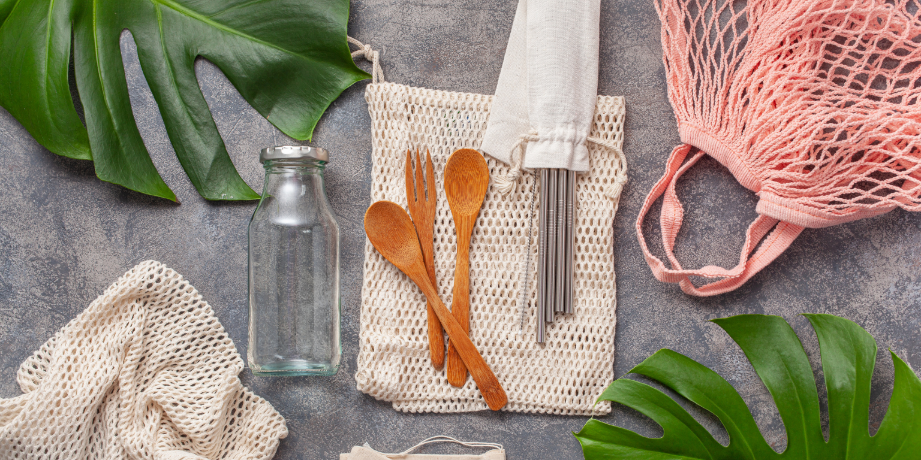
Swap plastic containers for glass or stainless steel alternatives. Glass jars—especially repurposed ones from sauces or jams—are surprisingly versatile. They can store grains, spices, leftovers, and even liquids without absorbing odors or stains. Stainless steel containers are excellent for lunchboxes and travel meals.
Cling film is another silent contributor to plastic waste. Replace it with beeswax wraps or silicone lids. Beeswax wraps mold easily with the warmth of your hands and can cover bowls or wrap sandwiches. Silicone lids stretch over containers of various sizes, creating a tight seal without waste.
Bulk buying is another powerful strategy. When possible, purchase dry goods like rice, lentils, and spices in bulk using your own containers or cloth bags. Not only does this reduce packaging waste, but it also encourages mindful consumption.
Even dishwashing can be transformed. Replace plastic scrubbers with natural fiber brushes or coconut coir pads. These options are biodegradable and often last longer.
The kitchen becomes less about eliminating plastic instantly and more about building a system that naturally avoids it.
- bathroom: simplify routines, reduce packaging
The bathroom is often filled with hidden plastics—shampoo bottles, toothbrushes, razors, and cosmetic containers. Yet it’s also one of the easiest places to make impactful changes.
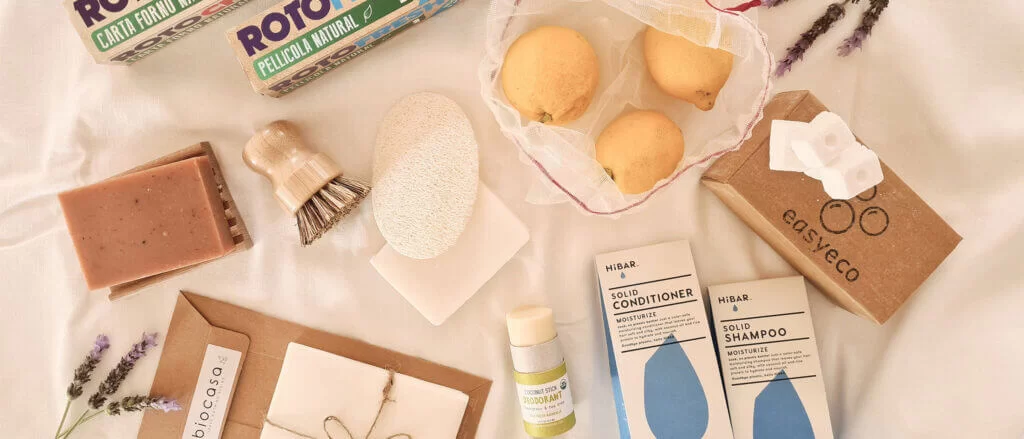
Start with personal care products. Solid alternatives like shampoo bars, conditioner bars, and soap bars eliminate the need for plastic bottles entirely. These products are compact, travel-friendly, and often last longer than liquid versions.
Toothbrushes can be swapped for bamboo options with compostable handles. While the bristles are usually still synthetic, the overall plastic reduction is significant.
Rethink shaving tools. Safety razors made from stainless steel may seem old-fashioned, but they offer a close shave and eliminate disposable plastic cartridges. The blades are recyclable and far more cost-effective over time.
For skincare and cosmetics, look for refillable or glass-packaged products. Many brands now offer refill systems that allow you to reuse containers instead of discarding them.
Even small changes matter. Replace plastic cotton swabs with paper or bamboo versions. Use washable cloth pads instead of disposable wipes. Switch to bar-based deodorants or products in metal tins.
The bathroom becomes a place of simplicity—fewer products, less clutter, and a noticeable drop in waste.
- living room: mindful materials and hidden plastics
The living room might not seem like a major source of plastic, but it often contains synthetic materials in furniture, décor, and everyday items.
Start with textiles. Many cushions, rugs, and blankets are made from synthetic fibers like polyester, which shed microplastics over time. Opt for natural materials such as cotton, wool, or linen whenever possible. These materials not only reduce environmental impact but also add warmth and texture to your space.
Decor items are another area to reconsider. Plastic frames, artificial plants, and synthetic decorations can often be replaced with wood, metal, ceramic, or real greenery. Indoor plants, in particular, bring life into the room while improving air quality.
Remote controls, cables, and electronics inevitably involve plastic, but you can minimize excess by organizing and maintaining what you already have instead of frequently upgrading.
Candles are another subtle switch. Many conventional candles are made from paraffin, a petroleum byproduct. Choose soy, beeswax, or coconut wax candles in glass or metal containers.
Even storage solutions can shift. Replace plastic bins with woven baskets, wooden crates, or fabric organizers. These alternatives are durable and visually appealing.
The goal in the living room isn’t to eliminate plastic entirely but to create a space that feels intentional and grounded in natural materials.
- bedroom: comfort without compromise
The bedroom should be a sanctuary, and removing plastic elements can enhance both comfort and health.
Start with bedding. Synthetic sheets and blankets can trap heat and release microplastics. Natural fabrics like organic cotton, bamboo (processed responsibly), or linen are breathable and long-lasting.
Mattresses and pillows often contain foam and synthetic materials, but many brands now offer natural latex or organic options. While these can be more expensive upfront, they tend to last longer and provide better support.
Closet organization is another area to address. Replace plastic hangers with wooden or metal ones. Use cloth garment bags instead of plastic covers. Store seasonal clothing in fabric boxes or baskets.
Laundry habits also play a role. Washing synthetic fabrics releases microplastics into water systems. Consider using a microfiber-catching laundry bag or filter to reduce this impact.
Even small details, like alarm clocks or bedside accessories, can shift toward wood, metal, or glass alternatives.
The bedroom becomes a place where sustainability meets comfort, without sacrificing style or function.
- home office: reduce invisible waste
With more people working from home, the office has become an important part of daily life—and a surprising source of plastic waste.
Start with stationery. Replace plastic pens with refillable ones or pencils. Choose notebooks made from recycled paper or sustainable materials.
Cable management often involves plastic clips and organizers. Consider wooden cable boxes or fabric ties instead.
Office furniture can also be reconsidered. Desks and chairs made from wood or metal are more durable than plastic-heavy alternatives.
Packaging from deliveries is another challenge. Reuse boxes, recycle responsibly, and opt for companies that use minimal or plastic-free packaging.
Even tech accessories can shift slightly. Look for phone cases made from biodegradable materials or recycled components.
The home office becomes a place of efficiency and intention, where waste is minimized without affecting productivity.
- cleaning routine: ditch disposable culture
Cleaning products and tools are often heavily reliant on plastic—from spray bottles to disposable wipes.
Start with cleaning solutions. Many effective cleaners can be made at home using simple ingredients like vinegar, baking soda, and lemon. Store them in glass spray bottles or reuse existing ones.
Replace disposable wipes with reusable cloths made from cotton or old fabric scraps. These can be washed and reused countless times.
Sponges are another area to rethink. Natural sponges or compostable scrubbers offer the same functionality without the environmental cost.
Laundry detergents often come in plastic containers, but alternatives like powder detergents in cardboard boxes or detergent sheets are becoming more available.
Even trash bags can be reconsidered. While completely eliminating them may not be practical, reducing waste overall means fewer bags are needed.
Cleaning becomes less about convenience-driven disposables and more about sustainable routines that still deliver results.
- entryway and daily habits: small changes, big impact
The entryway is where daily habits begin and end, making it a powerful place to reinforce plastic-free living.
Keep reusable shopping bags near the door so you never forget them. Choose cloth or jute bags instead of plastic ones.
Set up a system for reusable water bottles and coffee cups. Having them ready to grab makes it easier to avoid single-use plastics throughout the day.
Shoes, umbrellas, and accessories can be stored in baskets or racks made from natural materials.
Mail and packaging often enter the home through this space. Sort immediately—recycle what you can and reuse packaging when possible.
The entryway becomes a transition zone that supports sustainable habits outside the home as well.
bringing it all together
A plastic-free home isn’t about achieving perfection or following strict rules. It’s about creating an environment where sustainable choices become second nature. Each room offers opportunities to rethink habits, replace materials, and reduce waste in ways that feel manageable and meaningful.
Over time, these changes add up. You begin to notice not just a reduction in plastic, but an overall improvement in how your home feels—calmer, more intentional, and more aligned with your values.
The process is gradual, and that’s exactly how it should be. Every swap, every reused jar, every avoided plastic bag contributes to a larger shift—one that extends beyond your home and into the wider world.
frequently asked questions
- is it expensive to switch to a plastic-free home?
Initially, some items like glass containers or stainless steel products may cost more than plastic alternatives. However, they are usually more durable and long-lasting, which saves money over time. Many swaps, like reusing jars or making DIY cleaners, are actually cheaper.
- can i go completely plastic-free?
Completely eliminating plastic is extremely difficult in modern life, especially with electronics and certain packaging. The goal should be to reduce as much as possible rather than aiming for perfection.
- what is the easiest room to start with?
The bathroom is often the easiest place to begin because many products have simple, plastic-free alternatives like soap bars, bamboo toothbrushes, and refillable containers.
- how do i handle food packaging that comes in plastic?
Focus on reducing rather than eliminating. Buy in bulk when possible, choose products with minimal packaging, and reuse or recycle plastic responsibly. Supporting brands that offer sustainable packaging also helps drive change.
- are plastic-free alternatives always better for the environment?
Not always, but in most cases, durable and reusable materials like glass, metal, and natural fibers have a lower long-term environmental impact compared to single-use plastics.
- how long does it take to transition to a plastic-free home?
There’s no fixed timeline. Some people make significant changes within a few months, while others take years. The key is to move at a pace that feels sustainable and realistic for your lifestyle.