Introduction
Walk into any modern home and you’ll find plastic everywhere—wrapping your food, lining your bins, holding your toiletries, and even woven into your clothes. It’s convenient, cheap, and durable. Unfortunately, those same qualities make plastic one of the most persistent pollutants on Earth. Once it enters your home, it rarely leaves your life completely—it just breaks down into smaller pieces.
But here’s the good news: you don’t need to overhaul your entire lifestyle overnight to make a difference. Small, practical swaps inside your home can immediately reduce your plastic footprint. These changes are not only easy to implement but often healthier, aesthetically pleasing, and cost-effective in the long run.
This article explores ten simple plastic-free swaps that work instantly. These aren’t extreme lifestyle changes—they’re realistic shifts that anyone can adopt, starting today.
- Swap plastic grocery bags with reusable cloth bags
Plastic grocery bags are one of the most common single-use plastics. They’re used for minutes but can take hundreds of years to decompose. Many end up in landfills, waterways, or stuck in trees.
Switching to reusable cloth bags is one of the easiest and most impactful changes you can make. Keep a few folded bags in your car, backpack, or near your door so you don’t forget them.
Why it works instantly:
You eliminate dozens of plastic bags each month without changing your shopping habits.
Bonus tip:
Choose sturdy cotton or jute bags that can carry heavier items and last for years. Wash them occasionally to keep them hygienic.
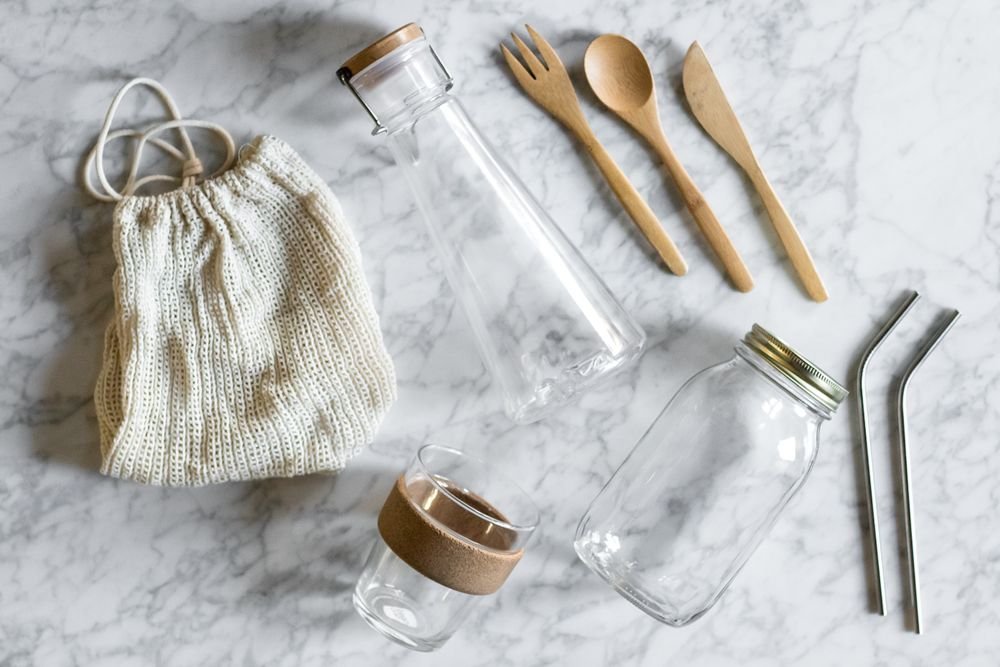
- Replace plastic water bottles with stainless steel or glass
Single-use plastic water bottles are a major contributor to environmental pollution. Even reusable plastic bottles can degrade over time and release microplastics into your water.
Switch to a stainless steel or glass bottle for daily use. These alternatives are durable, safe, and often better at maintaining temperature.
Why it works instantly:
You stop buying disposable bottles immediately and reduce plastic exposure.
Extra benefit:
You’ll likely drink more water when you carry a reliable bottle with you.
- Switch cling film to beeswax wraps or containers
Plastic cling wrap is widely used for covering leftovers and wrapping food. It’s convenient but almost always single-use.
Beeswax wraps are a natural alternative made from cotton infused with beeswax, resin, and oil. They’re reusable, washable, and biodegradable.
Alternatively, you can use glass containers with lids or simply cover bowls with plates.
Why it works instantly:
You eliminate a daily-use plastic product without sacrificing convenience.
Pro tip:
Warm beeswax wraps with your hands to make them mold easily around food or containers.
- Use bar soap instead of liquid soap in plastic bottles
Liquid soaps and body washes often come in plastic bottles that are discarded frequently. Switching to bar soap significantly reduces this waste.
Bar soaps today come in a wide variety of formulations—moisturizing, antibacterial, scented, or unscented—so you won’t feel like you’re compromising.
Why it works instantly:
You replace a recurring plastic purchase with a long-lasting, packaging-free option.
Extra insight:
Bar soaps often last longer than liquid soaps, making them more economical.
- Replace plastic toothbrushes with bamboo toothbrushes
Plastic toothbrushes are rarely recyclable and contribute to millions of tons of waste globally.
Bamboo toothbrushes are biodegradable and just as effective. They typically have soft, medium, or hard bristles, just like plastic ones.
Why it works instantly:
A simple switch in your bathroom routine cuts down long-term plastic waste.
Important note:
The bristles are usually still nylon, so remove them before composting the handle.
- Swap plastic food storage for glass or stainless steel
Plastic containers are common in kitchens, but they can stain, absorb odors, and degrade over time. More importantly, they can leach chemicals into food, especially when heated.
Glass and stainless steel containers are safer and more durable. Glass is ideal for reheating food, while stainless steel is great for storage and transport.
Why it works instantly:
You reduce both plastic waste and potential chemical exposure.
Added benefit:
Your food stays fresher and tastes better without plastic interference.
- Switch disposable razors to safety razors
Disposable plastic razors are used briefly and thrown away, contributing to landfill waste.
A safety razor, typically made of metal, uses replaceable blades. While it may seem old-fashioned, it provides a close shave and can last a lifetime.
Why it works instantly:
You eliminate a recurring plastic item from your personal care routine.
Cost advantage:
Blades are inexpensive, making this swap economical over time.
- Replace plastic cleaning tools with natural alternatives
Cleaning supplies often include plastic brushes, synthetic sponges, and disposable wipes.
Natural alternatives include:
– Wooden brushes with plant-based bristles
– Loofah sponges
– Cloth rags instead of paper towels
– Compostable scrubbers
Why it works instantly:
You reduce plastic waste in a category that’s frequently replaced.
Extra benefit:
Many natural tools are biodegradable and gentler on surfaces.
- Use refillable or DIY cleaning products
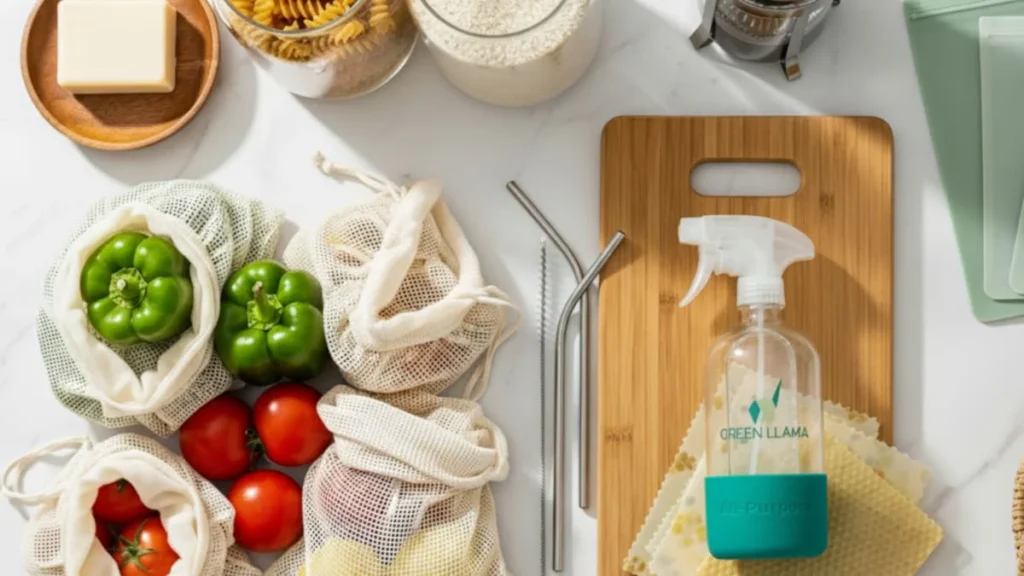
Most household cleaners come in plastic bottles and contain harsh chemicals. Switching to refillable systems or making your own cleaners reduces both plastic waste and chemical exposure.
Simple DIY cleaner:
Mix vinegar, water, and a few drops of essential oil in a reusable glass spray bottle.
Why it works instantly:
You stop buying multiple plastic bottles every month.
Bonus:
DIY solutions are often cheaper and just as effective.
- Replace plastic trash bags where possible
While completely eliminating trash bags may not be realistic for everyone, you can reduce reliance on plastic liners.
Alternatives include:
– Composting organic waste
– Using paper-based or biodegradable liners
– Reusing old packaging when possible
Why it works instantly:
You reduce the number of plastic bags used weekly.
Mindset shift:
The goal is reduction, not perfection. Even cutting usage by half makes a difference.
Making the transition sustainable
Switching to a plastic-free home doesn’t mean throwing away everything you already own. In fact, doing so would create more waste. The best approach is gradual replacement.
Here’s how to make your transition effective:
– Use what you have until it wears out
– Replace items one at a time
– Focus on high-impact swaps first
– Avoid perfectionism
Consistency matters more than speed.
The psychological impact of plastic-free living
Interestingly, reducing plastic isn’t just about the environment—it also changes how you interact with your home.
You begin to:
– Value durability over convenience
– Make more intentional purchases
– Appreciate natural materials
– Reduce clutter
These shifts often lead to a calmer, more mindful lifestyle.
Common challenges and how to overcome them
- Convenience concerns
Many people worry that plastic-free options are less convenient. In reality, once habits form, they become second nature. - Higher upfront costs
Some alternatives cost more initially. However, they usually last longer, saving money over time. - Availability
Not all areas have easy access to plastic-free products. Start with what’s available locally or online and build gradually. - Forgetfulness
Keep reminders—like reusable bags near the door—to build habits.
Final thoughts
Plastic-free living isn’t about being perfect. It’s about being conscious. Every small change adds up, especially when adopted consistently over time.
By implementing these ten easy swaps, you can significantly reduce your household’s plastic footprint without disrupting your daily life. The key is to start simple, stay consistent, and build from there.
Your home becomes not just a living space, but a reflection of mindful choices—choices that benefit both your health and the planet.
Frequently Asked Questions (FAQs)
- Do I need to go completely plastic-free to make a difference?
No, even small reductions in plastic use can have a meaningful impact. Consistency matters more than perfection. - Are plastic-free alternatives expensive?
Some have higher upfront costs, but they often last longer and save money over time. - What is the easiest swap to start with?
Switching to reusable shopping bags and a reusable water bottle are the simplest and most effective starting points. - Is it safe to replace all plastic food containers immediately?
There’s no need to rush. Replace them gradually as they wear out to avoid unnecessary waste. - Are biodegradable plastics a good alternative?
They can be better than conventional plastics, but they still require proper disposal conditions. Reusable options are usually more sustainable. - How do I stay consistent with plastic-free habits?
Make the changes convenient—keep reusable items accessible and build routines around them. Over time, they become automatic.