Zero Plastic Waste or Plastic Free: Which Fits Your Home?
Every couple of weeks someone messages me asking why I use “zero waste” and “plastic free” almost interchangeably in one post, then a few lines later treat them like two completely different projects. I get why it’s confusing. I used to run them together too, back when I was still figuring out which jar to keep on the counter and which one to throw in the recycling. They’re related. They are not the same goal, and mixing them up is the reason so many people quit three weeks in, convinced they failed at something they never actually attempted.
1. The Two Words Everyone Uses Like Synonyms
Zero waste is about volume. The question it asks is simple: how much is going in your bin, and can that number get smaller, no matter what the material is. Plastic free is about material. It doesn’t care as much about how much you’re throwing away, it cares about whether plastic is the thing doing the throwing.
You can be almost entirely plastic free and still fill a bin every week with food scraps, paper, and broken ceramics. You can also run a fairly tight zero waste household, composting and batch cooking and buying in bulk, and still have a drawer full of plastic containers you’ve owned for a decade because they work and you’re not going to toss something functional just to make a point.
I learned this the slow way, by trying to do both at once in my first year and burning out by February. Once I separated the two goals in my head, everything got easier. Not easy. Easier.
2. What Zero Waste Actually Asks Of You
Zero waste, as a practice, is closer to a systems problem than a shopping list. It’s asking you to look at your household the way a small business might look at its supply chain: what comes in, what gets used, what goes out, and where the leaks are.
In practice this looks like buying in bulk when you can, composting food scraps instead of bagging them, repairing things before replacing them, and being genuinely willing to buy secondhand for items that don’t need to be new. It also means being honest about recycling, most municipal systems handle a much narrower list of materials than people assume, so a lot of what gets tossed in the blue bin with good intentions ends up in landfill anyway.
If you’re just getting your bearings with the concept, our piece on what beginners confuse most between plastic free and zero waste goes deeper into the philosophical split than I have room for here.
The tradeoff with zero waste is time. Composting takes a system. Bulk buying takes a car, a set of containers, and a store that actually offers it, which not every neighborhood has. It’s the harder of the two goals to run at full intensity in a busy household, and it’s the one I’d tell a new parent to ease into rather than attempt cold.
3. What Plastic Free Actually Asks Of You
Plastic free is narrower, and that narrowness is exactly what makes it more achievable for most people starting out. You’re not trying to solve your entire waste stream. You’re targeting one material and swapping it out wherever you reasonably can.
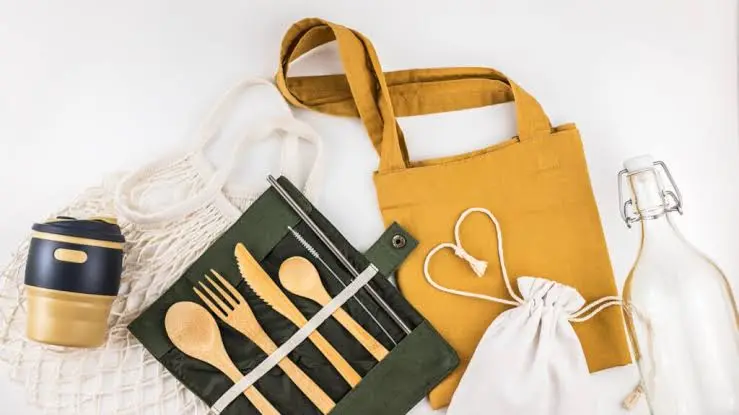
This is where most people’s plastic free journey actually starts, whether they call it that or not: a stainless steel water bottle, beeswax wrap instead of cling film, a bar of soap instead of the pump bottle. Small, visible swaps that don’t require a system overhaul.
The honest catch is that plastic free doesn’t automatically mean less waste. Paper packaging, glass jars, and cardboard boxes all still end up somewhere, and some plastic alternatives use more energy or water to produce than the plastic they replace. Going plastic free is a material choice, not a volume reduction strategy, and treating it as both is where a lot of the guilt creeps in that doesn’t need to be there.
If you want a starting list that doesn’t assume you’re overhauling your whole kitchen in a weekend, the swaps we recommend trying first are ranked roughly by how much daily friction they remove versus how much they cost upfront.
4. Side by Side: Zero Waste vs Plastic Free
| Zero Waste | Plastic Free | |
|---|---|---|
| Main question | How much am I throwing away? | What material am I throwing away? |
| Typical first step | Composting, bulk buying | Swapping single-use plastic items |
| Time investment | High, ongoing | Moderate, front-loaded |
| Upfront cost | Can be low (secondhand, bulk) | Can be higher (reusable gear) |
| Common frustration | Access to bulk stores, composting logistics | “Eco” plastic alternatives that aren’t actually better |
| Where it shows up first | Your kitchen bin | Your bathroom cabinet and pantry |
| Best for | Households with time and a bulk store nearby | Households wanting visible, quick wins |
Neither column is the “correct” one. They’re solving different problems, and a lot of households, ours included, end up running a blend without ever formally deciding to.
5. Where People Usually Go Wrong
The mistake I see most often, and made myself, is treating a plastic free win as a zero waste win automatically. Someone swaps their shampoo bottle for a bar, feels great about it, and doesn’t notice that the bar came wrapped in cardboard shipped from three states away, or that the bottle they replaced was already being refilled at a local store and technically generating less new material overall. The swap wasn’t wrong. The assumption that it solved a different problem was.
The second mistake is guilt over composting. People read that zero waste “requires” a compost system, don’t have space for one, and quietly conclude they’ve failed before they’ve started. You don’t need a backyard bin to make progress. Community compost drop-offs exist in a lot of cities now, and even skipping that step entirely doesn’t disqualify you from calling your household plastic free if that’s the goal you were actually working toward.
And here’s a smaller one that trips up almost everyone in the first month: buying reusable containers before figuring out what you’re actually storing in them. I did this. I bought a full set of glass containers before I’d worked out that half my pantry staples came in plastic bags with no bulk alternative nearby. The containers sat empty for weeks. If you’re at that stage, the mistakes most people make in month one covers this exact sequencing problem in more detail.
6. Picking Which One Actually Fits Your House
If you live alone or with one other person, have some flexibility in your schedule, and there’s a bulk store within reasonable driving distance, zero waste is worth attempting as your primary framework. The systems take longer to build but they compound, and once composting and bulk shopping become routine they stop feeling like effort.
If you’re working full time, running a household with kids, or you live somewhere without easy access to bulk goods, plastic free is the more forgiving entry point. You can make real, visible progress with a handful of swaps and not need to restructure how your whole kitchen operates. This is genuinely where most people on Plastic Free Living start, and a fair number never move past it, which is fine. Progress on one axis doesn’t obligate you to the other.
You can also just pick whichever one bothers you more when you look in your own bin. That’s a legitimate selection method. Mine started because I couldn’t stand how much of my recycling was clearly never going to actually get recycled, which pushed me toward zero waste first and plastic free second, in that order, almost by accident.
If you’re not sure where you currently stand, our starting point guide walks through a rough self-assessment before you commit to either framework.
There isn’t a version of this where you get it perfectly right on the first attempt. Pick the one that matches your actual week, not the one that sounds more impressive at a dinner party, and adjust from there.
Frequently Asked Questions
Can I be zero waste without being plastic free? Yes, and plenty of people are. Zero waste focuses on total volume, so a household can reduce overall trash significantly while still using some plastic items, especially durable ones they already own.
Is plastic free automatically better for the environment than zero waste? Not automatically. It depends on what’s replacing the plastic. A paper alternative that’s manufactured with high water or energy use isn’t a clear win just because it isn’t plastic.
Do I need to compost to call myself zero waste? No. Composting helps a lot, but access to it varies widely by location. Reducing consumption and reusing what you have still counts as meaningful progress even without a compost system.
Which one is cheaper to start? Zero waste can be cheaper upfront if you lean on secondhand items and bulk buying. Plastic free often has a higher initial cost because reusable gear like steel containers or glass jars needs to be purchased before it starts saving you money.
What’s the biggest sign I’m doing too much at once? If you’re buying new “eco” products faster than you’re using up what you already own, that’s usually the tell. Slowing down and using existing items until they wear out is part of both frameworks, not a shortcut around them.
Whichever direction you take first, the beginner hub over on Plastic Free Living lays out both paths without assuming you’ve already picked one.