
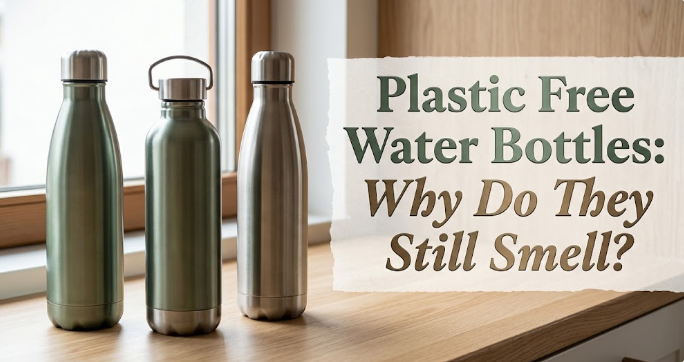
Plastic Free Water Bottles: Why Do They Still Smell?
I used to think switching to a stainless steel bottle would solve the smell problem once and for all. It didn’t. Six months into ditching disposable plastic, I unscrewed the cap on my “eco-friendly” bottle and got hit with something between wet gym sock and old milk. That was the moment I realized going plastic-free doesn’t automatically mean odor-free. It just means the smell comes from somewhere new.
If you’ve made the switch and you’re wondering why your stainless steel, glass, or bamboo-lidded bottle still smells after a rinse, you’re not doing anything wrong by accident. You’re running into a handful of very specific, very fixable habits that almost nobody explains clearly.
1. The Smell Isn’t Always Coming From the Bottle Itself
This is the part that trips people up first. The bottle body, whether it’s stainless steel, glass, or a plant-based plastic alternative, is rarely the actual source. It’s usually one of three things:
- The lid gasket, especially silicone seals that trap moisture
- The threading where the cap screws on, which almost never gets scrubbed
- A thin biofilm layer that builds up on the inside walls even when the bottle “looks” clean
Biofilm is the one people miss completely. It’s a slippery, almost invisible layer of bacteria that forms wherever there’s regular moisture and organic residue, meaning any bottle that holds anything other than plain water for more than a day or two. You can rinse a bottle five times and the film stays put because rinsing doesn’t remove it. Only scrubbing or a chemical breakdown does.
2. Why Stainless Steel Bottles Smell Different Than Plastic Ones Did
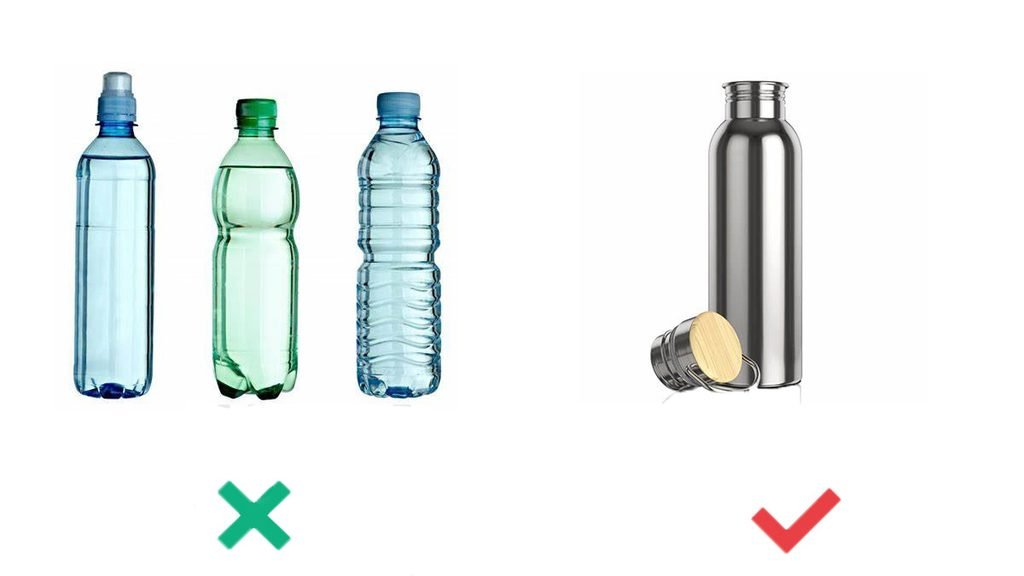
Plastic bottles used to smell like, well, plastic. That was an offgassing issue, chemicals from the manufacturing process slowly releasing over the first few uses. Annoying, but it faded.
Stainless steel doesn’t offgas the same way, so when it smells, it’s almost always biological. Protein residue is the biggest offender here. Milk, protein shakes, and anything with dairy or whey leaves behind organic matter that clings to microscopic scratches in the steel. Steel isn’t as smooth as it looks under a microscope, and every scratch becomes a place for residue to hide.
Coffee and tea do something similar but slower. The tannins build up a layer that oxidizes and starts to smell musty, almost like a damp basement, if you let it sit too long between washes.
Here’s where people usually go wrong: they wash the bottle with dish soap and think that’s sufficient. Dish soap is built to cut grease, not to break down protein film or bacterial buildup. It’s the wrong tool for this particular job, and it’s the number one reason people email asking why their “clean” bottle still smells.
3. The Fix Nobody Tells You About (Because It’s Not Glamorous)
Baking soda and white vinegar are still the most reliable combination, and I say that as someone who has tried the fancy tablet cleaners, UV sterilizers, and specialty bottle brushes marketed specifically for this problem.
Here’s the actual method that works:
| Method | Best For | Time Needed |
|---|---|---|
| Baking soda + warm water, shaken and left overnight | General odor, mild buildup | 8-12 hours |
| White vinegar (undiluted), filled to the top | Musty smell, mold suspicion | 1 hour, then rinse well |
| Denture tablets or effervescent cleaning tablets | Deep buildup, hard-to-reach threading | 30 minutes |
| Bottle brush with stiff bristles, used weekly | Preventing buildup before it starts | 2 minutes, ongoing |
The vinegar method surprises people because it feels too simple. But vinegar’s acidity breaks down mineral deposits and mold spores in a way that soap physically can’t. Just don’t use it on bottles with certain enamel coatings without checking the manufacturer’s guidance first, since some finishes are more sensitive than others.
And always, always take the lid apart completely before cleaning. The gasket ring pops out on most designs. If yours doesn’t, that’s worth knowing before you buy your next one, because a fixed gasket is basically guaranteed to smell eventually.
4. Drying Habits Matter More Than Cleaning Habits
I’ll be honest, this took me longer to figure out than it should have. You can do everything right with cleaning and still end up with a smelly bottle if you’re storing it wet.
Any bottle left closed, even slightly damp, becomes a small greenhouse for bacteria overnight. It doesn’t take much moisture. A few drops pooled at the bottom of a bottle left capped on the counter is enough to start the process again from scratch.
The fix is almost annoyingly basic: leave the bottle open and upside down to air dry, every single time, before you put the lid back on or store it in a cupboard. If you’re the type of person who fills a bottle straight from the dish rack without checking whether it’s actually dry inside, that habit alone might be your entire smell problem.
This connects to something worth mentioning if you’re newer to this whole shift. A lot of the frustration people run into during their first weeks going plastic-free isn’t really about plastic at all, it’s about relearning small daily habits that disposable products let you skip. Some of the more common ones are covered over in our piece on mistakes most beginners make in month one, and the bottle-drying thing shows up on that list more than you’d expect.
5. When It’s Actually the Material, Not Your Habits
Sometimes the bottle itself is the problem, and no amount of cleaning fixes it. This happens most with:
Bamboo lids that aren’t sealed properly. Bamboo is porous, and if the coating wears off, it starts absorbing moisture and smell permanently. We’ve actually written a longer breakdown on whether bamboo products are really as plastic-free as they’re marketed, and lid coatings come up as a recurring issue there too.
Cheap silicone seals that degrade after six to twelve months of regular use. Not all silicone is created equal, and the budget versions that come with many bottles start breaking down structurally before they look visibly worn.
Reused plastic bottles that were never designed for repeated use in the first place, which is a separate conversation from intentional reusable bottles. If you grabbed a single-use bottle and decided to keep refilling it, that’s a different odor problem entirely, and it’s one of the more common early missteps we talk about in our guide to plastic-free swaps worth trying first.
If you’ve deep cleaned a bottle properly, dried it completely between uses, and it still smells within a day of a clean fill, that’s usually a sign the material has degraded past the point of fixing. Replacing it isn’t a failure. It’s just the lifespan of that particular product ending.
A Few Things Worth Knowing Before You Buy Your Next One
Not every “eco-friendly” bottle is built the same, and the marketing rarely tells you which ones will give you smell problems down the line. Removable gaskets, wide mouths that make scrubbing possible, and simple two-piece lid designs tend to outperform anything with tiny crevices or fixed seals, regardless of what material the bottle itself is made from. It’s a small detail, but it’s the difference between a bottle you keep for three years and one you quietly replace every few months out of frustration.
None of this is really about being perfect with plastic-free living. It’s about understanding what you’re actually working with, because glass, steel, and bamboo all behave differently than the plastic bottles most of us grew up with, and they need slightly different care to stay usable long term.
FAQs
My stainless steel bottle smells like sulfur or rotten eggs. Is that dangerous? It’s unpleasant but usually not dangerous. That smell typically comes from sulfur-reducing bacteria that thrive in low-oxygen, moist environments, most often after a bottle sat closed and damp for several days. A vinegar soak followed by thorough drying almost always clears it.
Can I put my reusable bottle in the dishwasher? Check the manufacturer’s instructions first, since high heat can warp certain finishes or degrade silicone seals faster over time. If it’s dishwasher-safe, top rack only is usually the safer bet.
Is it normal for a brand-new glass bottle to smell like anything? A very faint smell from packaging materials can happen, but it should disappear after the first wash. If a brand-new glass bottle smells musty out of the box, that’s usually a manufacturing or storage issue, not something you did.
How often should I actually deep clean my bottle, not just rinse it? Once a week for water-only use, every two to three days if you’re regularly filling it with coffee, tea, or anything with dairy or protein. Daily use without a deep clean is where most odor problems start.
Does the smell mean my bottle is unsafe to drink from? Not automatically. Most bottle odor is bacterial buildup, not toxicity, and a proper clean resolves it. If the smell persists after multiple thorough cleanings and full drying, that’s a sign to retire the bottle rather than risk it.