11 Smart Shopping Plastic Free Living Tricks for Budget Buyers
There is a quiet shift happening in how people shop, and it does not always begin with a grand decision to “save the planet.” More often, it starts in the wallet. Rising costs, tighter budgets, and a growing awareness of waste are nudging everyday shoppers toward something surprisingly powerful: buying less plastic.
The idea of plastic-free living often feels expensive at first glance. Glass jars, organic markets, bamboo everything—it can look like a lifestyle reserved for people with extra money and extra time. But that picture is misleading. When approached thoughtfully, reducing plastic can actually save money, simplify shopping habits, and bring a sense of control that modern consumer culture often erodes.
This article walks through eleven practical, grounded tricks that help budget-conscious shoppers reduce plastic without increasing their expenses. These are not theoretical ideas. They are habits, adjustments, and mindset shifts that work in real kitchens, crowded markets, and everyday routines.
trick 1: start with what you already have
Before buying anything labeled “eco-friendly,” take a look around your home. Most people already own reusable items—they just don’t think of them that way.
Old glass jars from sauces can become storage containers. A sturdy tote bag hiding in a drawer can replace dozens of plastic shopping bags. Even worn-out clothing can be repurposed into produce bags or cleaning cloths.
The mistake many beginners make is rushing to replace plastic with new products. That defeats both the environmental purpose and the budget goal. The smartest move is to use existing items until they truly wear out.
Try this simple exercise: open your kitchen cabinets and list five items that can be reused instead of replaced. This small step builds awareness and prevents unnecessary spending.
trick 2: shop with a plan, not impulse
Plastic waste often comes from rushed decisions. When you shop without a plan, you are more likely to grab pre-packaged items because they are convenient.
Budget shoppers already know the value of planning meals and making lists. Plastic-free living simply adds another layer: thinking about packaging.
Instead of writing “vegetables,” write “loose vegetables.” Instead of “snacks,” think “homemade snacks” or “bulk options.” This subtle shift changes how you navigate stores.
A planned shopping trip reduces not only plastic waste but also food waste. And food waste, more than anything else, drains a budget quietly.
trick 3: embrace bulk buying wisely
Bulk sections are often associated with higher-end stores, but in many places, buying in larger quantities—whether from markets or wholesalers—reduces both cost and packaging.
Grains, lentils, spices, and nuts are perfect examples. They store well, are cheaper per unit, and can be carried in reusable containers.
However, “bulk” does not mean “buy everything in large quantities.” The key is to focus on items you already use regularly. Buying a massive bag of something unfamiliar might lead to waste, which cancels out any savings.
Think of bulk buying as a partnership between your budget and your habits. Only scale what you already consume.
trick 4: build relationships with local vendors
There is a different experience when you shop from a person instead of a shelf. Local vendors—vegetable sellers, butchers, bakers—are often more flexible than supermarkets when it comes to packaging.
If you bring your own bag or container, many are happy to use it. Some might hesitate at first, but regular interaction builds trust.
Beyond reducing plastic, this approach often results in better prices and fresher products. Vendors are more likely to give small discounts or extras to familiar customers.
Over time, these relationships turn shopping into a cooperative system rather than a transactional one.
trick 5: learn the art of simple substitutions
Plastic-free living does not require a complete lifestyle overhaul. It often comes down to small substitutions that add up.
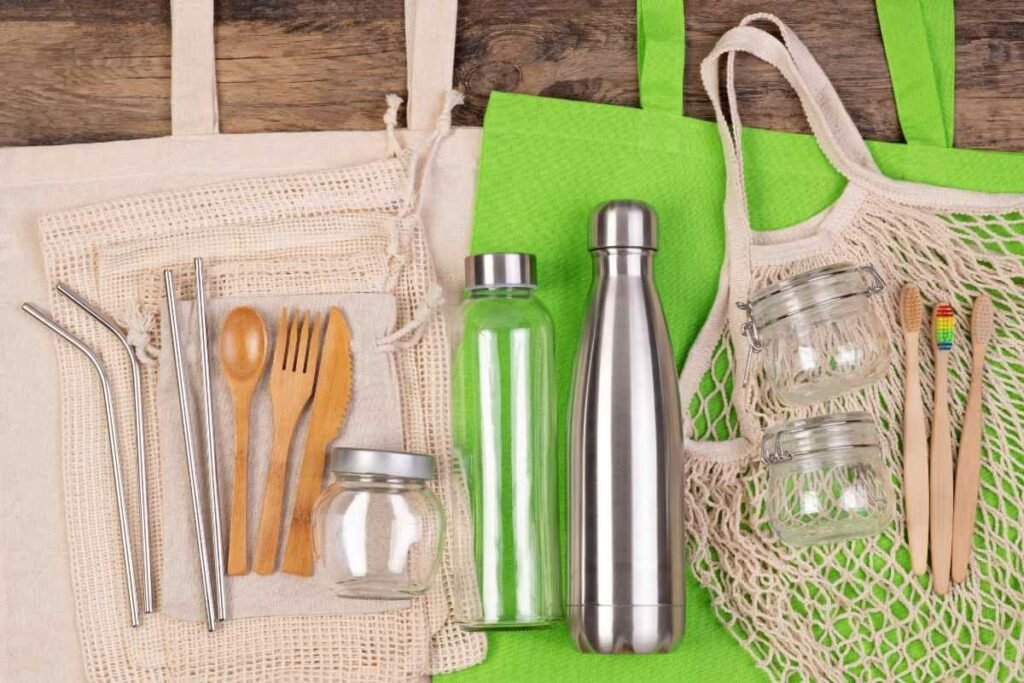
Instead of bottled water, use a refillable bottle. Instead of cling film, use a plate to cover leftovers. Instead of packaged snacks, prepare simple alternatives at home.
The trick is to avoid perfectionism. You do not need to replace everything at once. Start with one or two swaps that fit naturally into your routine.
Consistency matters more than intensity. A single habit repeated daily has more impact than a dozen changes abandoned after a week.
trick 6: cook more, package less
One of the biggest sources of plastic waste is processed and convenience food. Ready-made meals, snacks, and drinks come heavily packaged.
Cooking at home is one of the most effective ways to reduce plastic and save money simultaneously.
Simple meals made from basic ingredients not only cost less but also generate less waste. Even learning a handful of recipes can significantly cut down on packaged purchases.
Cooking does not have to be complicated. Start with meals you already enjoy and simplify them. The goal is not culinary mastery—it is control over what you consume and how it is packaged.
trick 7: rethink “cheap” products
Sometimes the cheapest option is not actually the most economical. Single-use items, low-quality products, and heavily packaged goods may cost less upfront but require frequent replacement.
A slightly more durable item—like a reusable razor, cloth napkins, or a sturdy container—can save money over time.
This does not mean buying expensive “eco” products. It means choosing durability over disposability whenever possible.
Ask a simple question before purchasing: will this last, or will I need to buy it again soon? The answer often reveals the better financial choice.
trick 8: use community resources
Plastic-free living becomes easier and cheaper when shared. Community resources—local markets, refill stations, or even informal sharing networks—can reduce both cost and waste.
Borrowing items instead of buying them, sharing bulk purchases with neighbors, or participating in local groups can stretch a budget significantly.
Even something as simple as exchanging homemade food or sharing surplus produce reduces reliance on packaged goods.
Community-based solutions remind us that not everything needs to be individually owned.
trick 9: avoid “greenwashing” traps
The rise of eco-friendly marketing has created a new challenge: products that appear sustainable but are not necessary.
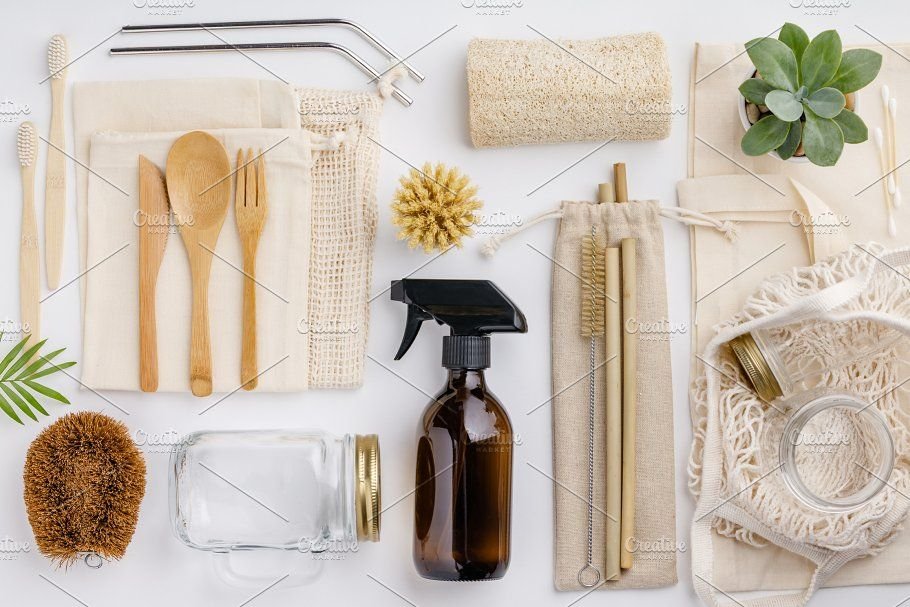
Bamboo utensils, stainless steel straws, and glass containers are useful—but only if you actually need them.
Buying new items to replace perfectly functional ones often increases both spending and waste. The most sustainable product is the one you do not need to buy.
Be cautious of trends that encourage consumption under the label of sustainability. True plastic-free living often involves buying less, not more.
trick 10: repair, reuse, and repurpose
Modern consumer culture encourages replacement. Something breaks, and the immediate response is to buy a new one.
Plastic-free living encourages a different mindset: repair first.
Fixing a torn bag, mending clothes, or reusing containers extends the life of items and reduces the need for new purchases.
Repurposing is equally powerful. A container can serve multiple roles. A box can become storage. A jar can become a drinking glass.
These small acts create a sense of resourcefulness that aligns perfectly with budget-conscious living.
trick 11: track your progress, not perfection
One of the reasons people abandon plastic-free habits is the pressure to do everything perfectly.
Instead of aiming for zero waste overnight, track your progress. Notice how many plastic bags you avoid, how often you bring your own container, or how many meals you cook at home.
Progress creates motivation. Perfection creates frustration.
A simple journal or mental note is enough. The goal is to stay aware and keep improving gradually.
the emotional side of plastic-free budgeting
Beyond savings and sustainability, there is a quieter benefit to these habits: peace of mind.
When you shop intentionally, waste less, and rely less on disposable products, you begin to feel more in control. There is less clutter, fewer impulsive purchases, and a stronger connection to what you own.
This emotional clarity is often overlooked but deeply valuable. It transforms shopping from a reactive activity into a deliberate one.
a short reflection exercise
At the end of your next shopping trip, take five minutes to reflect:
What did you buy without packaging?
What did you avoid buying?
What could you do differently next time?
These questions are simple but powerful. They turn everyday shopping into a learning process.
frequently asked questions
- is plastic-free living expensive to start?
Not necessarily. If you focus on using what you already have and make gradual changes, you can start without spending extra money. The key is to avoid buying new “eco” products unless truly needed.
- how can i avoid plastic when stores mostly use packaging?
Look for loose produce, buy from local vendors, and bring your own bags or containers. Even small reductions—like skipping plastic bags—make a difference over time.
- what are the easiest swaps for beginners?
Reusable shopping bags, refillable water bottles, and cooking more meals at home are among the simplest and most effective starting points.
- can plastic-free living really save money?
Yes. By reducing reliance on packaged goods, avoiding single-use items, and minimizing waste, many people find their overall spending decreases.
- what if i forget to bring reusable items?
It happens. Instead of feeling discouraged, treat it as a reminder to build the habit. Keeping a spare bag in your car or near your door can help.
- how long does it take to see results?
You can notice changes within a few weeks—less waste, fewer unnecessary purchases, and more awareness. Financial savings often become clearer over a few months.
closing thoughts
Plastic-free living is often presented as a lifestyle of sacrifice. In reality, for budget buyers, it can be a path toward simplicity and savings.
These eleven tricks are not about doing everything perfectly. They are about making smarter choices, one step at a time. When combined, they create a system where less waste, lower costs, and more intentional living naturally align.
In the end, the goal is not to eliminate every piece of plastic from your life. It is to reduce dependence on it in a way that feels practical, sustainable, and financially sensible.
And that is something anyone can begin—no matter their budget.