5 Personal Shopping Plastic Free Living Mistakes I Made
There’s a quiet kind of optimism that comes with deciding to live with less plastic. It often starts with a documentary, a blog post, or even a single unsettling image of oceans burdened with waste. For me, it began with a reusable tote bag and a determination that felt almost heroic. I thought I would simply swap a few things, make smarter purchases, and everything would fall into place.
It didn’t.
What followed was a series of missteps, frustrations, small wins, and larger realizations that reshaped not just how I shop, but how I think. Plastic-free living, especially when it comes to shopping, is less about perfection and more about awareness. It’s not a straight road—it’s a winding path filled with lessons that often only reveal themselves through mistakes.
This is not a guide written from a place of expertise. It’s a reflection from someone who stumbled repeatedly and learned slowly. If you’re starting your own journey or already on it, you might find pieces of your experience mirrored here.
mistake one: trying to do everything at once
The first mistake I made was treating plastic-free living like a switch rather than a spectrum. I believed that once I made the decision, I had to eliminate all plastic from my shopping habits immediately. I threw out plastic containers, replaced products prematurely, and tried to overhaul my entire lifestyle in a single week.
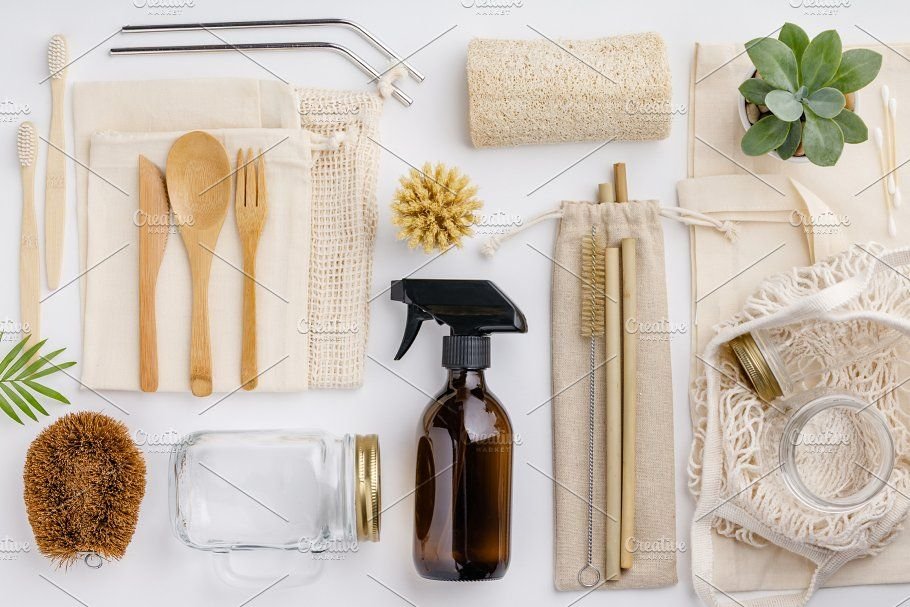
It felt productive at first. I bought glass jars, metal straws, bamboo utensils, and cloth produce bags. My kitchen looked like something out of a minimalist magazine. But beneath the surface, something wasn’t right.
I was overwhelmed.
Shopping became stressful. Every trip to the store turned into a mental checklist of what to avoid, what to replace, and what I had forgotten to bring. If I slipped up and bought something wrapped in plastic, I felt like I had failed.
What I didn’t understand then was that sustainability isn’t built on intensity—it’s built on consistency. By trying to do everything at once, I burned out quickly. I also created unnecessary waste by discarding items I could have used for years.
Looking back, I would tell myself this: start small. Use what you have. Replace items only when they wear out. The goal isn’t to be perfect overnight—it’s to be better over time.
A practical shift that helped later was choosing one category at a time. First groceries, then personal care, then cleaning supplies. This made the process manageable and even enjoyable.
mistake two: focusing on products instead of habits
At the beginning of my journey, I believed that the solution to plastic waste was buying the “right” products. I searched endlessly for alternatives—plastic-free shampoo, zero-waste toothpaste, eco-friendly packaging. I filled my cart with items that promised sustainability.
But something felt off.
I was still consuming at the same rate. I was just replacing one type of product with another. The packaging might have been better, but the pattern of consumption hadn’t changed.
The truth hit me slowly: plastic-free living isn’t about what you buy—it’s about how you live.
For example, instead of buying multiple reusable containers, I could have reduced the amount of food I stored. Instead of purchasing new eco-friendly cleaning products, I could have simplified my cleaning routine.
One of the biggest shifts came when I started asking myself a simple question before every purchase: do I really need this?
Sometimes the answer was no. Sometimes it was yes, but with a different approach—buying in bulk, choosing second-hand, or sharing with others.
Habits outlast products. A reusable bottle is helpful, but remembering to carry it is what truly makes a difference. A cloth bag is useful, but building the habit of keeping it near your door or in your car is what ensures you use it.
Once I focused on habits, shopping became less about finding perfect items and more about making mindful choices.
mistake three: ignoring local realities
Many of the resources I initially followed were based in places with easy access to zero-waste stores, bulk bins, and plastic-free markets. Inspired by these examples, I tried to replicate the same approach in my own environment.
It didn’t work.
Local shops didn’t always allow personal containers. Bulk options were limited. Many essentials were only available in plastic packaging. I felt frustrated and, at times, defeated.
What I didn’t consider was that sustainable living is deeply influenced by local context. What works in one place may not work in another.
Instead of forcing a system that wasn’t designed for my surroundings, I began to adapt. I built relationships with local vendors, asked questions, and looked for small opportunities to reduce waste rather than eliminate it completely.
For instance, buying fresh produce from local markets often meant less packaging. Choosing larger packaging sizes sometimes reduced overall plastic use compared to multiple smaller ones. Supporting nearby businesses reduced the environmental impact of transportation.
I also learned to be flexible. There were times when avoiding plastic entirely wasn’t possible, and that was okay. The goal shifted from perfection to reduction.
This mindset made the journey more realistic and sustainable in the long run.
mistake four: underestimating preparation
One of the most common pieces of advice for plastic-free shopping is to “bring your own.” It sounds simple—bags, containers, utensils. But in practice, it requires planning.
In the early days, I often forgot.
I would arrive at the store without my reusable bags or containers and end up using plastic out of convenience. Each time, I felt a mix of frustration and guilt.
The problem wasn’t the idea—it was the lack of preparation.
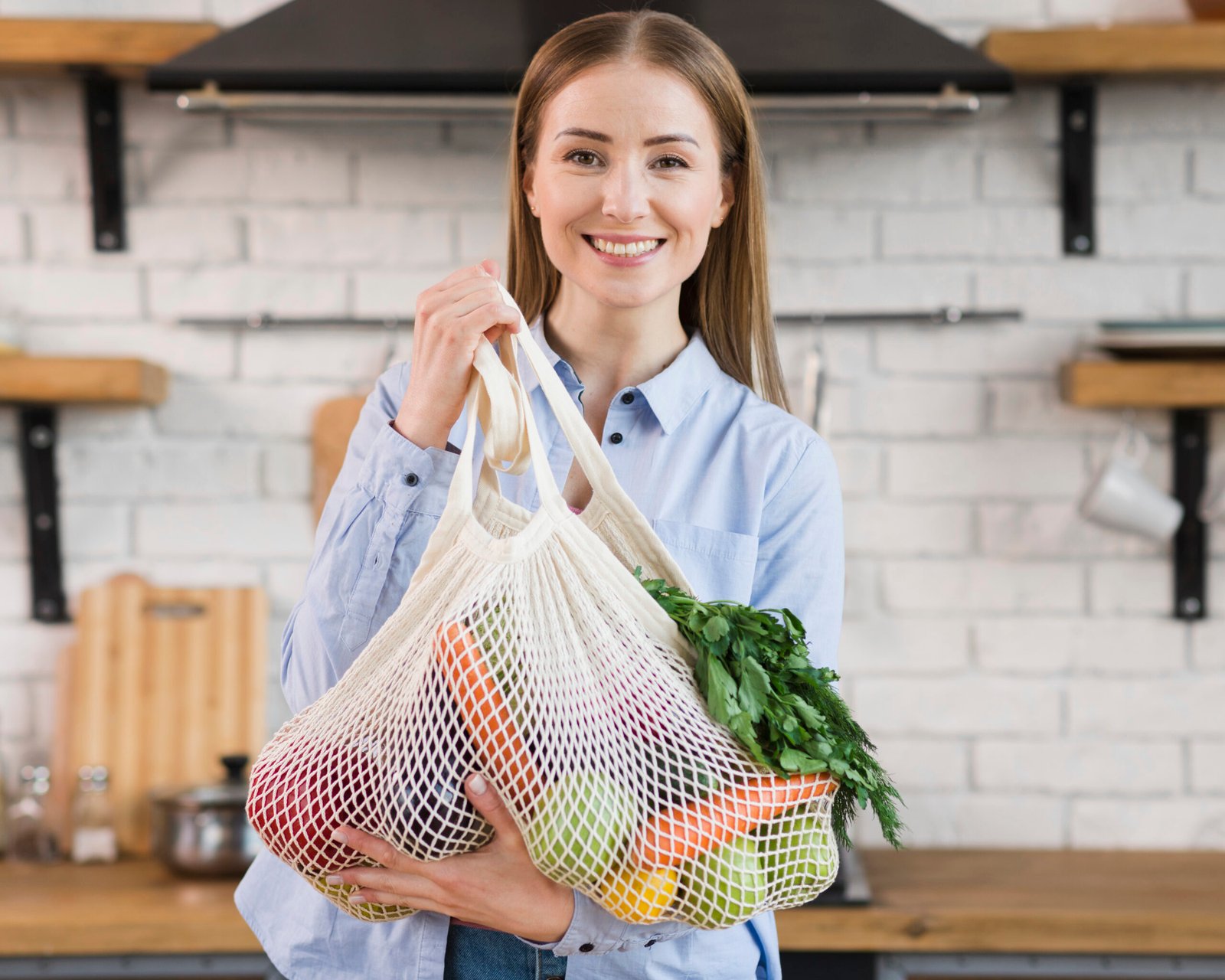
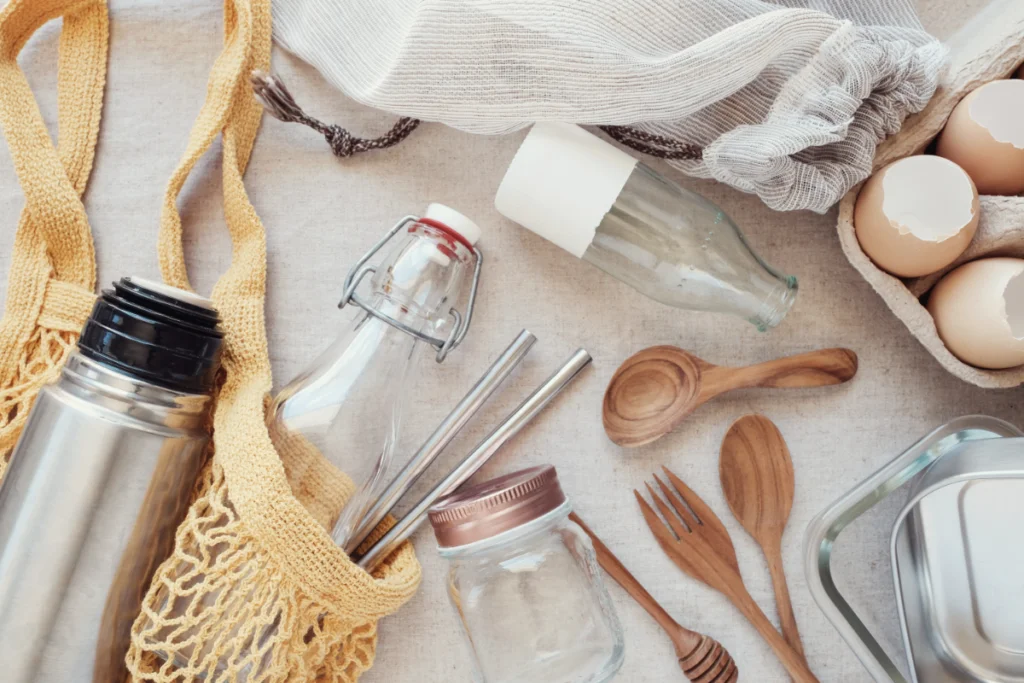
Over time, I developed small systems that made a big difference. I kept a set of reusable bags in my car and another near the door. I created a checklist for grocery shopping that included containers and jars. I even kept a compact kit in my backpack for unplanned purchases.
Preparation turned intention into action.
It also reduced decision fatigue. When everything I needed was already in place, I didn’t have to think as much in the moment. The choice became automatic.
There’s also an emotional aspect to preparation. When you’re prepared, you feel more confident and in control. When you’re not, it’s easy to fall back on convenience.
This lesson extended beyond shopping. It influenced how I planned meals, stored food, and even organized my home.
mistake five: being too hard on myself
Perhaps the most significant mistake I made was treating plastic-free living as a test of discipline rather than a journey of growth.
Every time I used plastic, I saw it as a failure. Every imperfect choice felt like a setback. This mindset made the process exhausting.
What I didn’t realize was that guilt is not a sustainable motivator.
Over time, I began to shift my perspective. Instead of focusing on what I did wrong, I started noticing what I did right. I celebrated small wins—remembering my reusable bag, choosing unpackaged produce, refusing a plastic straw.
This change in mindset made a profound difference.
It allowed me to stay motivated without feeling overwhelmed. It also made the journey more enjoyable. Plastic-free living stopped being a burden and started becoming a natural part of my routine.
I also learned to accept that some level of imperfection is inevitable. We live in a world where plastic is deeply embedded in systems and supply chains. Avoiding it entirely is extremely challenging.
What matters is the effort, not the outcome.
There’s also a broader perspective to consider. Individual actions are important, but systemic change is equally crucial. Supporting policies, raising awareness, and encouraging businesses to adopt sustainable practices all contribute to a larger impact.
reflection: what changed after these mistakes
After making these mistakes, my approach to shopping and plastic-free living became more grounded.
I stopped chasing perfection and started embracing progress. I focused on reducing rather than eliminating. I built habits slowly and adapted them to my environment.
Shopping became less stressful and more intentional. I paid attention to what I needed, how I used it, and where it came from. I became more aware of the lifecycle of products and the impact of my choices.
One unexpected benefit was a deeper sense of connection. I became more engaged with local markets, more appreciative of simple solutions, and more mindful of consumption in general.
There was also a financial aspect. By buying less and choosing more carefully, I often spent less. Plastic-free living, when approached thoughtfully, can align with saving money.
Another change was in how I viewed waste. Instead of seeing it as something to avoid at all costs, I began to see it as a signal—a reminder to adjust, learn, and improve.
practical takeaways woven into daily life
If these reflections were to be translated into everyday actions, they would look something like this:
Start with what you already have. Use items until they reach the end of their life before replacing them.
Choose one area to focus on at a time. This could be groceries, personal care, or household items.
Build habits that support your goals. Keep reusable items accessible and create routines around them.
Adapt your approach to your local context. Look for realistic ways to reduce waste within your environment.
Be kind to yourself. Recognize that every small step contributes to a larger change.
These are not rules, but guiding principles shaped by experience.
a short journal entry from the journey
There was a day when I forgot my bags again. I stood at the checkout, holding items that I knew would end up in plastic. For a moment, I felt that familiar frustration.
But then something shifted.
I realized that this one moment didn’t define my entire journey. I took a breath, accepted the situation, and made a mental note to prepare better next time.
That small shift in thinking felt like progress.
plastic-free living as an evolving practice
Plastic-free living is not a destination. It’s an evolving practice that changes with time, circumstances, and understanding.
What works today might not work tomorrow. New challenges will arise, and new solutions will emerge. The key is to stay curious and adaptable.
Shopping, in particular, is an area where small changes can have a significant impact. It’s where choices are made daily, often without much thought. Bringing awareness to these moments can transform them into opportunities for change.
There’s also a ripple effect. When others see your choices, it can inspire conversations and influence behavior. Change spreads quietly, often in ways we don’t immediately notice.
closing thoughts
If I could go back to the beginning, I wouldn’t aim to avoid every mistake. Each one taught me something valuable. Each one brought me closer to a more balanced and sustainable approach.
Plastic-free living is not about being flawless. It’s about being mindful.
It’s about recognizing the impact of our choices and making adjustments where we can. It’s about progress, not perfection.
And sometimes, it’s about learning the hard way—and being okay with that.
frequently asked questions
- Is it possible to live completely plastic-free while shopping?
In most cases, living completely plastic-free is extremely difficult due to how deeply plastic is integrated into supply chains. However, significant reduction is achievable. The focus should be on minimizing use rather than eliminating it entirely.
- What is the easiest way to start reducing plastic in shopping?
Start with reusable bags and gradually expand to other items like containers and bottles. Focusing on one category at a time makes the transition more manageable.
- Does plastic-free living cost more?
It can initially feel more expensive, especially when buying reusable items. However, over time, it often leads to savings because of reduced consumption and more intentional purchasing habits.
- How do I handle situations where plastic-free options are not available?
Adapt and make the best possible choice. Sometimes this means choosing products with less plastic or larger packaging. The goal is reduction, not perfection.
- What are the most important habits to build?
Remembering reusable items, planning shopping trips, and questioning unnecessary purchases are some of the most impactful habits.
- How do I stay motivated on this journey?
Focus on progress rather than perfection. Celebrate small wins, learn from mistakes, and remind yourself of the reasons you started. Connecting with others who share similar goals can also help maintain motivation.