5 Powerful Beginner Plastic Free Living Lessons I Learned Fast
I didn’t start my plastic-free journey with a perfect plan, a Pinterest board, or a zero-waste kit neatly arranged on my kitchen shelf. I started because I felt uncomfortable every time I threw something away. That small, nagging awareness slowly grew into action—and then into habit.
If you’re just starting out, you don’t need to overhaul your life overnight. In fact, trying to do everything at once is the fastest way to give up. What actually works is learning a few key lessons early—lessons that reshape how you think, not just what you buy.
These are five powerful beginner plastic-free living lessons I learned quickly. They didn’t just reduce my waste—they changed how I see consumption, convenience, and responsibility.
- You Don’t Need to Be Perfect to Make a Real Difference
This was the first—and most freeing—lesson.
When I started, I thought going plastic-free meant eliminating every single piece of plastic from my life. That mindset lasted about three days. Reality hit when I realized how deeply plastic is embedded in everything—from food packaging to electronics to everyday essentials.
At first, I felt like a failure every time I brought home something wrapped in plastic. But then I realized something important: perfection is not the goal—progress is.
A few imperfect changes can still have a massive impact over time. For example:
- Switching from bottled water to a reusable bottle
- Carrying a cloth shopping bag
- Saying no to plastic straws and cutlery
Each of these might seem small, but they add up quickly. And more importantly, they build momentum.
I began tracking my habits instead of my mistakes. That shift—from guilt to awareness—made all the difference.
Try this:
Instead of aiming for zero plastic, aim to replace one habit per week. Write it down. Track it. Celebrate it.
Reflection prompt:
“What is one plastic item I use daily that I can replace easily?”
- Convenience Is Often Just a Habit in Disguise
One of the biggest myths I believed was that plastic equals convenience. But after a few weeks of mindful changes, I realized something surprising: most “convenience” is just repetition.
I used plastic bags because I always had.
I bought packaged snacks because I was used to it.
I accepted plastic utensils because I didn’t think ahead.
Once I disrupted those patterns, things didn’t feel inconvenient—they felt intentional.
For example:
- Bringing a reusable bag became second nature after a few trips
- Keeping a metal spoon in my backpack eliminated the need for disposables
- Preparing snacks at home saved money and reduced waste
At first, it takes effort. But over time, effort turns into routine, and routine turns into ease.
Try this:
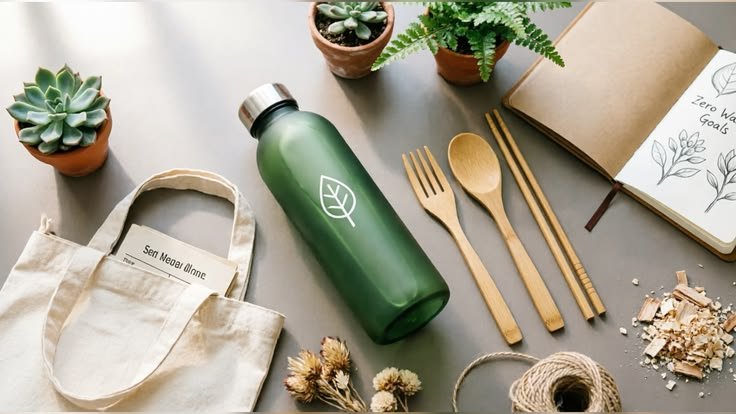
Create a “go kit” that you always carry. Mine included:
- A reusable water bottle
- A cloth bag
- A small container
- A fork/spoon set
Reflection prompt:
“What do I call ‘convenient’ that might just be something I haven’t questioned yet?”
- Refusing Comes Before Reducing
Most people think plastic-free living is about recycling. That’s what I thought too.
But I quickly learned that recycling is the last step—not the first.
The real power lies in refusing.
Refusing means:
- Saying no to free plastic items
- Not accepting unnecessary packaging
- Choosing not to buy products wrapped in layers of plastic
This was uncomfortable at first. It felt awkward to say, “No straw, please,” or “I don’t need a bag.” But those small refusals made me more aware of how much waste I was avoiding.
Here’s what surprised me: people rarely question your choices. In fact, sometimes they get curious—and inspired.
A simple “no” can:
- Prevent waste before it exists
- Send a message to businesses
- Encourage mindful consumption
Try this:
Practice one refusal phrase until it feels natural:
“I’m okay without a bag, thank you.”
Reflection prompt:
“What is one thing I can start refusing today without making my life harder?”
- Your Environment Shapes Your Behavior
I used to rely on willpower. That didn’t work.
What worked was redesigning my environment.
When I placed reusable bags near the door, I stopped forgetting them.
When I kept a water bottle on my desk, I stopped buying drinks.
When I stored food in glass containers, I stopped using plastic wrap.
The easier you make sustainable choices, the more likely you are to stick with them.
Think of your environment as silent guidance. It nudges you toward certain behaviors without requiring constant decision-making.
Even small changes can have a big impact:
- Keep a reusable cup in your car or bag
- Store leftovers in visible containers
- Put your shopping bags where you can’t miss them
Try this:
Choose one area of your home (kitchen, entryway, workspace) and redesign it to support plastic-free habits.
Reflection prompt:
“What can I move, add, or remove in my environment to make better choices easier?”
- It’s Not Just About Plastic—It’s About Mindset
This lesson came quietly, but it changed everything.
Plastic-free living isn’t really about plastic. It’s about how you think.
It’s about asking:
- Do I need this?
- Can I reuse something I already have?
- What happens to this after I throw it away?
These questions started to influence everything—not just waste.
I began buying less.
I appreciated what I already owned.
I became more aware of my impact.
This shift turned plastic-free living from a set of rules into a lifestyle rooted in awareness.
And here’s the interesting part: once your mindset changes, your habits follow naturally.
Try this:
Before buying anything, pause and ask:
“Is there a better alternative?”
Reflection prompt:
“How would my life change if I focused more on intentional choices than convenience?”
A Simple Weekly Starter Plan
If you’re feeling overwhelmed, here’s a gentle way to begin:
Week 1:
Carry a reusable water bottle
Week 2:
Bring your own shopping bags
Week 3:
Refuse plastic straws and cutlery
Week 4:
Switch to reusable food containers
Week 5:
Audit your daily waste and identify one more swap
This slow approach helps you build habits that last.
What I Wish I Knew Earlier
Looking back, I wish I had known that:
- Small changes matter more than big intentions
- You don’t need special products to start
- Mistakes are part of the process
- Progress feels better than perfection
Most importantly, I wish I had started sooner.
Because once you begin, you start seeing the world differently. You notice packaging. You question waste. You make better choices—not because you have to, but because you want to.
FAQs
- Is it expensive to start a plastic-free lifestyle?
Not necessarily. In fact, it can save money over time. Many plastic-free swaps involve reusing what you already have, like glass jars or cloth bags. The key is to avoid buying new “eco” products unless you truly need them.
- What are the easiest swaps for beginners?
Start with simple changes:
- Reusable water bottle
- Cloth shopping bags
- Avoiding straws and disposable cutlery
These require minimal effort but make a noticeable difference.
- What if I forget my reusable items?
It happens to everyone. Don’t let it discourage you. Instead, treat it as a reminder to adjust your system—like keeping extras in your car or bag.
- Do I have to go completely plastic-free?
No. Going completely plastic-free is extremely difficult in today’s world. Focus on reducing your use where you can. Every step counts.
- How do I stay motivated?
Track your progress and remind yourself why you started. Even small wins can keep you motivated. You can also connect with others who are on a similar journey.
- What should I do with the plastic items I already own?
Use them until they wear out. The goal is not to waste what you already have, but to make better choices moving forward.
Plastic-free living isn’t about living without—it’s about living with intention. The lessons come quickly when you start paying attention. And once you do, even the smallest changes begin to feel powerful.