10 Powerful Zero Waste Plastic Free Living Changes That Stick
The idea of living without plastic once felt extreme, inconvenient, and maybe even unrealistic. For many of us, plastic became invisible. It wraps our food, lines our bins, fills our bathrooms, and quietly multiplies in our homes. Yet the shift toward a zero-waste lifestyle isn’t about perfection or guilt. It’s about replacing habits in ways that actually last.
What makes a change stick isn’t motivation. It’s convenience, identity, and small systems that quietly run in the background of daily life. The following ten lifestyle changes aren’t dramatic overnight transformations. They are realistic shifts that gradually become the new normal.
This article goes beyond tips and dives into systems, routines, psychology, cost comparisons, and real-life examples so that the changes don’t fade after two weeks.
change 1 — building a reuse station that replaces impulse consumption
Most plastic waste doesn’t come from big purchases. It comes from small, repeated decisions made while distracted or busy. Grocery bags, takeaway containers, bottled drinks, snack wrappers — they happen when convenience wins.
A reuse station removes friction from doing the right thing.
A reuse station is simply a dedicated spot near your door that holds the items you repeatedly forget. When set up properly, it becomes automatic. Leaving the house without grabbing reusables starts to feel as odd as leaving without your phone.
A simple reuse station checklist
Item | Why it matters | How many to keep
Reusable grocery bags | Replace single-use bags instantly | 4–6
Cloth produce bags | Avoid plastic produce bags | 5–8
Reusable water bottle | Eliminates bottled drinks | 1–2
Coffee cup or thermos | Stops takeaway cup waste | 1
Lunch container | Prevents takeaway packaging | 1–2
Cutlery set | Avoids plastic forks/spoons | 1 set
The psychology behind this change is simple: habits form faster when the environment does the reminding. Instead of trying to remember, the system remembers for you.
Within a few weeks, grabbing your kit becomes automatic. That’s when the change sticks.
change 2 — redesigning the kitchen around refill and bulk buying
The kitchen is the heart of household plastic consumption. Packaging from rice, snacks, sauces, oils, and cleaning products adds up faster than we notice.
Bulk buying flips the default.
Instead of bringing plastic home every week, you bring containers and refill them. This single shift removes hundreds of pieces of packaging annually.
Bulk pantry starter list
Staple | Typical plastic waste saved per year (estimate)
Rice & grains | 40–60 bags
Beans & lentils | 30–50 bags
Nuts & seeds | 20–30 bags
Pasta | 20–30 bags
Spices | 15–25 containers
A refill pantry also changes how you cook. You begin to plan meals around ingredients instead of packages. Food waste drops because you buy exact amounts.
Unexpected benefit: bulk buying often reduces grocery costs by 10–30%.
change 3 — switching to a low-waste food storage system
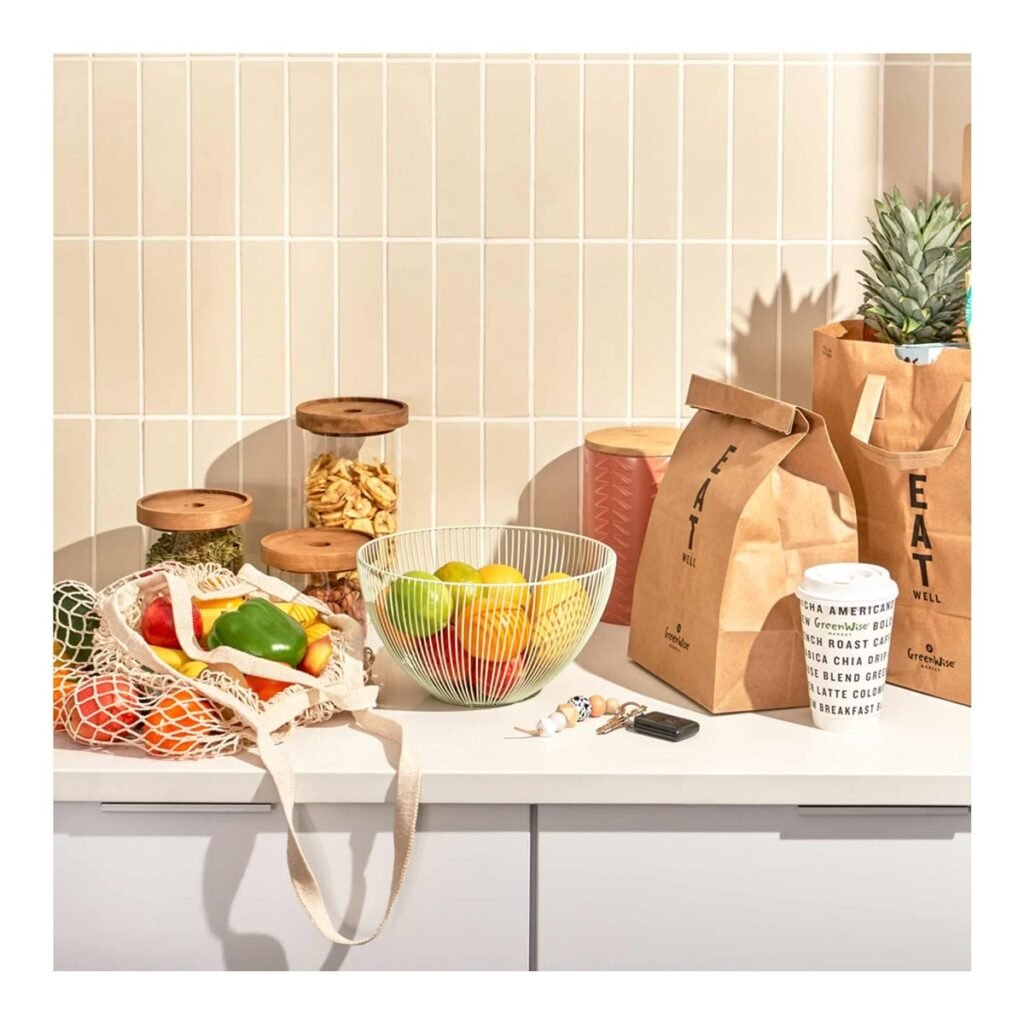
Plastic wrap and zip bags are used for minutes but exist for centuries. The key to replacing them is building a system that works faster than plastic.
A practical plastic-free storage kit
Item | Replaces | Lifespan
Glass containers | Takeaway containers & leftovers | 10+ years
Beeswax wraps | Plastic wrap | 1–2 years
Silicone bags | Ziplock bags | 5+ years
Cloth bowl covers | Plastic wrap for bowls | 3+ years
The goal isn’t to throw away existing plastic overnight. The most sustainable option is using what you already own until it wears out, then replacing it with durable alternatives.
This change sticks because it happens gradually and naturally.
change 4 — transforming the bathroom into a refill zone
Bathrooms quietly produce enormous plastic waste: shampoo bottles, toothpaste tubes, razors, deodorants, and cleaning products.
Switching to refillable or solid products removes hundreds of items per person every year.
Common bathroom swaps
Product | Plastic version lifespan | Plastic-free version lifespan
Shampoo | 1 bottle/month | 1 bar lasts 2–3 months
Liquid soap | 1 bottle/month | Refill or bar lasts 2–3 months
Disposable razors | 12–24/year | Safety razor lasts years
Toothpaste tube | 6–10/year | Tablets or refillable jars
Once you find products that work for you, the routine becomes effortless. You simply refill instead of rebuy.
change 5 — creating a takeout survival kit
Takeout and street food are among the biggest plastic culprits. But eliminating takeout entirely isn’t realistic or necessary.
A takeout kit allows you to keep the convenience without the waste.
Takeout kit essentials
• Reusable food container
• Metal cutlery set
• Cloth napkin
• Collapsible cup or bottle
Many restaurants happily accept customer containers when asked politely. Even using the kit half the time makes a massive difference over a year.
This change sticks because it doesn’t remove joy or convenience.
change 6 — adopting a repair-first mindset
Plastic waste often comes from replacing items that could be repaired. When repair becomes the default, consumption drops dramatically.
Repair mindset checklist
Before replacing something, ask:
• Can this be fixed with glue or tape?
• Can a part be replaced?
• Can it be repurposed?
• Can it be donated or resold?
Repair extends the life of objects and shifts your relationship with possessions. Items become tools, not disposables.
Over time, you buy fewer things and waste less packaging.
change 7 — building a weekly meal planning rhythm
Meal planning reduces plastic packaging, food waste, and impulse shopping.
A simple weekly meal plan structure
Day | Meal type
Monday | Grain bowl or salad
Tuesday | Pasta or noodles
Wednesday | Soup or stew
Thursday | Leftovers night
Friday | Takeout with reusables
Weekend | Flexible cooking
This rhythm reduces last-minute grocery runs — one of the biggest sources of packaged food purchases.
change 8 — mastering the art of saying “no”
The easiest plastic to avoid is the plastic you never accept.
Common plastic freebies to refuse
• Straws
• Plastic cutlery
• Promotional items
• Hotel toiletries
• Free shopping bags
This habit becomes automatic quickly. A simple “No thank you” becomes a powerful waste-reduction tool.
change 9 — creating a sustainable cleaning routine
Cleaning products generate heavy plastic waste. Switching to refillable or DIY cleaners eliminates dozens of bottles annually.
Simple DIY cleaning recipes
All-purpose cleaner
Water + vinegar + citrus peel
Glass cleaner
Water + vinegar + small amount of alcohol
Scrubbing powder
Baking soda + salt
These solutions are cheap, effective, and require minimal packaging.
change 10 — embracing progress over perfection
The biggest mistake in zero-waste living is trying to be perfect. Perfection leads to burnout. Progress creates lasting change.
A realistic progress tracker
Month | Focus area
Month 1 | Reuse station
Month 2 | Pantry refills
Month 3 | Bathroom swaps
Month 4 | Takeout kit
Month 5 | Cleaning routine
Slow change builds lasting habits. Small wins compound into major lifestyle shifts.
how these changes add up over a year
Estimated yearly plastic reduction per household
Category | Items avoided annually
Grocery bags | 300–500
Food packaging | 200–400
Bathroom products | 100–150
Cleaning bottles | 40–60
Takeout packaging | 100–200
Total: potentially 700–1300 plastic items avoided each year.
financial impact of zero waste living
Category | Typical annual savings
Bulk groceries | $200–400
Reusable products | $150–250 after first year
DIY cleaners | $100–200
Reduced impulse shopping | $200–500
Many households discover that zero waste living becomes cheaper after the first year.
the emotional shift behind lasting change
The real transformation isn’t the items you stop buying. It’s how your mindset shifts.
You begin to:
• Notice packaging instantly
• Value durability over convenience
• Plan purchases intentionally
• Feel satisfaction from using things fully
This emotional shift is what makes the lifestyle permanent.
a realistic week in a plastic-reduced home
Monday: refill pantry jars and meal plan
Tuesday: cook bulk meals and store leftovers in glass containers
Wednesday: quick grocery trip with reuse bags
Thursday: leftovers night
Friday: takeout with reusable containers
Weekend: home cooking and refill errands
Nothing extreme. Just consistent.
common obstacles and how to overcome them
Obstacle: forgetting reusables
Solution: keep backups in car or bag.
Obstacle: feeling judged or awkward
Solution: remember most people don’t notice.
Obstacle: limited bulk stores
Solution: buy larger packages and reduce frequency.
Obstacle: family resistance
Solution: start with one small change at a time.
the long-term ripple effect
When habits stick, they influence friends, family, and communities. One person switching to reusables often inspires others to try.
conclusion
Plastic-free living doesn’t happen through willpower alone. It happens through systems, routines, and small environmental design changes that make the sustainable choice the easy choice.
These ten changes stick because they fit into real life. They don’t demand perfection. They encourage progress.
And over time, those small choices quietly reshape your home, your spending, your habits, and your relationship with consumption.
Frequently Asked Questions
- Do I need to throw away all plastic items to start zero waste living?
No. The most sustainable approach is using what you already own until it wears out. Replace items gradually with durable alternatives. - Is zero waste living expensive?
The first few swaps may cost more upfront, but most households save money within a year through reduced disposable purchases and bulk buying. - What if bulk stores aren’t available near me?
You can still reduce waste by buying larger packages, choosing glass or cardboard packaging, and reducing shopping frequency. - How long does it take for these habits to feel natural?
Most habits feel automatic within 4–8 weeks once systems are in place. - Can families with kids live low-waste realistically?
Yes. Start small. Focus on snacks, lunch containers, and reusable bags first. Gradual change works best for families. - What is the most impactful change to start with?
Building a reuse station near your door often creates the biggest immediate reduction in plastic waste because it prevents daily disposable habits.