
Plastic Free Living Mistakes Most Beginners Make in Month One
We get the same email almost every week. Someone found Plastic Free Living, felt fired up over the weekend, swapped out half their kitchen, and by the second Tuesday they were back to buying cling wrap because nothing was working the way they pictured it. That’s not a failure of willpower. It’s what happens when the first month gets treated like a finish line instead of a rebuild.
Month one is where most people quietly drop the whole project, usually for reasons that have nothing to do with how committed they are. Below are the mistakes we see most often, why they trip people up, and what actually helps instead.
1. Replacing Everything Plastic on Day One
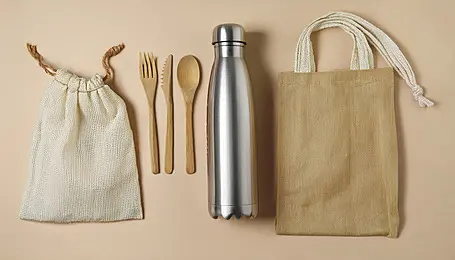
The instinct makes sense. You look around your kitchen, your bathroom, your car, and you want it fixed now. So people order a bamboo toothbrush, silicone bags, stainless steel straws, glass containers, a new set of produce bags, and a compost bin, all in the same week.
Here’s where it usually goes wrong: half of it doesn’t get used because the habit around it was never built first. A silicone food bag is only useful if you’ve actually changed how you shop and store food. Buy it before that shift happens and it sits in a drawer, and now you’ve spent money on plastic-free products that failed, which is a strange kind of discouraging.
A better order of operations is to replace one category at a time and only once the old habit is already gone. Kitchen first, since that’s where plastic gets used the fastest. Bathroom next. Everything else can wait.
2. Ignoring What’s Already in the House
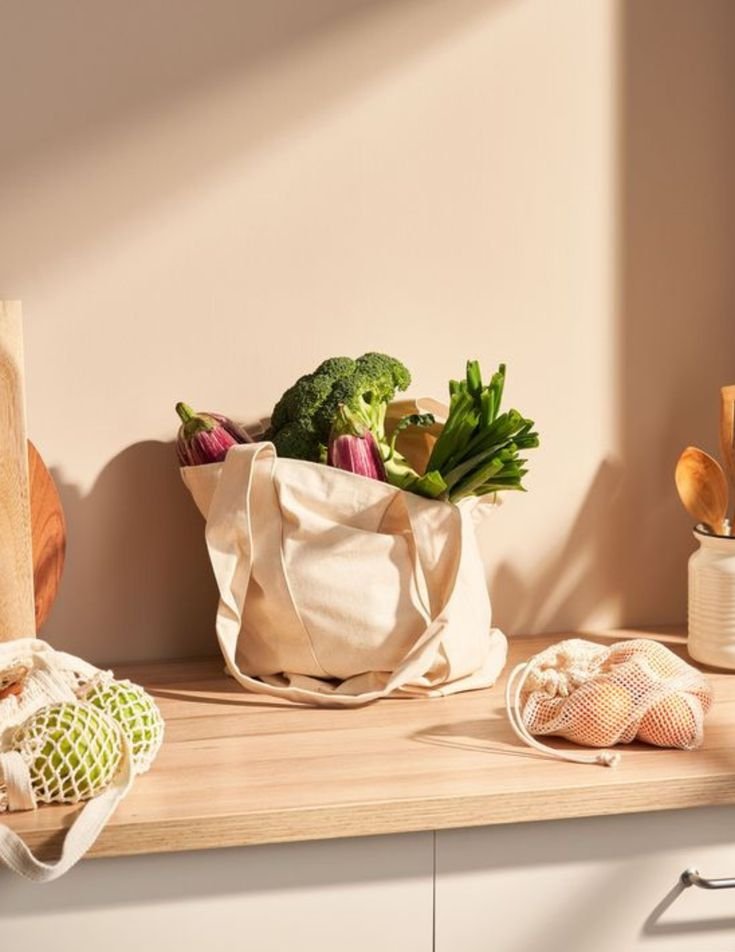
This one surprises people. The plastic containers, bags, and jars already sitting in a kitchen are not the enemy. They’re free storage. And yet a lot of beginners toss perfectly usable plastic tubs the moment they buy glass ones, which means more plastic goes into the world, not less, in the name of going plastic-free. That’s backwards.
The honest approach: use what you already own until it wears out, then replace it. A margarine tub with a lid is still a container. A glass jar from pasta sauce is still a jar. Plastic Free Living exists to help people reduce new plastic coming in, not to shame anyone for what’s already sitting in a cupboard.
3. Underestimating the Bulk Store Learning Curve
Bulk stores and refill shops get recommended constantly, and for good reason, but nobody tells beginners how awkward the first two or three visits actually are. You bring the wrong size jar. You forget to weigh the empty container first. You stand there not knowing if the flour bin is self-serve or staff-served. It’s a small thing, but it’s often the moment people decide bulk shopping “isn’t for them” and quietly go back to the supermarket aisle.
Here’s what tends to go wrong and what fixes it:
| Common Mistake | What Happens | Fix |
|---|---|---|
| Forgetting to weigh empty jars (tare weight) | Overcharged at checkout, feels confusing | Ask staff to tare your containers before filling, every time |
| Bringing containers too small | Product overflows or you buy less than needed | Bring a mix of sizes; oversized is safer than undersized |
| Assuming all bins are self-serve | Awkward moment, sometimes a line forms behind you | Watch what regulars do for thirty seconds before diving in |
| Only trying it once | One bad trip becomes “bulk stores don’t work for me” | Give it three visits minimum before deciding |
Once the system clicks, it’s fast. But it does take a few visits, and that’s normal, not a sign you’re doing it wrong.
4. Trying to Convince Everyone in the House at Once
If you live with a partner, kids, roommates, or parents, there’s a strong pull to get them all on board immediately. It rarely works, and it often causes more friction than the plastic itself is worth. Someone else’s cereal box or their preferred brand of shampoo is not the hill worth dying on in week two.
A quieter approach works better. Change your own habits visibly and consistently. Buy the bulk oats. Bring your own bags. Let the household see it functioning without asking anyone to sign a pledge. People tend to come around once they see it’s not a huge inconvenience, and forcing it early usually just builds resentment that outlasts the plastic.
This is genuinely one of the most common places we see people go wrong, expecting a household-wide shift in month one when even a solo shift takes longer than that.
5. Treating Zero as the Only Acceptable Number
Somewhere along the way, “plastic-free” got tangled up with “zero plastic, ever, in any form,” and that standard breaks people fast. A beginner buys one thing wrapped in plastic because there was no other option that week, and it feels like the whole project failed.
It didn’t. This isn’t about perfection, it’s about direction. A household using sixty percent less plastic than it did six months ago is doing something real, even if a bag of frozen peas still shows up sometimes. The people who stick with this long-term are almost never the ones who never slip. They’re the ones who stopped treating a single slip as proof the whole thing was pointless.
A Note on Pacing
Most of the beginner guides in our Beginner Plastic Free Living section cover the first swaps in detail, but pacing matters more than the swaps themselves. Give each change two to three weeks before adding the next one. It feels slow in the moment. It’s the difference between a habit and a phase.
And if the kitchen changes stick, the rest of the house tends to follow on its own timeline. That’s covered more in our Plastic Free Home section if you want the room-by-room version.
Quick Reference: Month One at a Glance
- Week 1 to 2: kitchen only, use up what you already own, no bulk buying yet
- Week 2 to 3: first bulk store trip, bring extra containers, expect it to feel clumsy
- Week 3 to 4: bathroom swaps, one at a time, as products run out
- Ongoing: track direction, not perfection
FAQs
Do I need to throw out my plastic containers to go plastic-free? No. Using existing plastic until it wears out is more sustainable than replacing it early. The goal is to stop new plastic coming in, not to remove every trace of plastic from a home overnight.
How long does it actually take before this feels normal? Most people report the daily habits feeling automatic somewhere around the two to three month mark, not week one. Month one is almost always the clumsiest stretch.
What if my family isn’t interested in changing anything? Start with your own habits and keep them visible without making it a debate. Pressure early on tends to backfire more than it helps, and it’s covered in more detail in our Family Plastic Free Living section.
Are bulk stores actually cheaper, or just better for plastic? It varies by product and region. Staples like oats, rice, and pasta are often cheaper in bulk. Specialty items sometimes cost more. It’s worth comparing per-kilogram prices rather than assuming either way.
Is it worth buying a full zero-waste starter kit? Usually not right away. Buy pieces as old items wear out and as you can see they’ll genuinely be used, rather than all at once. Our Zero Plastic Waste section has more on which swaps tend to earn their keep.
Most of what trips people up in month one isn’t really about plastic. It’s about pace. Slow it down, keep what already works, and the rest tends to sort itself out from there.