7 Ultimate Shopping Plastic Free Living Habits That Stick
The idea of living without plastic often feels like standing at the edge of a massive lifestyle shift. It can seem overwhelming, inconvenient, even unrealistic in a world where plastic is stitched into nearly everything we buy. Yet, beneath that perception lies a quieter truth: sustainable change rarely happens through dramatic overhauls. It happens through habits—small, repeated actions that gradually reshape how we live, shop, and think.
Plastic-free living is not about perfection. It’s about consistency. The goal isn’t to eliminate every trace of plastic overnight, but to build habits that stick—habits that align with both your values and your daily routine. When these habits become second nature, the effort fades, and what once felt like a challenge becomes simply “the way you do things.”
This article explores seven powerful shopping habits that support plastic-free living—not as a rigid set of rules, but as a flexible framework you can adapt to your life. Along the way, you’ll find reflections, practical examples, and subtle mindset shifts that transform shopping from a passive act into a conscious one.
habit one: carry your system, not just a bag
Most people start plastic-free shopping by carrying a reusable tote. That’s a great first step, but it’s only part of the story. The real shift happens when you build a complete “carry system.”
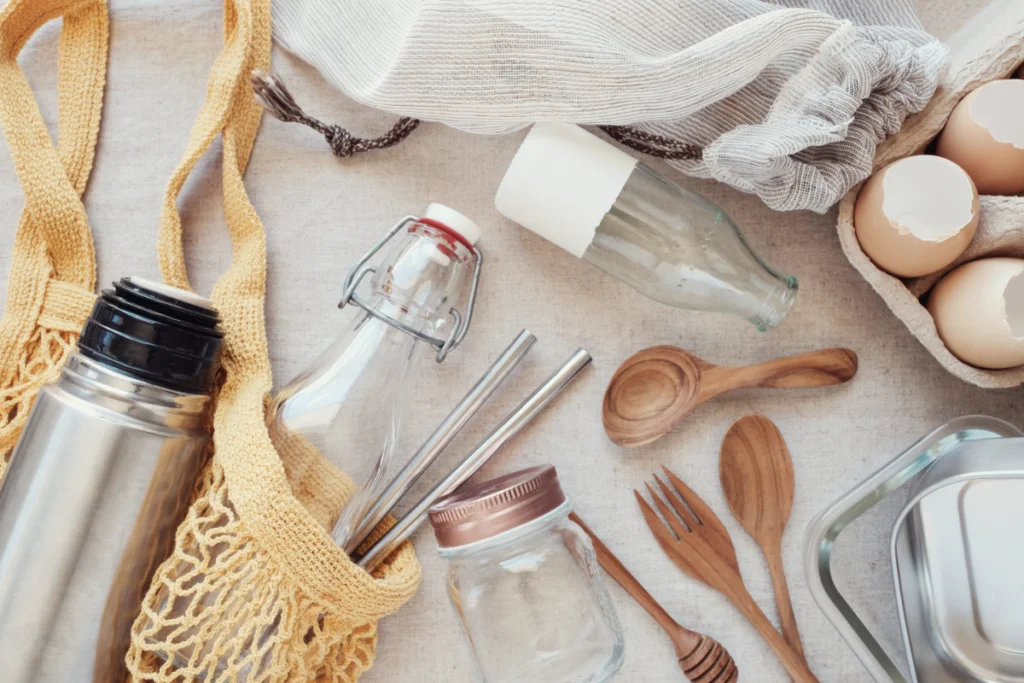
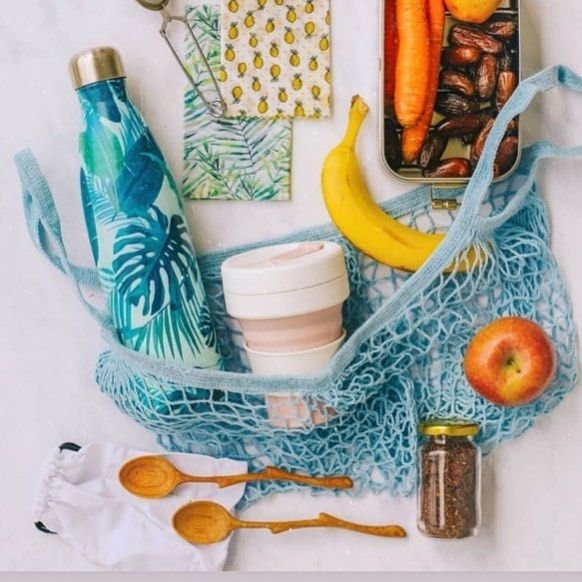
Imagine heading out for groceries and having exactly what you need for every type of purchase: cloth bags for produce, glass jars for bulk items, a sturdy container for takeaway food, maybe even a small pouch for loose items like spices or nuts. Instead of reacting to packaging, you’re prepared for it.
This habit sticks because it reduces friction. When you already have the tools, you don’t need to think twice about refusing plastic. Over time, it becomes automatic—like carrying your phone or wallet.
A simple way to build this habit is to create a “grab-and-go kit.” Keep it near your door or in your car. Restock it after each shopping trip. Eventually, you’ll stop noticing it’s even there—but you’ll feel its absence immediately if you forget it.
There’s something quietly empowering about this habit. It shifts you from being a consumer who adapts to the system into someone who shapes their own experience.
habit two: shop slower, choose better
Modern shopping is designed for speed. Bright lights, endless options, quick decisions. Plastic thrives in this environment because convenience often wins over consideration.
Slowing down is a radical act.
When you pause to examine what you’re buying, you begin to notice patterns. Why is this item wrapped in three layers of plastic? Is there an alternative? Do you even need it?
This habit isn’t about spending hours in the store. It’s about being present. Reading labels. Comparing options. Asking questions.
For example, instead of grabbing pre-packaged vegetables, you might look for loose produce. Instead of bottled sauces, you might consider making your own or choosing brands with glass packaging.
At first, this takes effort. But as you become familiar with your options, decisions get easier. You start to develop a mental map of where to find plastic-free alternatives.
The real benefit goes beyond reducing waste. Slower shopping often leads to better quality purchases, less food waste, and even financial savings. You buy what you truly need, not what catches your eye in a rushed moment.
habit three: build relationships with local vendors
Plastic-free living becomes significantly easier when you step outside large, impersonal retail systems and engage with local vendors.
Think about a neighborhood fruit seller, a butcher, a baker, or a small grocery shop. These places often have more flexibility in how they package items. When you bring your own containers and ask politely, many are willing to accommodate.
But this habit is about more than avoiding plastic. It’s about connection.
When vendors recognize you, they begin to understand your preferences. You might hear things like, “I saved these for you,” or “Next time, I can pack this differently.” Over time, your choices influence how they serve other customers as well.
There’s a quiet ripple effect here. One person asking for less plastic can spark broader change.
This habit also brings a sense of community back into shopping. Instead of anonymous transactions, you experience conversations, familiarity, even trust. And that emotional connection makes the habit much easier to maintain.
habit four: plan before you shop, not during
Impulse buying is one of the biggest drivers of plastic waste. When you’re unprepared, you’re more likely to grab whatever is available—usually wrapped in plastic.
Planning changes everything.
Start with a simple list. Not just what you need, but how you’ll buy it. For example:
– vegetables (loose, bring produce bags)
– rice (bulk store, bring jar)
– yogurt (glass container option or make at home)
This level of detail might seem excessive at first, but it quickly becomes intuitive. You begin to anticipate your needs and align them with your plastic-free goals.
Another powerful aspect of planning is meal preparation. When you know what you’ll cook during the week, you can avoid unnecessary purchases and reduce reliance on packaged foods.
Planning also reduces stress. Instead of wandering through aisles making decisions on the spot, you move with intention. Shopping becomes quicker, simpler, and more satisfying.
Over time, this habit reshapes your entire approach to consumption. You stop reacting to what’s available and start creating a system that works for you.
habit five: embrace imperfect progress
One of the biggest reasons people abandon plastic-free living is the pressure to be perfect. The moment you realize something comes in unavoidable plastic, it can feel like failure.
But perfection is not the goal—consistency is.
There will always be situations where plastic is difficult to avoid. Medical supplies, certain foods, or unexpected purchases. Instead of seeing these moments as setbacks, view them as part of the process.
This habit is about mindset. It’s about celebrating what you’ve reduced rather than focusing on what remains.
For instance, if you’ve eliminated plastic bags, switched to refillable products, and reduced packaged food, you’ve already made a significant impact. That matters.
Interestingly, this mindset makes long-term change more sustainable. When you remove the pressure of perfection, you’re more likely to keep going.
Plastic-free living is not a destination. It’s a direction. And every step in that direction counts.
habit six: choose reusables that fit your life
Not all reusable products are created equal. Some look great in theory but don’t fit into your routine. When that happens, they end up unused—and the habit fades.
The key is to choose reusables that align with your lifestyle.
If you’re always on the go, a compact, foldable bag might be more practical than a large tote. If you buy takeaway food often, a durable container with a secure lid becomes essential. If you drink coffee daily, a reusable cup that fits your car holder can make all the difference.
This habit is about personalization. Instead of adopting trends, you build a system that works for you.
It’s also helpful to start small. Pick one or two items and use them consistently. Once they become part of your routine, add more.
There’s a subtle psychological effect here. When something is easy to use, you’re more likely to use it. And when you use it often, it becomes a habit.
Over time, these small choices add up to a significant reduction in single-use plastic.
habit seven: reflect, adjust, repeat
Habits don’t form in a straight line. They evolve.
What works today might not work next month. Your schedule changes, your needs shift, new options become available. The key to long-term success is regular reflection.
Take a moment every few weeks to ask yourself:
– What’s working well?
– Where am I struggling?
– What can I simplify?
Maybe you realize that carrying glass jars is too heavy, so you switch to lighter containers. Maybe you find a new store that offers better bulk options. Maybe you decide to focus on one area—like groceries—before tackling others.
This habit keeps your approach flexible. Instead of forcing yourself into a rigid system, you adapt.
Reflection also reinforces your progress. It reminds you how far you’ve come, which can be incredibly motivating.
Plastic-free living isn’t about reaching a fixed point. It’s about continuous improvement. And that’s what makes these habits stick.
a day in a plastic-free shopping routine
To bring these habits together, imagine a typical shopping day.
You pick up your carry kit before leaving the house. Your list is ready, based on meals you’ve planned. At the store, you move calmly, choosing loose produce and placing it in your cloth bags. You visit a local vendor who recognizes you and packs your items in your containers.
There’s no rush, no second-guessing. You’re not trying to be perfect—you’re simply following a system that works.
When you return home, unpacking feels different. There’s less waste, less clutter. You feel a quiet satisfaction, not because you’ve achieved something extraordinary, but because you’ve stayed consistent.
That’s the power of habits.
why these habits last
Many sustainability efforts fail because they rely on motivation alone. Motivation fluctuates. Habits, on the other hand, endure.
Each of the habits discussed here shares a common thread: they reduce friction. They make plastic-free choices easier, not harder.
– carrying a system eliminates the need for last-minute decisions
– slowing down improves awareness
– building relationships creates support
– planning removes uncertainty
– embracing imperfection reduces pressure
– choosing practical reusables increases consistency
– reflecting allows adaptation
Together, they form a foundation that supports long-term change.
Plastic-free living stops being a challenge and becomes a natural extension of your routine.
frequently asked questions
- is it possible to live completely plastic-free?
In today’s world, it’s extremely difficult to eliminate plastic entirely. The goal is not complete avoidance but significant reduction. Focus on what’s within your control and build habits that minimize your reliance on plastic over time.
- what should i do if plastic-free options are not available in my area?
Start with what you can access. Even small changes—like carrying reusable bags or avoiding single-use items—make a difference. You can also explore online options, support local initiatives, or gradually introduce changes within your community.
- are plastic-free products more expensive?
Some alternatives may have a higher upfront cost, but they often save money in the long run. Reusables replace single-use items, and mindful shopping reduces unnecessary purchases.
- how do i stay motivated to continue plastic-free living?
Shift your focus from motivation to routine. Build habits that require less effort over time. Reflect on your progress and remind yourself why you started.
- can i still eat convenience foods while reducing plastic?
Yes, but it may require adjustments. Look for options with minimal packaging, buy in bulk, or prepare simple meals at home. Over time, you’ll find a balance that works for you.
- what is the first step i should take?
Start small. Carry a reusable bag and refuse plastic when possible. Once that becomes natural, add another habit. Progress builds step by step.
closing thoughts
Plastic-free living isn’t about dramatic gestures or overnight transformation. It’s about quiet, consistent habits that reshape your daily life.
Each choice you make sends a signal—to yourself, to businesses, to the world around you. Over time, those signals add up.
The beauty of these habits is that they don’t just reduce waste. They create a more intentional way of living. You become more aware of what you buy, how you use it, and why it matters.
And in that awareness, something shifts.
Shopping is no longer just a task. It becomes an opportunity—to align your actions with your values, to simplify your life, and to contribute, in your own way, to a more sustainable future.
That’s what makes these habits stick.