12 Easy Shopping Plastic Free Living Swaps You’ll Love
It usually begins with something small. A grocery trip where you suddenly notice how much plastic quietly slips into your cart. A single-use bag here, a cling-wrapped vegetable there, a bottle that will outlive you by centuries. At first, it can feel overwhelming. But plastic-free living doesn’t demand perfection—it rewards intention. And more importantly, it thrives on simple swaps.
This isn’t about throwing away everything you own and starting over. It’s about replacing things gradually, thoughtfully, and sometimes even creatively. The beauty of these swaps is that they don’t just reduce waste—they often save money, improve quality of life, and reconnect you with a slower, more mindful way of living.
Let’s walk through twelve easy shopping swaps that don’t feel like a sacrifice but rather like an upgrade.
- Cloth bags instead of plastic bags
You’ve probably heard this one before, but it’s worth revisiting because it’s often underestimated. A sturdy cloth bag changes the entire shopping experience. It feels intentional. It holds more weight. It doesn’t tear halfway through your walk home.
There’s also a subtle psychological shift that happens. When you carry your own bags, you begin to shop differently—more thoughtfully, less impulsively. Keep a few folded ones in your car, backpack, or even near your front door. The goal isn’t to remember perfectly every time; it’s to make forgetting harder.
- Loose produce instead of pre-packaged fruits and vegetables
Take a moment next time you’re at a market. Notice how many vegetables are wrapped in plastic for no real reason. Cucumbers, apples, bananas—all naturally packaged by nature.
Choosing loose produce not only reduces plastic but also gives you control over quantity. You buy what you need, not what’s pre-decided for you. This reduces food waste as well.
A small trick: carry reusable mesh bags or simply place items directly into your cart and bag them later. There’s no rule saying produce must be bagged twice.
- Refillable water bottles instead of bottled water
This swap is less about shopping and more about breaking a habit that feeds into unnecessary purchases. Bottled water is one of the easiest things to replace, yet one of the most persistent.
A good refillable bottle becomes part of your daily routine. It travels with you. It reminds you to stay hydrated. Over time, it quietly eliminates hundreds of plastic bottles from your life.
If you’re concerned about water quality, investing in a home filter can make this transition smoother and more reassuring.
- Glass jars instead of plastic storage containers
The next time you finish a jar of sauce or pickles, don’t throw it away. Clean it. Keep it. Use it.
Glass jars are incredibly versatile. They store leftovers, hold dry goods, and even work as portable containers for meals. Unlike plastic, they don’t absorb odors or stain easily.
There’s something satisfying about opening your pantry and seeing rows of neatly arranged jars. It feels organized, grounded, and just a bit nostalgic.
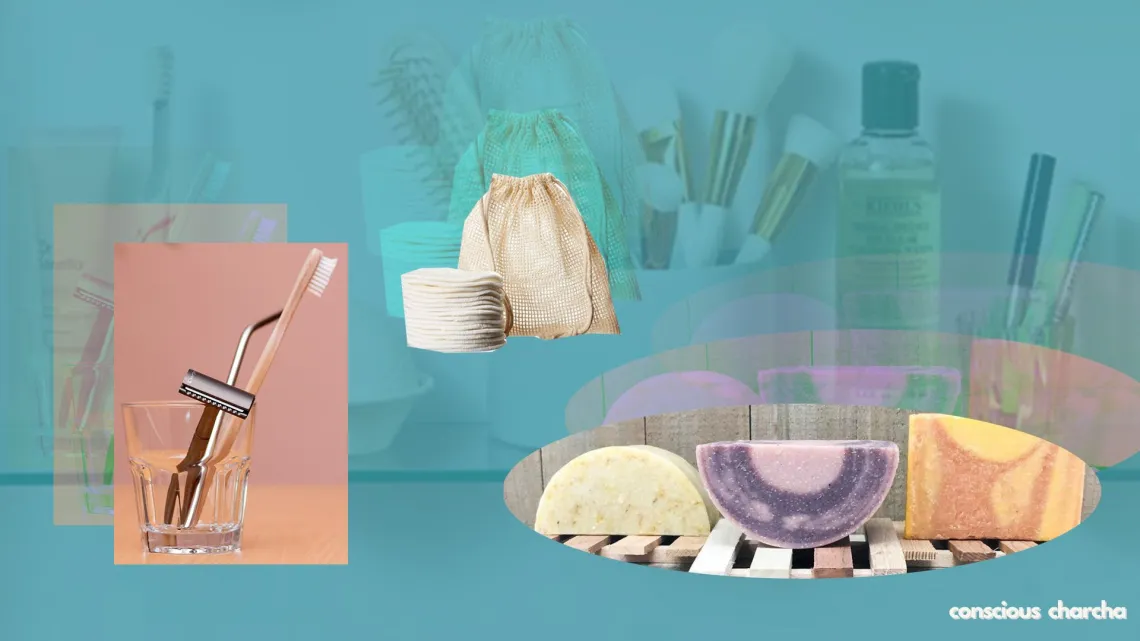
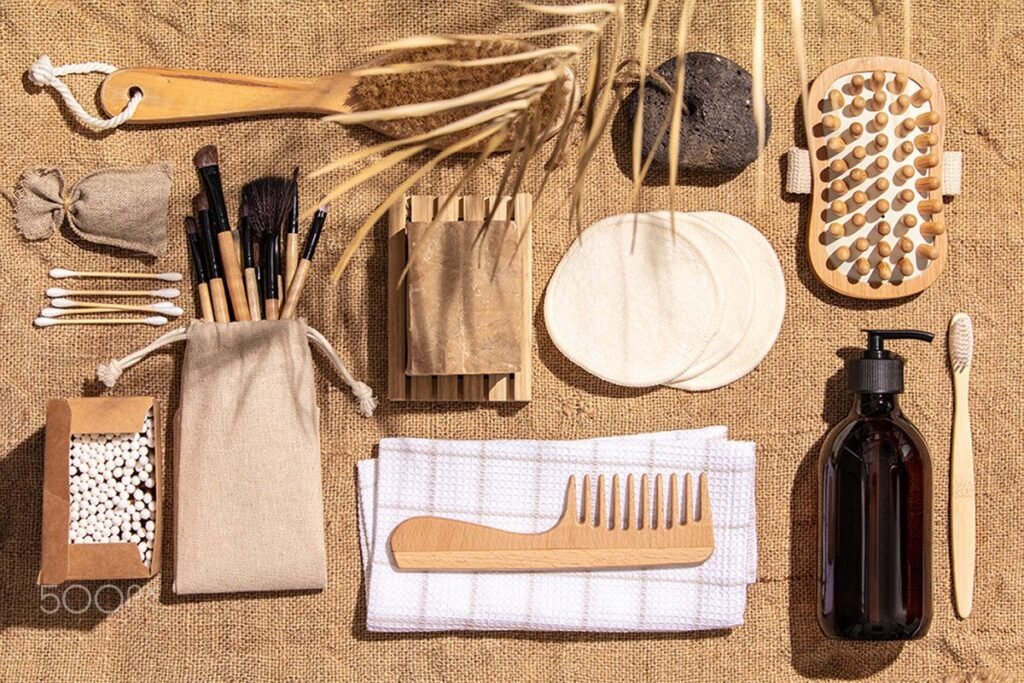
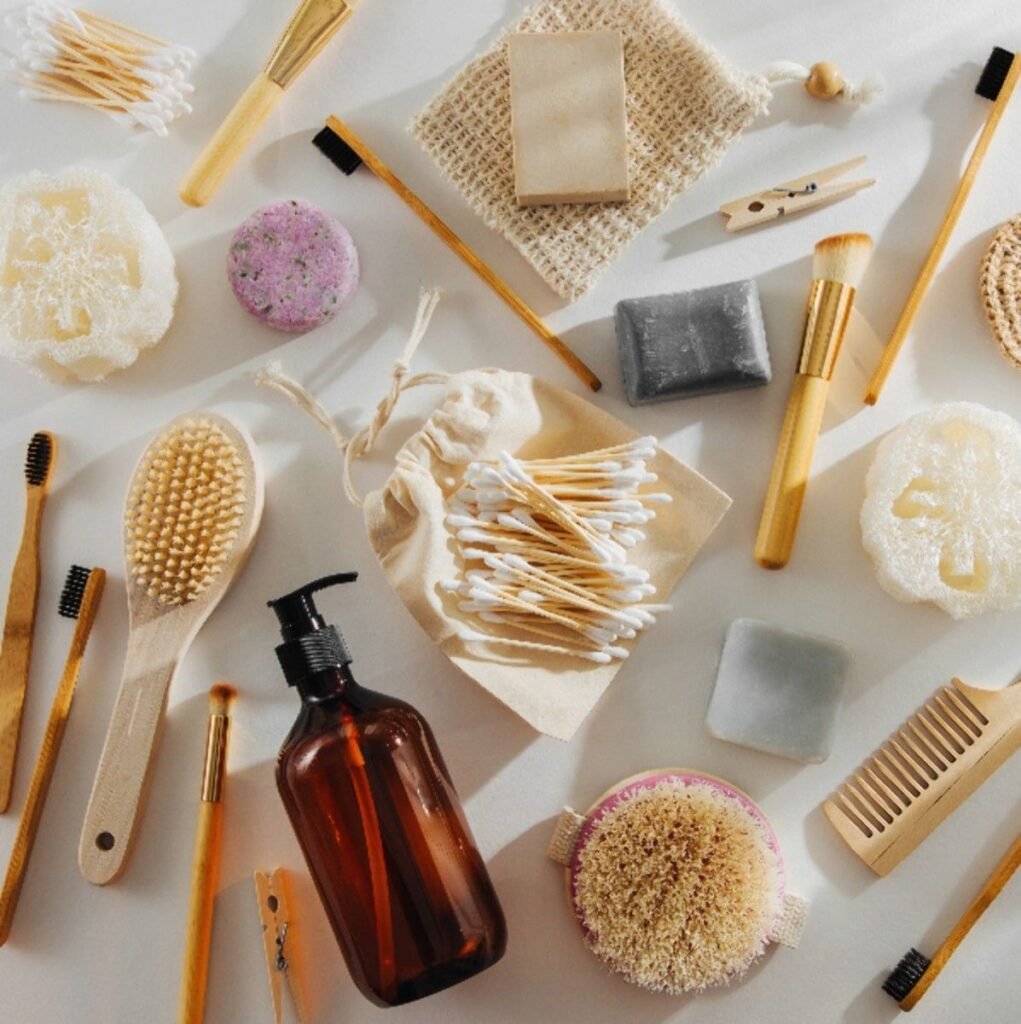
- Bar soap instead of liquid soap
Liquid soap often comes in plastic bottles that are discarded frequently. Bar soap, on the other hand, usually comes with minimal or recyclable packaging.
Beyond the environmental benefit, bar soaps often last longer and come in a wider range of natural options. Many people find them gentler on the skin as well.
This swap also extends to shampoo bars and conditioner bars. It might take a few tries to find one that suits your hair type, but once you do, it’s hard to go back.
- Bulk buying instead of individually packaged goods
Buying in bulk shifts your relationship with consumption. Instead of grabbing small, convenient packages, you plan ahead. You bring your own containers. You think in terms of weeks rather than moments.
Items like rice, lentils, nuts, and spices are often available in bulk sections. Not only does this reduce packaging waste, but it can also be more cost-effective.
Start small. Pick one or two staples you use regularly and try buying them in bulk. Build the habit gradually.
- Wooden or bamboo toothbrush instead of plastic toothbrush
A toothbrush is something you replace regularly, which means plastic ones accumulate quickly over time.
Bamboo toothbrushes serve the same purpose but with a significantly lower environmental impact. The handle is biodegradable, and while the bristles are often still made of nylon, the overall waste is reduced.
It’s a small change, but one that adds up over years.
- Reusable coffee cups instead of disposable cups
If you’re someone who enjoys takeaway coffee, this swap is a game-changer. Disposable cups often look like paper but are lined with plastic, making them difficult to recycle.
Carrying a reusable cup might feel inconvenient at first, but it quickly becomes second nature. Some cafes even offer discounts for bringing your own.
More than that, it transforms coffee from a rushed transaction into a more intentional ritual.
- Fabric wraps instead of plastic cling film
Cling film is one of those items that disappears quickly but lingers in landfills for decades.
Reusable fabric wraps, often coated with natural wax, can be used to cover bowls, wrap sandwiches, or store leftovers. They’re washable, flexible, and surprisingly durable.
There’s also something charming about them. They bring a touch of color and personality into your kitchen.
- Metal razors instead of disposable razors
Disposable razors are convenient but wasteful. A metal safety razor might seem old-fashioned, but it offers a closer shave and lasts for years.
The only part you replace is the blade, which is recyclable in many places. Over time, this reduces both waste and cost.
It may take a few uses to get comfortable with the technique, but many people find it a more satisfying experience overall.
- Natural cleaning products or DIY cleaners instead of plastic-packaged cleaners
Cleaning products often come in bulky plastic bottles filled with chemicals you can’t pronounce.
Switching to natural alternatives—or making your own—simplifies things. Ingredients like vinegar, baking soda, and lemon can handle a surprising range of cleaning tasks.
You can store them in reusable spray bottles and refill as needed. It’s cheaper, less wasteful, and gives you full control over what you bring into your home.
- Second-hand shopping instead of buying new
Perhaps the most impactful swap isn’t about replacing plastic but about reducing consumption altogether.
Shopping second-hand extends the life of items that already exist. Clothes, furniture, books—there’s a whole world of pre-loved goods waiting to be rediscovered.
It also changes how you view value. Instead of chasing trends, you start appreciating uniqueness, durability, and story.
A jacket isn’t just a jacket—it’s something that’s already lived a life before you found it.
Bringing it all together
What makes these swaps powerful isn’t just their individual impact—it’s the way they compound over time. One reusable bag leads to another habit. One small change builds momentum for the next.
You don’t have to adopt all twelve at once. In fact, it’s better if you don’t. Choose one. Try it. Let it settle into your routine. Then move on to the next.
Plastic-free living isn’t about strict rules or guilt. It’s about awareness. It’s about asking simple questions: Do I need this? Is there a better option? Can I reuse what I already have?
And sometimes, it’s about accepting imperfection. You’ll forget your bag. You’ll buy something wrapped in plastic. That’s okay. Progress isn’t erased by a single misstep.
What matters is direction.
FAQs
- Is plastic-free living expensive to start?
It can seem that way initially, especially when investing in reusable items. However, many swaps save money in the long run. Reusing jars, buying in bulk, and avoiding single-use products often reduce overall spending.
- What if I don’t have access to bulk stores?
That’s completely fine. Focus on what’s available to you. Even choosing loose produce or reusing containers makes a difference. Plastic-free living isn’t all-or-nothing.
- Are biodegradable products always better?
Not necessarily. Some biodegradable items require specific conditions to break down. Reusable products are generally more reliable for reducing waste over time.
- How do I remember to carry reusable items?
Create small habits. Keep bags in your car, place your bottle near your keys, or set reminders. Over time, it becomes automatic.
- Can I still live plastic-free in a busy lifestyle?
Yes, but it requires a bit of planning. Preparing ahead—like carrying a cup or shopping with a list—helps integrate these swaps into even the busiest routines.
- What’s the easiest swap to start with?
Reusable shopping bags or a refillable water bottle are often the simplest starting points. They’re easy to adopt and have an immediate impact.
In the end, plastic-free living isn’t about eliminating every trace of plastic overnight. It’s about shifting your mindset, one choice at a time. And somewhere along the way, those choices stop feeling like effort—and start feeling like a better way to live.