7 Ultimate Home Plastic Free Living Habits for Daily Life
There is something quietly powerful about choosing to live with less plastic. It doesn’t arrive with loud announcements or dramatic changes overnight. Instead, it grows through small, deliberate decisions—what you bring into your home, what you refuse, what you reuse, and what you finally let go of. Plastic-free living is often misunderstood as an all-or-nothing lifestyle, reserved for those who have the time, money, or access to specialty stores. But in reality, it begins in the most ordinary corners of daily life.
This article is not just a list of tips. It is a layered exploration of habits—habits that reshape how you interact with your home, your routines, and your sense of responsibility. Each of these seven habits is practical, adaptable, and grounded in real-life constraints. You don’t need perfection. You need awareness and consistency.
habit 1: rethinking the kitchen as a plastic-free zone
The kitchen is often the starting point because it is where plastic quietly accumulates the most. From food packaging to storage containers, it becomes normal to rely on disposable convenience. But once you begin noticing it, the shift becomes inevitable.
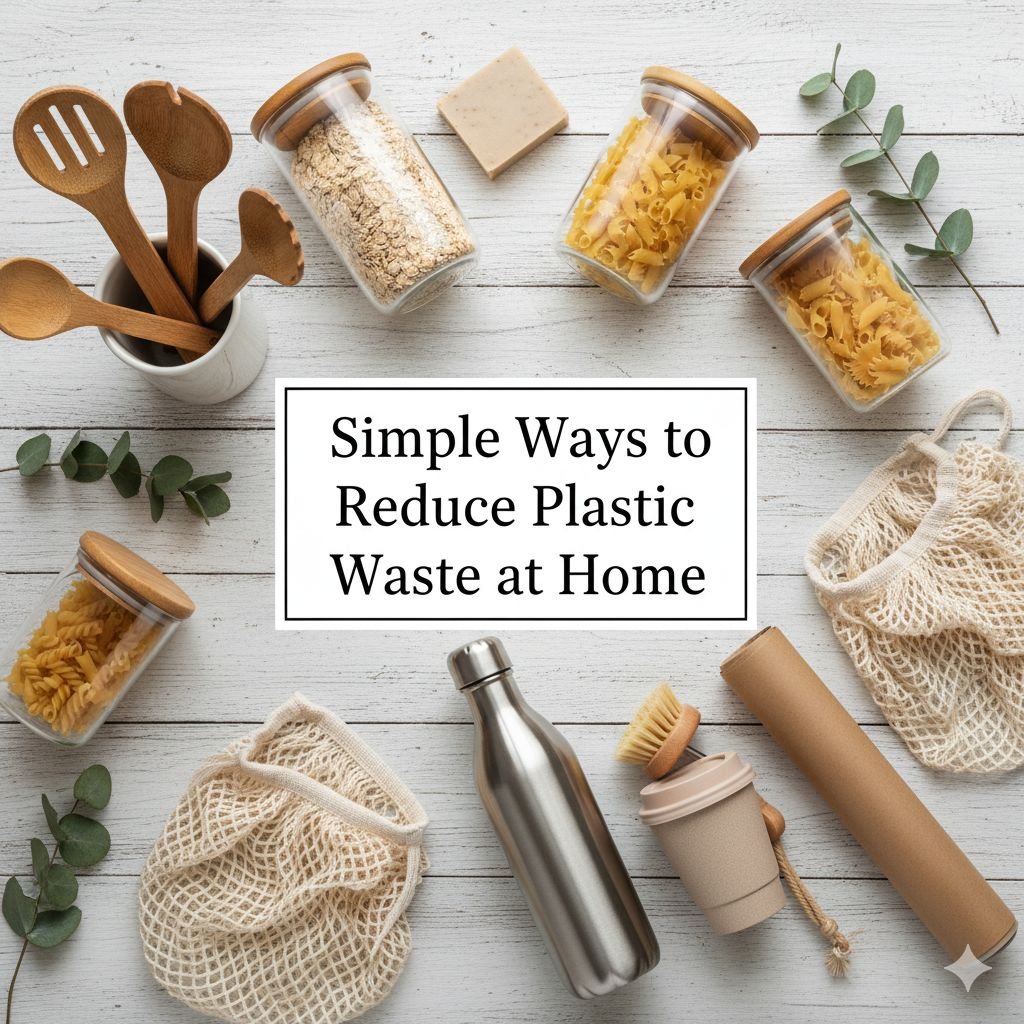
Start with what you already have. There is no need to throw away plastic containers immediately—that would defeat the purpose. Instead, transition gradually. Glass jars from sauces, pickles, or jams can become your new storage system. They are durable, non-toxic, and surprisingly versatile. Over time, they replace plastic containers without additional cost.
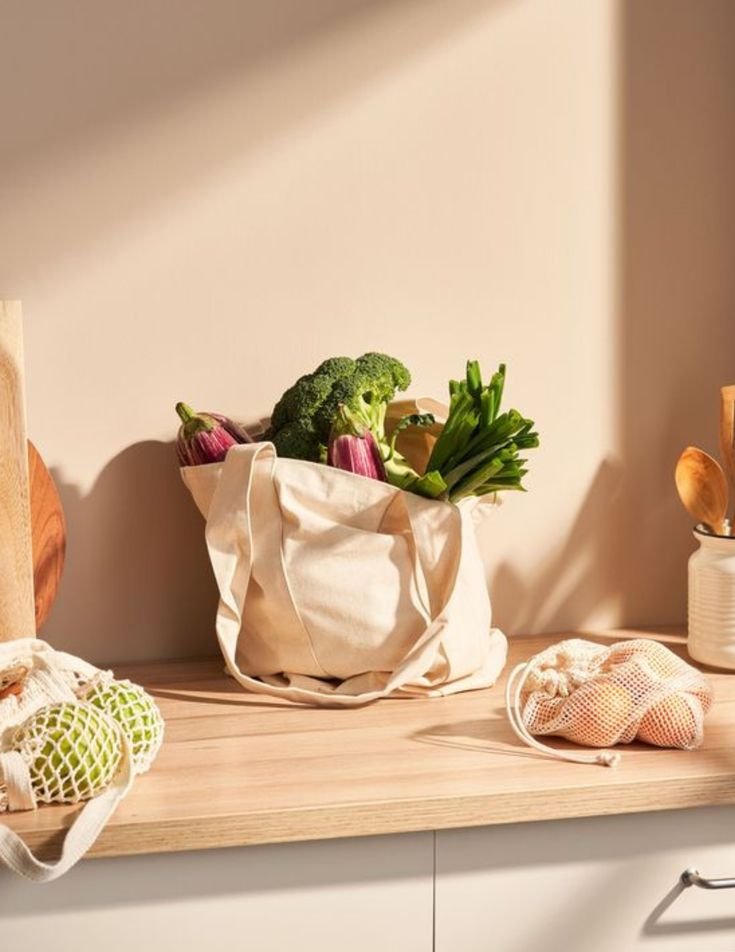
Shopping habits also matter here. Choosing loose produce instead of pre-packaged vegetables significantly reduces plastic intake. Cloth bags or baskets become your companions, not accessories. Buying in bulk, when possible, eliminates repetitive packaging waste. It may take a few extra minutes of planning, but it simplifies your life in the long run.
Cooking at home plays a central role. Pre-packaged meals are often layered in plastic—wrappers, trays, seals. When you cook from scratch, you control not only what you eat but also how much waste you create. This is not about becoming a gourmet chef. Even simple meals, prepared regularly, make a difference.
Dishwashing is another overlooked area. Plastic sponges shed microplastics. Switching to natural fiber brushes or loofah sponges is a small but meaningful change. They perform just as well and decompose naturally.
The kitchen becomes less cluttered, more intentional. You begin to notice how little you actually need.
habit 2: transforming your bathroom into a low-waste sanctuary
Bathrooms are filled with hidden plastic—from shampoo bottles to toothbrushes. Unlike kitchens, these items are often replaced regularly, making them a major source of ongoing waste.
The shift begins with awareness. Count how many plastic items you use daily. Toothpaste tubes, razors, liquid soap bottles—each one adds up. Now imagine replacing them one by one.
A bamboo toothbrush is a simple switch. It works just like a plastic one but decomposes after use. Soap bars replace liquid body wash and come with minimal or no packaging. Shampoo bars, once unfamiliar, quickly become convenient. They last longer and eliminate the need for bulky bottles.
Refill systems are gaining popularity. Some stores allow you to refill shampoo, conditioner, or cleaning products using your own containers. This not only reduces waste but also creates a habit of reuse.
Rethink your cleaning tools as well. Cotton pads can be replaced with reusable cloth rounds. Disposable wipes can be substituted with washable cloths. These alternatives often save money over time.
The bathroom slowly transforms from a space of constant disposal to one of mindful consumption. It feels calmer, less wasteful, and more aligned with long-term sustainability.
habit 3: adopting conscious shopping habits
Plastic-free living doesn’t begin at home—it begins at the point of purchase. Every item you bring into your space carries a footprint, and packaging is often the biggest contributor.
Before buying anything, pause. Ask yourself: Do I really need this? Can I find it without plastic? Is there a reusable or second-hand option?
This habit is not about restriction. It is about clarity. When you stop buying impulsively packaged items, you naturally reduce waste without forcing yourself into rigid rules.
Markets, local vendors, and small shops often provide alternatives. Fresh bread wrapped in paper, produce sold loose, grains available in bulk—these options exist, but they require intention.
Online shopping can be trickier, as packaging is often unavoidable. In such cases, choose consolidated orders instead of multiple shipments. Support brands that use minimal or recyclable packaging.
Over time, your shopping habits shift from convenience-driven to value-driven. You begin to see consumption as a choice rather than a default.
habit 4: mastering the art of reuse
Reuse is often underestimated because it feels less dramatic than recycling or zero-waste commitments. But it is one of the most powerful habits you can develop.
Every item has a second life, sometimes a third or fourth. Glass jars become storage containers, plant holders, or even drinking glasses. Old clothes transform into cleaning rags. Packaging materials can be reused for storage or organization.
The mindset shift here is crucial. Instead of seeing items as disposable, you begin to see them as resources. This doesn’t mean hoarding everything. It means being thoughtful about what you keep and how you use it.
Repair becomes part of your routine. A broken item is not immediately discarded. You explore whether it can be fixed. This not only reduces waste but also strengthens your connection to your belongings.
Children can be involved in this habit as well. Teaching them to reuse materials creatively builds awareness from an early age.
The more you practice reuse, the less you depend on constant consumption. Your home becomes a space of creativity rather than accumulation.
habit 5: minimizing food waste alongside plastic waste
Plastic-free living and food waste reduction are deeply connected. When you waste food, you also waste the resources used to package and transport it.
Planning meals is a practical starting point. When you know what you need, you avoid overbuying. This reduces both food waste and unnecessary packaging.
Storing food properly extends its life. Glass containers, cloth covers, and proper refrigeration make a difference. Leftovers become part of your routine rather than an afterthought.
Composting is a powerful addition to this habit. Even if you don’t have a garden, small composting systems can work in limited spaces. Food scraps turn into nutrient-rich soil instead of landfill waste.
Understanding expiration dates is also important. Many items are still safe to consume beyond labeled dates. Learning to trust your senses reduces unnecessary disposal.
This habit aligns your kitchen practices with a broader awareness of sustainability. It is not just about reducing plastic—it is about respecting resources.
habit 6: creating a plastic-free cleaning routine
Cleaning products are often packaged in plastic and filled with chemicals. Transitioning to a plastic-free routine simplifies your home while reducing environmental impact.
Start with basics. Vinegar, baking soda, and lemon can handle most cleaning tasks. They are effective, affordable, and widely available. Stored in reusable containers, they eliminate the need for multiple plastic bottles.
Reusable cloths replace disposable wipes and paper towels. They can be washed and reused countless times, reducing both waste and cost.
If you prefer ready-made products, look for refill options or brands that use glass or metal packaging. Concentrated formulas also reduce packaging volume.
The process becomes simpler. Instead of managing multiple products, you rely on a few essentials that work across different surfaces.
Cleaning becomes less about consumption and more about maintenance. Your home feels cleaner, not just in appearance but in its overall impact.
habit 7: building long-term habits through consistency, not perfection
Perhaps the most important habit is the mindset behind all the others. Plastic-free living is not about achieving perfection. It is about making consistent, informed choices.
There will be moments when you rely on plastic. That is part of reality. The goal is not to eliminate it entirely but to reduce it wherever possible.
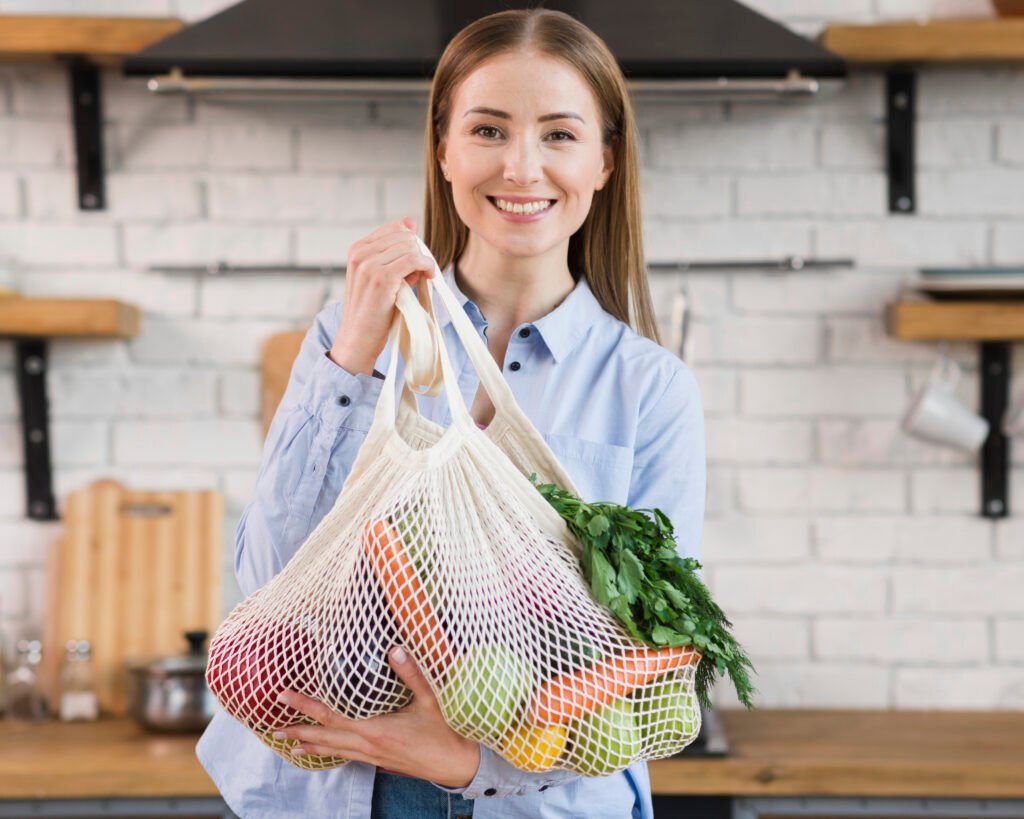
Celebrate small wins. Bringing your own bag, choosing a glass container, reusing an item—these actions add up over time. They create a pattern of behavior that becomes second nature.
Community plays a role as well. Sharing ideas, learning from others, and supporting local initiatives strengthens your commitment. You realize that you are not alone in this journey.
Over time, these habits integrate into your daily life. They no longer feel like effort. They become part of who you are.
Plastic-free living is not a destination. It is an ongoing process of awareness, adaptation, and growth.
frequently asked questions
- is it expensive to live plastic-free at home?
Not necessarily. While some eco-friendly products may have a higher upfront cost, many plastic-free habits actually save money over time. Reusing items, buying in bulk, and reducing unnecessary purchases lower overall expenses.
- can i go completely plastic-free?
For most people, complete elimination of plastic is extremely difficult due to its widespread use. The goal should be reduction, not perfection. Even small changes make a meaningful impact.
- what is the easiest habit to start with?
Switching to reusable shopping bags and avoiding single-use plastics in groceries is one of the easiest starting points. It requires minimal effort but creates immediate impact.
- how do i handle plastic already in my home?
Use what you already have instead of discarding it. Repurpose and reuse plastic items until they are no longer usable, then dispose of them responsibly.
- are plastic-free alternatives always better for the environment?
Not always. It depends on the material, production process, and usage. The key is to choose durable, reusable items that reduce overall consumption.
- how long does it take to build these habits?
It varies for each person. Some changes can be implemented immediately, while others take time. Consistency matters more than speed.
In the end, plastic-free living is less about rules and more about awareness. It is about understanding the impact of everyday choices and gradually aligning them with a more sustainable way of life. The habits you build today shape not only your home but also the world beyond it.