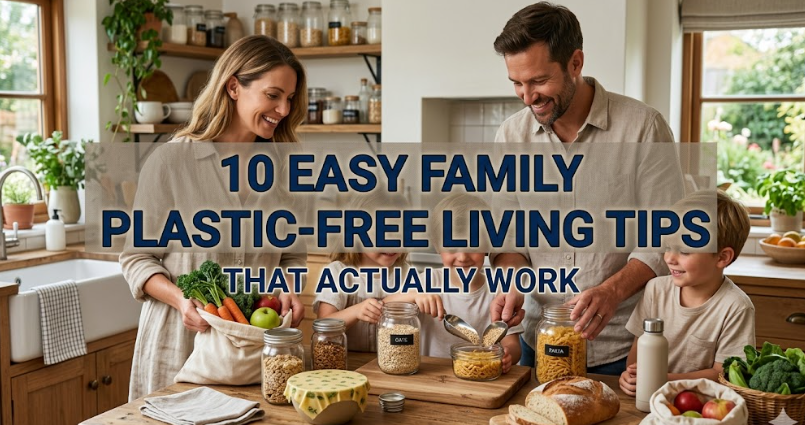
10 Easy Family Plastic Free Living Tips That Actually Work
It usually starts with something small. A grocery bag that tears too quickly. A snack wrapper that lingers in the corner of a room. A bin that fills faster than it should. For many families, the shift toward plastic-free living isn’t sparked by a dramatic moment—it grows quietly, through everyday observations that something isn’t quite right.
The idea of going plastic-free can feel overwhelming at first, especially when you’re not just making choices for yourself, but for a household full of different habits, preferences, and routines. Kids want convenience. Adults want efficiency. Life moves quickly. The good news is this: you don’t need perfection to make meaningful progress. What you need are practical, flexible habits that fit into real family life.
This guide isn’t about idealism. It’s about what actually works—small, repeatable changes that reduce plastic without creating stress. Along the way, you’ll also find simple activities, reflections, and family-friendly ideas that turn this journey into something shared, not forced.
tip 1: rethink how your family shops for groceries
One of the biggest sources of plastic in any household comes from grocery shopping. Packaging, bags, wrappers—it adds up quickly. Instead of trying to eliminate everything at once, start by changing how you approach shopping itself.
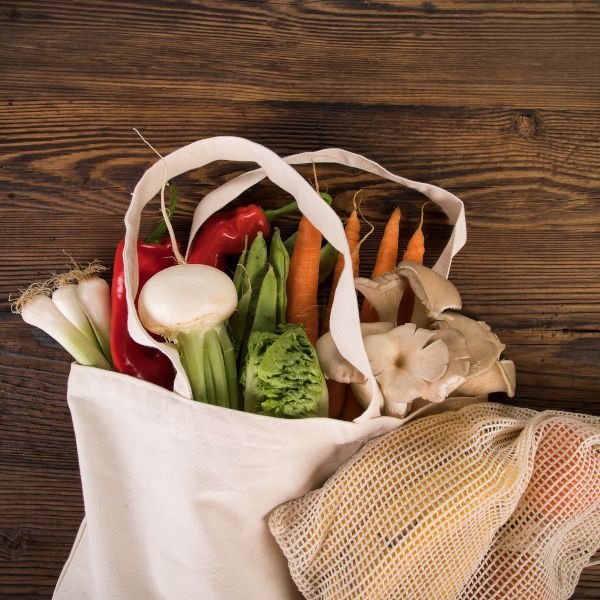
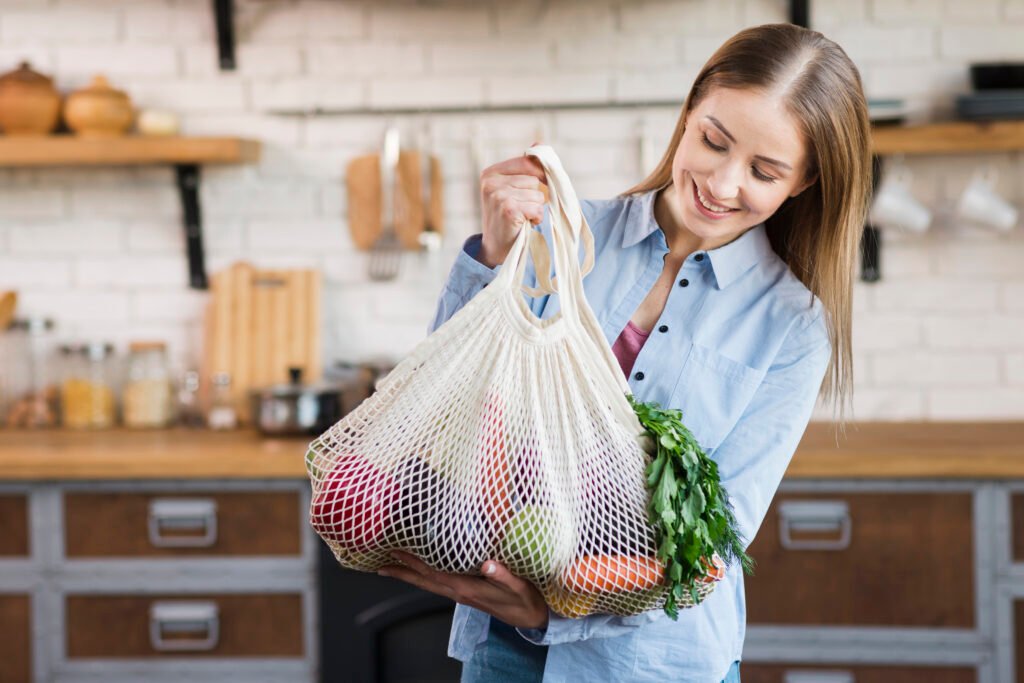
Bring reusable bags every time. Keep a few in the car, near the door, or even in your child’s backpack. The trick is making them impossible to forget. Some families hang a reminder note by the front door or attach a small bag to their keychain.
Next, start noticing which items you buy most often that come wrapped in plastic. Milk, snacks, produce—these are common culprits. Instead of eliminating them immediately, try swapping one item per week with a lower-plastic alternative. Loose fruits instead of pre-packed ones. A bakery loaf instead of sliced plastic-wrapped bread.
family activity idea:
Make a “shopping challenge” chart. Each week, let kids help choose one item to replace with a plastic-free option. Give it a fun name like “the swap of the week.”
Over time, your shopping habits will naturally shift without feeling restrictive.
tip 2: simplify your kitchen storage
Open your kitchen cabinets and you’ll likely find plastic containers, cling wrap, and zip bags everywhere. Replacing everything overnight is expensive and unnecessary. Instead, transition gradually.
Start by using what you already have until it wears out. At the same time, introduce longer-lasting alternatives: glass containers, stainless steel lunch boxes, and cloth wraps.
One simple change that works surprisingly well is switching from plastic wrap to cloth covers or reusable wraps. Even a clean plate placed over a bowl can replace plastic film in many cases.
real-life shift:
A family of four reduced their weekly waste just by switching to reusable snack containers for school lunches. No dramatic changes—just fewer disposable items.
tip 3: make water habits plastic-free
Plastic water bottles are one of the easiest things to replace. Yet many families still rely on them for convenience, especially when on the go.
Invest in durable, reusable water bottles for each family member. Let kids choose their own colors or designs—this increases the chances they’ll actually use them.
At home, use a jug or filter system if needed, and encourage everyone to refill instead of grabbing something new.
mini habit:
Create a “grab-and-go station” near the door with filled bottles ready for school or outings.
This small setup removes friction and makes the better choice the easier one.
tip 4: rethink kids’ snacks and lunches
Children’s snacks are often wrapped in layers of plastic. While convenience matters, there are ways to keep things easy without the waste.
Buy in bulk where possible and portion snacks into reusable containers. Use small cloth bags or metal tins for items like nuts, biscuits, or fruit.
Another approach is to simplify snacks altogether. Fresh fruit, homemade sandwiches, or baked goods often come with little to no packaging.
family routine:
Set aside 20 minutes once a week to prepare snacks together. Kids can help portion and pack, turning it into a shared routine rather than a chore.
tip 5: make cleaning routines less plastic-heavy
Cleaning supplies are another hidden source of plastic—spray bottles, disposable wipes, and packaging.
Instead of buying new products each time, reuse spray bottles and refill them. Many simple cleaning solutions can be made at home using basic ingredients.
Switch from disposable wipes to washable cloths. Old t-shirts or towels can be repurposed easily.
reflection prompt:
Ask yourself: which cleaning items do we throw away most often? That’s where your biggest opportunity for change lies.
tip 6: involve kids in decision-making
Plastic-free living becomes much easier when children feel included rather than restricted. Instead of setting rules, invite them into the process.
Explain why your family is making changes, but keep it simple and relatable. Focus on things they can understand—clean spaces, less waste, caring for the environment.
Let them choose small swaps. Maybe they pick their reusable bottle, or decide which snack containers to use.
family idea:
Create a “family eco board” where everyone can suggest ideas. Try one suggestion each week.
When kids feel ownership, they’re more likely to stick with new habits.
tip 7: rethink gifts and celebrations
Birthdays, holidays, and celebrations often bring a surge of plastic—wrapping paper, decorations, disposable items.
Instead of eliminating the joy, shift how you celebrate.
Use reusable decorations or items you already have. Wrap gifts in fabric or reusable bags. Choose gifts that last longer or create experiences instead of objects.
simple swap:
Keep a “gift box” at home with reusable wrapping materials. It saves time and reduces waste during busy moments.
tip 8: reduce bathroom plastic step by step
Bathrooms are full of plastic packaging—shampoo bottles, toothpaste tubes, disposable razors.
Again, no need to change everything at once. Start with one product.
Try a shampoo bar instead of bottled shampoo. Use a refillable soap dispenser. Switch to a bamboo toothbrush when it’s time to replace your current one.
The key is timing: replace items as they run out, not before.
tip 9: create a “use what we have” mindset
One of the most effective shifts is also the simplest: use what you already own.
Before buying a “sustainable” alternative, check if you can repurpose something at home. Old jars become storage containers. Worn clothes become cleaning cloths.
This mindset prevents unnecessary consumption, even if the new items are eco-friendly.
family challenge:
Once a month, pick one item to repurpose creatively. Turn it into something useful or fun.
tip 10: focus on consistency, not perfection
Perhaps the most important tip is this: consistency matters more than perfection.
There will be days when plastic sneaks back in. Busy schedules, unexpected situations—it happens. The goal isn’t to eliminate every piece of plastic. It’s to reduce what you can, when you can.
Small changes, repeated over time, create real impact.
closing reflection
Plastic-free living isn’t about dramatic transformation. It’s about quiet, steady change that fits into your life. For families, this journey becomes even more meaningful because it’s shared. It teaches awareness, responsibility, and creativity—not through lectures, but through daily choices.
When children grow up seeing these habits, they don’t see them as restrictions. They see them as normal.
And that’s where real change begins.
frequently asked questions
- is it expensive to start plastic-free living as a family?
It can be, if you try to replace everything at once. A better approach is to transition slowly. Use what you already have, and replace items only when needed. Over time, many families actually save money by buying less and choosing reusable options.
- how do i get my kids to cooperate with these changes?
Involve them instead of forcing rules. Let them choose items, suggest ideas, and participate in small decisions. When they feel included, they’re more likely to support the changes.
- what if i can’t avoid plastic completely?
That’s completely normal. Plastic is still very common in daily life. The goal isn’t perfection—it’s reduction. Every small step counts.
- how long does it take to see results?
You’ll likely notice a difference in your household waste within a few weeks. Bigger changes happen over months as habits become routine.
- are reusable alternatives always better?
Not always. The most sustainable option is often the one you already own. Reusables are helpful, but only if they replace disposable items consistently over time.
- where should i start if i feel overwhelmed?
Start with one area—usually the kitchen or grocery shopping. Choose one simple swap and build from there. Progress grows naturally when you keep things manageable.