5 Personal Home Plastic Free Living Mistakes I Learned From
The idea of living a plastic-free life often begins with a spark—maybe a documentary, a social media post, or simply the growing awareness that the choices we make daily ripple outward into the environment. When I first decided to reduce plastic in my home, I was driven by enthusiasm and a sense of urgency. I imagined a clean, minimal, eco-conscious lifestyle where every item I owned aligned perfectly with sustainability.
Reality, however, had other plans.
What I discovered along the way is that transitioning to a plastic-free lifestyle is not just about replacing products. It is about changing habits, mindsets, and expectations. It is a journey filled with small wins, occasional setbacks, and a lot of learning. In that process, I made several mistakes—some costly, some frustrating, and some surprisingly enlightening.
These are five personal home plastic-free living mistakes I learned from, shared not as warnings but as guidance for anyone trying to walk a similar path.
- Trying to replace everything all at once
One of my earliest mistakes was diving headfirst into the idea of eliminating plastic from my home overnight. Inspired and motivated, I started listing every plastic item I owned—kitchen containers, cleaning supplies, toiletries, packaging, and even decorative items. The list was overwhelming, yet I felt determined to replace everything immediately.
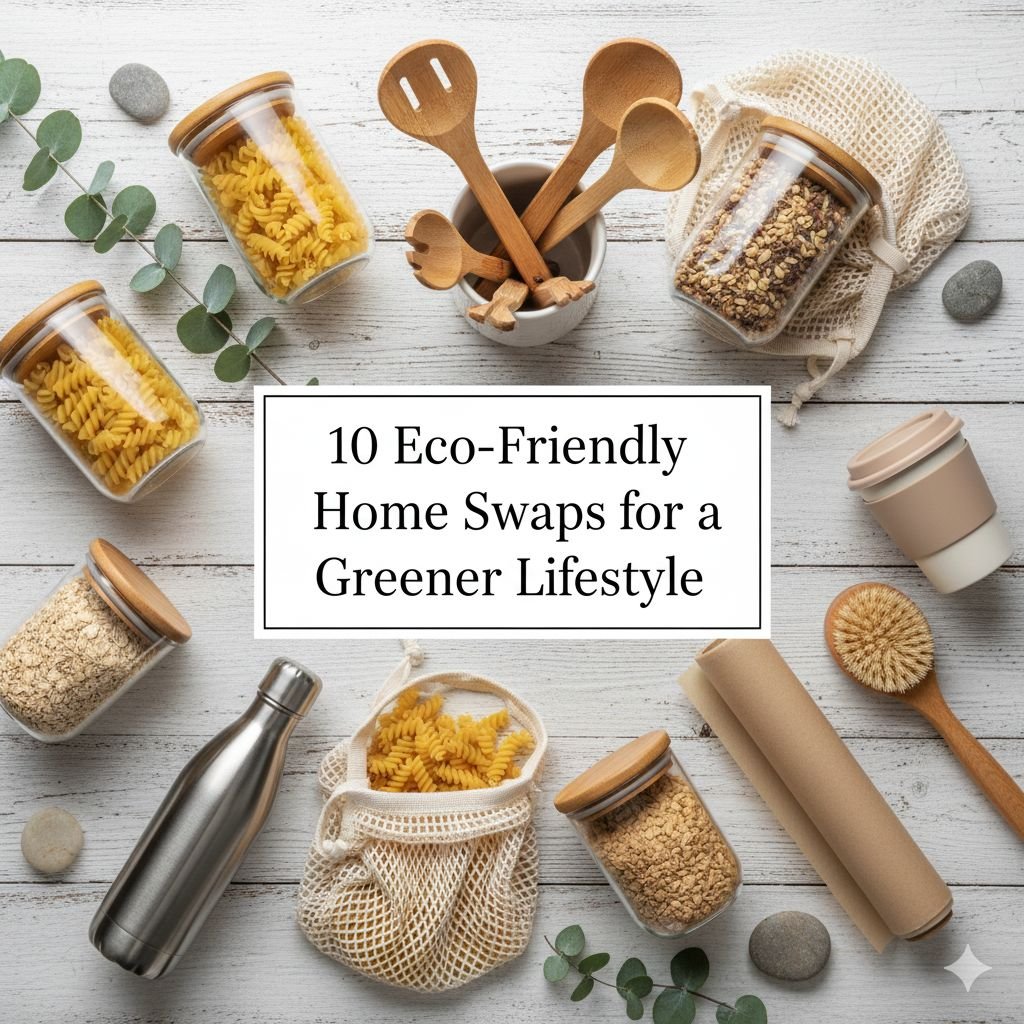
I began buying glass jars, stainless steel containers, wooden brushes, and cloth alternatives. While each purchase felt like a step in the right direction, I soon realized I had fallen into a trap: I was consuming more in the name of consuming less.
The irony was hard to ignore. I was discarding usable plastic items prematurely just to replace them with “eco-friendly” alternatives. This not only wasted money but also created unnecessary waste, defeating the purpose of my efforts.
The lesson here was simple but powerful: sustainability is not about perfection; it is about mindful progression. Using what you already have until it wears out is far more sustainable than replacing everything instantly. Transitioning gradually allows habits to form naturally and reduces both financial strain and environmental impact.
- Overlooking hidden plastics in everyday items
At first glance, avoiding plastic seems straightforward—stop buying plastic bottles, avoid plastic bags, choose glass or metal alternatives. But as I dug deeper, I realized plastic is embedded in far more products than we typically notice.
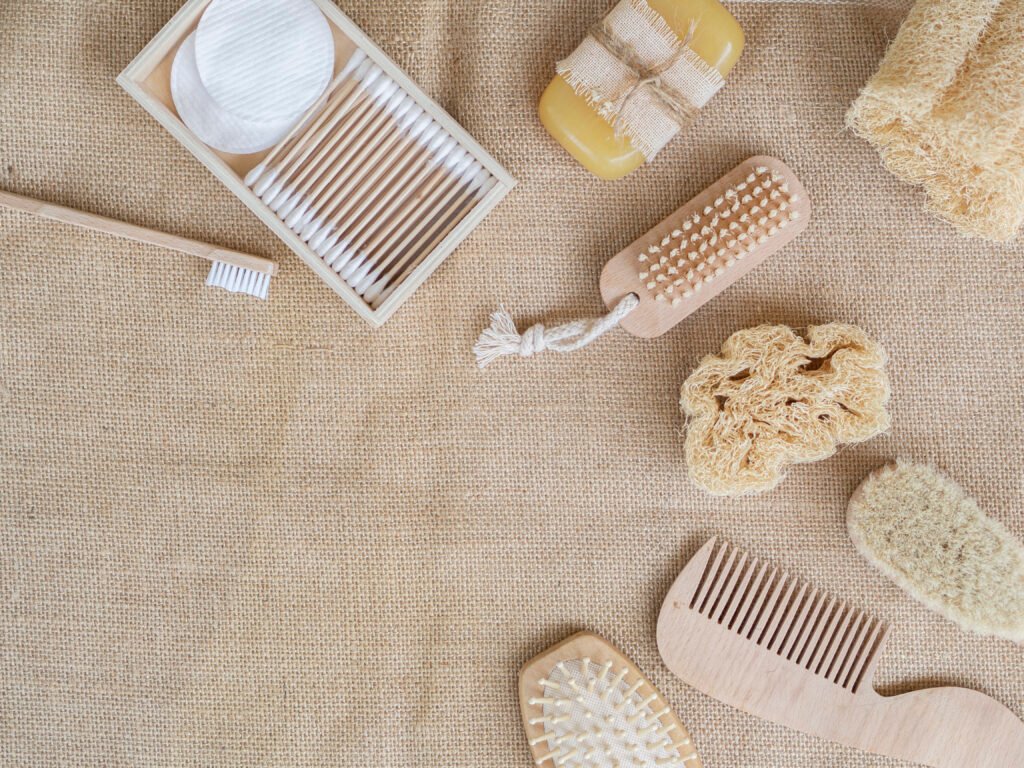
Items labeled as “eco-friendly” sometimes still contained plastic components. Clothing made from synthetic fibers, cleaning tools with plastic bristles, and even paper products lined with plastic coatings caught me off guard. I remember feeling frustrated when I discovered that my supposedly sustainable sponge was actually made with plastic fibers.
This mistake taught me the importance of awareness and research. Plastic-free living requires looking beyond the obvious and understanding product materials more deeply. It also taught me to accept that eliminating plastic entirely is nearly impossible in the modern world.
Instead of aiming for absolute elimination, I shifted my focus to reduction and informed choices. I began reading labels more carefully, researching brands, and prioritizing items with minimal or no plastic components. This approach felt more realistic and less overwhelming.
- Ignoring convenience and practicality
Another mistake I made was underestimating the role of convenience in daily life. In my attempt to live plastic-free, I chose alternatives that were environmentally friendly but not always practical for my routine.
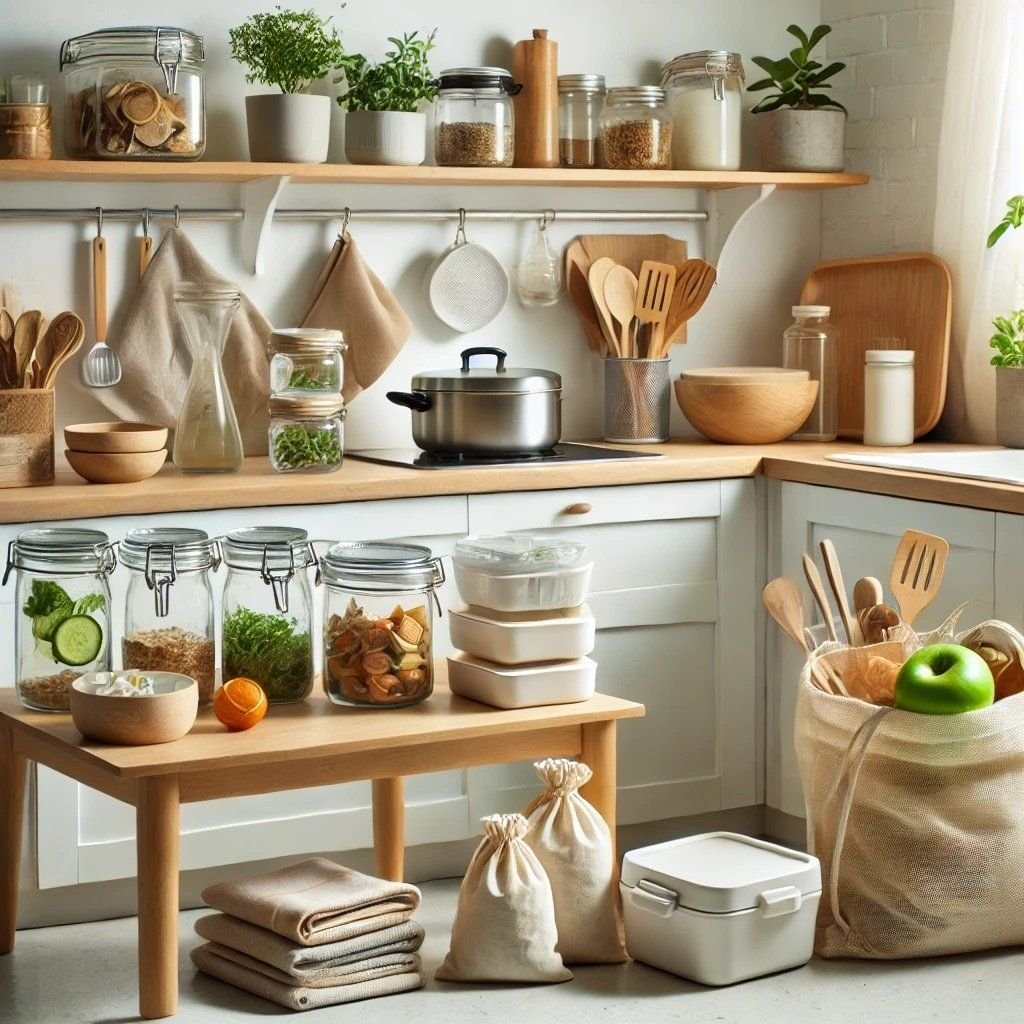
For example, I switched to bulk shopping without considering storage space or accessibility. I bought reusable produce bags but often forgot to carry them. I replaced liquid cleaning products with DIY mixtures that required time and effort I did not always have.
Over time, these inconveniences led to frustration. There were moments when I reverted to old habits simply because they were easier. This cycle made me question whether my approach was sustainable in the long run.
What I learned is that a successful plastic-free lifestyle must fit into your life, not disrupt it entirely. Convenience is not the enemy; it is a factor to be managed thoughtfully. Small adjustments—like keeping reusable bags near the door, choosing simple DIY recipes, or finding nearby bulk stores—can make a big difference.
Sustainability should feel like a natural extension of your routine, not a constant struggle. When choices are practical, they are more likely to stick.
- Falling into the perfection trap
Perfectionism is one of the biggest obstacles in any lifestyle change, and plastic-free living is no exception. Early on, I set unrealistic standards for myself. I believed that every decision had to be flawless, every purchase had to be plastic-free, and every mistake was a failure.
This mindset quickly became exhausting. I felt guilty when I accepted plastic packaging, anxious when I could not find alternatives, and discouraged when progress felt slow. Instead of feeling empowered, I felt burdened.
The turning point came when I realized that sustainability is a collective effort, not an individual competition. One person striving for perfection will always struggle, but many people making imperfect efforts can create meaningful change.
Letting go of perfection allowed me to approach plastic-free living with more compassion—for myself and for others. I began celebrating small victories, such as reducing single-use items or choosing refillable options. I also became more open to learning and adapting without self-judgment.
Progress, not perfection, became my guiding principle.
- Underestimating the importance of mindset
Perhaps the most significant mistake I made was focusing too much on products and not enough on mindset. I initially approached plastic-free living as a checklist—replace this, avoid that, buy these alternatives. While these actions are important, they are only part of the equation.
True change comes from shifting how you think about consumption. It involves questioning habits, recognizing triggers, and understanding the impact of everyday choices. Without this mindset shift, it is easy to fall back into old patterns, even with the best intentions.
For example, I realized that many of my purchases were driven by convenience, impulse, or habit rather than necessity. By becoming more mindful, I started asking myself simple questions before buying anything: Do I really need this? Is there a plastic-free option? Can I reuse something I already have?
This change in perspective reduced my overall consumption, which in turn reduced plastic use. It also made the journey more meaningful, as each decision felt intentional rather than automatic.
The broader lesson
Looking back, these mistakes were not setbacks but stepping stones. Each one taught me something valuable about sustainability, consumption, and personal growth. Plastic-free living is not a destination but an ongoing process—one that evolves with time, experience, and awareness.
It is easy to feel overwhelmed when confronted with the scale of environmental issues. However, meaningful change begins at home, with small, consistent actions. By learning from mistakes and adapting our approach, we can create a lifestyle that is both sustainable and fulfilling.
This journey also highlights the importance of balance. It is not about sacrificing comfort or convenience entirely but about making thoughtful choices that align with our values. It is about finding what works for you and building habits that can be maintained over the long term.
In the end, plastic-free living is less about eliminating plastic completely and more about redefining our relationship with consumption. It is about choosing quality over quantity, mindfulness over convenience, and progress over perfection.
Frequently Asked Questions (FAQs)
- Is it possible to live completely plastic-free?
Living completely plastic-free is extremely difficult in today’s world, as plastic is deeply integrated into many products and systems. However, it is possible to significantly reduce plastic use by making mindful choices and focusing on alternatives where feasible.
- What is the best way to start a plastic-free lifestyle?
The best way to start is by making small, manageable changes. Begin with items you use most often, such as reusable bags, water bottles, and food containers. Gradually expand your efforts as you become more comfortable.
- Are plastic-free alternatives always better for the environment?
Not always. Some alternatives require more resources to produce, so it is important to consider the full lifecycle of a product. The most sustainable option is often to use what you already have for as long as possible.
- How can I stay consistent with plastic-free habits?
Consistency comes from making changes that fit your lifestyle. Keep reusable items easily accessible, plan ahead for shopping, and focus on habits rather than perfection. Over time, these actions become second nature.
- Is plastic-free living expensive?
It can be initially, especially if you try to replace many items at once. However, it often becomes more cost-effective in the long run, as reusable items reduce the need for frequent purchases.
- What should I do if I make mistakes in my plastic-free journey?
Mistakes are part of the process. Instead of feeling discouraged, treat them as learning opportunities. Reflect on what went wrong, adjust your approach, and continue moving forward.
The journey toward a plastic-free home is not linear, and it is certainly not perfect. But with patience, awareness, and a willingness to learn, it becomes not only achievable but deeply rewarding.