5 Personal Family Plastic Free Living Lessons From My Journey
It didn’t begin with a grand decision or a dramatic moment of clarity. There was no documentary that suddenly changed everything overnight, no guilt-ridden panic that forced a complete lifestyle overhaul. Instead, it started quietly—almost unnoticed—like most meaningful changes do.
One afternoon, while cleaning out a kitchen drawer that had become a graveyard of plastic wrappers, cracked containers, and mismatched lids, I paused. It wasn’t the mess that bothered me. It was the realization that almost everything in that drawer had been used once, briefly, and then discarded or forgotten. It felt like a small reflection of a much larger habit we had normalized.
That moment didn’t transform our family overnight. But it planted a question that refused to go away: what would it look like if we tried to live with less plastic?
This is not a story about perfection. It is not about achieving a zero-waste ideal or becoming an eco-expert. It is about a family—imperfect, busy, sometimes inconsistent—trying to make better choices, one step at a time. Along the way, we learned lessons that were far less about plastic itself and far more about habits, patience, and the quiet power of small changes.
lesson one: starting small is not a weakness, it is the strategy
In the beginning, I made the classic mistake of trying to do too much at once. I read lists, watched videos, and filled my head with everything we “should” change: reusable bags, glass containers, composting systems, bulk shopping, plastic-free toiletries, and more.
Within a week, I felt overwhelmed.
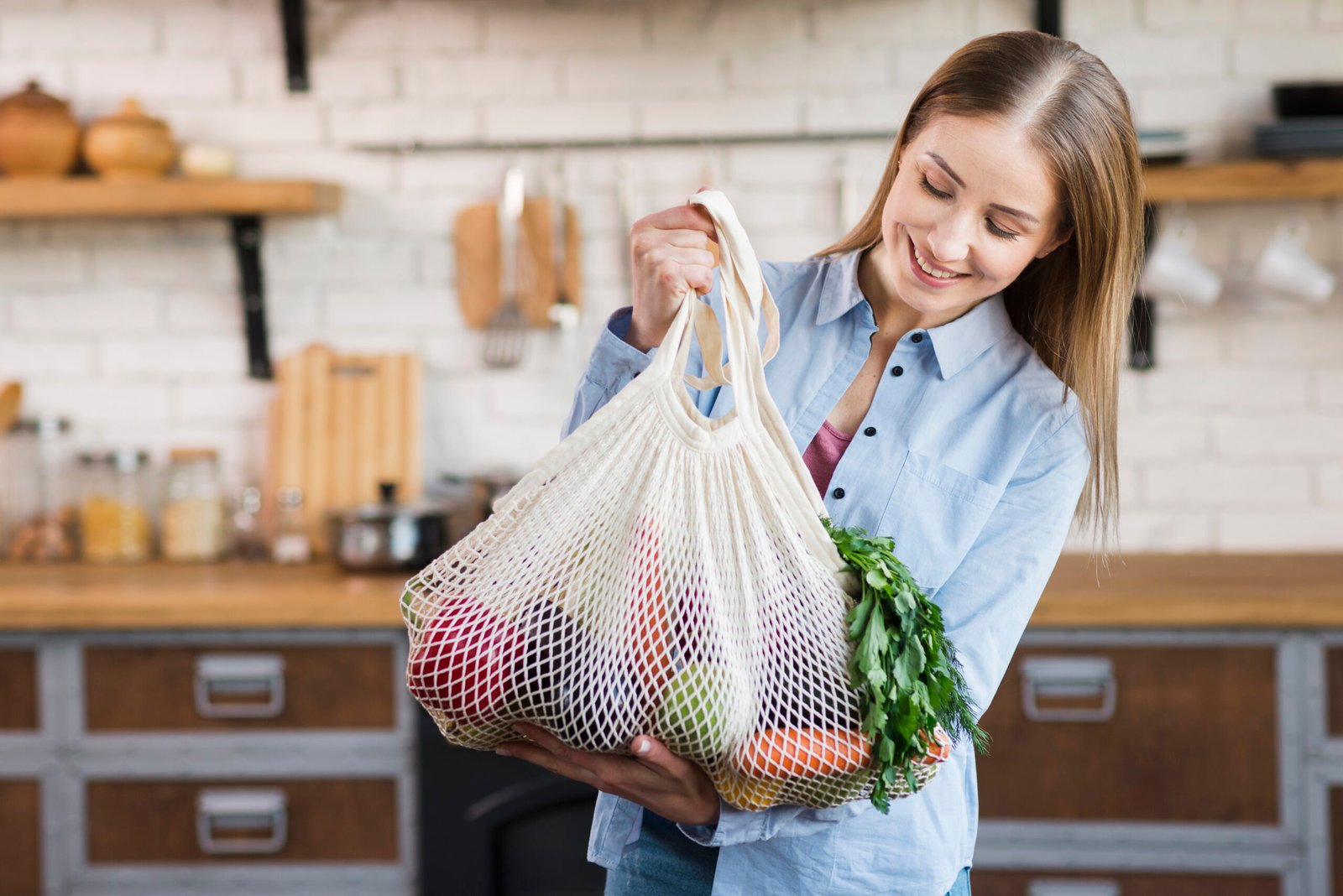
The turning point came when I stopped trying to fix everything and chose just one thing: grocery bags. That was it. We committed to always carrying reusable bags. We forgot them often. We felt silly carrying them sometimes. But eventually, it became automatic.
From there, we moved to water bottles. Then lunchboxes. Then kitchen storage.
The lesson was simple but powerful: change grows when it is given space to stick.
Instead of:
- replacing everything at once
- feeling guilty for what we hadn’t done
- chasing perfection
we learned to:
- focus on one habit at a time
- celebrate consistency over speed
- allow room for mistakes
A small habit repeated daily is stronger than a perfect plan abandoned after a week.
A reflection exercise we still use:
At the end of each month, we ask ourselves one question as a family:
“What is one plastic item we used often this month that we could replace next month?”
This keeps the process alive without making it stressful.
lesson two: children are not obstacles, they are the driving force
Initially, I assumed that involving kids would make things harder. After all, convenience often revolves around children—snack packs, juice boxes, toy packaging, school supplies wrapped in plastic.
But something unexpected happened.
When we explained why we were making changes—not with fear, but with curiosity—our children became the most enthusiastic participants.
They started asking questions:
“Why is this wrapped in plastic?”
“Can we reuse this?”
“Is there a better option?”
They reminded us to bring reusable bags when we forgot. They proudly showed their friends their metal water bottles. They even challenged us when we slipped back into old habits.
What we learned was this: children don’t need perfection, they need involvement.
Instead of imposing rules, we:
- invited them to help choose alternatives
- turned changes into small experiments
- allowed them to come up with ideas
One evening, our youngest suggested we stop using plastic straws at home and replace them with metal ones. It was such a small idea, but the pride in their voice made it feel significant.
A small family activity that made a difference:
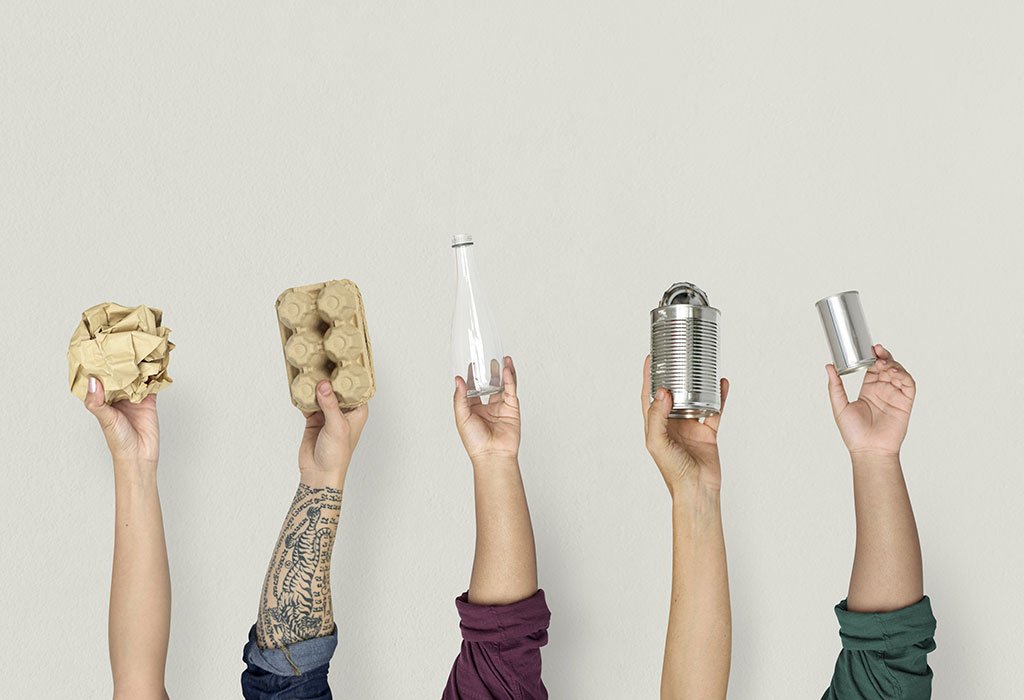
We created a “plastic audit day” once every few months. We would gather items from around the house and sort them into categories:
- reusable
- avoidable
- necessary
It wasn’t about judgment. It was about awareness.
Children don’t resist change when they feel part of it. They lead it.
lesson three: convenience is a habit, not a necessity
One of the biggest myths we had to unlearn was the idea that plastic equals convenience.
At first, every alternative felt like extra effort:
- remembering containers
- washing reusable items
- planning ahead
But over time, something shifted.
We realized that what we called “convenience” was often just familiarity.
Once new habits formed, they became just as easy—sometimes easier.
For example:
Packing snacks in reusable containers initially felt like work. But soon, it became faster than opening multiple plastic wrappers.
Using refillable bottles seemed like an extra step. But eventually, it saved time and money.
The real inconvenience wasn’t the alternatives—it was adjusting to them.
A simple comparison we noticed:
Old habit:
Buy packaged snacks → throw away wrappers → buy again
New habit:
Prepare snacks once → reuse containers → repeat
The second required a bit more thought initially, but far less repetition over time.
A practical tip that helped us:
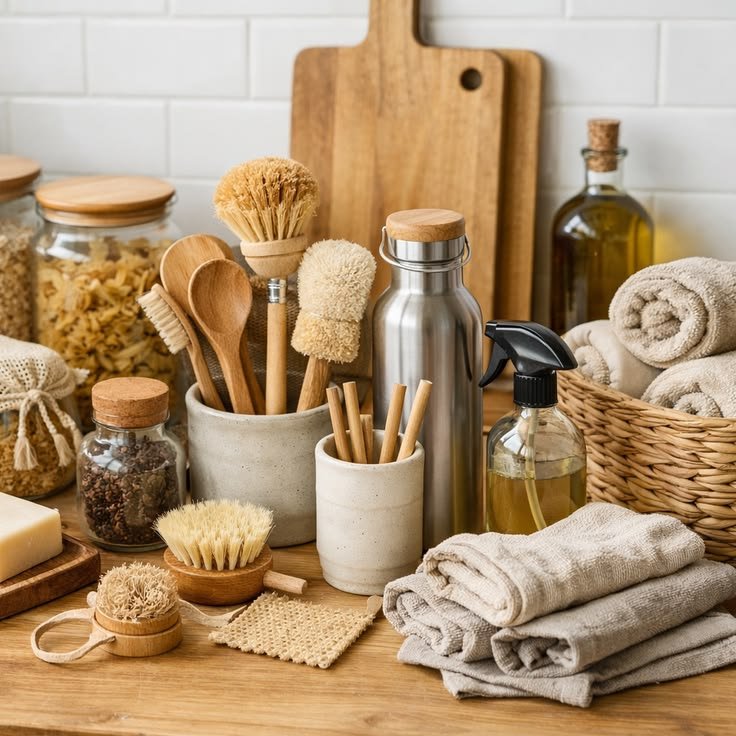
We created a “grab-and-go” shelf in the kitchen with:
- clean containers
- reusable bottles
- cloth napkins
This reduced friction. The easier something is to access, the more likely it becomes a habit.
Convenience is not fixed. It can be redesigned.
lesson four: perfection is the fastest way to give up
There were moments when we felt like we were failing.
A last-minute grocery trip without reusable bags.
A birthday party full of disposable decorations.
A busy week where takeout containers piled up.
At first, these moments felt like setbacks. But gradually, we began to see them differently.
Perfection creates pressure. Pressure creates burnout.
Instead of asking, “Did we do everything right?” we started asking:
“Did we do better than before?”
This shift changed everything.
We allowed ourselves to:
- make imperfect choices without guilt
- learn from situations instead of judging them
- keep going even after slipping
One important realization was that some plastic use is unavoidable, especially depending on where you live and what options are available.
The goal is not elimination. It is reduction.
A mindset that helped:
Think of plastic-free living not as a rule, but as a direction.
As long as you are moving in the right direction, you are succeeding.
lesson five: the journey changes more than just your waste
At some point, the changes stopped being about plastic.
They began to influence how we thought about consumption in general:
- Do we need this?
- Can we reuse something we already have?
- Is there a longer-lasting option?
We started buying less, but choosing better.
We repaired items instead of replacing them.
We shared things instead of owning duplicates.
We appreciated what we had more deeply.
The impact extended beyond our home.
Friends began asking questions.
Family members started adopting small changes.
Conversations shifted.
Without trying to “convince” anyone, we became a quiet example.
One unexpected benefit was financial:
Buying fewer disposable items and focusing on reusables reduced our long-term spending.
Another was emotional:
Living with less clutter brought a sense of calm we hadn’t anticipated.
Plastic-free living, in its essence, is not just about materials. It is about awareness.
a simple weekly routine that helped us stay consistent
To keep things manageable, we developed a loose weekly rhythm:
Sunday:
Quick check of reusable items (bags, bottles, containers)
Midweek:
Refill and restock essentials
Friday:
Discuss one small improvement for the following week
This routine was flexible, not rigid. It gave us structure without pressure.
a short checklist for beginners (and for us, even now)
- Carry one reusable bag at all times
- Keep a reusable bottle within reach
- Replace one disposable item each month
- Involve every family member in decisions
- Focus on progress, not perfection
frequently asked questions
- Is plastic-free living expensive to start?
It can feel that way initially, especially when purchasing reusable items. However, most changes can be gradual. Starting with what you already have and replacing items only when needed reduces cost significantly. Over time, it often saves money because you buy fewer disposable products.
- What if I don’t have access to bulk stores or plastic-free options?
That’s completely okay. Plastic-free living is not all-or-nothing. Focus on what is accessible to you. Even small changes—like reusing containers or avoiding single-use items when possible—make a difference.
- How do I stay motivated as a family?
Keep the process engaging. Involve everyone in decisions, celebrate small wins, and avoid turning it into a strict set of rules. Motivation grows when the journey feels shared and meaningful.
- What are the easiest items to replace first?
Reusable bags, water bottles, and food containers are some of the simplest and most impactful starting points. They are used frequently and quickly become habits.
- How do I handle situations where plastic is unavoidable?
Accept it without guilt. The goal is not perfection but reduction. When plastic use is unavoidable, focus on reusing or recycling it if possible.
- How long does it take to see real change?
Change happens gradually. Within a few weeks, small habits begin to feel natural. Within a few months, you will likely notice a significant reduction in waste. The key is consistency, not speed.
closing thoughts
Looking back, the most meaningful part of this journey is not the amount of plastic we have reduced. It is the shift in how we think, choose, and live as a family.
We became more intentional.
More aware.
More connected—to our habits, to each other, and to the impact of our choices.
And it all started with a single drawer, full of things we barely remembered using.
If there is one thing I would pass on, it is this:
You don’t need to change everything to make a difference.
You just need to start—and keep going.