5 powerful family plastic free living habits that changed our home
It didn’t begin with a grand decision or a perfectly planned lifestyle shift. It started, like many meaningful changes do, with a small moment of discomfort—standing in the kitchen, holding a crinkly plastic wrapper, and wondering how many more of these would pass through our hands in a lifetime.
At first, the idea of going plastic-free as a family felt overwhelming. There were kids, routines, busy schedules, and habits we had built over years without thinking twice. But what we discovered along the way was surprising: the journey wasn’t about perfection, and it certainly wasn’t about throwing everything away and starting over. It was about noticing, adjusting, and slowly reshaping our daily life into something more intentional.
This is not just a list of habits. It’s a lived experience—one that reshaped how we shop, cook, clean, and even connect with each other. These five habits didn’t just reduce plastic; they changed the rhythm of our home.
habit 1: rethinking how we shop (and why we shop that way)
The first real shift happened at the grocery store.
Previously, our shopping trips were rushed. We grabbed pre-packaged vegetables, individually wrapped snacks, bottled drinks—whatever saved time. But once we started paying attention to plastic, the grocery store began to look different.
We slowed down.
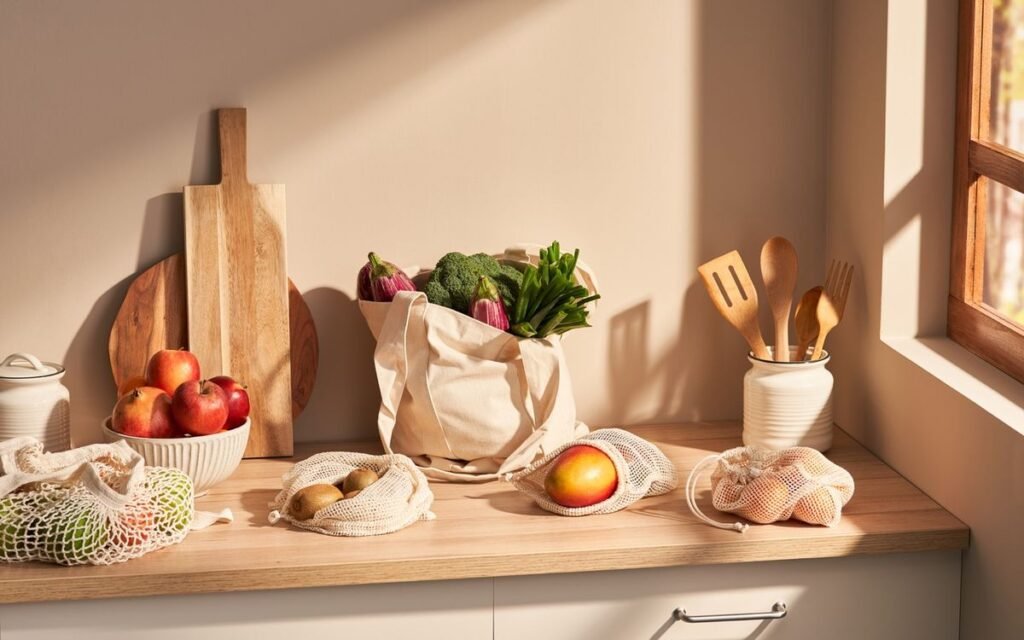
Instead of heading straight for convenience, we began choosing fresh produce without packaging. Cloth bags replaced plastic ones. We learned to buy grains, lentils, and spices in bulk where possible. Sometimes that meant visiting different stores or local markets. It wasn’t always convenient, but it became meaningful.
One unexpected benefit? Our children became more involved. They started asking questions—why this item instead of that one? Why bring our own bags? These conversations turned shopping into a learning experience rather than a chore.
Over time, we noticed we were wasting less food too. Without the distraction of excessive packaging, we became more aware of what we were actually buying and consuming.
small shifts that made a big difference:
- keeping reusable bags in the car at all times
- choosing loose produce over packaged versions
- avoiding products with excessive or unnecessary wrapping
- supporting local vendors who use minimal packaging
It didn’t take long before this habit started to feel natural. Shopping became slower, yes—but also more mindful.
habit 2: creating a reusable kitchen system
If there was one area where plastic dominated our home, it was the kitchen.
Plastic containers, cling wrap, disposable cutlery, bottled water—it was everywhere. Instead of trying to eliminate everything overnight, we focused on replacing items as they wore out.
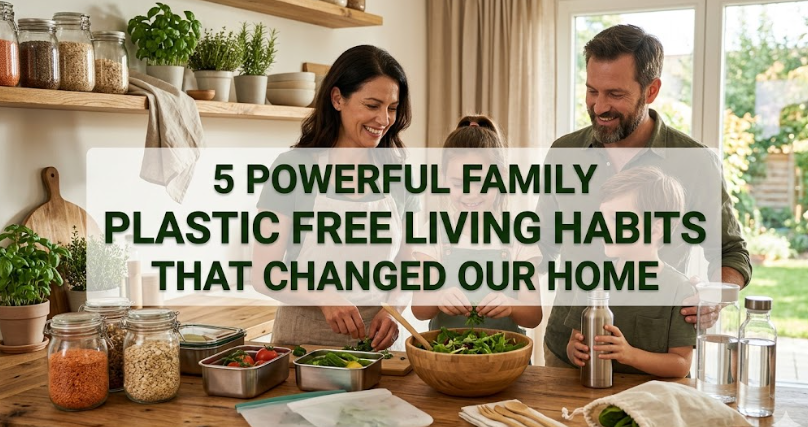
Glass jars became our storage solution. Old containers were reused instead of discarded. Cloth replaced paper towels for everyday cleaning. Even leftovers started looking different—stored in clear glass instead of hidden in opaque plastic.
One of the biggest changes came from ditching single-use items. No more plastic wrap. Instead, we used plates to cover bowls or simple fabric covers. It felt almost old-fashioned, but it worked beautifully.
And then there was water. Switching from bottled water to filtered tap water not only reduced plastic waste but also saved money. We invested in a good filter and reusable bottles for each family member.
The kitchen, once full of disposables, slowly transformed into a space of durability and reuse.
what helped us stay consistent:
- assigning each family member their own reusable bottle
- keeping jars from previous purchases for storage
- setting up a small system for washing and reusing containers
- resisting the urge to buy “quick fixes” wrapped in plastic
This habit didn’t just reduce waste—it changed how we viewed consumption. We stopped thinking in terms of convenience and started thinking in terms of longevity.
habit 3: simplifying cleaning routines
Cleaning products were another hidden source of plastic in our home. Bottles upon bottles—each promising something different, each adding to the clutter.
So we simplified.
Instead of buying multiple specialized cleaners, we switched to a few basic ingredients: vinegar, baking soda, and soap. Not only did this reduce plastic packaging, but it also made cleaning feel less complicated.
We began refilling the same spray bottles instead of buying new ones. Old cloths replaced disposable wipes. Even laundry routines changed, with bulk detergents or alternative solutions that minimized packaging.
There was a moment when we realized how much we had been influenced by marketing. Did we really need five different cleaners for five different surfaces? The answer, it turned out, was no.
benefits we didn’t expect:
- fewer chemicals in the home
- reduced spending on cleaning supplies
- less storage space needed
- a simpler, calmer cleaning routine
Cleaning became less about products and more about process. And once again, the children joined in—learning how simple ingredients could be effective without being wasteful.
habit 4: saying no to unnecessary plastic (especially in daily routines)
Some of the most powerful changes came from simply saying no.
No to plastic straws at restaurants.
No to disposable cutlery with takeout.
No to free promotional items wrapped in plastic.
At first, it felt awkward. We worried about being inconvenient or appearing difficult. But over time, it became second nature.
We started carrying a small kit when we went out—reusable utensils, a cloth napkin, sometimes even a container. It might sound excessive, but it quickly proved to be practical.
Birthdays and events also changed. Instead of plastic decorations and disposable items, we focused on reusable or natural alternatives. Decorations were stored and reused year after year. Gifts became more thoughtful and less about packaging.
Even school routines shifted. Lunchboxes replaced plastic bags. Reusable containers replaced cling wrap.
These small refusals added up.
lessons we learned along the way:
- most plastic is optional, not essential
- people are often more understanding than we expect
- consistency matters more than perfection
- habits spread—friends and family began adopting similar changes
What started as individual choices became a shared family mindset.
habit 5: embracing repair, reuse, and creativity
Perhaps the most transformative habit was learning to see value where we once saw waste.
Instead of throwing things away, we began asking: can this be reused? repaired? repurposed?
Glass jars turned into storage, planters, even craft supplies. Old clothes became cleaning rags. Broken items were sometimes fixed instead of replaced.
This shift sparked creativity in the home. Weekends occasionally turned into small DIY projects. The children especially loved this part—turning “trash” into something useful or fun.
It also slowed down our consumption. Before buying something new, we paused. Did we really need it? Could we use something we already had?
This habit wasn’t just about plastic—it was about mindset.
how it changed our home:
- less clutter
- more appreciation for what we own
- stronger problem-solving habits
- a deeper sense of responsibility
Over time, we realized that reducing plastic wasn’t just about the environment. It was about redefining our relationship with things.
a home transformed, not perfected
Our home is not completely plastic-free. There are still items we rely on, still moments of convenience we choose. But the difference now is awareness.
We notice.
We question.
We choose differently, more often than not.
These five habits didn’t happen overnight. They evolved slowly, through trial and error, through small wins and occasional setbacks. But together, they created a shift—not just in our environment, but in our mindset.
And perhaps that’s the most powerful part: change doesn’t require perfection. It requires intention.
frequently asked questions
- is it possible for a family to go completely plastic-free?
In reality, going completely plastic-free is extremely difficult, especially for families. The goal shouldn’t be perfection but reduction. Focus on minimizing unnecessary plastic and making better choices where possible.
- how can i start plastic-free living with kids?
Start small and involve them in the process. Simple actions like using reusable bottles, packing waste-free lunches, and explaining the reasons behind these choices can make a big difference. Children often adapt quickly when they understand the purpose.
- does plastic-free living cost more?
Initially, some items like reusable containers or bottles may require an investment. However, over time, it often saves money because you buy fewer disposable products and waste less overall.
- what are the easiest swaps to begin with?
Some easy swaps include reusable shopping bags, water bottles, cloth napkins, and glass storage containers. These require minimal effort but have a significant impact.
- how do you handle plastic when it’s unavoidable?
When plastic is unavoidable, the focus shifts to reuse and responsible disposal. Reuse items as much as possible and recycle according to local guidelines. The idea is to extend the life of the plastic rather than treat it as single-use.
- how long does it take to build these habits?
There’s no fixed timeline. Some habits can form within weeks, while others take months. The key is consistency and patience. Small steps, taken regularly, lead to lasting change.
In the end, plastic-free living isn’t about restriction. It’s about rediscovery—of simpler ways, thoughtful choices, and a home that reflects what truly matters.