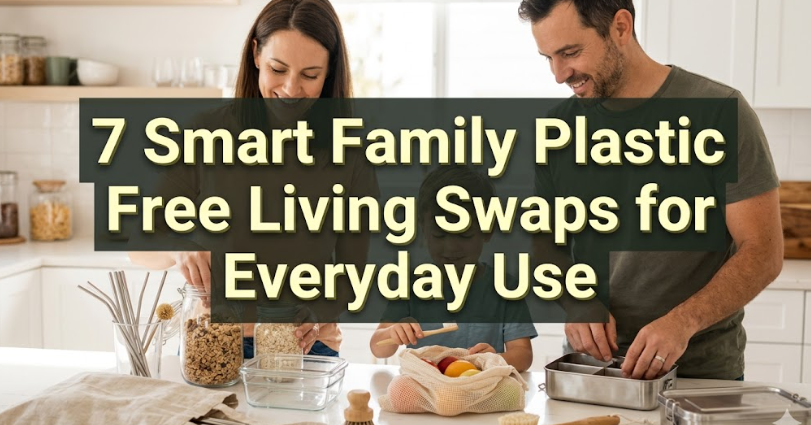
7 Smart Family Plastic Free Living Swaps for Everyday Use
There’s a quiet moment that often sparks change in a household. It might come when a parent is packing lunch and notices how much plastic goes into a single meal, or when the trash bin fills up faster than expected after just a few days. For many families, the shift toward plastic-free living doesn’t begin with a grand plan. It begins with a small realization: this can be done differently.
Plastic-free living doesn’t mean perfection. It doesn’t require throwing away everything you own or spending a fortune replacing items overnight. Instead, it’s about making thoughtful swaps—practical, sustainable changes that fit into everyday family life. When approached as a shared journey rather than a strict rulebook, it becomes something that even children can understand and participate in.
This article walks through seven smart, family-friendly swaps that can significantly reduce plastic use in daily routines. Along the way, you’ll find small reflections, practical ideas, and real-life adjustments that make the transition feel natural rather than overwhelming.
kitchen habits that quietly transform waste
The kitchen is often the heart of the home—and unfortunately, the center of plastic consumption. From cling wrap to snack packaging, plastic sneaks into nearly every corner of meal preparation.
One of the simplest and most impactful swaps is replacing plastic wrap with reusable alternatives. Beeswax wraps, silicone lids, or even a simple plate placed over a bowl can do the job just as effectively. At first, it might feel unusual not to reach for the roll of cling film, but within a week, the new habit settles in.
Families often find that this swap leads to something unexpected: more intentional cooking. When you rely less on disposable materials, you naturally become more aware of food storage and planning. Leftovers get used more thoughtfully, and food waste often decreases as a side effect.
Another subtle shift is choosing bulk buying where possible. Bringing your own containers or cloth bags for dry goods can turn grocery shopping into a mindful routine. Children can get involved too—counting items, labeling jars, or helping measure ingredients at home.
bathroom swaps that reduce daily plastic without effort
Bathrooms are filled with plastic—shampoo bottles, toothbrushes, toothpaste tubes, and more. But unlike some areas of the home, many of these items have easy, affordable alternatives.
Switching to bar soap instead of liquid body wash is one of the easiest changes. It lasts longer, often comes in paper packaging, and reduces the number of plastic bottles in circulation. Shampoo bars work similarly, and while they may take a little adjustment, many families find them just as effective over time.
Toothbrushes are another simple upgrade. Bamboo toothbrushes provide a biodegradable alternative to plastic ones. When every member of the family makes the switch, the impact adds up quickly over the year.
These changes don’t require a major lifestyle shift. They simply replace one item with another, turning an ordinary routine into a low-waste habit.
school and lunchbox solutions that make a difference
School days are one of the biggest sources of single-use plastic in family life. Pre-packaged snacks, disposable cutlery, and plastic sandwich bags can quickly pile up.
A reusable lunch system can change everything. Stainless steel containers, cloth sandwich wraps, and refillable water bottles create a setup that lasts for years. While the initial switch might require a bit of organization, it soon becomes second nature.
Parents often notice something interesting after making this change: children become more aware of what they’re consuming. Without the distraction of bright plastic packaging, they begin to pay more attention to the food itself. It also opens up conversations about waste, environment, and responsibility in a way that feels natural rather than forced.
Adding a small cloth napkin instead of paper tissues is another small but meaningful touch. It may seem insignificant, but over a school year, it eliminates hundreds of disposable items.
cleaning routines that avoid hidden plastics
Cleaning products are often overlooked when it comes to plastic use. Spray bottles, disposable wipes, and synthetic sponges all contribute to household waste.
One effective swap is using refillable glass spray bottles paired with homemade or bulk-bought cleaning solutions. Simple mixtures like vinegar and water can handle most daily cleaning tasks.
Cloth rags or washable cleaning pads can replace paper towels and wipes. Old t-shirts or worn-out towels can be repurposed for this purpose, giving them a second life instead of throwing them away.
Families who adopt these changes often find that cleaning becomes less about consuming products and more about maintaining the home thoughtfully. It also reduces exposure to harsh chemicals, which is an added benefit for households with children.
shopping habits that shift long-term consumption
Plastic-free living extends beyond the home into everyday shopping habits. Grocery stores, markets, and even clothing shops present opportunities to reduce plastic use.
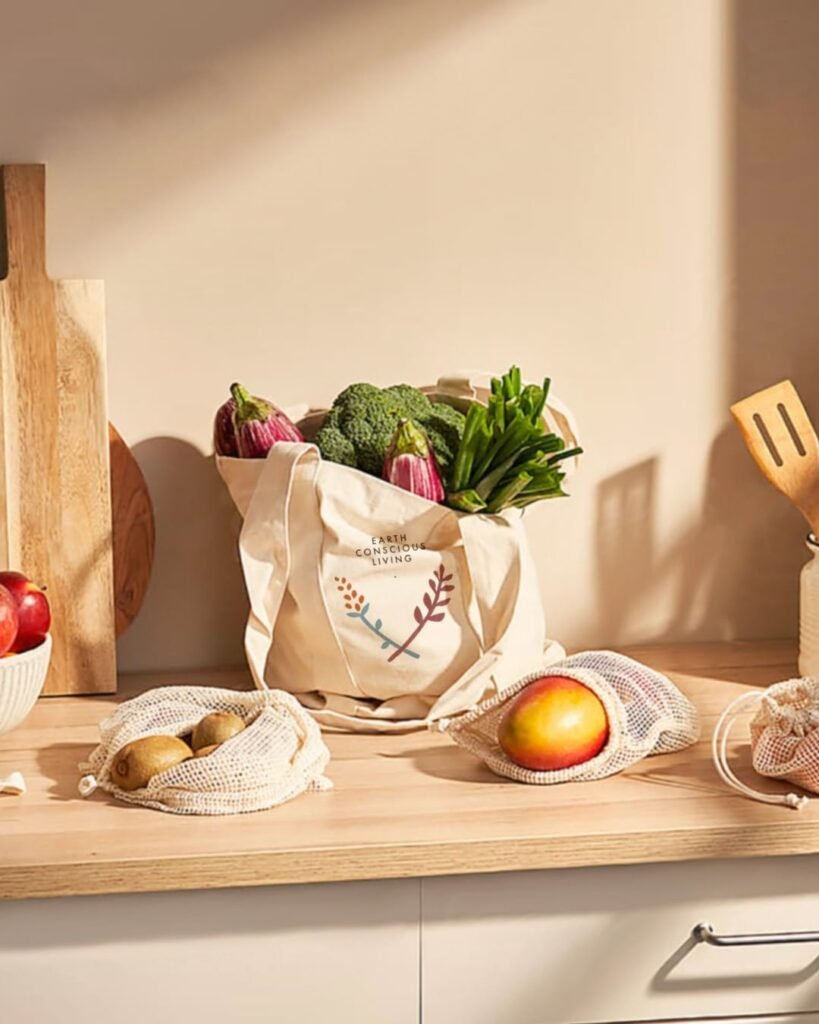
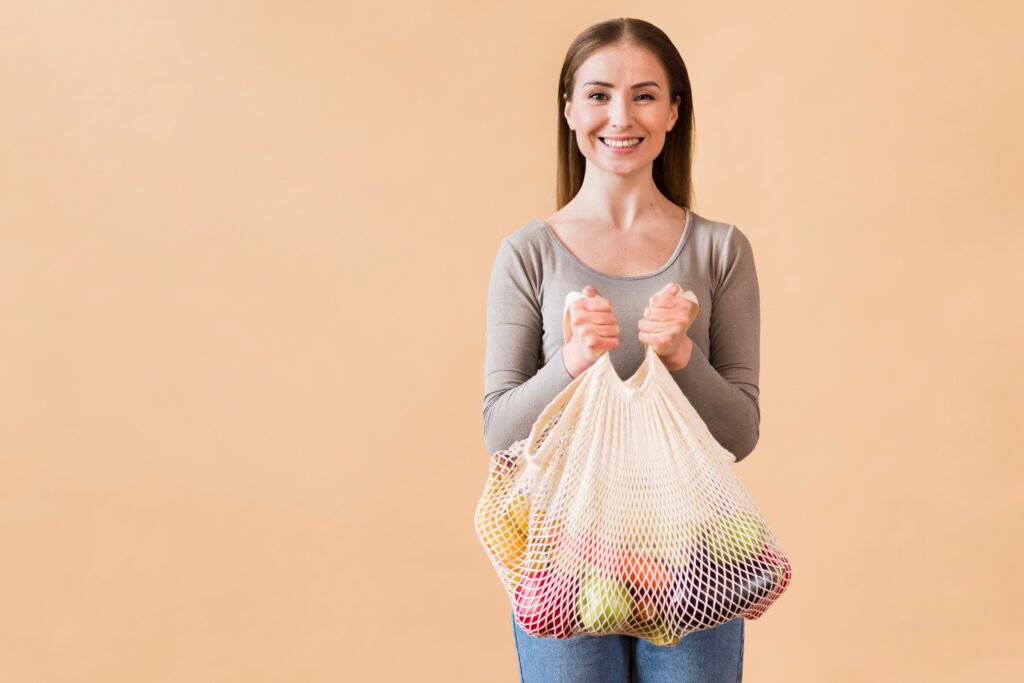
Reusable shopping bags are the most obvious swap, but going a step further—bringing produce bags, containers, or even saying no to unnecessary packaging—creates a bigger impact.
Planning purchases ahead of time helps avoid impulse buying, which often comes with excess packaging. Families can turn shopping into a shared activity where everyone participates in making better choices.
Over time, these habits reshape how consumption is viewed. Instead of focusing on convenience alone, families begin to prioritize sustainability, quality, and longevity.
kid-friendly swaps that make sustainability fun
Children are naturally curious and often eager to participate in meaningful activities. Plastic-free living can become an engaging family project when approached creatively.
Replacing plastic toys with wooden or fabric alternatives is one option, but it’s not about eliminating all plastic toys overnight. Instead, it’s about being mindful of new purchases and choosing items that last longer.
Craft time can also become more sustainable. Using recycled materials, cardboard, and natural items encourages creativity while reducing waste.
Even something as simple as giving children their own reusable water bottles or snack containers can make them feel involved. When kids understand the “why” behind these changes, they’re more likely to carry these habits into adulthood.
laundry and clothing choices that reduce microplastics
Clothing is another hidden source of plastic, especially synthetic fabrics that release microplastics during washing.
Choosing natural fabrics like cotton, linen, or wool can reduce this impact. While it’s not always possible to replace everything, gradually shifting toward these materials makes a difference.
Washing clothes less frequently, using cold water, and air drying when possible also contribute to reducing environmental impact. These habits not only save energy but also extend the life of clothing.
Families often discover that owning fewer, better-quality items simplifies daily life. It reduces clutter, decision fatigue, and waste all at once.
the emotional side of living with less plastic
Beyond the practical swaps, plastic-free living brings an emotional shift. It encourages mindfulness, patience, and a deeper connection to daily routines.
There’s a certain satisfaction in opening a cupboard and seeing reusable items neatly arranged instead of stacks of disposable products. It creates a sense of calm and intention within the home.
Families may also experience a stronger sense of teamwork. When everyone contributes—whether it’s remembering to bring bags, packing lunches, or choosing products—the responsibility is shared.
It’s important to acknowledge that this journey isn’t always perfect. There will be moments when plastic is unavoidable, and that’s okay. The goal is progress, not perfection.
frequently asked questions
- is it expensive to switch to plastic-free living as a family?
Not necessarily. While some reusable items may have a higher upfront cost, they often last much longer than disposable alternatives. Over time, families usually save money by buying fewer single-use products.
- how can i start without feeling overwhelmed?
Start small. Choose one area of your home—like the kitchen or bathroom—and make a few simple swaps. Once those become habits, move on to the next area.
- what if my kids resist the changes?
Involve them in the process. Let them choose their own reusable items or help with shopping and packing. When they feel included, they’re more likely to accept the changes.
- do i need to throw away all plastic items i already own?
No. The most sustainable approach is to use what you already have and replace items gradually as they wear out.
- how do i handle plastic when it’s unavoidable?
Do your best and don’t stress. Focus on reducing what you can control. Recycling properly and choosing better options when available still makes a difference.
- can plastic-free living really make an impact?
Yes, especially when practiced consistently. Small daily changes, multiplied across families and communities, can significantly reduce overall plastic waste.
closing thoughts
Plastic-free living isn’t about creating a perfect, waste-free home. It’s about building a lifestyle that reflects care—for your family, your environment, and your future.
Each small swap carries weight. A reusable bottle, a cloth bag, a bar of soap—these choices add up over time. More importantly, they shape how families think about consumption, responsibility, and sustainability.
When approached with patience and flexibility, plastic-free living becomes less of a challenge and more of a rhythm. A quiet, steady shift toward something better.