5 Personal Beginner Plastic Free Living Mistakes I Regret
I didn’t wake up one morning and suddenly become someone who cared deeply about plastic waste. Like most people, my journey into plastic-free living began with a mix of curiosity, guilt, and a vague desire to “do better.” I watched a few documentaries, scrolled through social media posts filled with glass jars and cloth bags, and felt inspired. It all looked so simple, almost aesthetic—like a lifestyle upgrade rather than a behavioral shift.
But reality, as I quickly learned, is far messier.
The early days were full of enthusiasm but also full of mistakes. Not small, harmless missteps—but decisions that wasted money, time, and sometimes even increased my overall consumption. Looking back, I realize I approached plastic-free living with the wrong mindset. I thought it was about perfection, about replacing everything overnight, about becoming a completely different person.
It’s not.
What follows are five personal mistakes I made as a beginner—mistakes I genuinely regret—not because they made me fail, but because they made the journey harder than it needed to be.
mistake one: throwing away usable plastic just to feel “clean”
This was my first and probably biggest mistake.
In my early excitement, I went through my kitchen and started tossing out anything plastic. Containers, bottles, storage boxes—things that were still perfectly functional. I convinced myself that getting rid of plastic was the first step toward a cleaner life.
What I didn’t realize at the time was that this mindset completely contradicted the core idea of sustainability.
Plastic already exists. Throwing it away doesn’t erase it—it just moves it somewhere else. Most of the items I discarded didn’t get recycled; they ended up in landfills. Some may still be sitting there today, unchanged.
The irony is uncomfortable: in trying to reduce plastic waste, I created more of it.
A more thoughtful approach would have been to use what I already had until it wore out. Replace things slowly. Let the transition happen naturally instead of forcing it.
There’s a strange emotional component to this mistake. I think I was chasing a feeling—the satisfaction of a fresh start. But sustainability isn’t about emotional resets; it’s about long-term responsibility.
If I could go back, I’d keep every single container I threw away. I’d use them, reuse them, and only replace them when absolutely necessary.
mistake two: buying expensive “eco-friendly” alternatives too quickly
The second mistake came right after the first.
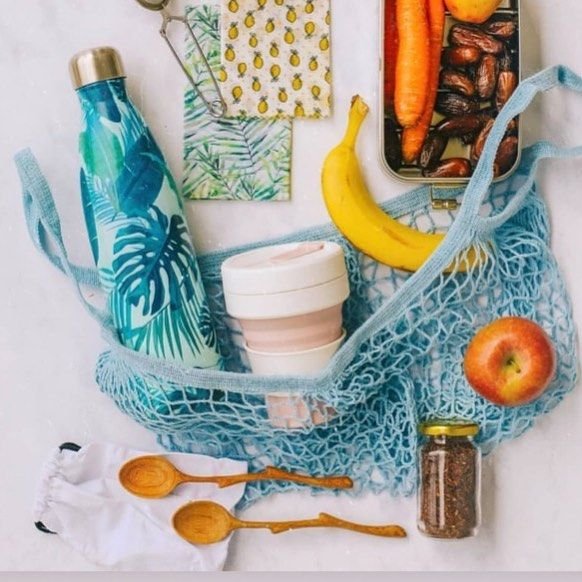
Once I cleared out my plastic items, I felt the need to replace them immediately. I bought glass jars, stainless steel containers, bamboo toothbrushes, reusable produce bags, metal straws—the works.
At first, it felt empowering. My kitchen looked like something out of a minimalist lifestyle blog. Everything matched. Everything felt intentional.
But then reality settled in.
I had spent a significant amount of money on items I didn’t fully understand or even need. Some of them sat unused. Others didn’t fit my routine. A few broke or turned out to be inconvenient.
For example, I bought multiple glass containers, only to realize they were too heavy for daily use. I purchased reusable bags but forgot to carry them most of the time. I replaced products before finishing the ones I already had.
The problem wasn’t the products themselves—it was the speed and intention behind the purchases.
I treated plastic-free living like a shopping project instead of a behavior shift.
Looking back, I wish I had slowed down. Used what I had. Identified actual needs instead of imagined ones. Borrowed ideas from real-life habits instead of curated online images.
Sustainability isn’t about buying better things all at once. It’s about needing less in the first place.
mistake three: trying to be perfect instead of consistent
This mistake didn’t show up immediately. It crept in quietly.
At some point, I started believing that I had to do everything “right.” No plastic bags. No packaged food. No exceptions.
At first, this strictness felt like discipline. But over time, it turned into pressure.
I remember standing in a grocery store, debating whether to buy something because it had plastic packaging. I needed the item, but I felt guilty. Sometimes I walked away. Sometimes I bought it and felt worse afterward.
The problem wasn’t the plastic—it was the all-or-nothing mindset.
Perfection is exhausting. And worse, it’s unsustainable.
There were days when I slipped—forgot my reusable bag, ordered takeout, accepted plastic packaging—and instead of moving on, I felt like I had failed. That feeling made it harder to continue.
Consistency would have been a better goal.
Small, repeatable actions matter more than occasional perfection. Bringing a reusable bag most of the time is better than trying to do it always and giving up when you forget. Choosing less plastic when possible is more realistic than eliminating it entirely overnight.
If I had embraced imperfection earlier, I would have stayed motivated longer.
mistake four: ignoring local realities and copying global trends blindly
This mistake is something I didn’t even recognize until much later.
A lot of my early inspiration came from people living in completely different environments—different countries, different systems, different access to resources. What worked for them didn’t always work for me.
For example, bulk stores and refill stations are common in some places. Where I live, they are rare or nonexistent. Trying to replicate that model led to frustration.
I also tried to follow food habits that didn’t align with local availability. Avoiding packaged items became difficult when most products were sold that way. I ended up spending more time searching than actually living.
The mistake wasn’t in learning from others—it was in copying without adapting.
Plastic-free living isn’t a universal template. It’s deeply personal and local.
What works in one place may not work in another. Infrastructure matters. Culture matters. Even daily routines matter.
Once I stopped trying to mimic others and started focusing on what was actually possible in my environment, things became easier. I found small, realistic changes that fit my life instead of forcing my life to fit an ideal.
mistake five: underestimating how much habits matter more than products
This is the mistake that ties everything together.
In the beginning, I thought plastic-free living was about replacing items. Swap this for that. Buy this instead of that.
But over time, I realized something simple and powerful: habits matter more than products.
A reusable bottle is only useful if you remember to carry it. A cloth bag only reduces waste if you use it consistently. A metal straw doesn’t change anything if it stays in your drawer.
I had focused so much on what I owned that I ignored how I behaved.
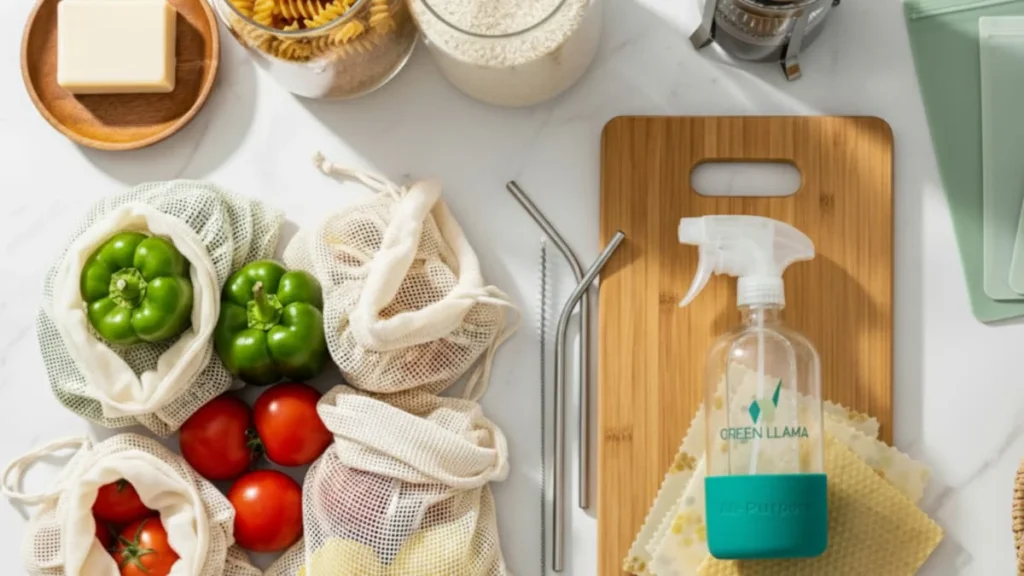
Real change came when I started building small habits. Keeping a bag near the door. Carrying a bottle in my backpack. Saying “no” to unnecessary packaging. Planning purchases instead of making impulsive decisions.
These habits didn’t require money. They required awareness and repetition.
And unlike products, habits don’t break or get lost easily. They become part of you.
If I had understood this earlier, I would have spent less time shopping and more time adjusting my daily routines.
what these mistakes taught me
Looking back, I don’t regret starting my plastic-free journey. But I do regret how I started.
I rushed into it with the wrong assumptions. I treated it like a quick transformation instead of a gradual shift. I focused on appearance instead of impact.
But mistakes, in a strange way, are useful.
They forced me to slow down. To question my approach. To understand that sustainability isn’t about doing everything at once—it’s about doing something consistently.
Today, my approach is quieter. Less visible, maybe, but more grounded. I still use plastic items I already own. I still make imperfect choices. But I also make better ones, more often.
And that’s enough.
frequently asked questions
- is it wrong to throw away plastic items when starting out?
Yes, in most cases it’s better to use what you already have. Throwing away usable plastic creates more waste. A more sustainable approach is to gradually replace items as they wear out.
- do I need to buy eco-friendly products to live plastic-free?
Not necessarily. While some alternatives can help, the biggest impact comes from reducing consumption and changing habits. Buying less is often more effective than buying “better.”
- how can I stay consistent without feeling overwhelmed?
Start small. Focus on one or two habits, like carrying a reusable bag or bottle. Build from there. Consistency grows when changes feel manageable.
- what if plastic-free options are not available in my area?
Adapt to your environment. Do what’s possible locally instead of trying to follow global trends exactly. Even small reductions in plastic use make a difference.
- is it okay to make mistakes during the journey?
Absolutely. Plastic-free living is not about perfection. Mistakes are part of the process. What matters is learning and continuing.
- how long does it take to fully transition to a plastic-free lifestyle?
There’s no fixed timeline. For most people, it’s an ongoing process rather than a final destination. The goal isn’t to be completely plastic-free, but to reduce reliance on it over time.
In the end, plastic-free living isn’t about achieving a flawless lifestyle. It’s about awareness, intention, and progress—no matter how small it seems.