12 Smart Beginner Plastic Free Living Tricks for a Clean Start
There’s a quiet moment that often sparks change. It might come while unwrapping something that’s wrapped in more wrapping than the product itself, or when taking out the trash and noticing that most of it didn’t even exist a few decades ago. Plastic has become so embedded in daily life that we barely notice it—until we decide to.
Starting a plastic-free lifestyle doesn’t require a dramatic overhaul or a perfectly curated pantry. In fact, the most sustainable change is the one that grows slowly, almost unnoticed, until it becomes second nature. This guide isn’t about perfection. It’s about small, thoughtful shifts that build a cleaner, calmer way of living.
Below are twelve practical, beginner-friendly tricks to help you ease into plastic-free living without stress or overwhelm.
- Start with what you already have
One of the biggest misconceptions is that going plastic-free means throwing everything away and replacing it with eco-friendly alternatives. Ironically, that approach creates more waste.
Look around your home. That plastic container? Use it until it wears out. Those grocery bags? Reuse them as many times as possible. The goal isn’t to eliminate plastic overnight—it’s to stop new plastic from entering your life unnecessarily.
A useful mindset shift is this: “Use what you have, then replace with better.” This keeps waste from piling up and saves money in the long run.
Try this:
- Make a list of items you frequently use (bottles, containers, bags)
- Decide which ones you’ll replace only when they break or run out
- Resist the urge to “upgrade” everything at once
- Carry a reusable kit
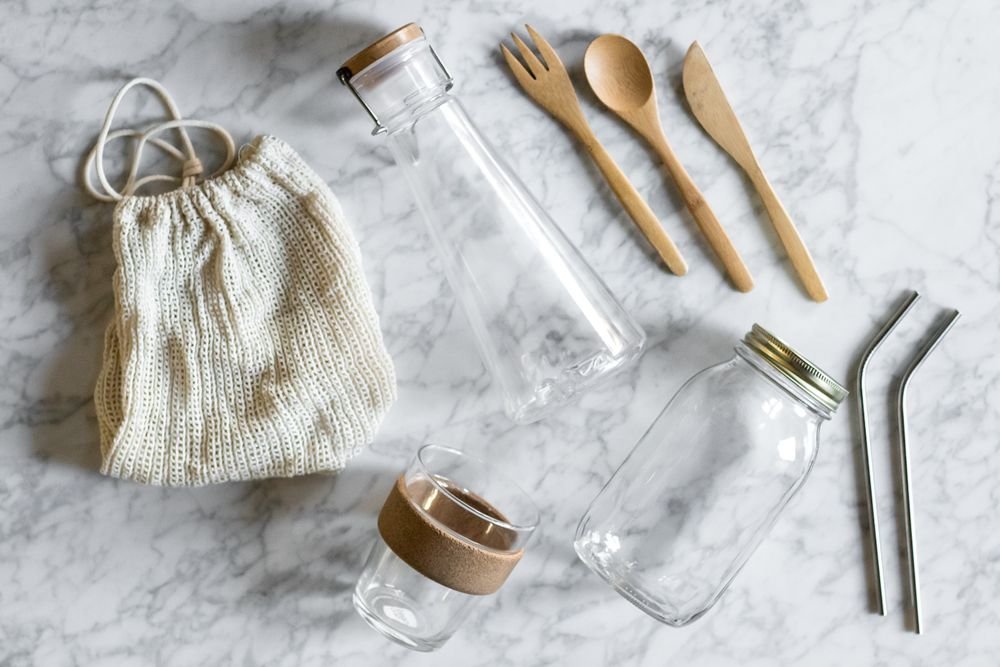
The easiest way to avoid single-use plastic is to be prepared. Think of a small kit you can carry daily—a lightweight collection of essentials that prevents waste before it happens.
Your kit might include:
- A cloth tote bag
- A reusable water bottle
- A metal or bamboo straw
- A small container for leftovers or takeaway
At first, you’ll forget it. Everyone does. But over time, it becomes as natural as carrying your phone.
A tip that helps: keep your kit by the door or in your bag permanently. The less you have to think about it, the more likely you’ll use it.
- Rethink your grocery habits
Grocery shopping is one of the biggest sources of plastic waste. Almost everything comes wrapped, sealed, or bagged.
Instead of trying to eliminate all plastic at once, focus on a few categories:
- Fruits and vegetables: choose loose items instead of pre-packaged ones
- Dry goods: look for bulk sections or bring your own containers where allowed
- Dairy and beverages: opt for glass bottles when available
It’s not always possible, especially depending on where you live. That’s okay. Even reducing a portion of your plastic intake makes a difference.
A small habit with big impact: say no to plastic produce bags. Most fruits and vegetables don’t need them.
- Swap one item at a time
Trying to replace everything at once can feel overwhelming—and expensive. A better approach is to swap items gradually.
Start with things you use daily:
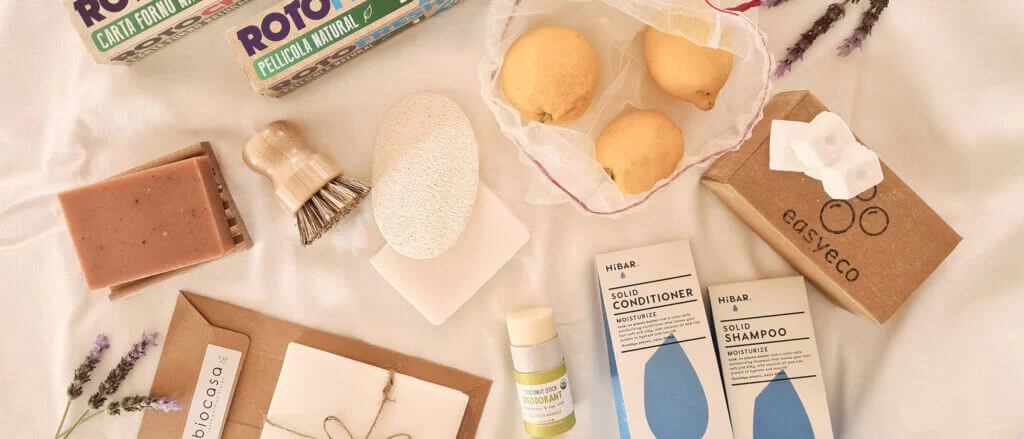
- Plastic toothbrush → bamboo toothbrush
- Disposable razors → safety razor
- Liquid soap in plastic bottles → bar soap
Give yourself time to adjust to each swap before moving on to the next. This way, the changes feel natural rather than forced.
You might even discover that some swaps aren’t for you. That’s fine. Plastic-free living isn’t about rigid rules—it’s about mindful choices.
- Learn the art of saying no
A surprising amount of plastic enters our lives through things we never asked for—free samples, extra packaging, disposable cutlery.
A simple “No, thank you” can go a long way.
It might feel awkward at first, especially in social situations. But over time, it becomes empowering. You’re not just avoiding waste—you’re making a conscious decision about what you allow into your life.
Practice this in everyday scenarios:
- Decline plastic straws at restaurants
- Refuse extra packaging when it’s not needed
- Skip freebies that you won’t use
Every “no” reduces demand for unnecessary plastic.
- Make your kitchen a low-waste zone
The kitchen is often where plastic waste accumulates the most. Food packaging, cling wrap, storage bags—it adds up quickly.
Instead of aiming for a perfect zero-waste kitchen, focus on simple upgrades:
- Replace cling film with beeswax wraps or plates
- Use glass jars for storage
- Store leftovers in reusable containers
Cooking more at home also reduces reliance on packaged food. Even preparing one extra meal a week can cut down on waste significantly.
A helpful trick: designate a shelf or drawer for reusable items. Keeping them visible makes them easier to use consistently.
- Choose quality over convenience
Plastic thrives on convenience. Single-use items are quick, easy, and often cheap. But they rarely last.
Shifting your mindset from convenience to quality changes everything. Instead of buying disposable items repeatedly, invest in things that last longer—even if they cost more upfront.
For example:
- A sturdy water bottle instead of disposable ones
- Cloth napkins instead of paper ones
- Durable containers instead of single-use packaging
Over time, you’ll notice something interesting: you’re buying less, but using more.
- Pay attention to personal care products
Bathroom shelves are often lined with plastic—shampoo bottles, toothpaste tubes, skincare packaging.
Start with the easiest swaps:
- Bar soap instead of body wash
- Shampoo bars instead of bottled shampoo
- Refillable containers for lotions
These changes not only reduce plastic but often simplify your routine.
A small but impactful change: switch to a reusable cotton pad or cloth for cleansing instead of disposable wipes.
- Get comfortable with imperfection
There will be days when you forget your reusable bag, buy something wrapped in plastic, or choose convenience over sustainability. That’s part of the process.
Plastic-free living isn’t about being flawless. It’s about being aware.
Instead of feeling guilty, notice what happened and move forward. Maybe next time, you’ll remember your bag. Maybe you won’t. Either way, you’re learning.
A useful reminder: progress matters more than perfection.
- Support businesses that align with your values
Every purchase is a kind of vote. When you support businesses that prioritize sustainable packaging, you’re encouraging that behavior to grow.
Look for:
- Stores that offer bulk options
- Brands that use minimal or recyclable packaging
- Local producers who avoid excessive wrapping
You don’t need to research every product. Even choosing better options occasionally makes an impact.
- Repair, reuse, rethink
Before throwing something away, pause for a moment. Can it be repaired? Repurposed? Used in a different way?
Plastic-free living often overlaps with a broader mindset of resourcefulness.
Examples:
- Turn old jars into storage containers
- Use worn-out clothes as cleaning rags
- Repair items instead of replacing them immediately
This approach not only reduces waste but also changes how you see the things you own.
- Build habits, not pressure
The most sustainable lifestyle is the one you can maintain. Instead of setting strict rules, focus on building small, repeatable habits.
Maybe it’s bringing your own bag. Maybe it’s choosing loose produce. Maybe it’s skipping a straw.
These actions may seem small, but they add up over time. More importantly, they reshape your mindset.
Plastic-free living isn’t a destination—it’s a direction.
A closing reflection
At its core, reducing plastic is less about the material itself and more about awareness. It’s about noticing what we consume, how we consume it, and why.
The journey doesn’t require perfection or radical change. It asks for attention. A little curiosity. A willingness to pause before acting.
And sometimes, that’s enough to start something meaningful.
FAQs
- Is it expensive to start living plastic-free?
Not necessarily. If you begin by using what you already have and replacing items gradually, costs stay low. In fact, many people end up saving money by buying less and choosing durable products.
- What is the easiest first step for beginners?
Carrying a reusable bag and water bottle is one of the simplest and most effective starting points. These two habits alone can significantly reduce daily plastic use.
- Do I have to go completely plastic-free to make a difference?
No. Even small reductions matter. The goal is not perfection but progress. Every piece of plastic avoided is a step in the right direction.
- What if plastic-free options aren’t available where I live?
Work with what you have. Focus on reducing rather than eliminating. Reusing items, avoiding unnecessary packaging, and making small swaps still make an impact.
- How do I stay consistent with new habits?
Make changes gradually and keep things visible and convenient. For example, keep reusable bags near the door or in your car. The easier it is, the more likely you’ll stick with it.
- Can plastic-free living really make a difference globally?
Yes, especially when adopted collectively. Individual actions influence demand, and demand shapes production. Small changes, when multiplied by many people, lead to meaningful impact.
If you take anything from this, let it be this: you don’t need to change everything to change something. And sometimes, something is more than enough to begin.