11 Quick Beginner Plastic Free Living Ideas for Busy People
There’s a quiet kind of guilt that sneaks up on you when you realize how much plastic passes through your hands in a single day. It’s in the crinkle of a snack wrapper, the lid of a takeaway coffee, the thin film around vegetables you didn’t even think needed protection. For busy people, this realization often comes with an immediate follow-up thought: “I don’t have time to deal with this.”
That feeling is real. Between work, family, errands, and everything in between, adding “live plastic-free” to your list can feel like signing up for a full-time job you didn’t ask for. But here’s the truth that doesn’t get said enough: plastic-free living doesn’t require a dramatic lifestyle overhaul. It can begin with small, almost invisible shifts—ones that blend into your existing routine instead of disrupting it.
This is not about perfection. It’s about direction. The ideas below aren’t meant to transform your life overnight. They’re designed to fit into a busy life—quiet, practical changes that build momentum over time.
Let’s begin.
- The “one-swap rule” that changes everything
If you try to replace everything at once, you’ll burn out before you even start. A better approach is the “one-swap rule”: choose one plastic item you use daily and replace it with a reusable alternative.
That’s it. Just one.
Maybe it’s a water bottle. Maybe it’s grocery bags. Maybe it’s your morning coffee cup. The key is consistency, not quantity.
What makes this approach powerful is that it removes decision fatigue. You don’t need to rethink your entire lifestyle—just one small part of it. Over time, those single swaps stack up, almost without you noticing.
Try this:
Pick one item you use every single day. Replace it this week. Don’t move on to another until this one feels natural.
- Keep reusables where you actually need them
Most people who buy reusable items stop using them—not because they don’t care, but because they forget. A reusable bag is useless if it’s sitting at home when you’re at the store.
The solution isn’t more discipline. It’s better placement.
Put your reusables where your habits already happen:
– Keep a cloth bag in your car or backpack
– Store a reusable cup near your keys
– Place a water bottle next to your laptop
This removes friction. You’re not adding a new habit—you’re attaching a new tool to an existing one.
A small trick:
If you leave the house every day, treat your reusable items like your phone or wallet. They should feel just as essential.
- Stop buying bottled water (without overthinking it)
Bottled water is one of the easiest plastic habits to break, yet one of the most common.
You don’t need a complicated system. Just start carrying your own bottle.
At first, you’ll forget. You’ll buy a bottle out of convenience. That’s okay. The goal is progress, not perfection.
Over time, something interesting happens: buying bottled water starts to feel unnecessary rather than normal.
Make it easier:
– Fill your bottle before leaving home
– Keep an extra one at work
– Clean it at night so it’s ready in the morning
This is one of those changes that saves money, reduces waste, and requires almost no extra effort once it becomes routine.
- Rethink how you shop for groceries
Grocery shopping is one of the biggest sources of plastic waste, but it’s also one of the easiest areas to improve—without adding extra time.
Instead of trying to go fully zero-waste, focus on small adjustments:
– Choose loose produce instead of pre-packaged
– Bring your own bags (even if you forget sometimes)
– Buy larger quantities to reduce packaging
You don’t need to visit specialty stores or spend hours planning. Even small choices—like skipping plastic-wrapped cucumbers—make a difference.
A mindset shift:
Don’t aim for a “perfect” plastic-free cart. Aim for a “better than last time” cart.
- Build a 2-minute waste check habit
At the end of the day, take two minutes to notice what plastic you used.
Not to judge yourself. Just to observe.
What did you throw away? What could have been avoided? What felt unavoidable?
This habit builds awareness without pressure. Over time, you’ll start noticing patterns—and those patterns will guide your next changes.
For example:
– You might notice you use a lot of snack wrappers
– Or takeaway containers
– Or plastic packaging from deliveries
Once you see the pattern, solutions become obvious.
- Make takeout a little less wasteful
Busy people rely on takeout. That’s not going to change—and it doesn’t have to.
Instead of eliminating takeout, make it slightly better:
– Say no to plastic cutlery (if you’re eating at home)
– Request fewer sauces or extras
– Use your own containers if ordering locally and picking up
Even one small step reduces waste significantly over time.
A simple rule:
If you already have it at home, don’t ask for it in plastic.
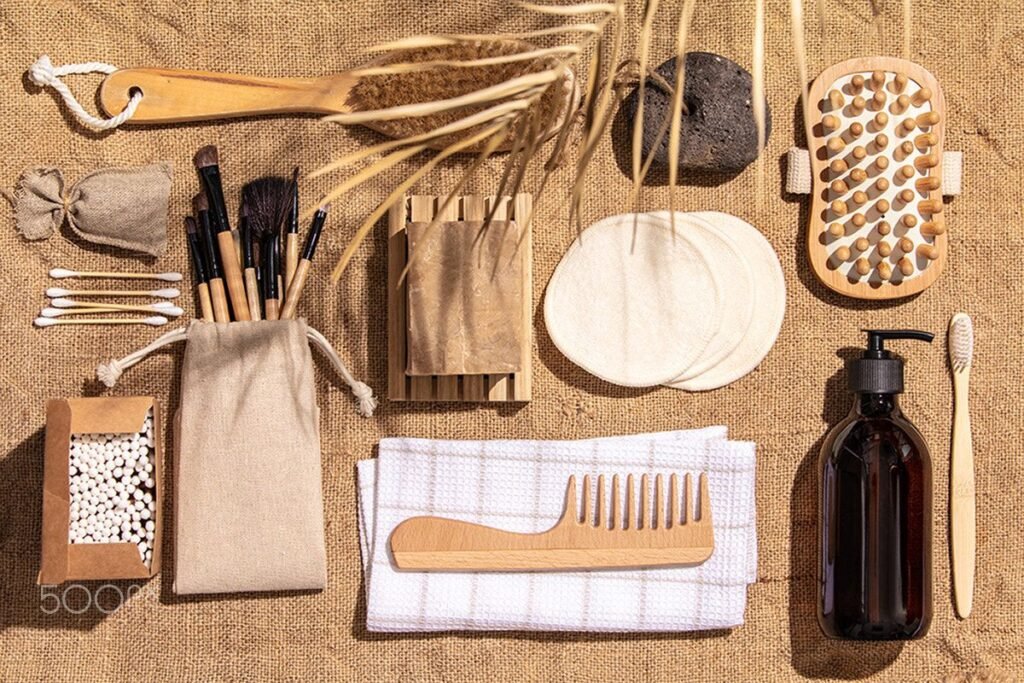
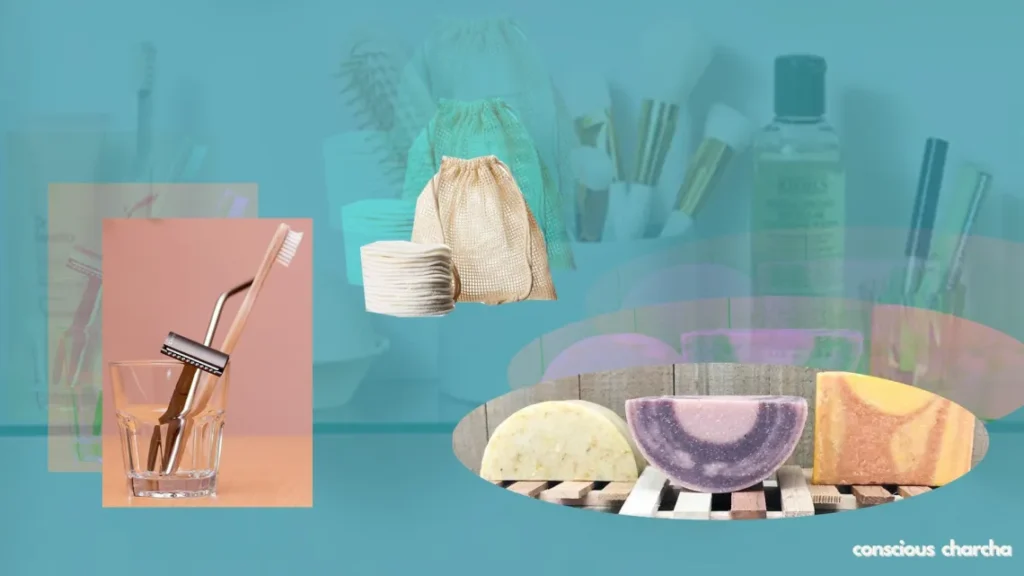
- Switch to bar-based products
Liquid products often come in plastic bottles. Bar alternatives—like soap, shampoo, and even dish soap—usually come with minimal or no plastic packaging.
The best part? They last longer and take up less space.
You don’t need to switch everything at once. Start with one:
– A bar of soap instead of liquid body wash
– A shampoo bar instead of a bottle
– A solid dish soap block
At first, it might feel different. But once you adjust, it becomes second nature.
- Stop collecting “just in case” plastics
We all have that drawer. The one filled with plastic bags, containers, and random packaging we might need someday.
The problem isn’t having them—it’s continuing to accumulate more.
Try this:
Before accepting or keeping new plastic items, ask yourself, “Do I actually need this, or am I just used to keeping it?”
This small pause reduces unnecessary buildup.
Over time, you’ll notice you’re bringing less plastic into your home without even trying.
- Use what you already have first
One of the biggest mistakes beginners make is throwing out plastic items and replacing them with “eco-friendly” alternatives.
This creates more waste, not less.
Instead, use what you already own until it wears out. Then replace it with a better option.
This approach is both practical and sustainable.
Example:
– Finish your current shampoo before switching to a bar
– Use your plastic containers until they break
– Keep your existing tools until they need replacing
Sustainability isn’t about buying new things. It’s about using things fully.
- Create a “go kit” for busy days
Some days are chaotic. You’re rushing, multitasking, and just trying to keep up. These are the days when plastic use tends to spike.
A simple solution is to prepare a small “go kit”:
– Reusable bag
– Water bottle
– Cutlery set
– Napkin or cloth
Keep it in your bag or car. It doesn’t need to be fancy.
This kit acts as a safety net. Even on your busiest days, you’ll have what you need to avoid unnecessary plastic.
- Accept imperfect progress
This might be the most important idea of all.
You will forget your reusable bag. You will buy something in plastic. You will take shortcuts when you’re tired.
That doesn’t mean you’ve failed.
Plastic-free living isn’t a destination. It’s a direction.
Each small choice matters—not because it’s perfect, but because it moves you forward.
Think of it this way:
If you reduce your plastic use by even 20%, that’s a meaningful impact. Multiply that over weeks, months, and years, and it becomes significant.
A closing reflection
Busy lives don’t leave much room for complicated systems or rigid rules. That’s why the most effective changes are the ones that fit quietly into your routine.
Plastic-free living doesn’t have to be loud or dramatic. It can be subtle. Personal. Almost invisible.
It’s the reusable bag you reach for without thinking.
The water bottle that becomes part of your daily rhythm.
The small pause before accepting something you don’t really need.
These moments add up.
And over time, they change not just your habits, but your perspective.
Frequently Asked Questions (FAQs)
- Is it possible to live completely plastic-free as a beginner?
Not realistically, especially for busy people. The goal shouldn’t be complete elimination but gradual reduction. Focus on the biggest sources of plastic in your daily life and improve those first.
- What’s the easiest first step to start plastic-free living?
Switching to a reusable water bottle is one of the simplest and most effective starting points. It requires minimal effort and quickly becomes a habit.
- Does plastic-free living take a lot of time?
It can at the beginning, but it doesn’t have to. If you focus on small, practical changes that fit your routine, it actually saves time in the long run by reducing unnecessary purchases and waste.
- Are eco-friendly alternatives expensive?
Some are, but many save money over time. Reusable items like bottles, bags, and containers reduce the need for constant repurchasing. The key is to replace items gradually, not all at once.
- What if I forget my reusable items often?
That’s completely normal. Try keeping backups in places you frequent—your car, office, or bag. The easier they are to access, the more likely you are to use them.
- Can small changes really make a difference?
Yes. Individual actions may seem small, but they add up over time. More importantly, they influence habits, awareness, and even the people around you. Consistency matters more than scale.
In the end, plastic-free living isn’t about doing everything. It’s about doing something—and then building on it, one small step at a time.