10 Smart Beginner Plastic Free Living Swaps That Save Money
There’s a quiet moment most people experience before they begin reducing plastic in their lives. It usually doesn’t come from reading a shocking statistic or watching a documentary. It comes while standing in the kitchen, holding yet another empty plastic bottle, wondering how something used for minutes sticks around for centuries.
The good news? Living with less plastic doesn’t have to be expensive, complicated, or overwhelming. In fact, many of the smartest swaps actually save money over time. This isn’t about perfection—it’s about progress, habit by habit, swap by swap.
This guide walks through ten beginner-friendly, practical changes that reduce plastic waste while keeping your wallet happier. Each one is simple enough to start today and powerful enough to build lasting change.
- Swap bottled water for a reusable bottle
If you buy bottled water regularly, this is one of the fastest and most impactful changes you can make.
Let’s be honest—bottled water is convenient. But it’s also one of the most unnecessary sources of plastic waste. A single reusable bottle can replace hundreds of disposable ones each year.
What to do:
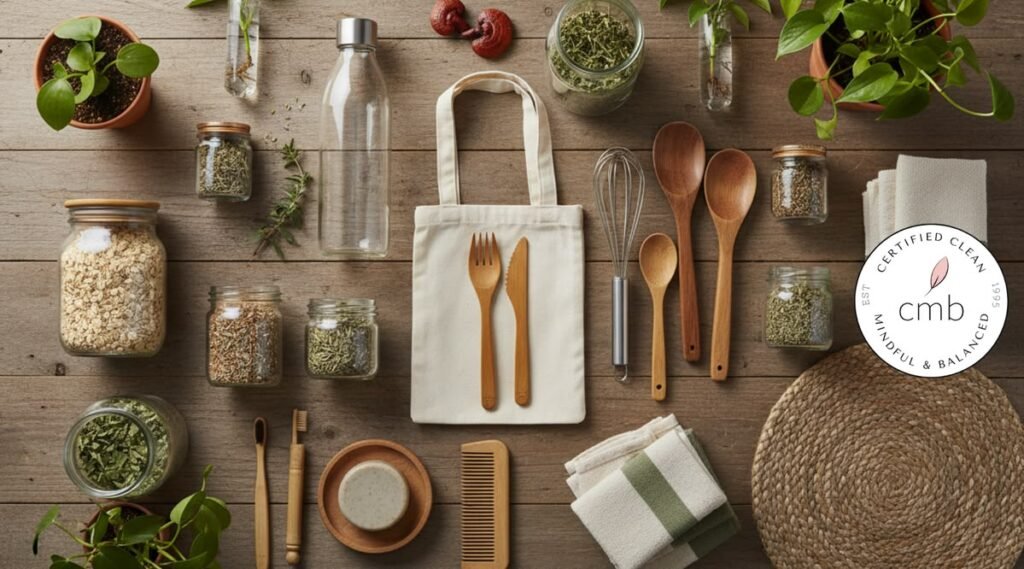
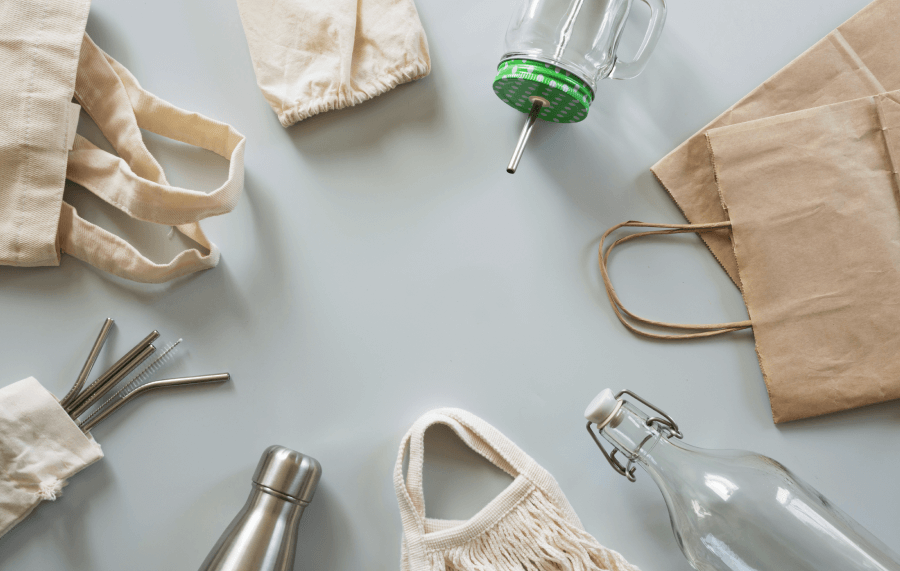
- Get a durable stainless steel or glass bottle
- Refill it at home before leaving
- Keep it with you like you would your phone or wallet
Why it saves money:
Buying bottled water daily adds up quickly. Even a modest habit can cost a significant amount over a year. A reusable bottle pays for itself within weeks.
Extra tip:
If you’re concerned about water quality, consider a simple home filter. It still costs far less than buying bottles long term.
- Replace plastic grocery bags with cloth bags
This is one of the easiest habits to build, yet one of the most commonly forgotten.
Plastic bags seem harmless because they’re free or cheap. But they pile up quickly and are rarely reused effectively.
What to do:
- Keep cloth or canvas bags near your door
- Store a few in your car or backpack
- Foldable bags are great for emergencies
Why it saves money:
Many stores now charge for plastic bags. Over time, reusable bags eliminate that recurring cost.
Extra tip:
Get into the habit of returning bags to your car right after unpacking groceries. It reduces the chance of forgetting them next time.
- Switch from cling film to reusable food wraps
Plastic wrap is one of those items that feels essential—until you stop using it.
Reusable wraps made from cloth and natural wax are flexible, washable, and surprisingly effective.
What to do:
- Use beeswax wraps or silicone lids for covering food
- Store leftovers in containers instead of wrapping them
Why it saves money:
Instead of buying rolls of plastic wrap every month, you invest once in reusable alternatives that last a year or more.
Extra tip:
Even a simple plate over a bowl can replace plastic wrap in many situations.
- Choose bar soap over liquid soap in plastic bottles
Liquid soap is convenient, but it comes with a hidden cost: constant plastic packaging.
Bar soap has quietly made a comeback, and for good reason.
What to do:
- Replace liquid hand soap with bar soap
- Use a soap dish that drains well to extend its life
Why it saves money:
Bar soap often lasts longer than liquid soap and typically costs less per use.
Extra tip:
Many bar soaps come in paper packaging, making them a low-waste option.
- Use a reusable coffee cup instead of takeaway cups
Even if takeaway cups look like paper, most are lined with plastic, making them difficult to recycle.
What to do:
- Carry a reusable coffee cup if you buy drinks outside
- Ask cafes if they offer a discount for bringing your own cup
Why it saves money:
Some coffee shops offer small discounts for reusable cups. Over time, those savings add up.
Extra tip:
If you make coffee at home, you’ll save even more while avoiding both plastic and daily expenses.
- Replace disposable razors with a safety razor
This swap might feel intimidating at first, but it’s one of the most cost-effective changes you can make.
Disposable razors are almost entirely plastic and designed to be thrown away quickly.
What to do:
- Switch to a metal safety razor
- Replace only the blade when needed
Why it saves money:
While the initial cost is higher, replacement blades are much cheaper than buying new disposable razors regularly.
Extra tip:
Take your time learning how to use it. Once you get used to it, many people find it gives a better shave.
- Ditch plastic sponges for natural alternatives
Kitchen sponges are small but surprisingly wasteful. Most are made from plastic and shed microplastics over time.
What to do:
- Use natural fiber sponges, wooden brushes, or cloths
- Wash and reuse them regularly
Why it saves money:
Natural alternatives often last longer and can be composted at the end of their life.
Extra tip:
Cut old cotton clothes into cleaning rags—it’s completely free and highly effective.
- Buy in bulk to reduce packaging
Buying in bulk doesn’t mean hoarding—it means choosing larger quantities with less packaging.
What to do:
- Purchase staples like rice, lentils, and flour in larger bags
- Use your own containers if local stores allow it
Why it saves money:
Bulk items usually cost less per unit, meaning you save money while reducing plastic waste.
Extra tip:
Start small. Focus on one or two items you use frequently instead of trying to change everything at once.
- Switch from plastic toothbrushes to bamboo ones
Toothbrushes are something we replace regularly, making them a consistent source of plastic waste.
What to do:
- Choose bamboo toothbrushes with biodegradable handles
- Replace them just as you would a regular toothbrush
Why it saves money:
While slightly more expensive upfront, many bamboo options are competitively priced, and some come in value packs.
Extra tip:
Use your old toothbrush for cleaning small areas instead of throwing it away immediately.
- Use reusable containers instead of takeaway packaging
Takeaway food often comes with multiple layers of plastic packaging.
What to do:
- Bring your own container for leftovers when possible
- Store food at home in glass or stainless steel containers
Why it saves money:
Cooking at home more often naturally reduces spending on takeout, which is usually more expensive.
Extra tip:
If you do order takeaway, try to request minimal packaging when possible.
A simple reflection exercise
Before moving on, take a moment to think about your current habits.
Ask yourself:
- Which plastic items do I use daily?
- Which of these could I realistically replace this week?
- What’s one small change I can commit to today?
Write down one or two swaps from this list and start there. You don’t need to do everything at once.
Why small swaps matter more than big intentions
It’s easy to feel like individual actions don’t make a difference. But habits compound.
One reusable bottle leads to fewer plastic purchases.
One cloth bag becomes a routine.
One swap builds awareness for the next.
The real change isn’t just in reducing plastic—it’s in shifting how you think about consumption.
Common challenges and how to overcome them
Forgetting reusable items
Solution: Keep extras in places you frequent—your car, bag, or workplace.
Feeling overwhelmed
Solution: Focus on one swap at a time. Build gradually.
Higher upfront costs
Solution: Remember that many reusable items pay for themselves over time.
Lack of local options
Solution: Start with what’s available. Even small changes make a difference.
A mindset shift that saves more than money
Living with less plastic isn’t just about the environment. It changes your relationship with everyday items.
You start to notice:
- How often things are designed for single use
- How much you actually consume
- How satisfying it feels to reuse something instead of throwing it away
Over time, this mindset leads to more mindful spending, less waste, and a simpler lifestyle.
Frequently Asked Questions
- Is plastic-free living expensive to start?
Not necessarily. While some items have a higher upfront cost, many swaps—like using cloth bags or repurposing containers—are cheap or even free. Over time, reusable items usually save money.
- Do I need to replace everything at once?
No. In fact, it’s better not to. Start with one or two changes and build gradually. Replacing items only when they wear out is both practical and cost-effective.
- What if I forget my reusable items?
It happens to everyone. Keep backups in your car or bag, and don’t be too hard on yourself. The goal is consistency, not perfection.
- Are natural alternatives always better?
Generally, yes—but it depends on how you use them. The most sustainable option is often the one you already have. Use things fully before replacing them.
- How long does it take to see savings?
Some swaps, like reusable water bottles, show savings within weeks. Others take a few months. The key is consistency.
- Can one person really make a difference?
Individually, the impact may seem small—but collectively, it matters. More importantly, your choices influence others, creating a ripple effect.
In the end, plastic-free living isn’t about living without convenience—it’s about redefining it.
Convenience doesn’t have to mean disposable.
Saving money doesn’t have to mean sacrificing quality.
And change doesn’t have to be dramatic to be meaningful.
Start small. Stay consistent. And let each smart swap build a lifestyle that feels lighter—for both you and the planet.